
Meat · Pork
Pork spare ribs
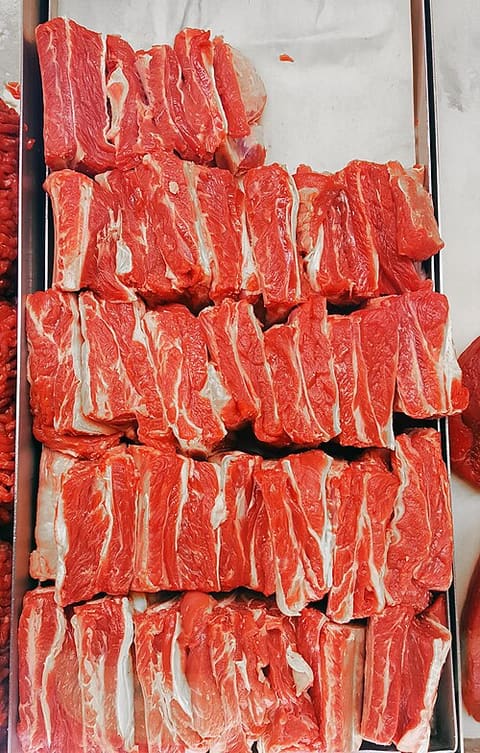
Pork ribs with meat between the bones; barbecued, braised, steamed with black bean or cut small for soups.
Also called: pork ribs, spareribs, pork riblets, pai gu, baby back ribs
A kind of pork
What it is
Spare ribs come from the belly side of the rib cage: flatter, meatier and fattier than baby back ribs, which come from higher up near the loin. In Chinese cooking (pai gu) they are chopped into small riblets for steaming, braising and soups. Both styles have plenty of connective tissue.
How it’s used
- Barbecued and smoked ribs
- Chinese steamed ribs with black beans
- Sweet and sour or char siu ribs
- Bak kut teh and other pork rib soups
- Korean-style braised ribs
Characteristics
- Taste
- Rich and porky.
- Texture
- Tender and juicy when slow-cooked.
- When cooked
- Remove the membrane on the bone side; cook low and slow until the meat pulls back from the bones.
- Sold as
- fresh, frozen
- Cooking uses
- Commonly cooked, Suitable for grilling, Suitable for boiling
- Common in
- American, Southern US, Chinese, Cantonese, Malaysian, Singaporean, Korean
Storage
Refrigerated. Keep sealed on the bottom shelf of the fridge or freeze.
Diet, allergens and safety
No major allergens in typical versions.
- Vegetarian
- Vegan
- Dairy-free
- Egg-free
- Gluten-free
- Nut-free
- Soy-free
- Caffeine-free
- Food-safety guidance for whole cuts of beef, lamb, veal and pork is 63 °C (145 °F) in the centre followed by a 3-minute rest; slow-cooked cuts are taken far higher for tenderness.
- Store raw meat sealed on the bottom shelf of the fridge and keep separate boards for raw meat and ready-to-eat food.
Nutrition per 100 g
- Energy
- 277 kcal
- Protein
- 15.47 g
- Carbohydrate
- 0 g
- Fat
- 23.4 g
- Fibre
- 0 g
- Sugars
- 0 g
USDA FoodData Central: Pork, fresh, spareribs, separable lean and fat, raw.
Substitutes
Optional — what works if you don’t have it, and how it changes the dish.
- Pork belly — Boneless; cut into chunks, similar richness.
Related ingredients
Recipes with pork spare ribs
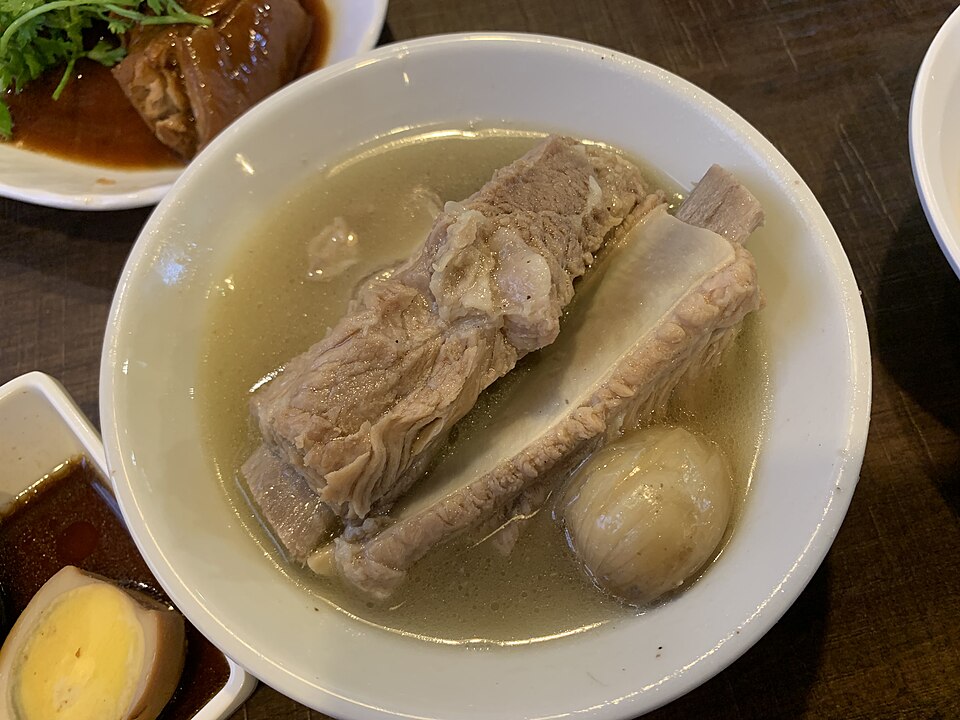
Bak kut teh (peppery Teochew style)
 Singaporean · 2 h 15 min · 739 kcal
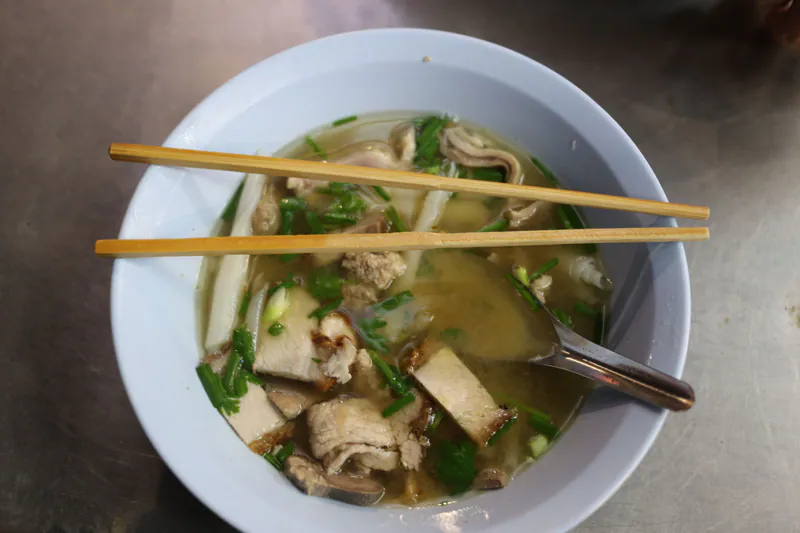
Kuy teav
 Cambodian · 2 h · 918 kcal
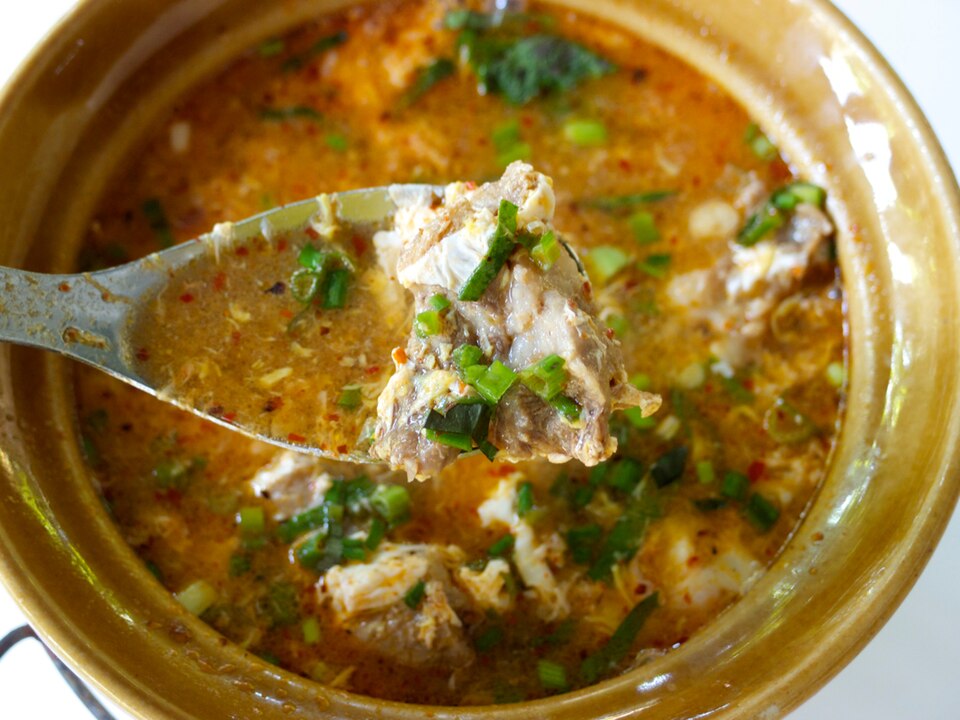
Tom saep
 Thai · 1 h 25 min · 344 kcal
Winter melon soup with pork ribs
 Cantonese · 1 h 40 min · 233 kcal
More pork
Pork
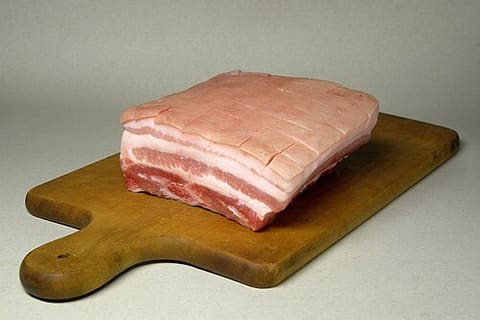
Pork
Meat from pigs: fatty, sweet cuts like belly and shoulder for slow cooking, lean loin and tenderloin for quick cooking.
226 recipes
Pork
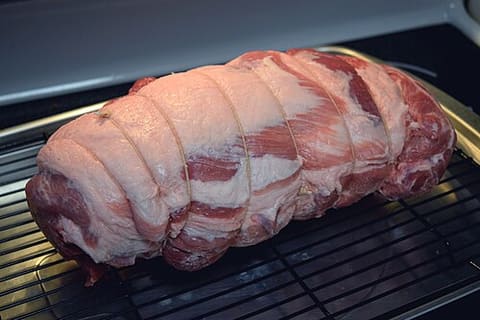
Pork shoulder
Well-marbled pork shoulder (butt, collar): the cut for pulled pork, char siu, carnitas and slow roasts.
46 recipes
Pork
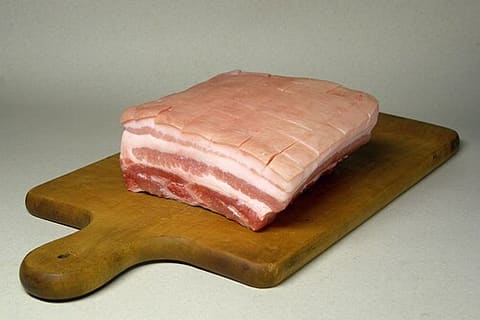
Pork belly
Layers of fat and meat from the pig's underside, with skin; braised, roasted for crackling or grilled in slices.
34 recipes
Pork
Ground pork
Minced pork, mild and fatty; the base of dumplings, mapo tofu, meatballs, larb and sausages.
36 recipes
Pork
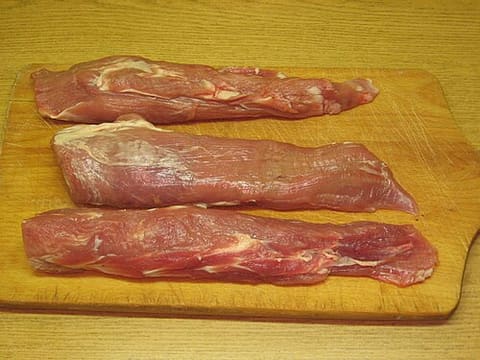
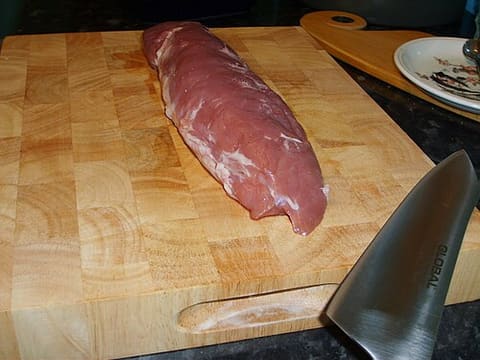
Pork tenderloin
Small, lean, tender pork fillet that roasts or sears in minutes; easily overcooked.
4 recipes
Pork
Pork loin
Lean pork from along the back, with a fat cap; sold as roasts and chops, boneless or on the bone.
7 recipes