
Nature's Pantry
Cinnamon
Also: dalchini (Hindi) · canela (Spanish) · Ceylon cinnamon (Cinnamomum verum) · cassia (Cinnamomum cassia)
Widely studied for blood sugar, but research does not clearly support it for any health use. Know your cassia from your Ceylon.
Overall evidence
Plenty of studies, but inconsistent and hard to compare, so no clear conclusion.
A few small or low-quality studies, inconsistent results, or mostly lab and animal work. Interesting, but not enough to rely on.
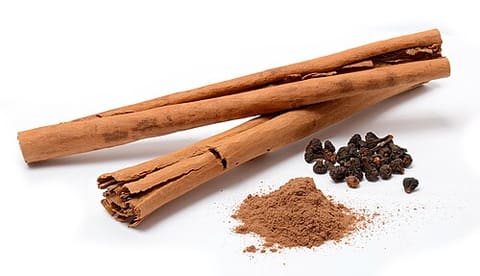
What it is
The dried inner bark of several Cinnamomum trees. Most supermarket cinnamon is cassia, which is stronger and contains much more coumarin than Ceylon ("true") cinnamon.
Traditional use
Tradition, not evidence: how cultures use it, not proof that it works.
Middle East and North Africa
Cinnamon warms savoury tagines and rice dishes as well as sweets.
South Asia
Cinnamon sticks are a whole spice in biryani and garam masala; cinnamon tea is a household drink for a chill.
Mexico
Canela is simmered into café de olla and hot chocolate.
What the research says
Each claim graded on its own evidence.
Cinnamon and blood sugar or weight
Evidence level: Limited or early evidenceThere have been many studies, especially for diabetes, but it is often unclear which species or part of the plant was tested. NCCIH concludes it is unclear whether cinnamon supplementation helps, and research does not clearly support cinnamon for any health condition.[1]
In food amounts
Recipes use a pinch to a teaspoon of ground cinnamon or a stick or two per pot. NCCIH notes that cinnamon in normal food amounts is likely safe.
We describe everyday cooking amounts only, never supplement doses.
Safety
- Pregnancy and breastfeeding
- Larger-than-food amounts of Ceylon cinnamon are considered unsafe in pregnancy.[1]
- Allergies
- Larger amounts can cause stomach upset or allergic reactions.[1]
- Health conditions
- Cassia cinnamon contains coumarin, which has been linked with liver problems in sensitive people. If you have liver disease, talk to your doctor before taking cinnamon supplements or eating large amounts of cassia regularly.[1]
If you take regular medicines, are pregnant or breastfeeding, or are cooking for a baby or someone who is unwell, check with a doctor, pharmacist or midwife before using any food or supplement for a health reason.
Sources
- [1] Cinnamon — fact sheet — US National Center for Complementary and Integrative Health (NCCIH, NIH)
Sources were checked when this entry was written. Research changes; if you spot something out of date, please tell us.
Cook with cinnamon
- Cinnamon spice guide
- Cinnamon stick spice guide
- Cinnamon: buying & storing
- Cinnamon stick: buying & storing
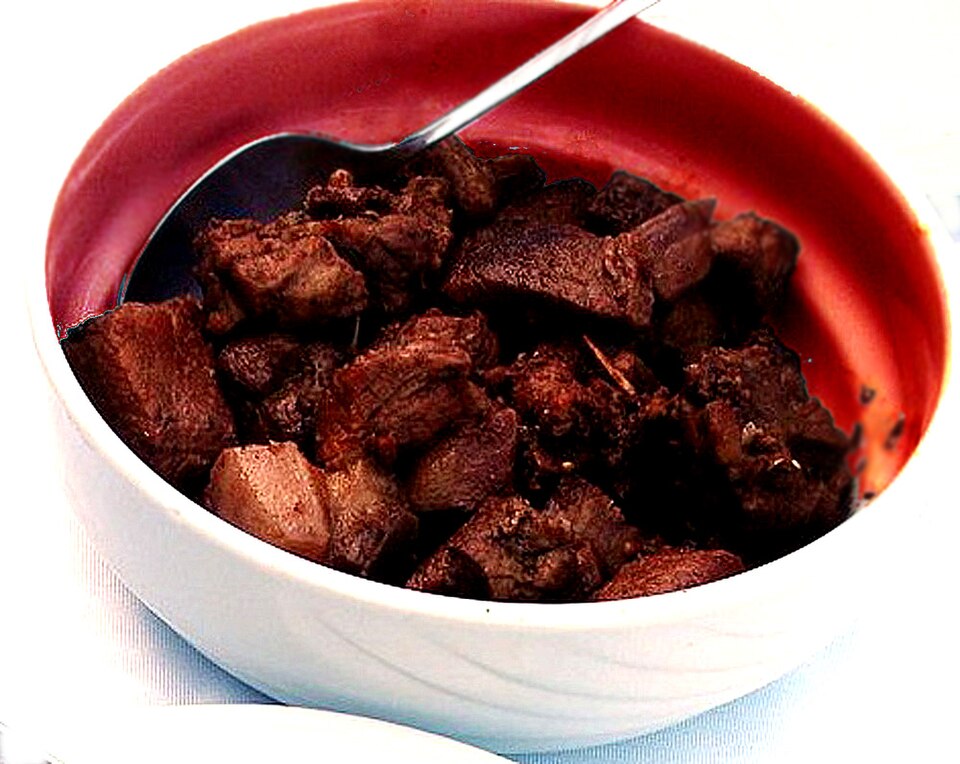
Afelia
 Cypriot · 13 h 45 min · 695 kcal
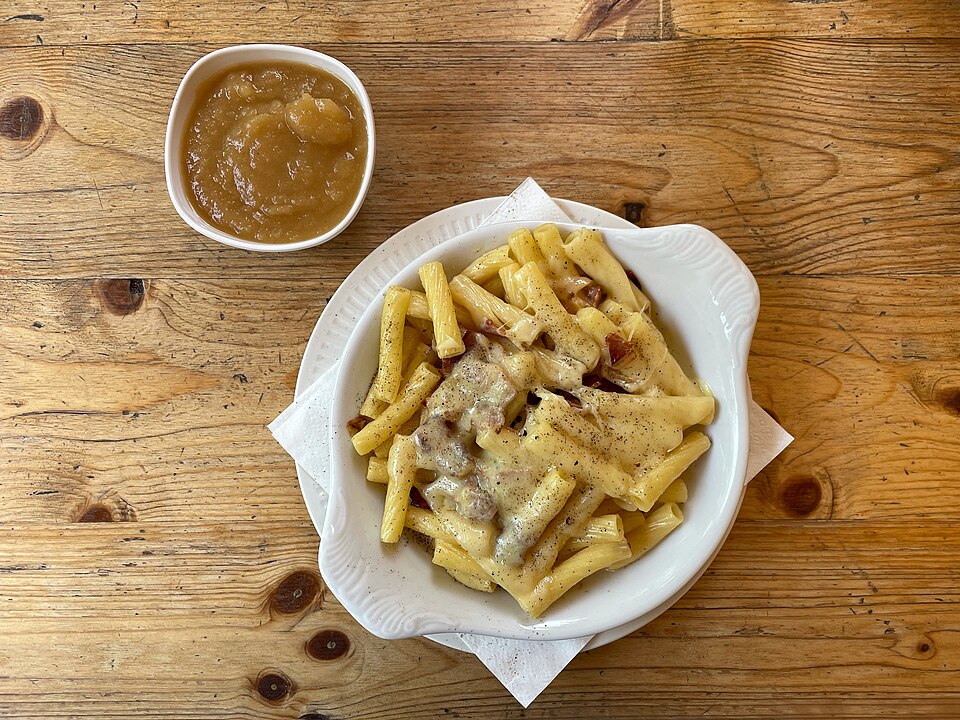
Älplermagronen
 Swiss · 50 min · 752 kcal
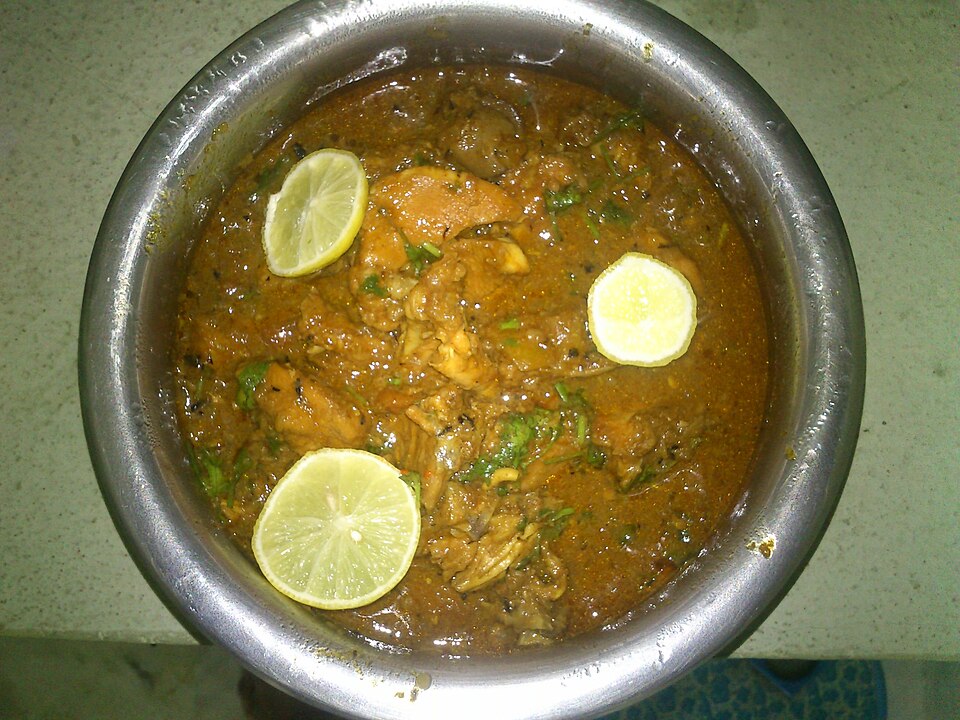
Andhra chicken curry
 South Indian · 1 h · 351 kcal
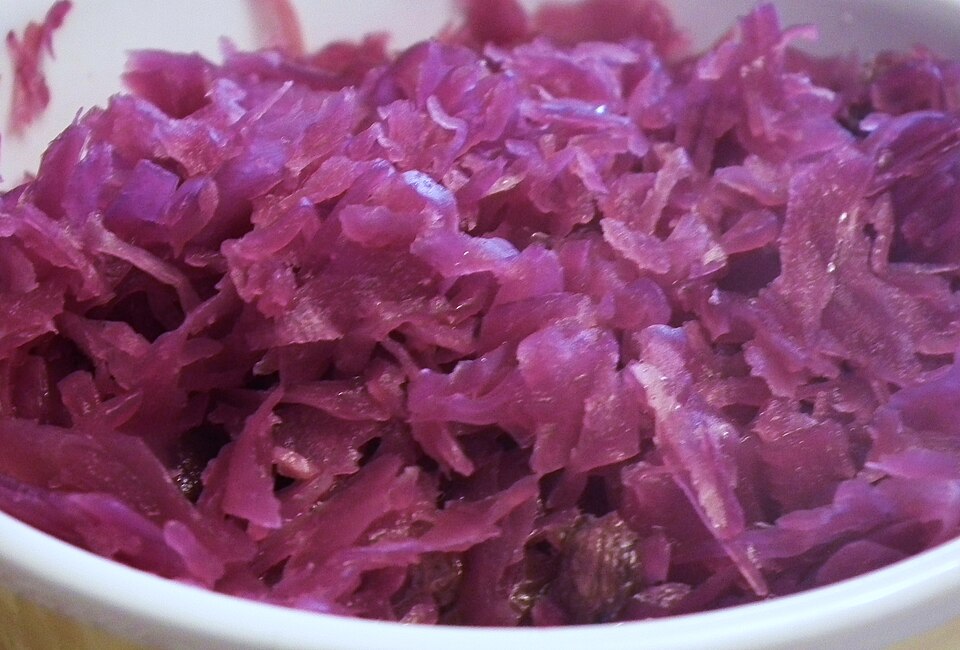
Apfelrotkohl
 German · 1 h 30 min · 145 kcal · Vegetarian
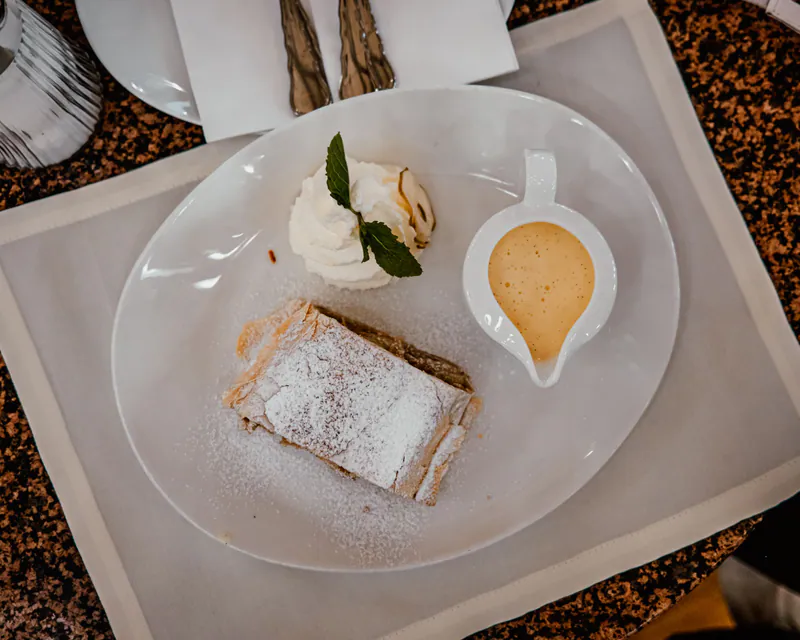
Apfelstrudel
 Austrian · 1 h 20 min · 289 kcal · Vegetarian
Apple and Berry Crumble
 British · 1 h 10 min · 410 kcal · Vegetarian
Apple cinnamon oat breakfast smoothie
International · 10 min · 306 kcal · Vegetarian
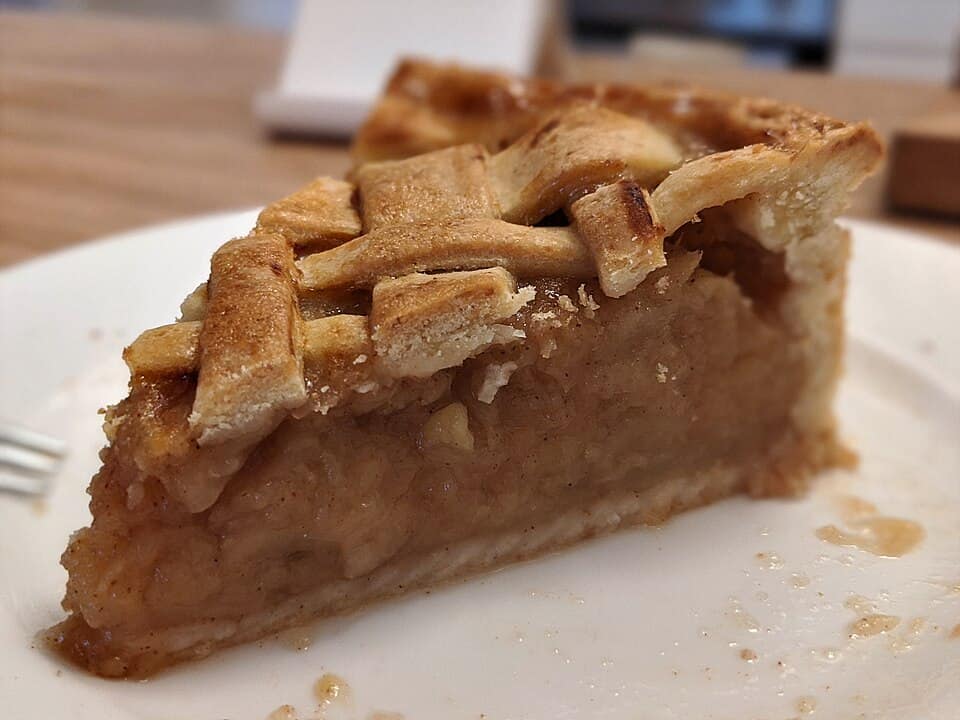
Apple pie
 American · 4 h 45 min · 551 kcal · Contains egg
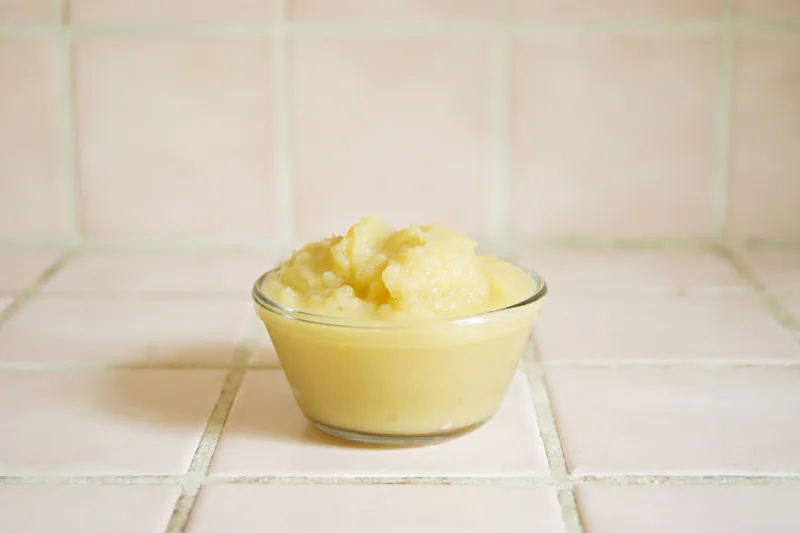
Apple sauce
British · 22 min · 58 kcal · Vegetarian
214 more
- Arroz doce · Portuguese
- Ayam masak merah · Malaysian
- Baharat (Lebanese seven spice) · Lebanese
- Banana bread · American
- Banana milkshake · International
- Bangladeshi beef bhuna · Bangladeshi
- Bara brith (Welsh tea loaf) · British
- Bariis iskukaris · Somali
- Barmbrack · Irish
- Beef kala bhuna · Bangladeshi
- Beef nihari · Pakistani
- Beef rendang · Indonesian
- Beef stifado · Greek
- Beef tehari · Bangladeshi
- Bengali garam masala · Bengali
- Berbere spice blend · Ethiopian
- Berry Chia Pudding · International
- Berry Overnight Oats · International
- Bhuna khichuri · Bangladeshi
- Birria de res · Mexican
- Biryani masala · Indian
- Boko boko · Burundian
- Bunny chow · South African
- Burmese chicken curry · Burmese
- Café de olla · Mexican
- Cantonese soy sauce chicken · Cantonese
- Cape Malay chicken curry · Cape Malay
- Caribbean sorrel drink · Caribbean
- Carnitas · Mexican
- Carrot cake with cream cheese frosting · American
- Champaran meat · Indian
- Champurrado · Mexican
- Chana madra · Indian
- Chettinad chicken curry · South Indian
- Chettinad masala · South Indian
- Chhundo (Gujarati grated mango preserve) · Gujarati
- Chicha morada · Peruvian
- Chicken bastilla · Moroccan
- Chicken biryani · Indian
- Chicken kabsa · Saudi Arabian
- Chicken korma · Indian
- Chicken mandi · Yemeni
- Chicken rezala · Bangladeshi
- Chicken saloona · Gulf Arab
- Chicken shawarma · Levantine
- Chicken yakhni pulao · Pakistani
- Chiles en nogada · Mexican
- Chinese five-spice powder · Chinese
- Chinese tea eggs · Chinese
- Chingri malai curry · Bangladeshi
- Cholar dal · Bengali
- Chole masala · Punjabi
- Chorba frik · Algerian
- Churros con chocolate · Spanish
- Cinnamon rolls with cream cheese frosting · American
- Classic Oat Porridge · International
- Cocada amarela · Angolan
- Conchas (Mexican sweet bread) · Mexican
- Couscous bil bosla · Libyan
- Creamy Stovetop Rice Pudding · International
- Crema catalana · Spanish
- Dal dhokli · Gujarati
- Dhakai kacchi biryani · Bangladeshi
- Duck curry with ash gourd · Indian
- Everyday curry powder (British-style) · British
- Fesenjan · Iranian
- Fish ambul thiyal · Sri Lankan
- Fırın sütlaç · Turkish
- Fried kibbeh · Syrian
- Gabout · Kuwaiti
- Galaktoboureko · Greek
- Ghapama · Armenian
- Goan vindaloo paste · Goan
- Goda masala · Indian
- Greek Yogurt Berry Parfait · International
- Guava duff · Bahamian
- Gujarati dal · Gujarati
- Gulai kambing · Indonesian
- Guyanese pepperpot · Guyanese
- Habichuelas con dulce · Dominican
- Haldi Doodh (Golden Turmeric Milk) · Indian
- Harees · Gulf Arab
- Harira · Moroccan
- Homemade Honey Nut Granola · International
- Homemade tomato ketchup · American
- Honey cinnamon latte · International
- Horchata de arroz · Mexican
- Hot cross buns · British
- Hotteok · Korean
- Hyderabadi marag · Indian
- Iced brown sugar latte · International
- Imbakbaka · Libyan
- Jamaican jerk chicken · Jamaican
- Jamaican jerk paste (wet jerk) · Jamaican
- Kai palo · Thai
- Kanelbullar (Swedish cinnamon buns) · Swedish
- Kari ayam · Malaysian
- Karkanji · Chadian
- Kashmiri kahwa · Indian
- Kashmiri mutton yakhni · Indian
- Keema matar · Indian
- Kenyan beef pilau · Kenyan
- Kerala (Malabar) garam masala · South Indian
- Kerala chicken stew · South Indian
- Kerala plum cake (alcohol-free) · Indian
- Kibbeh bil sanieh · Lebanese
- Kiri hodi · Sri Lankan
- Kleftiko · Cypriot
- Koeksisters · South African
- Kofta bil tahini · Jordanian
- Kolhapuri chicken curry · Indian
- Kolhapuri kanda-lasun masala · Indian
- Korvapuusti (Finnish cinnamon rolls) · Finnish
- Kosha mangsho · Bengali
- Koupepia · Cypriot
- Ladob · Seychellois
- Lamb machboos · Emirati
- Lamb tagine with apricots · Moroccan
- Lamprais · Sri Lankan
- Lemon Ginger Tea · International
- Loukoumades · Greek
- Ma'amoul with dates · Levantine
- Machboos ala dajaj · Kuwaiti
- Machboos rubyan · Bahraini
- Madras curry powder · Indian
- Madrouba · Qatari
- Makhani gravy · Punjabi
- Malvani masala · Indian
- Maqluba · Palestinian
- Mas riha · Maldivian
- Masala chai · Indian
- Massaman curry paste · Thai
- Massaman curry with beef · Thai
- Meggyleves · Hungarian
- Melktert · South African
- Mexican hot chocolate · Mexican
- Mole poblano · Mexican
- Moroccan carrot salad · Moroccan
- Morog polao · Bangladeshi
- Moussaka · Greek
- Mughlai (shahi) garam masala · Indian
- Murgh shorba · Indian
- Musakhan · Palestinian
- Mutabbaq samak · Kuwaiti
- Mutton yakhni shorba · Indian
- Nadru yakhni · Indian
- Nandu rasam · South Indian
- Omani shuwa-style slow-roast lamb · Omani
- Osaman · Gujarati
- Pain perdu · French
- Palmiers · French
- Pandhra rassa · Indian
- Pastéis de nata · Portuguese
- Pastitsio · Greek
- Pav bhaji masala · Indian
- Peanut Butter Banana Oat Smoothie · International
- Peanut Butter Banana Toast · International
- Pepián de pollo · Guatemalan
- Phở bò (beef pho) · Vietnamese
- Phở gà · Vietnamese
- Pork vindaloo · Goan
- Potica (walnut roll) · Slovenian
- Prawn balchão · Goan
- Punjabi garam masala · Punjabi
- Ras el hanout · Moroccan
- Recheado masala (Goan red chilli paste) · Goan
- Rechta · Algerian
- Red-braised pork belly · Chinese
- Reduced-sugar oat cookies · International
- Rellenitos de plátano · Guatemalan
- Rich Hot Chocolate · International
- Rogan josh · Indian
- Roz bel laban (Egyptian rice pudding) · Egyptian
- Rupjmaizes kārtojums · Latvian
- Saenggang-cha · Korean
- Salep · Turkish
- Satsivi · Georgian
- Seeni sambol · Sri Lankan
- Seychellois octopus curry · Seychellois
- Sfeeha · Lebanese
- Shah plov · Azerbaijani
- Shakriyeh · Syrian
- Shami kebab · Pakistani
- Shemai · Bangladeshi
- Sholeh zard · Iranian
- Shorba libiya · Libyan
- Sichuan chilli oil (hong you) · Sichuan
- Sindhi biryani · Pakistani
- Sklandrausis · Latvian
- Skoudehkaris · Djiboutian
- Somali shaah · Somali
- Sop buntut · Indonesian
- Sopa de lima · Mexican
- Sri Lankan beetroot curry · Sri Lankan
- Sri Lankan black pork curry · Sri Lankan
- Sri Lankan chicken curry · Sri Lankan
- Sri Lankan roasted curry powder · Sri Lankan
- Sulaimani chai · Indian
- Sup kambing · Malaysian
- Suqaar · Somali
- Swedish gingerbread biscuits (pepparkakor) · Swedish
- Taiwanese beef noodle soup · Taiwanese
- Tamatar shorba · Indian
- Tandoori masala · Punjabi
- Tarta de Santiago · Spanish
- Tashreeb · Iraqi
- Tembleque · Puerto Rican
- Thareed · Emirati
- Tourtière · Canadian
- Tres leches cake · Costa Rican
- Vegetable pulao · Indian
- Watalappan · Sri Lankan
- Xacuti masala · Goan
- Yakgwa (Korean honey cookies) · Korean
Showing 9 of 223 recipes.
More from Nature's Pantry
- Ajwain (carom seeds)Evidence level: Traditional use only
- Apple cider vinegarEvidence level: Limited or early evidence
- Black pepperEvidence level: Limited or early evidence
- ChamomileEvidence level: Limited or early evidence
- ChilliEvidence level: Limited or early evidence
- Citrus fruitEvidence level: Evidence against