
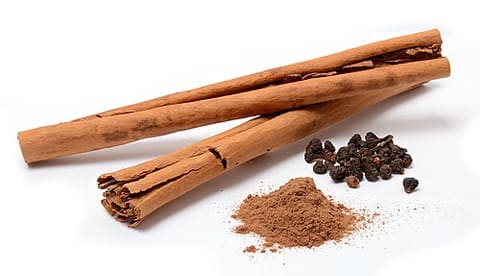
Bark and pods
Cinnamon stick
Cinnamomum verum / C. cassia
Rolled quill of dried cinnamon bark, infused whole in hot fat, rice, curries and drinks, then removed.
Also called: cinnamon quill, cassia bark, whole cinnamon
- Warm & sweet
- No heat
Photo: Simon A. Eugster, via Wikimedia Commons (CC-BY-SA-3.0)
Flavour and aroma
sweet, warm, woody.
- Heat
- No heat
- Forms
- whole, ground
How to use it
bloom in fat · Tadka (tempering) technique
Fry a 2–5 cm piece in hot ghee or oil for 20–30 seconds, until it unfurls slightly and smells sweet, before adding onions or rice.
dry roast · Spice roasting (dry-roasting) technique
Break into pieces and roast with other whole spices over low heat for 1–2 minutes before grinding garam masala.
- Fried with cloves and cardamom in ghee for pulao and biryani
- Simmered in curries, tagines and stews
- Chai, mulled wine and syrups
- Poaching fruit and rice pudding
Identifying good quality
True cinnamon: thin, papery, tan, many layers rolled into a fragile quill that crumbles. Cassia: a single thick, hard, reddish-brown curl with a stronger, more pungent flavour.
- Not to be confused with Bay leaves: Indian bay leaf (tej patta) comes from a related tree and smells faintly of cinnamon.
Origin and history
Origin: True cinnamon (Cinnamomum verum) is native to Sri Lanka; cassia (C. cassia) to southern China.. Grown and used: Sri Lanka grows most true cinnamon; cassia comes from China, Indonesia and Vietnam. Much 'dalchini' sold in India is cassia..
Sri Lankan cinnamon was traded for centuries and its trade was controlled in turn by the Portuguese, the Dutch and the British. In South Asia the bark is a base of garam masala and is fried whole in ghee for pulao, biryani and meat curries.
Well documented
In masalas, pastes and sauces
- Punjabi garam masalaMasala8 g per batch
- Mughlai (shahi) garam masalaMasala10 g per batch
- Kerala (Malabar) garam masalaMasala10 g per batch
- Bengali garam masalaMasala8 g per batch
- Biryani masalaMasala8 g per batch
- Tandoori masalaMasala3 g per batch
- Chole masalaMasala3 g per batch
- Pav bhaji masalaMasala4 g per batch
- Chettinad masalaMasala4 g per batch
- Madras curry powderMasala2 g per batch
- Goda masalaMasala5 g per batch
- Kolhapuri kanda-lasun masalaMasala4 g per batch
- Malvani masalaMasala4 g per batch
- Goan vindaloo pasteMasala3 g per batch
- Xacuti masalaMasala2 g per batch
- Makhani gravyMasala2 g per batch
- Everyday curry powder (British-style)Masala3 g per batch
- Sri Lankan roasted curry powderMasala4 g per batch
- Massaman curry pasteMasala1 g per batch
- Baharat (Lebanese seven spice)Masala6 g per batch
- Chinese five-spice powderMasala6 g per batch
- Chhundo (Gujarati grated mango preserve)Sauce3 g per batch
- Recheado masala (Goan red chilli paste)Sauce3 g per batch
- Sichuan chilli oil (hong you)Sauce3 g per batch
Recipes with cinnamon stick
Caribbean sorrel drink
Caribbean · 12 h 20 min · 94 kcal · Vegan
Chhundo (Gujarati grated mango preserve)
 Gujarati · 1 h 45 min · 53 kcal · Vegan
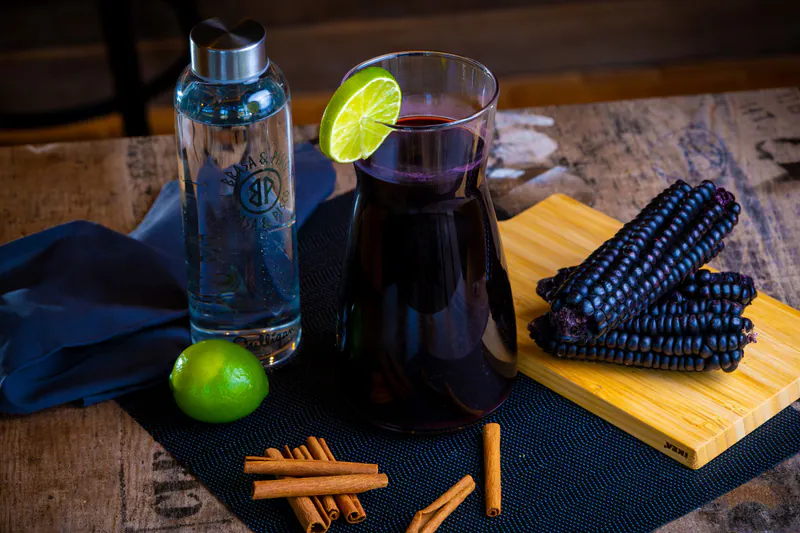
Chicha morada
 Peruvian · 3 h · 82 kcal · Vegan
Kashmiri kahwa
Indian · 13 min · 43 kcal · VeganMexican hot chocolate
 Mexican · 13 min · 253 kcal · Vegetarian
Recheado masala (Goan red chilli paste)
Goan · 45 min · 27 kcal · VeganSichuan chilli oil (hong you)
 Sichuan · 12 h 25 min · 132 kcal · Vegan
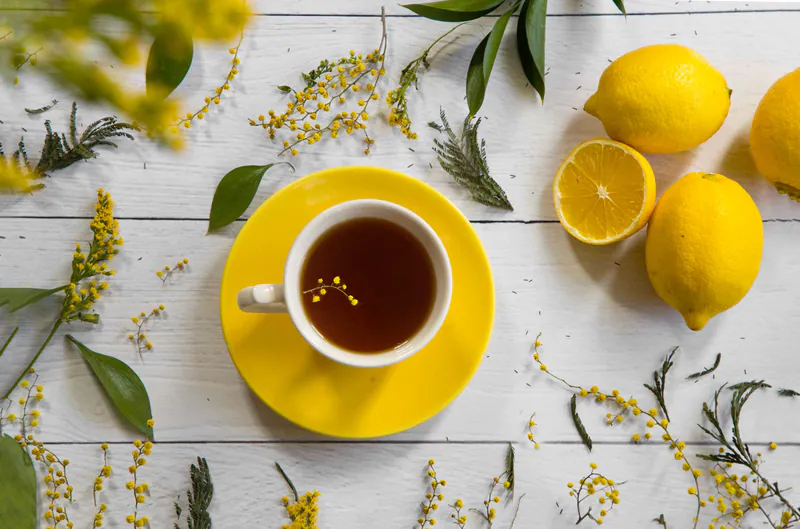
Sulaimani chai
Indian · 9 min · 22 kcal · Vegan