
Roots and rhizomes
Turmeric
Curcuma longa
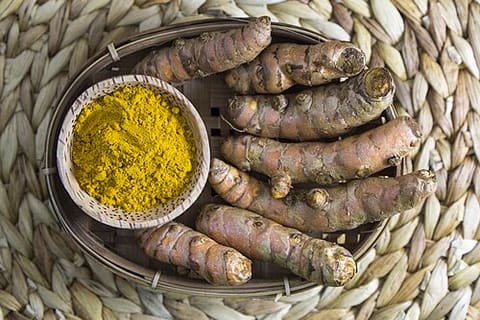
Bright yellow-orange ground root with an earthy, slightly bitter taste; colours and grounds curries and dals.
Also called: haldi, zerdeçal, cúrcuma, kunyit, ground turmeric
- Earthy
- Warm & sweet
- No heat
Photo: Herusutimbul, via Wikimedia Commons (CC-BY-SA-4.0)
Flavour and aroma
earthy, bitter, musky, slightly peppery. Earthy, warm, slightly bitter.
- Heat
- No heat
- Forms
- ground, fresh
How to use it
bloom in fat · Tadka (tempering) technique
Add to the hot oil for 5–10 seconds after the onions or the tempering, then add something wet. Raw, it tastes chalky and bitter; scorched, it turns acrid.
use raw
Rub with salt onto fish or vegetables before frying.
- Dals, sabzis and curries
- Marinades for fish and chicken
- Yellow rice and pilafs
- Pickles
- Southeast Asian curry pastes and Persian stews
Identifying good quality
Bright yellow-orange powder; the dried root is hard, ridged and yellow-brown outside. Good powder is vivid and fragrant. Very bright, unnatural colour can mean added dye.
Origin and history
Origin: South and South-East Asia, most likely India.. Grown and used: India grows about three-quarters of the world's turmeric (Telangana, Maharashtra, Tamil Nadu, Andhra Pradesh, Meghalaya); also Bangladesh, Myanmar, Indonesia..
Turmeric has been used in India for thousands of years as a spice, a dye and in ritual. It goes into almost every Indian dal and curry, mainly for colour and an earthy base note. Named types include Alleppey, Erode and the high-curcumin Lakadong of Meghalaya.
Well documented
In masalas, pastes and sauces
- Tandoori masalaMasala2 g per batch
- Pav bhaji masalaMasala2 g per batch
- Sambar powderMasala4 g per batch
- Rasam powderMasala2 g per batch
- Madras curry powderMasala12 g per batch
- Malvani masalaMasala4 g per batch
- Goan vindaloo pasteMasala2 g per batch
- Xacuti masalaMasala2 g per batch
- Onion-tomato masala baseMasala4 g per batch
- Everyday curry powder (British-style)Masala15 g per batch
- Thai yellow curry pasteMasala3 g per batch
- Rempah for rendangMasala3 g per batch
- Ras el hanoutMasala6 g per batch
- Kashk-e bademjanSauce2.4 g per batch
- Kiri hodiSauce1.6 g per batch
- Aam ki launji (sweet-sour raw mango chutney)Sauce1.6 g per batch
- Punjabi mango pickle (aam ka achaar)Sauce6.3 g per batch
- Salt-cured lime pickle (nimbu ka achaar)Sauce3.2 g per batch
- Chhundo (Gujarati grated mango preserve)Sauce1.6 g per batch
- Recheado masala (Goan red chilli paste)Sauce1.6 g per batch
- Kasundi (Bengali mustard sauce)Sauce3.2 g per batch
- Bengali tomato-date chutney (tomato khejur chutney)Sauce0.8 g per batch
- Inji puli (Kerala ginger-tamarind relish)Sauce0.8 g per batch
- Andhra tomato pachadiSauce0.5 g per batch
- Beerakaya pachadi (ridge gourd chutney)Sauce0.3 g per batch
- Tomato thokkuSauce1 g per batch
- Avakaya (Andhra mango pickle)Sauce3 g per batch
- Kancha aamer chutney (Bengali green mango chutney)Sauce0.5 g per batch
- Tomato khajuri khatta (Odia tomato-date chutney)Sauce0.5 g per batch
- Dalle khursani achar (Sikkimese round chilli pickle)Sauce1 g per batch
- Pahadi kheere ka raita (Kumaoni mustard-cucumber raita)Sauce1 g per batch
- Amba (Iraqi mango pickle sauce)Sauce4 g per batch
- Wholegrain mustardSauce0.5 g per batch
- PiccalilliSauce10 g per batch
Recipes with turmeric
Aam ki launji (sweet-sour raw mango chutney)
 Indian · 40 min · 85 kcal · Vegan
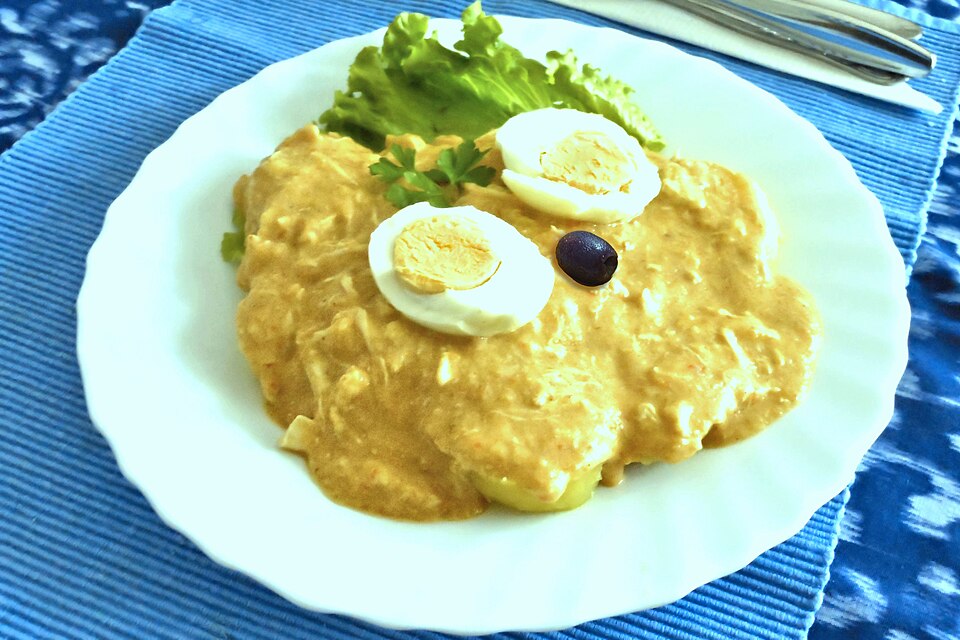
Ají de gallina
 Peruvian · 1 h 5 min · 553 kcal
Akoho sy voanio
 Malagasy · 1 h 5 min · 714 kcal
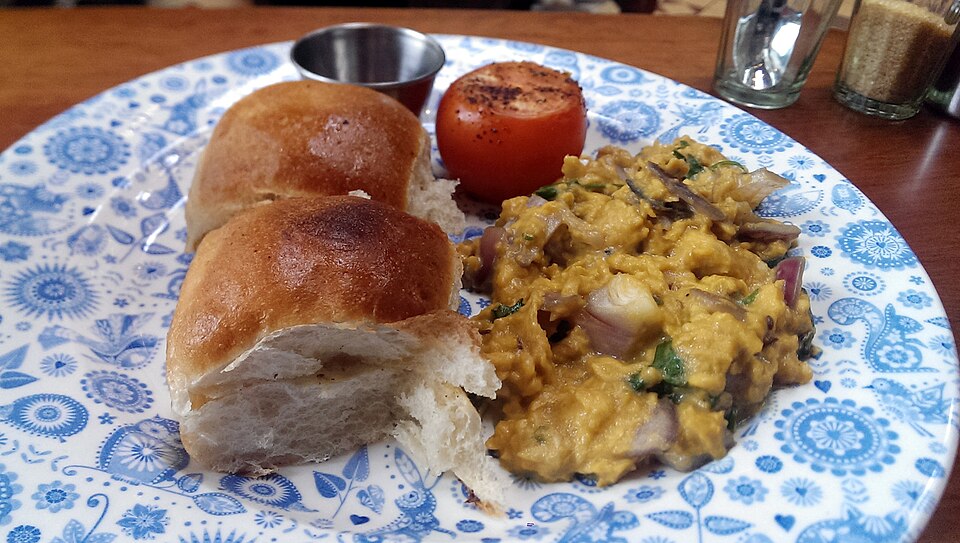
Akuri (Parsi scrambled eggs)
Indian · 22 min · 248 kcal · Contains egg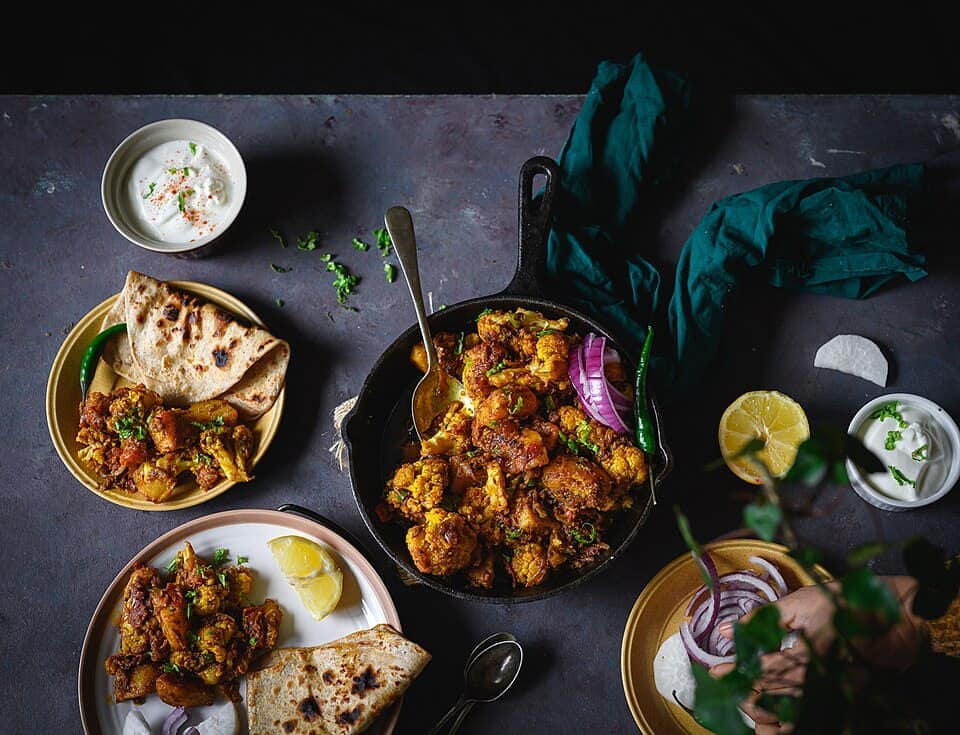
Aloo gobi
Punjabi · 45 min · 238 kcal · VeganAloo gosht
 Pakistani · 2 h · 430 kcal
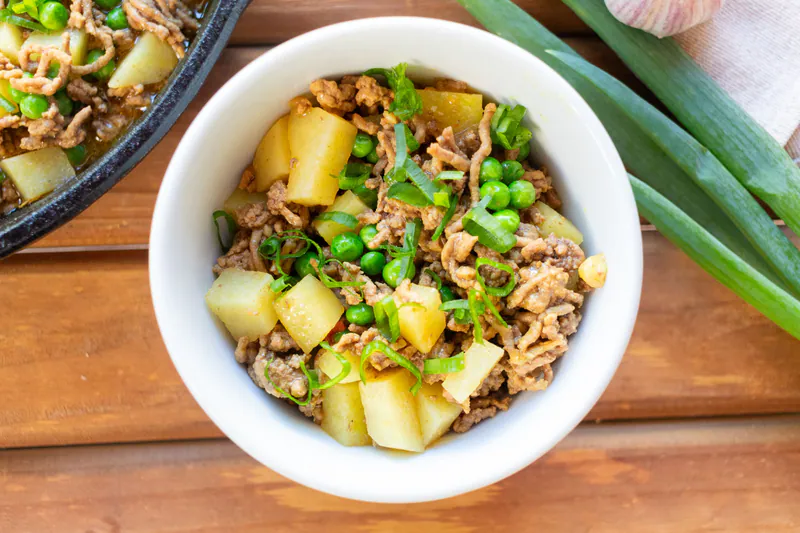
Aloo keema
Pakistani · 1 h · 495 kcal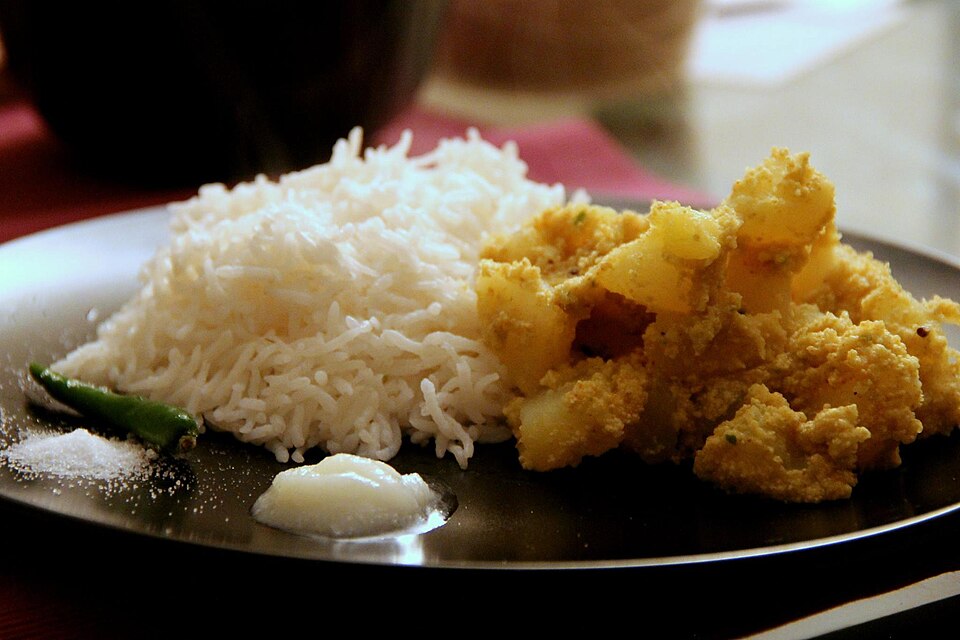
Aloo posto
Bengali · 1 h 5 min · 281 kcal · Vegan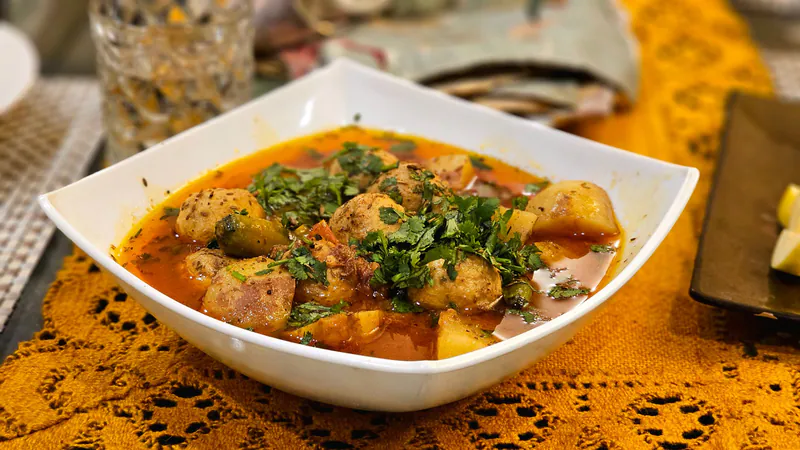
Aloo rasedar
Indian · 35 min · 242 kcal · Vegan
232 more
- Aloo sadeko · Nepalese
- Aloo tama · Nepalese
- Amba (Iraqi mango pickle sauce) · Iraqi
- Anda bhurji (Indian spiced scrambled eggs) · Indian
- Anda curry · Indian
- Andhra chicken curry · South Indian
- Andhra tomato pachadi · South Indian
- Arroz caldo · Filipino
- Ash reshteh · Iranian
- Atkilt wat · Ethiopian
- Avakaya (Andhra mango pickle) · South Indian
- Avial · South Indian
- Ayam bakar · Indonesian
- Ayam goreng kuning · Indonesian
- Ayam masak merah · Malaysian
- Bagara baingan · Indian
- Baingan bharta · Punjabi
- Bangladeshi beef bhuna · Bangladeshi
- Bánh xèo · Vietnamese
- Bara · Nepalese
- Bariis iskukaris · Somali
- Bassaru · South Indian
- Bazeen · Libyan
- Beef kala bhuna · Bangladeshi
- Beef nihari · Pakistani
- Beef rendang · Indonesian
- Beerakaya pachadi (ridge gourd chutney) · South Indian
- Begun bhaja · Bangladeshi
- Bengali tomato-date chutney (tomato khejur chutney) · Bengali
- Bharli vangi · Indian
- Bhindi masala · Indian
- Bhuna khichuri · Bangladeshi
- Bobotie · Cape Malay
- Boiled peanut chaat · Indian
- Borani banjan · Afghan
- Bunny chow · South African
- Burmese chicken curry · Burmese
- Burmese pork curry · Burmese
- Cabbage-carrot sambharo · Gujarati
- Cape Malay chicken curry · Cape Malay
- Carrot and ginger soup · International
- Champaran meat · Indian
- Chana madra · Indian
- Chana masala · Punjabi
- Chana samosa (Chhattisgarh street-style) · Indian
- Chatamari · Nepalese
- Chettinad chicken curry · South Indian
- Chhundo (Gujarati grated mango preserve) · Gujarati
- Chicken balti · British
- Chicken bastilla · Moroccan
- Chicken biryani · Indian
- Chicken kabsa · Saudi Arabian
- Chicken keema paratha · Indian
- Chicken mandi · Yemeni
- Chicken momo · Nepalese
- Chicken saloona · Gulf Arab
- Chicken shawarma · Levantine
- Chicken thukpa · Nepalese
- Chicken tikka masala · Indian
- Chingri bhuna · Bangladeshi
- Chingri malai curry · Bangladeshi
- Cholar dal · Bengali
- Coorg pandi curry · South Indian
- Couscous bil bosla · Libyan
- Couscous with seven vegetables · Moroccan
- Curry laksa · Malaysian
- Daal chawal · Pakistani
- Dal bhat tarkari · Nepalese
- Dal dhokli · Gujarati
- Dal paratha · Indian
- Dal shorba · Indian
- Dal tadka with red lentils · Indian
- Dalle khursani achar (Sikkimese round chilli pickle) · Indian
- Dalma · Indian
- Dhakai kacchi biryani · Bangladeshi
- Dholl puri · Mauritian
- Dohneiiong · Indian
- Doubles · Trinidadian
- Duck curry with ash gourd · Indian
- Erissery · South Indian
- Fahsa · Yemeni
- Fesenjan · Iranian
- Fish ambul thiyal · Sri Lankan
- Fish amok · Cambodian
- Fish molee · South Indian
- Gabout · Kuwaiti
- Gai yang (Thai grilled chicken) · Thai
- Gajar koshimbir · Indian
- Gatte ki sabzi · Indian
- Ghormeh sabzi · Iranian
- Ghugni (Jharkhand-style) · Indian
- Goan fish curry · Goan
- Goan prawn curry · Goan
- Gujarati dal · Gujarati
- Gulai kambing · Indonesian
- Haldi Doodh (Golden Turmeric Milk) · Indian
- Haleem · Pakistani
- Harira · Moroccan
- Haryanvi kadhi · Indian
- Hyderabadi dalcha · Indian
- Imbakbaka · Libyan
- Inji puli (Kerala ginger-tamarind relish) · South Indian
- Jamaican beef patties · Jamaican
- Jeera aloo · Indian
- Jeera rasam · South Indian
- Kadai paneer · Punjabi
- Kadala curry · South Indian
- Kadhi pakora · Punjabi
- Kafuli · Indian
- Kancha aamer chutney (Bengali green mango chutney) · Bengali
- Kanda poha · Indian
- Kara kuzhambu · South Indian
- Kashk-e bademjan · Iranian
- Kasundi (Bengali mustard sauce) · Bengali
- Kedgeree · British
- Keema matar · Indian
- Kerala egg roast · South Indian
- Khaman dhokla · Gujarati
- Khao soi gai · Thai
- Kiri hodi · Sri Lankan
- Kismur · Goan
- Kolhapuri chicken curry · Indian
- Kori gassi · South Indian
- Kosha mangsho · Bengali
- Kubbat halab · Iraqi
- Kukhura ko masu · Nepalese
- Kuku sabzi · Iranian
- Kwati · Nepalese
- Laal maas · Indian
- Lahori fish fry · Pakistani
- Lakshadweep-style tuna curry · South Indian
- Lamb machboos · Emirati
- Lamb tagine with apricots · Moroccan
- Lemon rasam · South Indian
- Lemon rice · South Indian
- Machboos ala dajaj · Kuwaiti
- Machboos rubyan · Bahraini
- Macher jhol · Bengali
- Machha besara · Indian
- Madrouba · Qatari
- Maharagwe (coconut bean stew) · Kenyan
- Malvani fish curry · Indian
- Mansaf · Jordanian
- Maqluba · Palestinian
- Margoog · Qatari
- Mas riha · Maldivian
- Masala dosa · South Indian
- Masala omelette · Indian
- Masgouf-style grilled carp · Iraqi
- Mashuai · Omani
- Masor tenga · Indian
- Matar paneer · Punjabi
- Mchuzi wa samaki · Tanzanian
- Methi paratha · Punjabi
- Methi thepla · Gujarati
- Milagu rasam · South Indian
- Mirchi ka salan · Indian
- Misal pav · Indian
- Missi roti · Punjabi
- Mohinga · Burmese
- Moong dal khichdi · Indian
- Moroccan chicken tagine with olives and lemon · Moroccan
- Murgh shorba · Indian
- Mutabbaq samak · Kuwaiti
- Mysore rasam · South Indian
- Nandu rasam · South Indian
- Nasi katok · Bruneian
- Ndizi nyama · Tanzanian
- Nom banh chok · Cambodian
- Ohn no khao swe · Burmese
- Omani shuwa-style slow-roast lamb · Omani
- Osaman · Gujarati
- Pahadi kheere ka raita (Kumaoni mustard-cucumber raita) · Indian
- Pandhra rassa · Indian
- Paneer tikka · Punjabi
- Papaya sambharo · Gujarati
- Pappu charu · South Indian
- Parippu · Sri Lankan
- Pav bhaji · Indian
- Penang assam laksa · Malaysian
- Piccalilli · British
- Pineapple rasam · South Indian
- Poondu rasam · South Indian
- Pork vindaloo · Goan
- Prawn balchão · Goan
- Pulihora (Andhra tamarind rice) · South Indian
- Punjabi dum aloo · Punjabi
- Punjabi mango pickle (aam ka achaar) · Punjabi
- Puran poli · Indian
- Qidreh · Palestinian
- Rajma · Punjabi
- Recheado masala (Goan red chilli paste) · Goan
- Salt-cured lime pickle (nimbu ka achaar) · Indian
- Saltah · Yemeni
- Sambar · South Indian
- Sate ayam (chicken satay) · Indonesian
- Satsivi · Georgian
- Sayur lodeh · Indonesian
- Seychellois octopus curry · Seychellois
- Sfouf · Lebanese
- Shan noodles · Burmese
- Shan tofu salad · Burmese
- Shorba libiya · Libyan
- Shorbet ads (Egyptian lentil soup) · Egyptian
- Shorshe maach · Bangladeshi
- Shorwa · Afghan
- Sindhi biryani · Pakistani
- Skyu · Indian
- Soto ayam · Indonesian
- Soya chunk and chickpea curry · Indian
- Soya paratha · Indian
- Sri Lankan beetroot curry · Sri Lankan
- Sri Lankan chicken curry · Sri Lankan
- Sup kambing · Malaysian
- Suqaar · Somali
- Tambda rassa · Indian
- Tandoori chicken · Punjabi
- Tashreeb · Iraqi
- Thai yellow chicken curry · Thai
- Thalipeeth · Indian
- Thareed · Emirati
- Tikil gomen · Ethiopian
- Tofu and chickpea saag · Indian
- Tomato khajuri khatta (Odia tomato-date chutney) · Indian
- Tomato rasam · South Indian
- Tomato thokku · South Indian
- Vada pav · Indian
- Vori vori · Paraguayan
- Wholegrain mustard · French
- Xaak bhaji (Assamese stir-fried greens) · Indian
- Zarb-style roast lamb and chicken · Jordanian
- Zereshk polo ba morgh · Iranian