
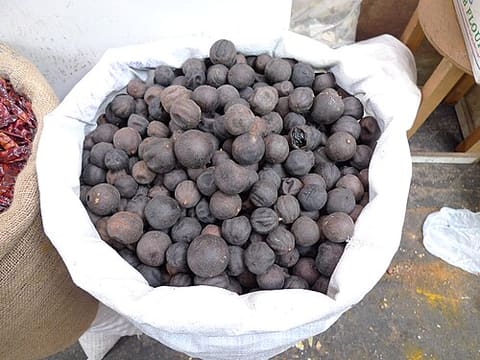
Whole spices
Dried lime (loomi)
Whole limes dried until hard and dark, adding a deep, sour, musky flavour to Gulf and Persian stews.
Also called: loomi, black lime, omani lime, noomi basra, limoo amani
Around the world: loomi, noomi basra (ar) · limoo amani (fa)
- Citrus & bright
- Fruity & sour
- Smoky & roasted
- No heat
Photo: Theinfo, via Wikimedia Commons (CC-BY-3.0)
Flavour and aroma
sour, musky, fermented, slightly bitter. Sour, earthy, musky, slightly bitter.
- Heat
- No heat
- Forms
- whole, ground
How to use it
crush · Dry grinding technique
Pierce each lime 2–3 times with a knife tip, or crack it lightly, so the cooking liquid can enter. Add whole to stews such as ghormeh sabzi or machboos for the last 30–60 minutes.
grind · Dry grinding technique
For powder, crack open, remove the seeds (they are bitter) and grind the shell; add to rice, rubs and soups a little at a time.
soak
Soak 10 minutes in hot water before adding to a stew to soften and reduce bitterness.
- Persian ghormeh sabzi and gheimeh
- Gulf machboos and kabsa rice
- Iraqi stews and soups
- Ground into spice rubs and tea
Identifying good quality
Hollow, very light, hard limes, 2–4 cm across, ranging from tan to completely black. Black ones are more intense and earthy; tan ones are brighter. They should smell sharp and citrusy, not mouldy.
Origin and history
Origin: Developed in the Persian Gulf region (notably Oman) from small sour limes.. Grown and used: Used in Iran, Iraq, Kuwait, Oman, Saudi Arabia, Bahrain and the UAE; available in Middle Eastern shops worldwide..
Dried limes are a long-established ingredient of Gulf Arab, Iraqi and Persian cooking, adding sourness and a fermented, musky depth to stews and rice dishes. The Iraqi name noomi Basra refers to the port of Basra, through which limes from Oman were traded.
Commonly told; not firmly documented
Recipes with dried lime (loomi)
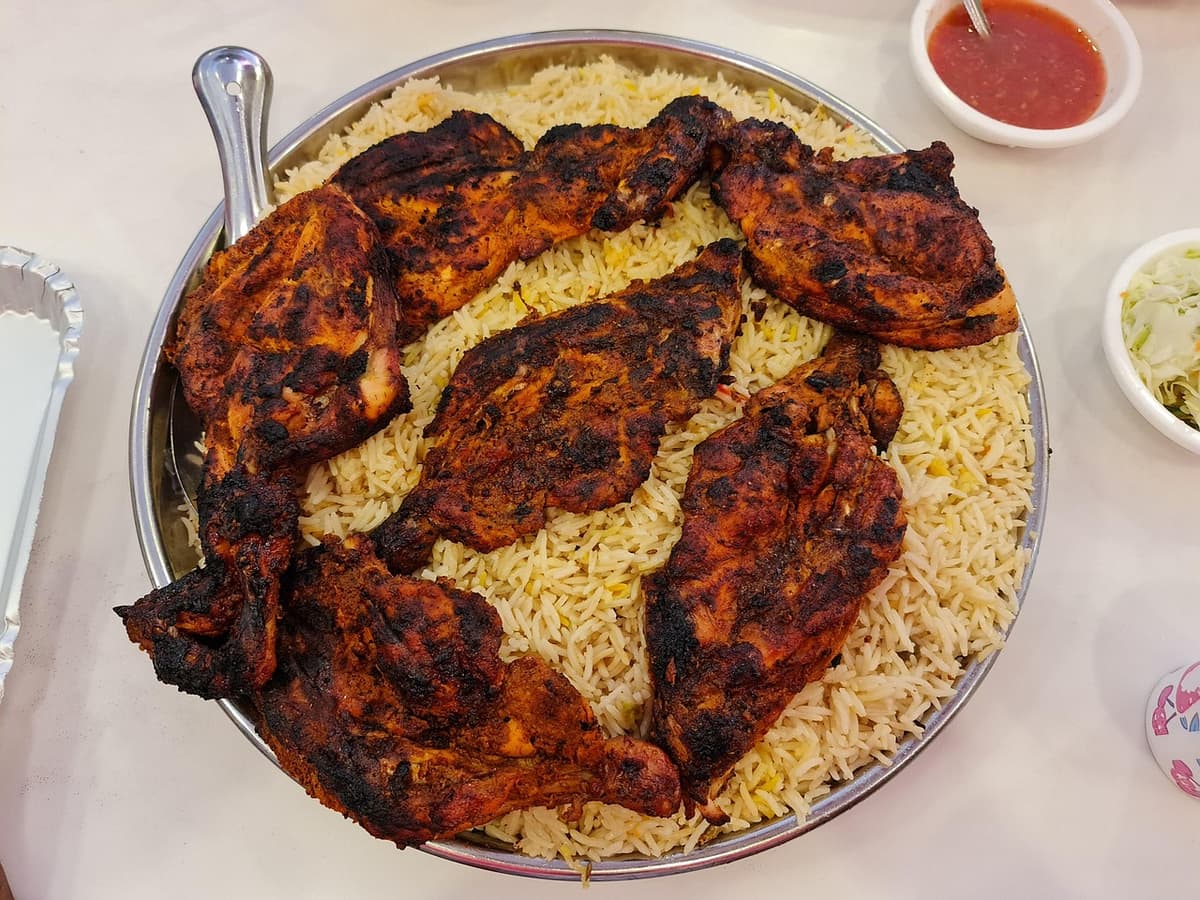
Chicken mandi
 Yemeni · 3 h 45 min · 866 kcal
Chicken saloona
Gulf Arab · 1 h 15 min · 650 kcal
Gabout
 Kuwaiti · 1 h 30 min · 579 kcal
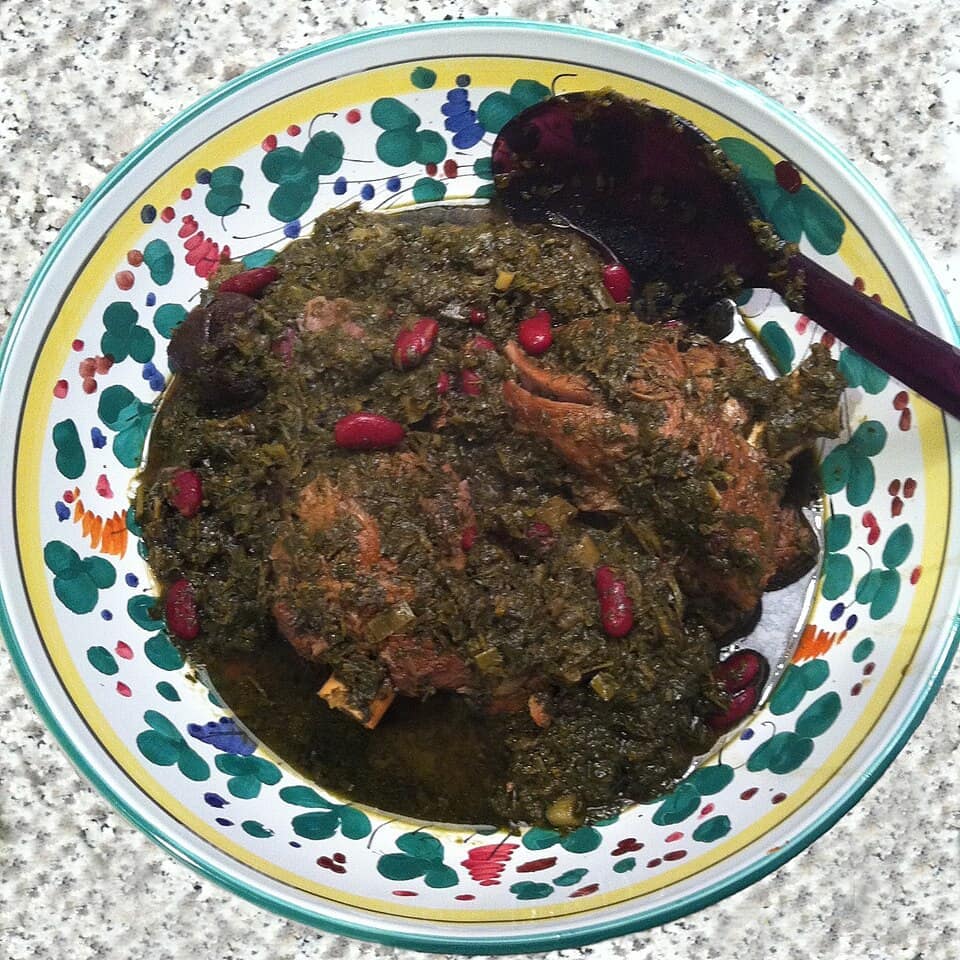
Ghormeh sabzi
 Iranian · 3 h 30 min · 457 kcal
Jareesh
 Saudi Arabian · 4 h · 553 kcal
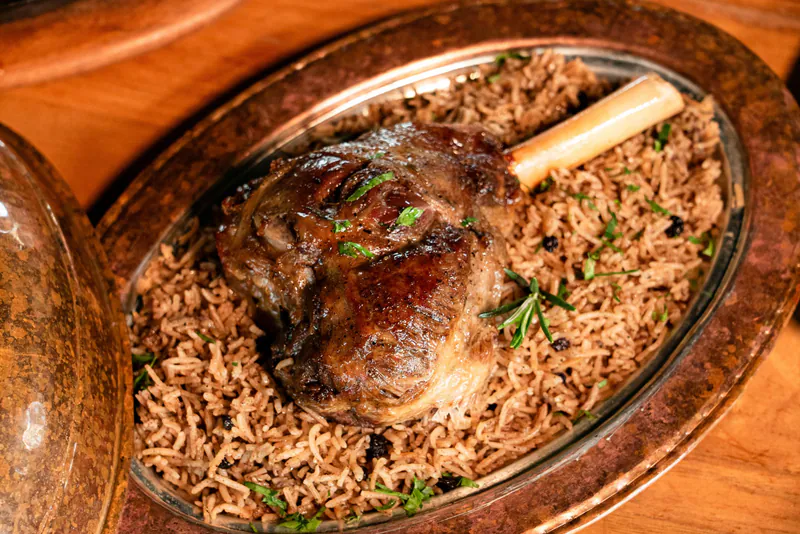
Lamb machboos
 Emirati · 2 h 35 min · 760 kcal
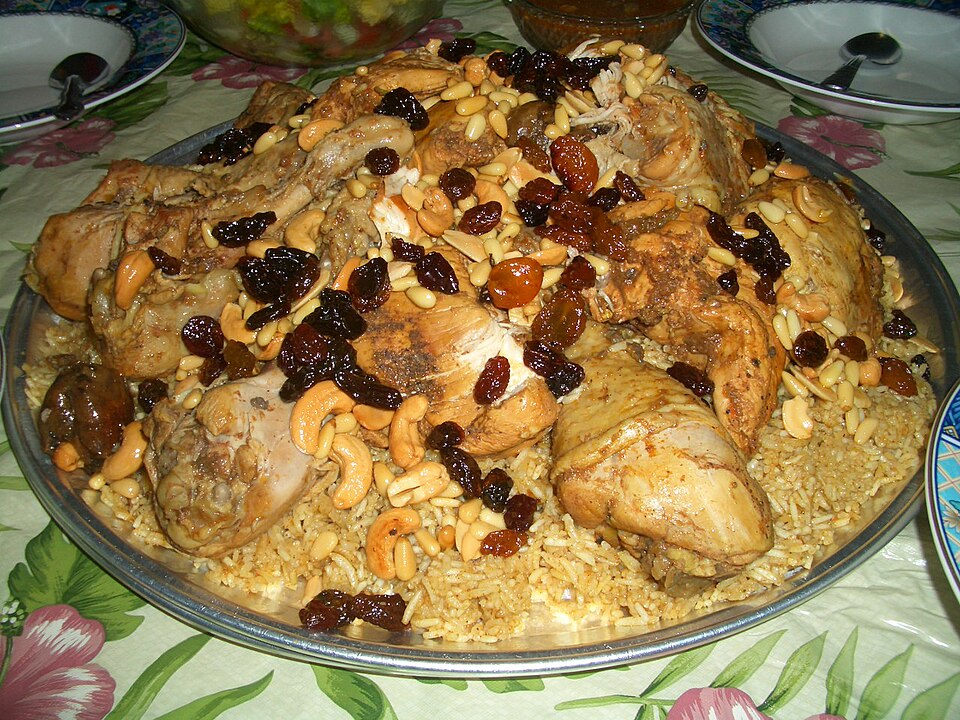
Machboos ala dajaj
Kuwaiti · 1 h 40 min · 724 kcalMachboos rubyan
 Bahraini · 1 h 10 min · 637 kcal
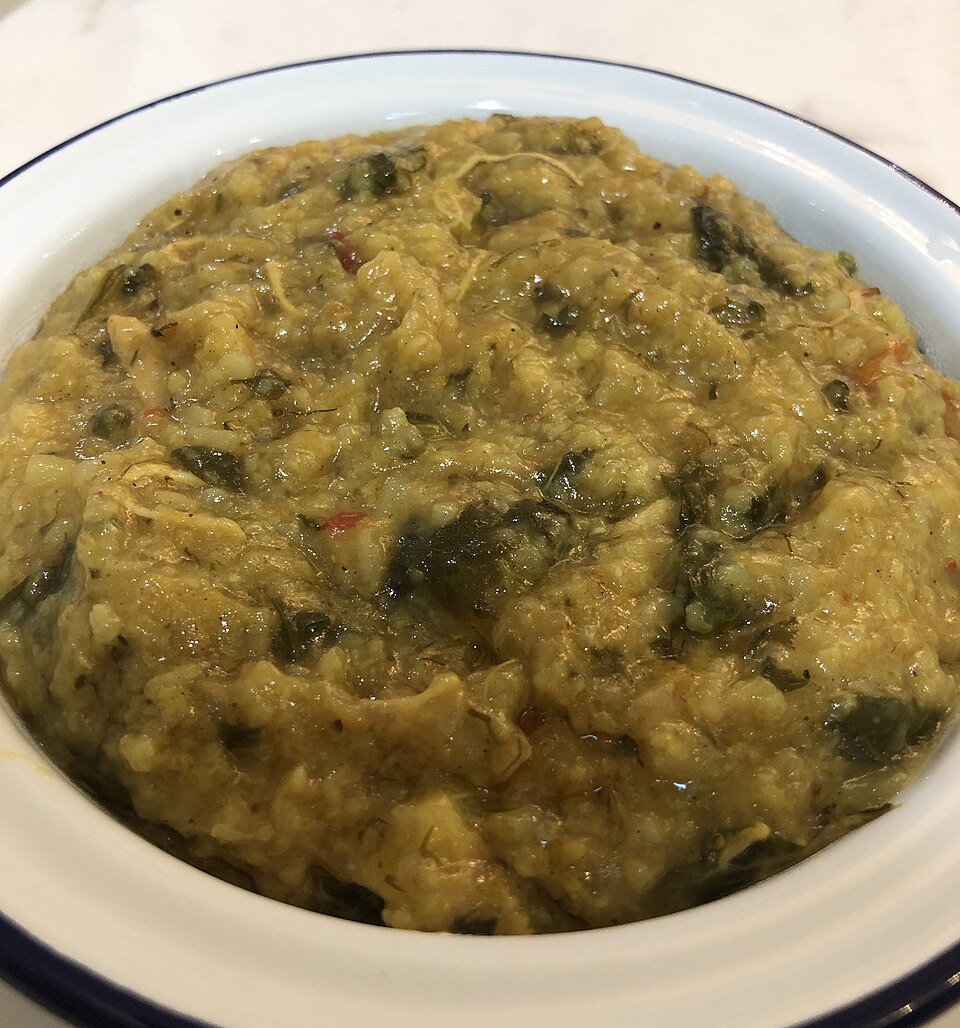
Madrouba
 Qatari · 1 h 50 min · 604 kcal
4 more
- Margoog · Qatari
- Mutabbaq samak · Kuwaiti
- Tashreeb · Iraqi
- Thareed · Emirati