
Fish & seafood · Fish
Fish
Finfish from sea and fresh water, from mild flaky white fish to rich oily fish and preserved forms.
Around the world: balık (tr) · machli (hi) · pescado (es) · poisson (fr) · sakana, 魚 (ja)
What it is
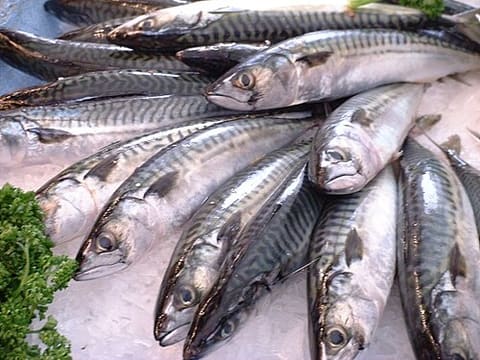
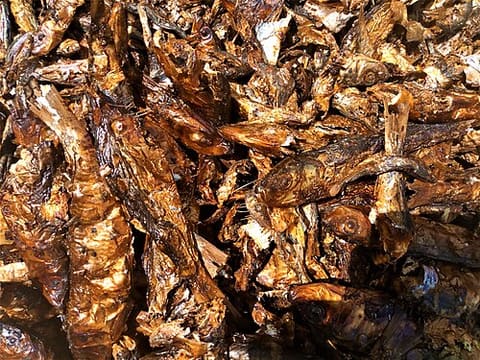
Fish fall into two broad cooking groups. White fish (cod, haddock, hake, sea bass, tilapia) store fat in the liver, so their flesh is lean, mild and flaky. Oily fish (salmon, mackerel, sardines, tuna, trout) carry fat through the flesh, giving richer flavour and darker colour. Fish are also sold salted, smoked, dried, fermented and canned.
How it’s used
- Pan-fried, grilled, baked or steamed fillets
- Curries, stews and soups
- Battered and fried
- Raw as sushi, sashimi and ceviche (sushi-grade only)
- Preserved fish as seasoning
Characteristics
- Taste
- From mild and sweet to rich and pronounced.
- When cooked
- Cooks quickly; flesh turns from translucent to opaque and flakes when done. Overcooking makes it dry and firm.
- Sold as
- fresh, frozen, canned, smoked, dried, cured, fermented
- Cooking uses
- Commonly cooked, Suitable for frying, Suitable for grilling, Suitable for boiling
- Common in
- Japanese, Portuguese, Spanish, South Indian, Bengali, Thai, Scandinavian, West African
Kinds in our pantry
Storage
Refrigerated. Keep fresh fish in the coldest part of the fridge, ideally over ice, and cook within a day or two. Frozen fish can be cooked from frozen or thawed in the fridge.
Diet, allergens and safety
Contains Fish.
- Vegetarian
- Vegan
- Dairy-free
- Egg-free
- Gluten-free
- Nut-free
- Soy-free
- Caffeine-free
- Contains fish, a common allergen.
- Keep fish very cold (on ice or in the coldest part of the fridge) and cook within a day or two of buying; a strong ammonia or sour smell means it has spoiled. Cook to 63 °C (145 °F), when the flesh turns opaque and flakes.
- Fish for raw dishes should be sold as suitable for raw consumption (usually previously frozen to kill parasites).
Related ingredients
Recipes with fish
See all 131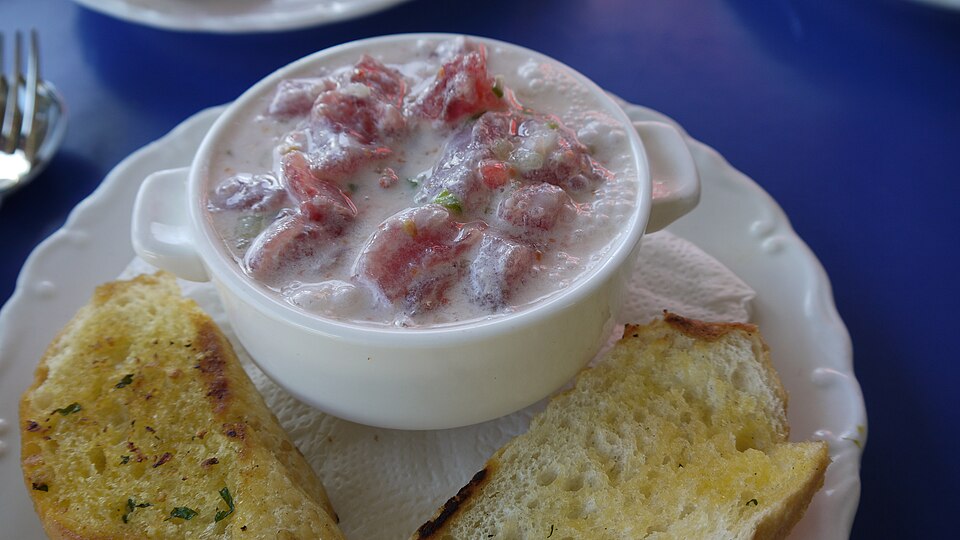
'Ota 'ika
 Tongan · 50 min · 235 kcal
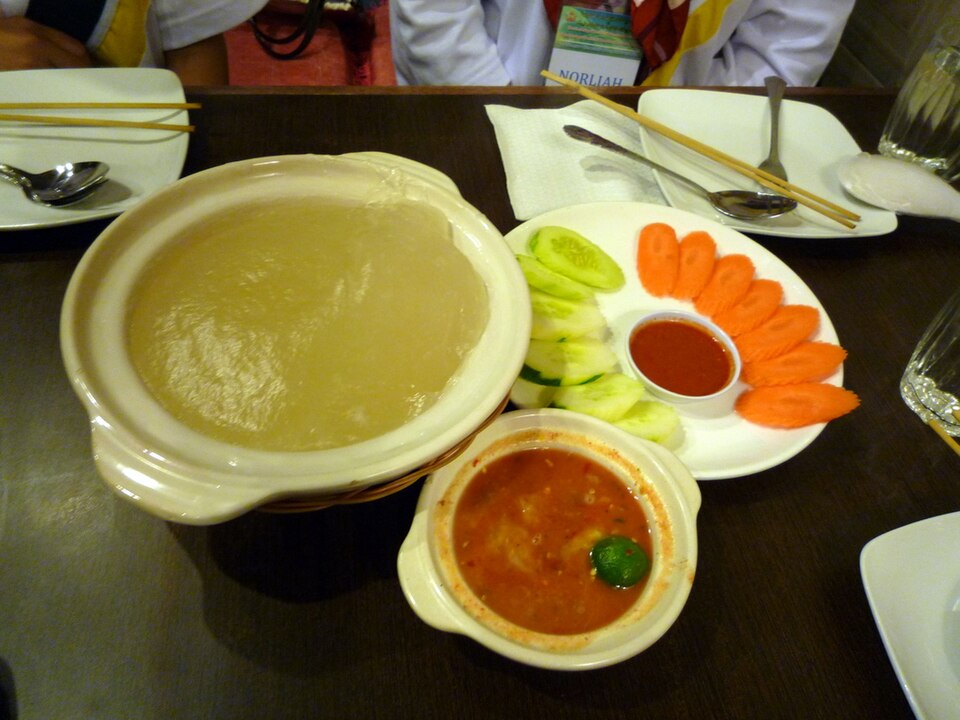
Ambuyat with cacah
 Bruneian · 25 min · 273 kcal
Attiéké with grilled fish
 Ivorian · 1 h 15 min · 644 kcal
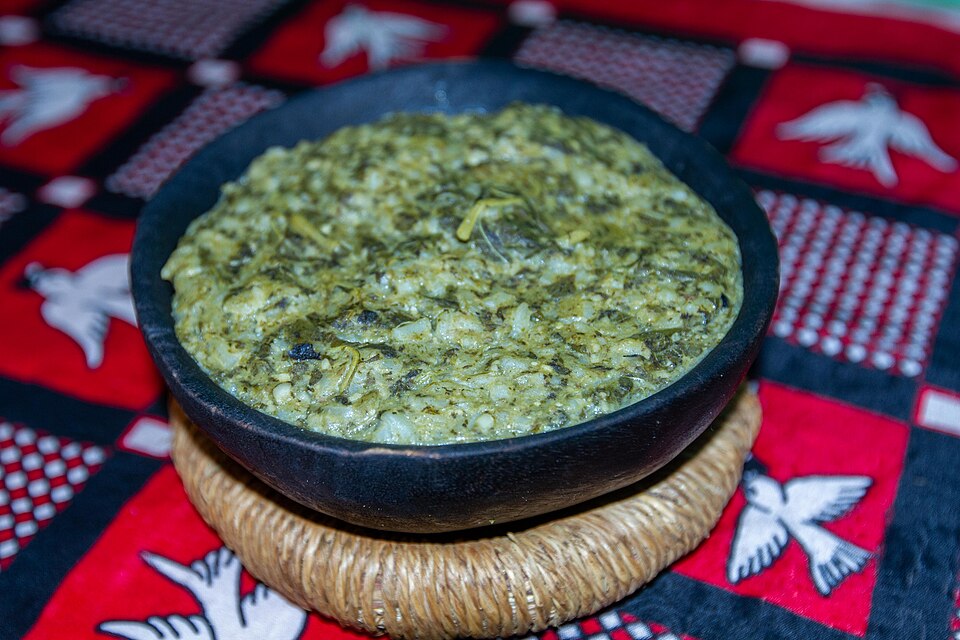
Babenda
 Burkinabè · 55 min · 297 kcal
Bacalhau à brás
 Portuguese · 55 min · 581 kcal
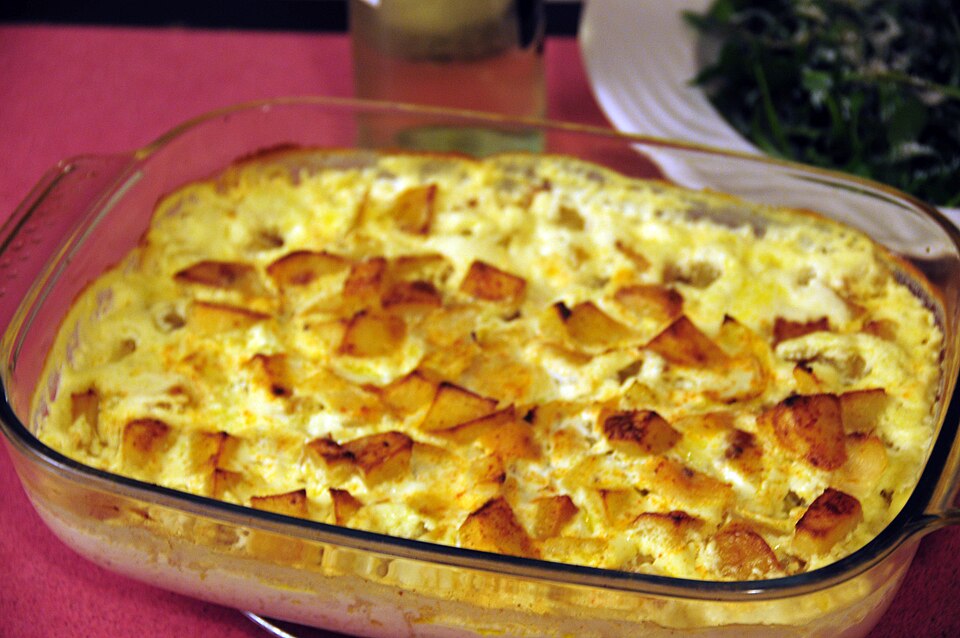
Bacalhau com natas
Portuguese · 1 h 30 min · 506 kcalBagna càuda
 Italian · 1 h · 319 kcal
Bajan fish cakes
 Bajan · 55 min · 348 kcal
Banku with okra stew
 Ghanaian · 1 h 5 min · 640 kcal
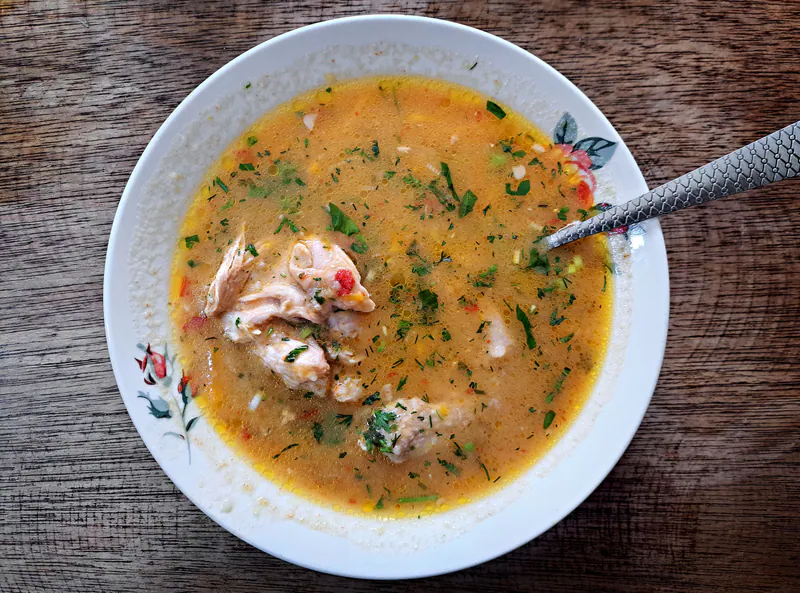
Bergen fish soup
 Norwegian · 45 min · 404 kcal
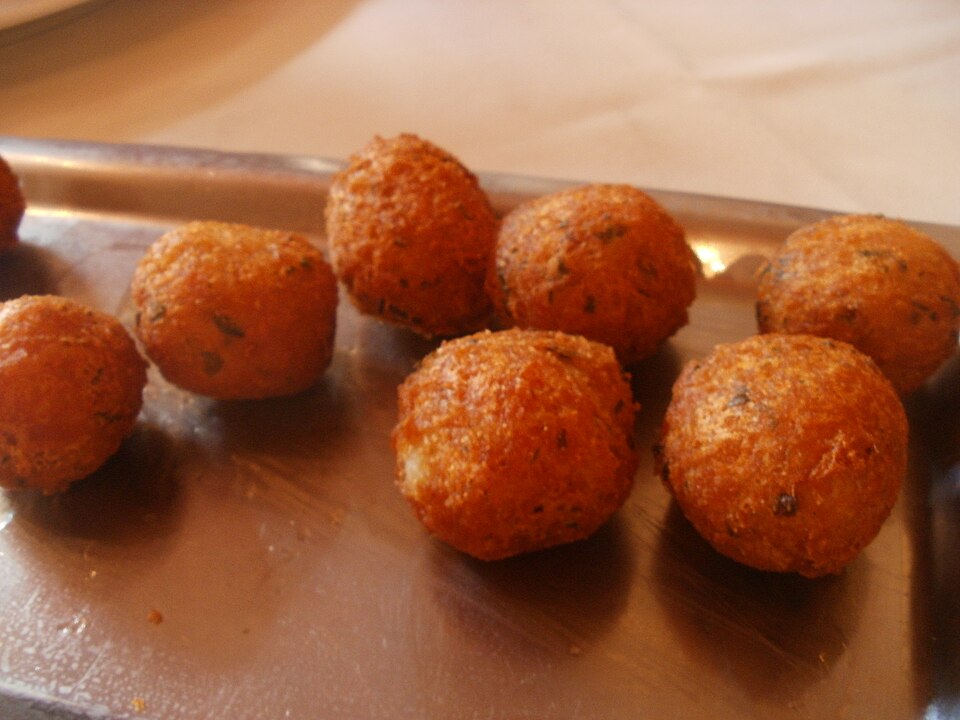
Bolinhos de bacalhau
Portuguese · 1 h 5 min · 266 kcalBouillabaisse
 French · 1 h 25 min · 667 kcal
119 more
- Brik à l'oeuf · Tunisian
- Buckwheat blini · Russian
- Cá kho tộ · Vietnamese
- Caesar dressing · American
- Caesar salad · American
- Calulu · Angolan
- Canh chua cá · Vietnamese
- Cantonese steamed fish with ginger and spring onion · Cantonese
- Cassava leaf stew · Sierra Leonean
- Causa limeña · Peruvian
- Chambo with nsima · Malawian
- Char kway teow · Malaysian
- Chirashizushi (scattered sushi bowl) · Japanese
- Classic Tuna Salad · International
- Cou-cou and flying fish · Bajan
- Crispy-skin barramundi with lemon butter · Australian
- Crossing-the-bridge rice noodles · Chinese
- Efo riro · Nigerian
- Egusi soup · Nigerian
- Encebollado · Ecuadorian
- Ensalada mixta · Spanish
- Eromba (Manipuri fermented fish and vegetable mash) · Indian
- Fish ambul thiyal · Sri Lankan
- Fish amok · Cambodian
- Fish and chips · British
- Fish molee · South Indian
- Fish yassa · Senegalese
- Fouti · Guinean
- Ftira biż-żejt · Maltese
- Gabonese fish bouillon · Gabonese
- Garba · Ivorian
- Garudhiya · Maldivian
- Gboma dessi · Togolese
- Goan fish curry · Goan
- Gravlax with mustard-dill sauce · Scandinavian
- Green goddess dressing · American
- Grilled Lemon-Herb Salmon · International
- Grilled Sea Bass with Lemon-Oil Dressing · Mediterranean
- Gulha · Maldivian
- Hawaiian ahi poke · Pacific Island
- Herring under a fur coat · Russian
- Hudut · Belizean
- Hunan steamed fish with chopped chillies · Chinese
- Ika vakalolo · Fijian
- Ikan sabuko · Timorese
- Insalata di rinforzo · Italian
- Ishkhan-style baked trout · Armenian
- Jansson's temptation · Swedish
- Kajaik · South Sudanese
- Kangshoi · Indian
- Kedgeree · British
- Kokoda · Pacific Island
- Königsberger Klopse · German
- Kontomire stew · Ghanaian
- Kosksi bil hout · Tunisian
- Lablabi · Tunisian
- Lahori fish fry · Pakistani
- Lakshadweep-style tuna curry · South Indian
- Lemon Garlic Baked Salmon · International
- Liboké de poisson · Congolese
- Lohikeitto · Finnish
- Macher jhol · Bengali
- Machha besara · Indian
- Malvani fish curry · Indian
- Mas huni · Maldivian
- Mas riha · Maldivian
- Masgouf-style grilled carp · Iraqi
- Mashuai · Omani
- Masor tenga · Indian
- Mchuzi wa samaki · Tanzanian
- Metemgee · Guyanese
- Mohinga · Burmese
- Moksi alesi · Surinamese
- Moqueca baiana · Brazilian
- Mutabbaq samak · Kuwaiti
- Nasi lemak · Malaysian
- Nom banh chok · Cambodian
- Oka i'a · Samoan
- Orecchiette alle cime di rapa · Italian
- Palm butter · Liberian
- Pasta alla puttanesca · Italian
- Pasta con le sarde · Italian
- Pastel com diabo dentro · Cape Verdean
- Penang assam laksa · Malaysian
- Peruvian ceviche · Peruvian
- Pla nueng manao · Thai
- Plokkfiskur · Icelandic
- Pondu · Congolese
- Potato leaf stew · Sierra Leonean
- Psarosoupa · Greek
- Rémoulade sauce · French
- Rosolje · Estonian
- Saba shioyaki · Japanese
- Salada de grão-de-bico · Portuguese
- Salade niçoise · French
- Salata mechouia · Tunisian
- Salmon onigiri · Japanese
- Salmon teriyaki · Japanese
- Salsa verde (Italian green sauce) · Italian
- Sardinhas assadas · Portuguese
- Sauce feuille · Guinean
- Seeni sambol · Sri Lankan
- Seychellois grilled fish with Creole sauce · Seychellois
- Shandong sweet and sour carp · Chinese
- Shito · Ghanaian
- Shorshe maach · Bangladeshi
- Sichuan boiled fish · Sichuan
- Singju · Indian
- Slata tounsia · Tunisian
- Superkanja · Gambian
- Tapenade (Provençal olive, caper and anchovy spread) · French
- Taramasalata · Greek
- Thiéboudienne · Senegalese
- Tteokbokki · Korean
- Ukha · Russian
- Vitello tonnato · Italian
- Warm salmon and potato salad with dill-mustard dressing · International
- Whitebait fritters · New Zealand
- Zambian bream stew · Zambian