
Flowers and buds
Saffron
Crocus sativus
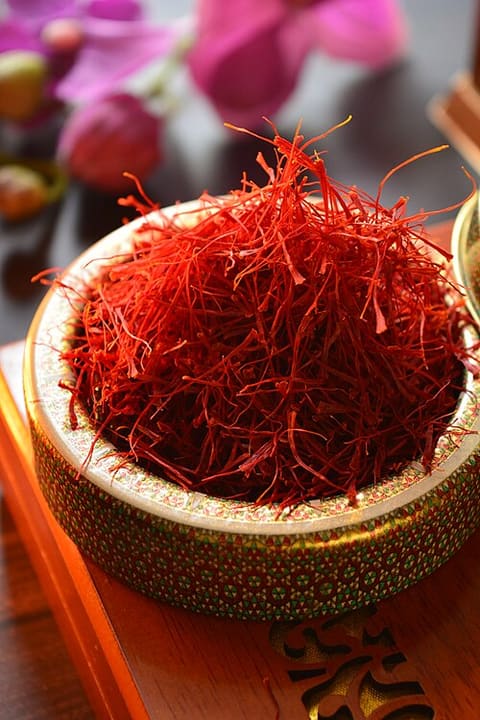
Dried crimson stigmas of the crocus flower, giving golden colour and a honeyed, floral aroma to rice and sweets.
Also called: kesar, zafran, safran, azafrán
- Floral
- Earthy
- No heat
Photo: Shaharbano, via Wikimedia Commons (CC-BY-4.0)
Flavour and aroma
honey-like, hay-like, floral, slightly bitter. Honeyed, floral, slightly bitter.
- Heat
- No heat
- Forms
- whole, ground
How to use it
soak
Soak a pinch (about 15–20 threads) in 2–3 tbsp warm milk or water for 15–20 minutes, then add the liquid and threads to the dish.
toast · Toasting technique
Optional: warm the threads very briefly on a dry tawa over low heat (a few seconds, never browning), then crush before soaking.
- Biryani and pulao
- Paella and risotto alla milanese
- Persian tahdig and saffron rice
- Kheer, kulfi and Swedish saffron buns
- Bouillabaisse
Identifying good quality
Deep red threads (stigmas) 2–3 cm long, wider and trumpet-shaped at one end. Real saffron colours warm water slowly golden-yellow while the threads stay red. Fakes (safflower, corn silk, dyed threads) bleed colour at once or turn pale.
Origin and history
Origin: Domesticated from a wild crocus, most likely in the eastern Mediterranean (Greece).. Grown and used: Iran grows about 90% of the world's saffron; also Kashmir (India), Spain, Greece, Morocco and Afghanistan..
Saffron has been grown for centuries on the plateaus around Pampore in Kashmir, and Kashmiri saffron is a registered Geographical Indication. It colours and perfumes Mughlai biryani, kormas, kheer, kulfi and Kashmiri kahwa.
Well documented
In masalas, pastes and sauces
Recipes with saffron
Arabic coffee (gahwa)
 Saudi Arabian · 23 min · 12 kcal · Vegan
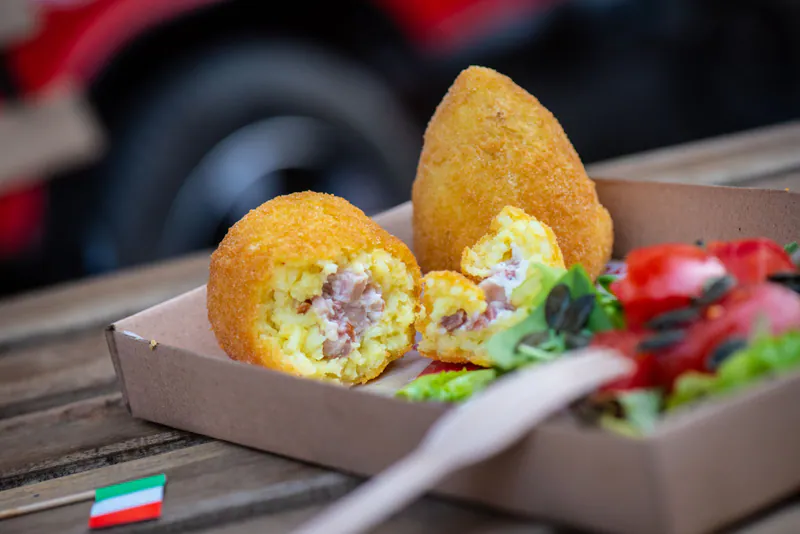
Arancini
 Italian · 3 h 20 min · 285 kcal · Contains egg
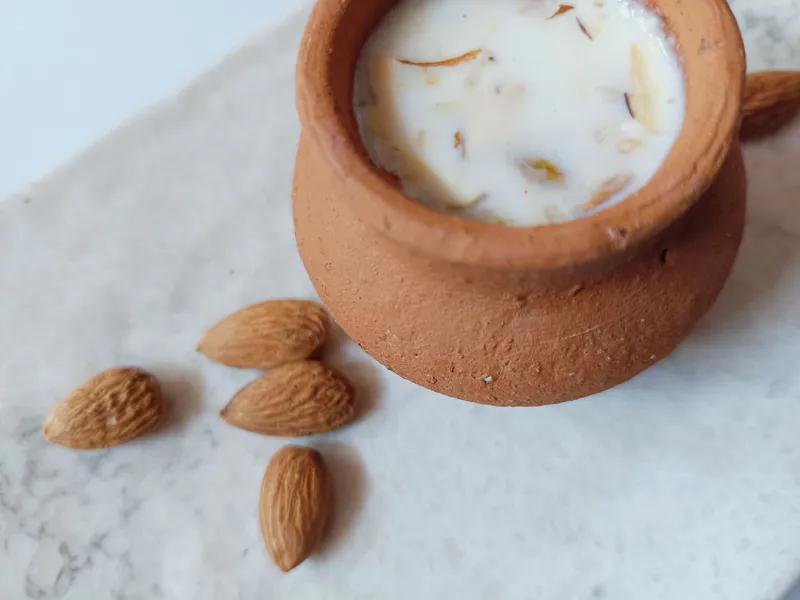
Badam milk
 Indian · 52 min · 255 kcal · Vegetarian
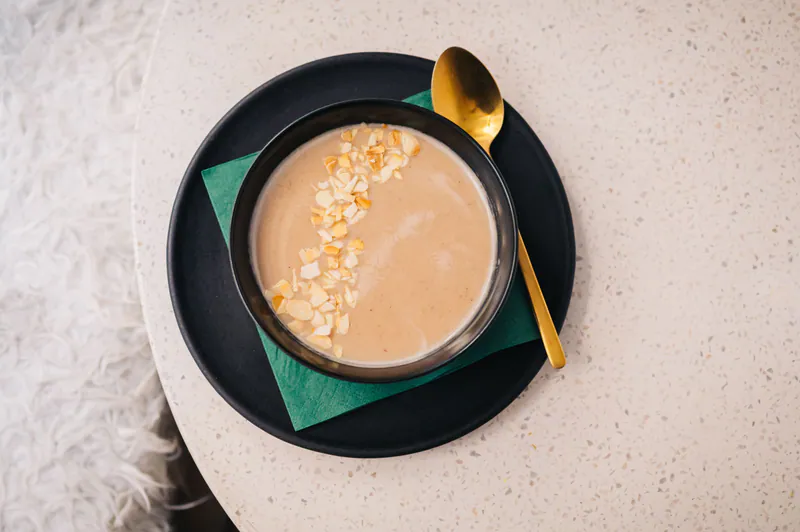
Badam shorba
Indian · 40 min · 237 kcal · Vegetarian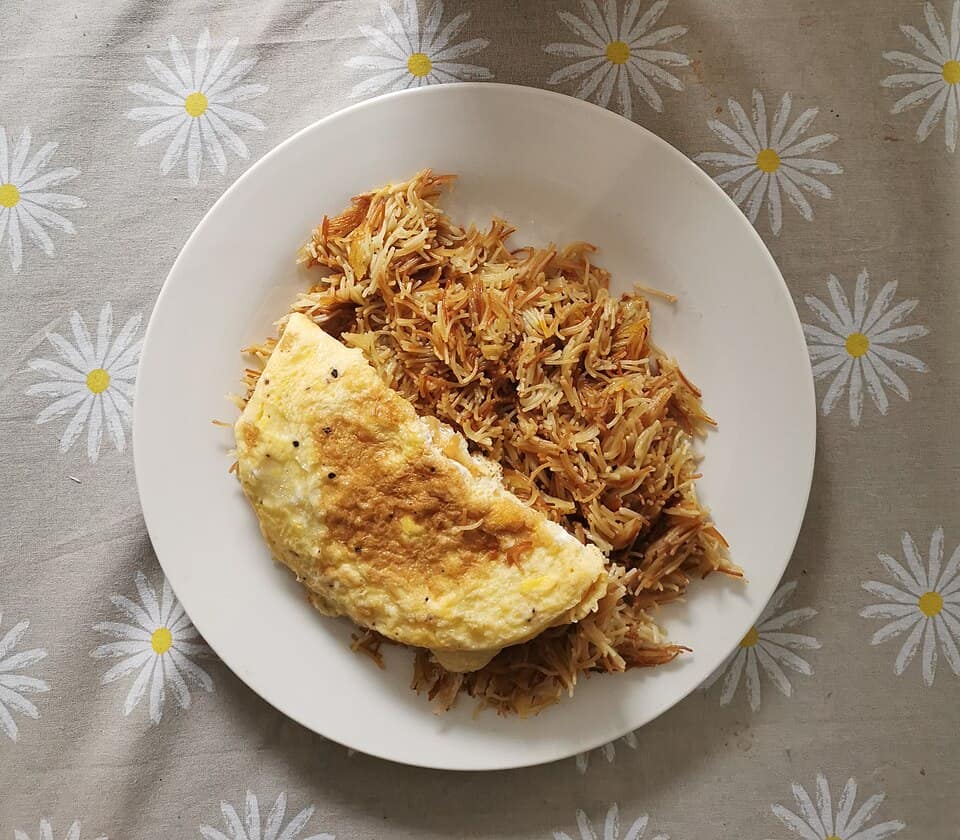
Balaleet
Gulf Arab · 25 min · 477 kcal · Contains egg
Bouillabaisse
 French · 1 h 25 min · 667 kcal
Chebab
 Emirati · 1 h 15 min · 361 kcal · Contains egg
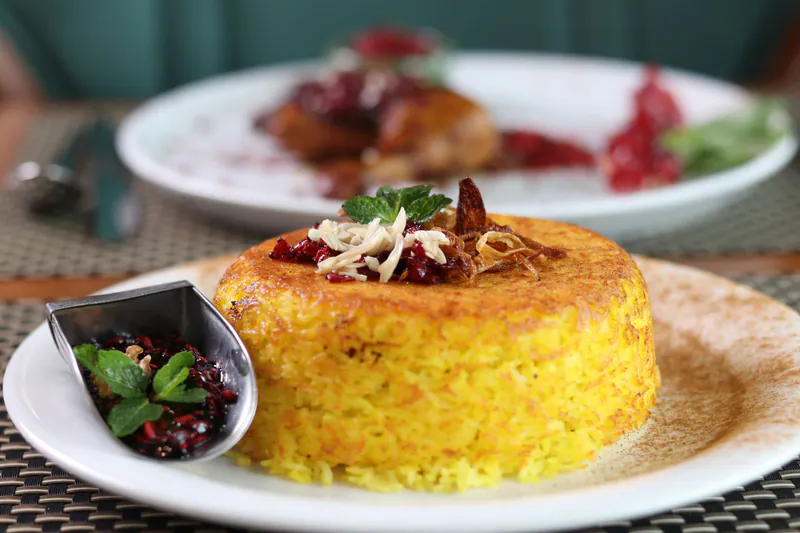
Chelow with tahdig
 Iranian · 2 h 20 min · 425 kcal · Vegetarian
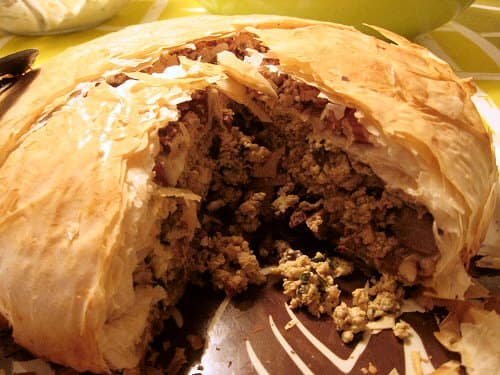
Chicken bastilla
 Moroccan · 2 h 50 min · 577 kcal
36 more
- Chicken biryani · Indian
- Couscous with seven vegetables · Moroccan
- Dhakai kacchi biryani · Bangladeshi
- Fabada asturiana · Spanish
- Fesenjan · Iranian
- Gers ogaily · Bahraini
- Gulab jamun · Indian
- Jalebi · Indian
- Joojeh kabab · Iranian
- Karak chai · Gulf Arab
- Kashk-e bademjan · Iranian
- Kashmiri kahwa · Indian
- Khanfaroosh · Qatari
- Lamb machboos · Emirati
- Lamb tagine with apricots · Moroccan
- Luqaimat · Gulf Arab
- Malloreddus alla campidanese · Italian
- Masala doodh · Indian
- Moroccan chicken tagine with olives and lemon · Moroccan
- Muhammar · Bahraini
- Mutabbaq samak · Kuwaiti
- Paella valenciana · Spanish
- Pasta con le sarde · Italian
- Piti · Azerbaijani
- Piyush · Indian
- Qidreh · Palestinian
- Rice kheer · Indian
- Risotto alla milanese · Italian
- Shah plov · Azerbaijani
- Shahi paneer · Indian
- Sheermal · Indian
- Sholeh zard · Iranian
- Sindhi biryani · Pakistani
- Sooji halwa · Indian
- Thandai · Indian
- Zereshk polo ba morgh · Iranian