
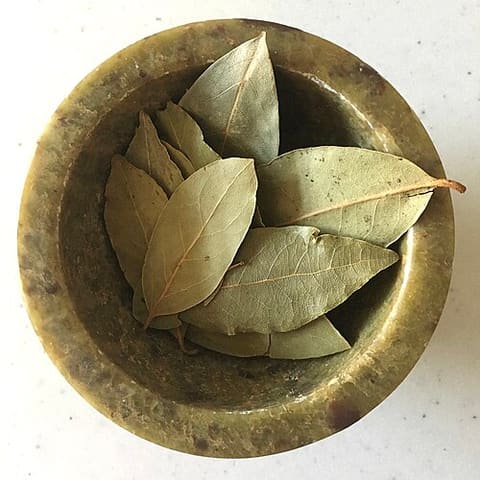
Aromatic leaves
Bay leaves
Laurus nobilis / Cinnamomum tamala
Dried aromatic leaves added whole to stews, rice and stocks, then removed; includes Indian tej patta.
Also called: bay leaf, tej patta, defne yaprağı, laurel
- Warm & sweet
- Herbal & green
- No heat
Photo: Misterneedlemouse, via Wikimedia Commons (CC0-1.0)
Flavour and aroma
cinnamon-clove-like (tej patta), herbal and eucalyptus-like (laurel).
- Heat
- No heat
- Forms
- dried, fresh
How to use it
bloom in fat · Tadka (tempering) technique
Fry 1–2 whole leaves in hot ghee or oil for 10–20 seconds, until they darken slightly and smell sweet, before adding onions or rice. Remove before serving.
dry roast · Spice roasting (dry-roasting) technique
Roast lightly with other whole spices, then crumble and grind for Bengali or Punjabi garam masala.
- Fried whole in ghee for biryani, pulao and curries
- Stocks, soups and bouquet garni
- Bolognese, stews and braises
- Pickling brines
- Rice and béchamel
Identifying good quality
Tej patta: large olive-green leaves with three veins running from base to tip, smelling faintly of cinnamon. European bay: smaller, glossier, with one central vein and a herbal smell.
- Not to be confused with Salam leaves (Indonesian bay leaves): Indonesian salam leaves are a different plant again, with a mild, slightly sour aroma.
Origin and history
Origin: Indian bay leaf (tej patta) comes from Cinnamomum tamala and relatives of the Himalaya; European bay from the Mediterranean laurel (Laurus nobilis).. Grown and used: Tej patta is grown in north and north-east India and Nepal. This catalogue record covers both leaves..
Tej patta is fried whole at the start of North Indian, Bengali and Nepali pulaos, biryanis and curries and ground into some garam masalas. European bay is a different plant with a more herbal flavour, though the two are often treated as substitutes.
Well documented
In masalas, pastes and sauces
- Punjabi garam masalaMasala2 g per batch
- Mughlai (shahi) garam masalaMasala2 g per batch
- Kerala (Malabar) garam masalaMasala1 g per batch
- Biryani masalaMasala2 g per batch
- Chole masalaMasala1 g per batch
- Pav bhaji masalaMasala1 g per batch
- Goda masalaMasala2 g per batch
- Kolhapuri kanda-lasun masalaMasala1 g per batch
- Malvani masalaMasala1 g per batch
- Makhani gravyMasala0.5 g per batch
- Quick Pickled Red OnionsSauce0.2 g per batch
- Santorini fava (yellow split pea purée)Sauce0.2 g per batch
- Espagnole sauceSauce0.4 g per batch
- Demi-glaceSauce0.2 g per batch
- Sauce tomate (classical tomato sauce)Sauce0.2 g per batch
- Béchamel sauceSauce0.2 g per batch
- Bread sauceSauce0.2 g per batch
- Sichuan chilli oil (hong you)Sauce0.4 g per batch
Recipes with bay leaves
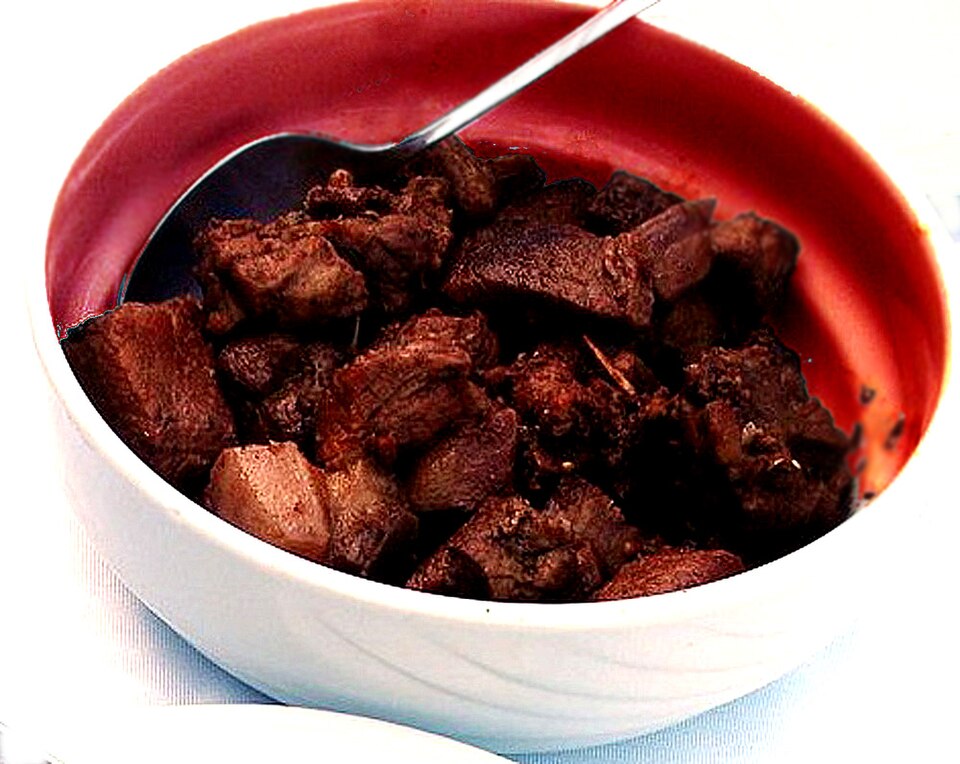
Afelia
 Cypriot · 13 h 45 min · 695 kcal
Anda curry
 Indian · 55 min · 292 kcal · Contains egg
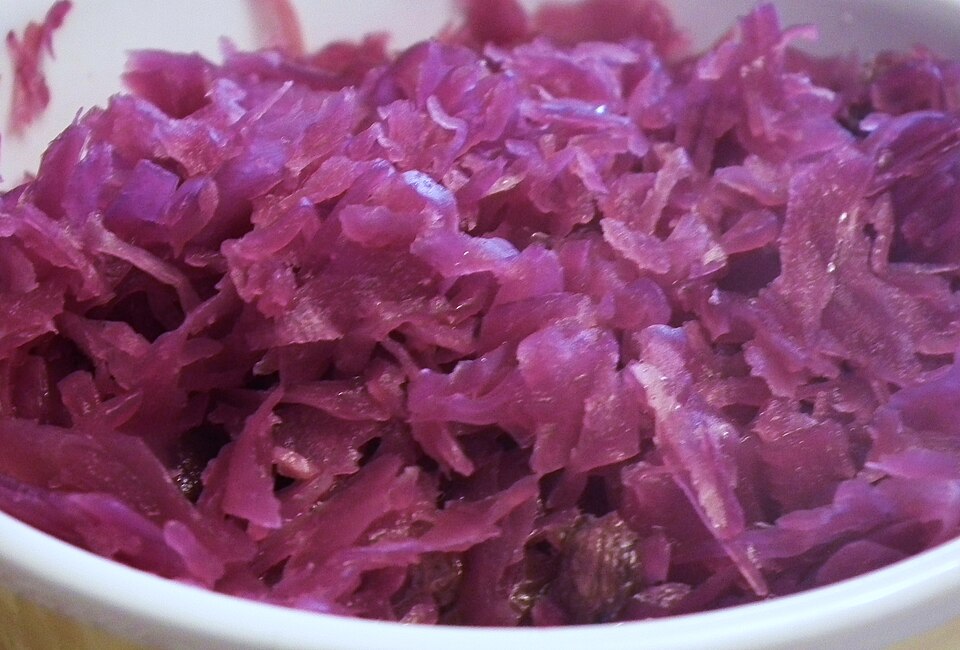
Apfelrotkohl
 German · 1 h 30 min · 145 kcal · Vegetarian
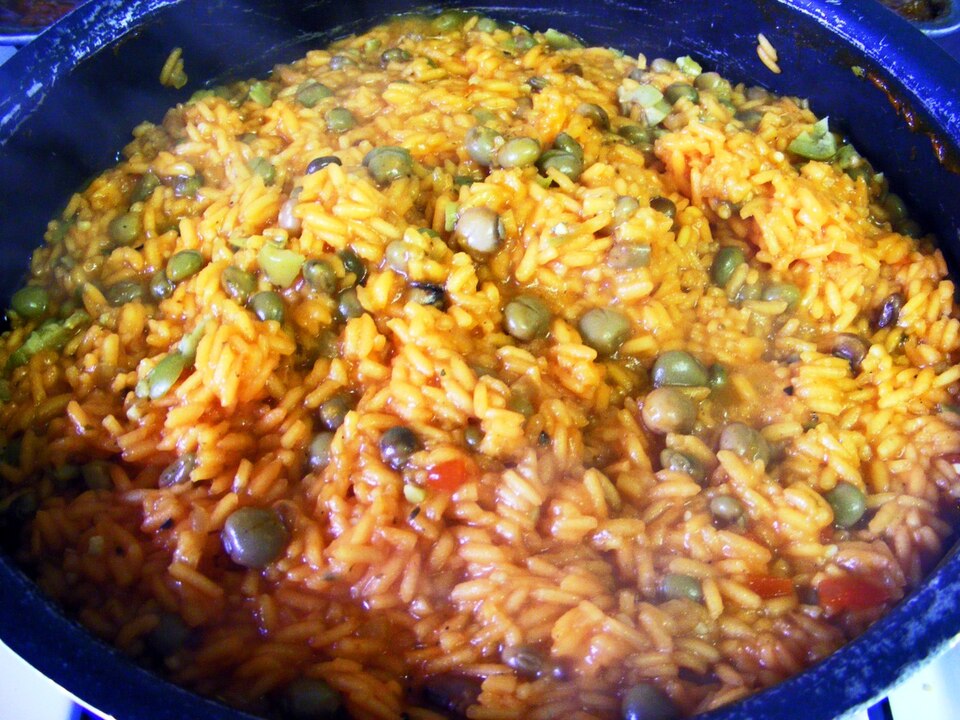
Arroz con gandules
 Puerto Rican · 1 h 10 min · 328 kcal
Arroz de marisco
 Portuguese · 1 h · 651 kcal
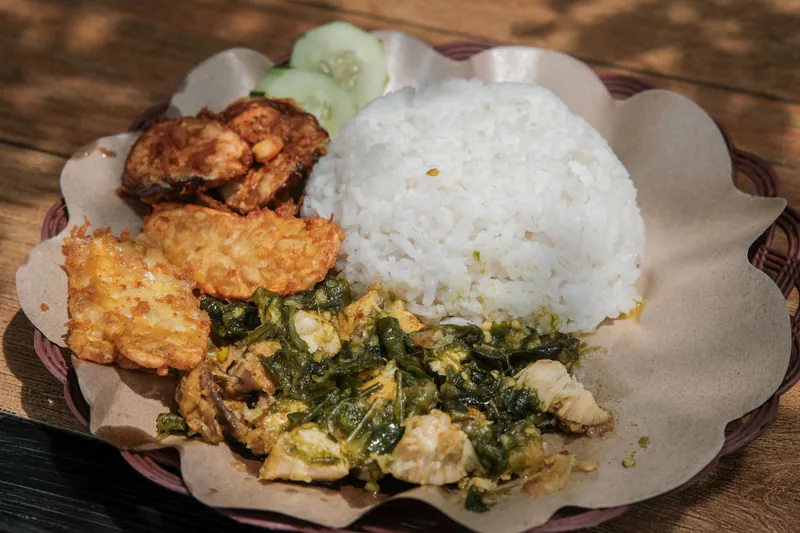
Ayam goreng kuning
 Indonesian · 1 h 10 min · 639 kcal
Bacalhau à brás
Portuguese · 55 min · 581 kcal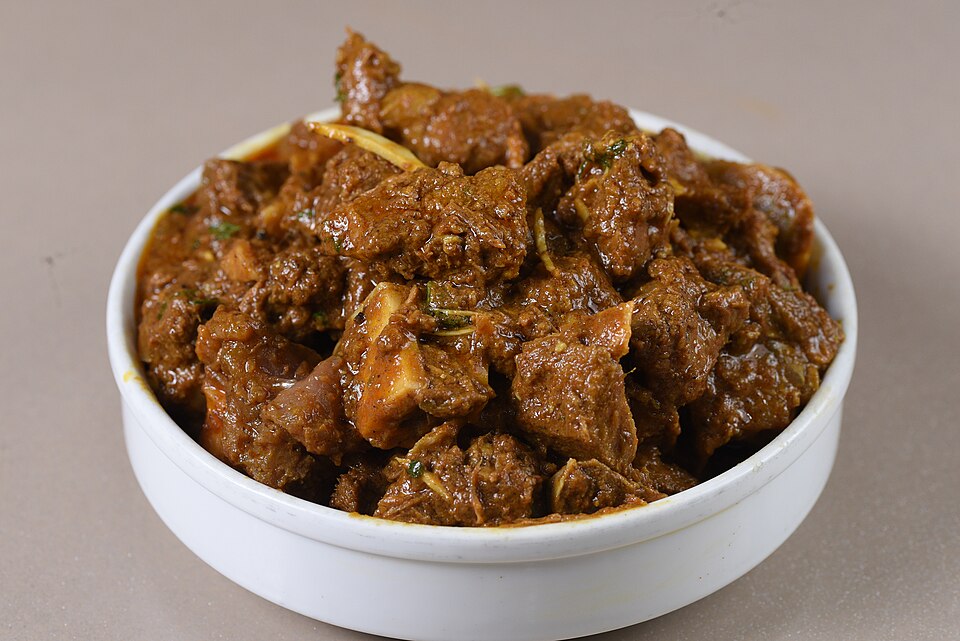
Bangladeshi beef bhuna
 Bangladeshi · 2 h 20 min · 369 kcal
Barszcz czerwony
 Polish · 1 h 35 min · 104 kcal · Vegan
164 more
- Béchamel sauce · French
- Beef kala bhuna · Bangladeshi
- Beef stifado · Greek
- Beef tehari · Bangladeshi
- Benachin · Gambian
- Beshbarmak · Kazakh
- Bhuna khichuri · Bangladeshi
- Bifana · Portuguese
- Bigos · Polish
- Birria de res · Mexican
- Bitterballen · Dutch
- Blanquette de veau · French
- Bobotie · Cape Malay
- Boeuf bourguignon · French
- Bosanski lonac (Bosnian pot) · Bosnian
- Bouillabaisse · French
- Bread sauce · British
- Brun lapskaus · Norwegian
- Burmese chicken curry · Burmese
- Cachupa · Cape Verdean
- Caldo de feijão · Brazilian
- Caldo de res · Mexican
- Canja (Cabo Verdean chicken and rice soup) · Cape Verdean
- Canja de galinha · Portuguese
- Cape Malay chicken curry · Cape Malay
- Carbonade flamande · Belgian
- Carne de porco à alentejana · Portuguese
- Carnitas · Mexican
- Cassoulet · French
- Champaran meat · Indian
- Chana madra · Indian
- Chicken adobo · Filipino
- Chicken and andouille gumbo · Southern US
- Chicken biryani · Indian
- Chicken kabsa · Saudi Arabian
- Chicken korma · Indian
- Chicken mandi · Yemeni
- Chicken Noodle Soup · International
- Chicken rezala · Bangladeshi
- Chicken yakhni pulao · Pakistani
- Chicken yassa · Senegalese
- Chikhirtma · Georgian
- Chinese tea eggs · Chinese
- Chingri malai curry · Bangladeshi
- Cholar dal · Bengali
- Cock-a-leekie · British
- Coq au vin · French
- Corn chowder · American
- Creamy Chicken Salad · International
- Cuban black beans · Cuban
- Dalma · Indian
- Demi-glace · French
- Dohneiiong · Indian
- Duck curry with ash gourd · Indian
- Düğün çorbası · Turkish
- Erwtensoep · Dutch
- Espagnole sauce · French
- Everyday Vegetable Soup · International
- Fasolada · Greek
- Feijão carioca · Brazilian
- Feijoada · Brazilian
- Fish yassa · Senegalese
- Francesinha · Portuguese
- French onion soup · French
- Gabonese fish bouillon · Gabonese
- Ghugni (Jharkhand-style) · Indian
- Hearty Lentil and Vegetable Soup · International
- Hyderabadi marag · Indian
- Irish stew · Irish
- Jambalaya · Southern US
- Jeera rice · Indian
- Jollof rice · West African
- Jota (sauerkraut and bean stew) · Slovenian
- Judd mat Gaardebounen · Luxembourgish
- Kapustnica · Slovak
- Kashmiri mutton yakhni · Indian
- Kavarma (pork and vegetable clay pot) · Bulgarian
- Kedgeree · British
- Kedjenou · Ivorian
- Kleftiko · Cypriot
- Königsberger Klopse · German
- Kosha mangsho · Bengali
- Kranjska klobasa with sauerkraut · Slovenian
- Krupnik · Polish
- Kukhura ko masu · Nepalese
- Kulajda · Czech
- Kwati · Nepalese
- Laal maas · Indian
- Lentil and Roasted Vegetable Bowl · Mediterranean
- Linsensuppe · German
- Lohikeitto · Finnish
- Loubia (Maghrebi white bean stew) · Algerian
- Machanka · Belarusian
- Mafé · Senegalese
- Manhattan clam chowder · American
- Mansaf · Jordanian
- Maqluba · Palestinian
- Massaman curry with beef · Thai
- Matar paneer · Punjabi
- Morog polao · Bangladeshi
- Moules marinières · French
- Muamba de galinha · Angolan
- Murgh shorba · Indian
- Mutton yakhni shorba · Indian
- Nadru yakhni · Indian
- Ndambé · Senegalese
- New England clam chowder · American
- Opor ayam · Indonesian
- Osso buco alla milanese · Italian
- Pabellón criollo · Venezuelan
- Pandhra rassa · Indian
- Pasta alla genovese (Neapolitan onion and beef ragù) · Italian
- Pašticada · Croatian
- Pelmeni · Russian
- Pork sisig · Filipino
- Potjiekos · Namibian
- Pozole rojo · Mexican
- Prebranac (baked beans with onions) · Serbian
- Pulpo a la gallega · Spanish
- Punjabi dum aloo · Punjabi
- Qidreh · Palestinian
- Québec yellow pea soup · Canadian
- Quick Pickled Red Onions · International
- Rajma · Punjabi
- Ratatouille · French
- Red beans and rice · Southern US
- Red-braised pork belly · Chinese
- Rice kheer · Indian
- Rinderrouladen · German
- Riz gras · Burkinabè
- Rogan josh · Indian
- Ropa vieja · Cuban
- Rosół · Polish
- Salade de lentilles · French
- Santorini fava (yellow split pea purée) · Greek
- Sarma (sour cabbage rolls) · Serbian
- Sarmale · Romanian
- Sauce tomate (classical tomato sauce) · French
- Sauerbraten · German
- Sayur lodeh · Indonesian
- Shahi paneer · Indian
- Shakriyeh · Syrian
- Shami kebab · Pakistani
- Shchi · Russian
- Shemai · Bangladeshi
- Shurpa · Uzbek
- Sichuan chilli oil (hong you) · Sichuan
- Sindhi biryani · Pakistani
- Solyanka · Russian
- Split pea soup with ham · American
- Stuffat tal-fenek · Maltese
- Svíčková na smetaně · Czech
- Tafelspitz · Austrian
- Taiwanese beef noodle soup · Taiwanese
- Tamatar shorba · Indian
- Tavče gravče · Macedonian
- Tempe bacem · Indonesian
- Tinga de pollo tostadas · Mexican
- Töltött káposzta · Hungarian
- Ukha · Russian
- Ukrainian borscht · Ukrainian
- Vegetable pulao · Indian
- Vitello tonnato · Italian
- Żurek · Polish