
Flowers and buds
Cloves
Syzygium aromaticum
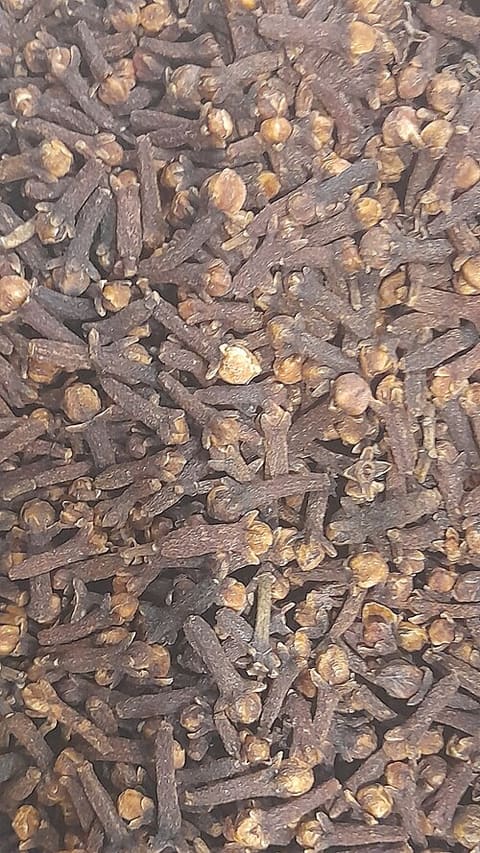
Dried nail-shaped flower buds with an intense, sweet-numbing aroma; used whole or ground in small amounts.
Also called: clove, laung, karanfil, whole cloves
- Warm & sweet
- Pungent & sulphurous
- Very mild
Photo: Challiyan, via Wikimedia Commons (CC0-1.0)
Flavour and aroma
warm, sweet, numbing, medicinal in excess. Sweet, hot, slightly bitter and numbing.
- Heat
- Very mild
- Forms
- whole, ground
How to use it
bloom in fat · Tadka (tempering) technique
Fry 3–6 cloves in hot ghee for 15–30 seconds, until they swell, at the start of pulao, biryani or curry.
dry roast · Spice roasting (dry-roasting) technique
Roast with other whole spices over low heat for 1–2 minutes before grinding garam masala.
infuse · Simmering technique
For dhungar (smoking), put a live coal in a small bowl inside the pot, drop on a clove and a little ghee, and cover for 2–3 minutes.
- Whole spices fried in ghee for biryani and pulao
- Garam masala and five-spice
- Studding hams and onions for stocks
- Gingerbread, mulled drinks and fruit compotes
- Pickles and chutneys
Identifying good quality
Dried flower buds 1–2 cm long: a reddish-brown stalk topped by a round head. Good cloves are oily, plump and have intact heads. Dry, headless cloves are often spent.
- Not to be confused with Marathi moggu: Marathi moggu buds are larger and lack the strong clove scent.
Origin and history
Origin: The Moluccas (Maluku Islands), Indonesia.. Grown and used: Grown in Indonesia, Madagascar, Tanzania (Zanzibar), Sri Lanka and southern India..
Cloves were traded from the Moluccas to India, China and the Mediterranean for well over two thousand years, and the Portuguese and Dutch fought for control of the trade. In South Asia they are a base of garam masala and are fried whole for pulao and biryani.
Well documented
In masalas, pastes and sauces
- Punjabi garam masalaMasala5 g per batch
- Mughlai (shahi) garam masalaMasala6 g per batch
- Kerala (Malabar) garam masalaMasala6 g per batch
- Bengali garam masalaMasala6 g per batch
- Biryani masalaMasala4 g per batch
- Tandoori masalaMasala1.5 g per batch
- Chole masalaMasala2 g per batch
- Pav bhaji masalaMasala2 g per batch
- Chettinad masalaMasala1.5 g per batch
- Madras curry powderMasala1 g per batch
- Goda masalaMasala3 g per batch
- Kolhapuri kanda-lasun masalaMasala3 g per batch
- Malvani masalaMasala3 g per batch
- Goan vindaloo pasteMasala2 g per batch
- Xacuti masalaMasala1 g per batch
- Makhani gravyMasala1 g per batch
- Everyday curry powder (British-style)Masala1 g per batch
- Sri Lankan roasted curry powderMasala2 g per batch
- Massaman curry pasteMasala1 g per batch
- Berbere spice blendMasala1 g per batch
- Ras el hanoutMasala1 g per batch
- Baharat (Lebanese seven spice)Masala3 g per batch
- Chinese five-spice powderMasala2 g per batch
- Recado rojo (Yucatecan achiote paste)Masala0.5 g per batch
- Seeni sambolSauce0.3 g per batch
- Mole poblanoSauce0.3 g per batch
- PiklizSauce0.4 g per batch
- Chhundo (Gujarati grated mango preserve)Sauce0.4 g per batch
- Recheado masala (Goan red chilli paste)Sauce0.6 g per batch
- Homemade tomato ketchupSauce0.3 g per batch
- Bread sauceSauce0.6 g per batch
- Homemade brown sauceSauce0.5 g per batch
Recipes with cloves
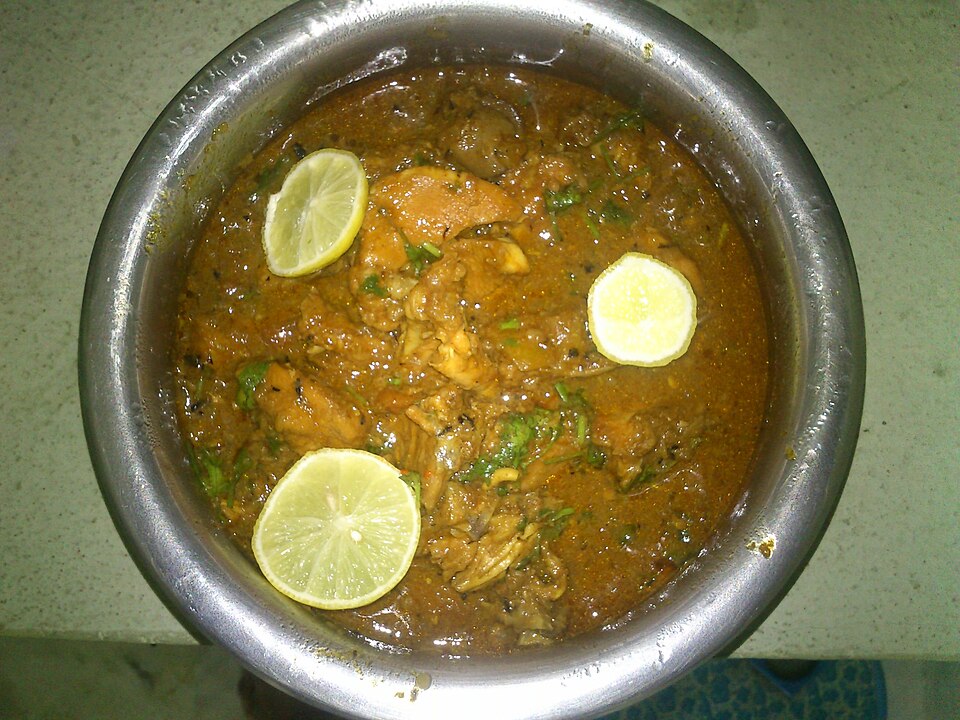
Andhra chicken curry
 South Indian · 1 h · 351 kcal
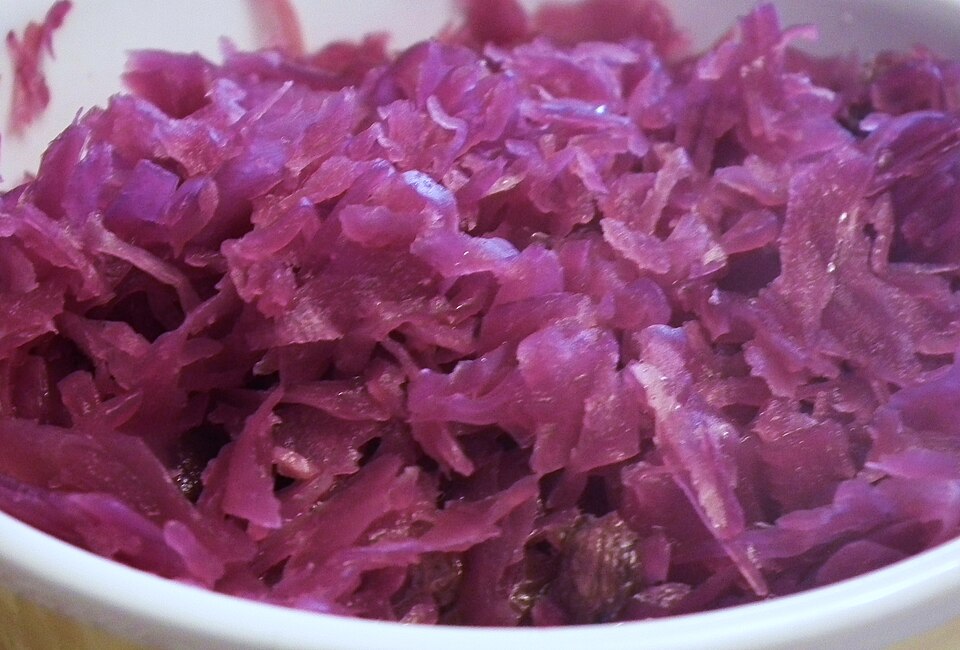
Apfelrotkohl
 German · 1 h 30 min · 145 kcal · Vegetarian
Arabic coffee (gahwa)
 Saudi Arabian · 23 min · 12 kcal · Vegan
Ayam masak merah
 Malaysian · 1 h 10 min · 574 kcal
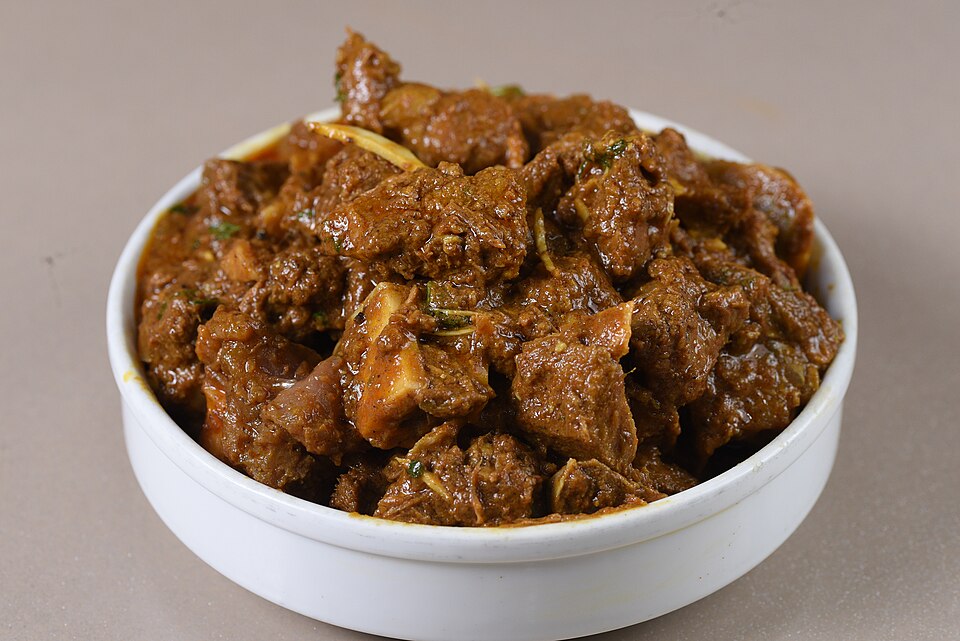
Bangladeshi beef bhuna
 Bangladeshi · 2 h 20 min · 369 kcal
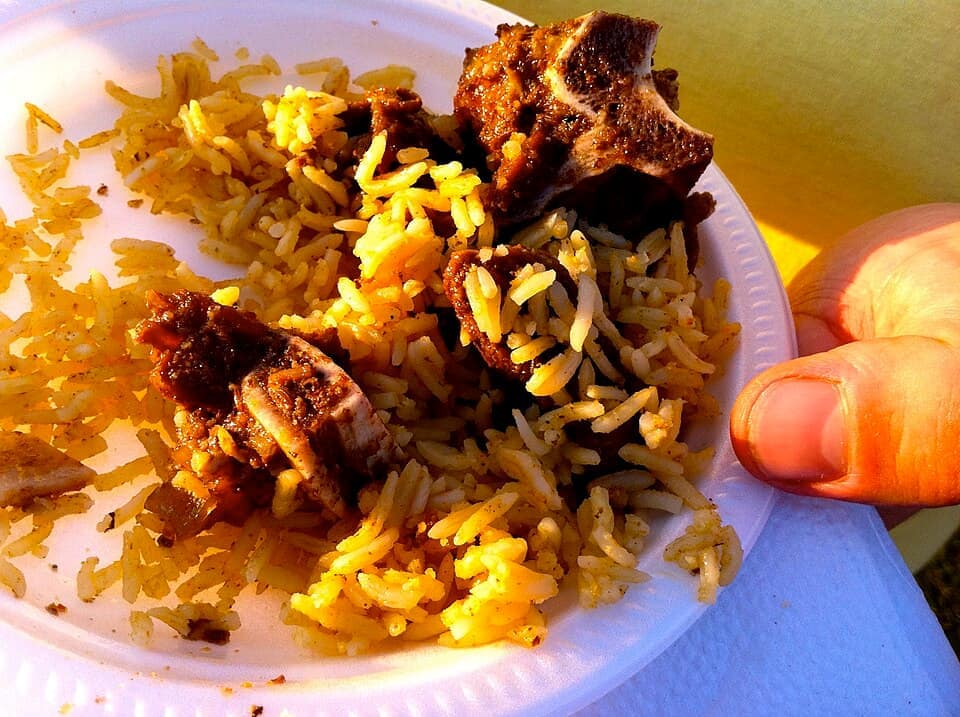
Bariis iskukaris
 Somali · 2 h · 609 kcal
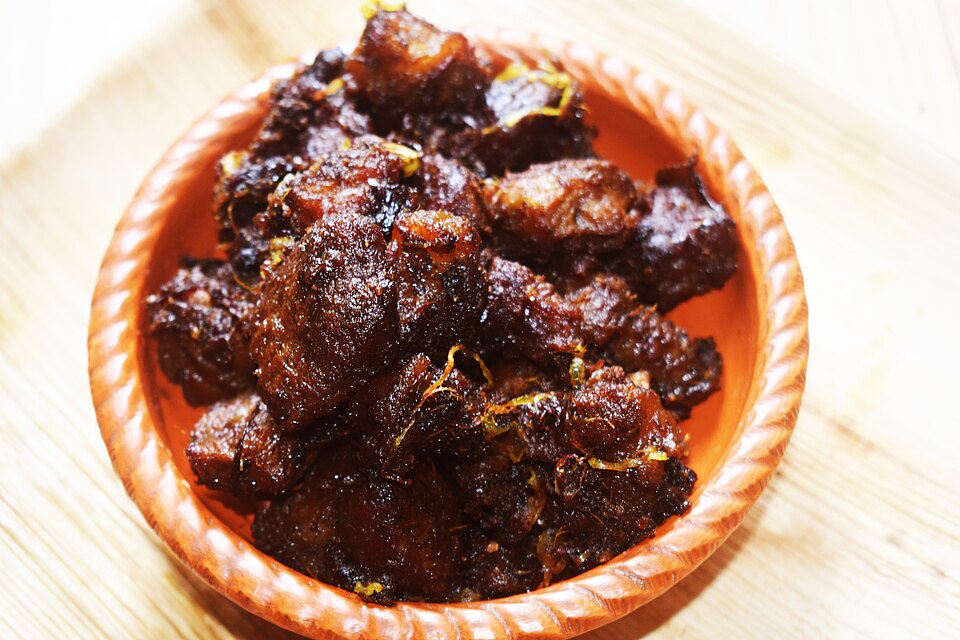
Beef kala bhuna
Bangladeshi · 2 h 50 min · 438 kcal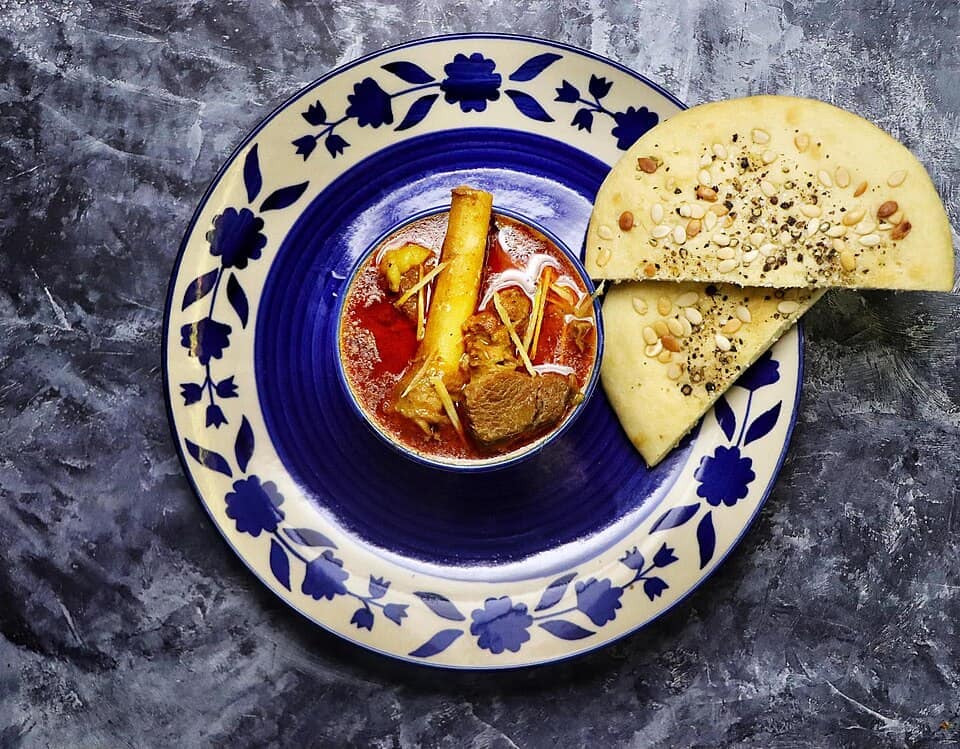
Beef nihari
 Pakistani · 4 h 40 min · 375 kcal
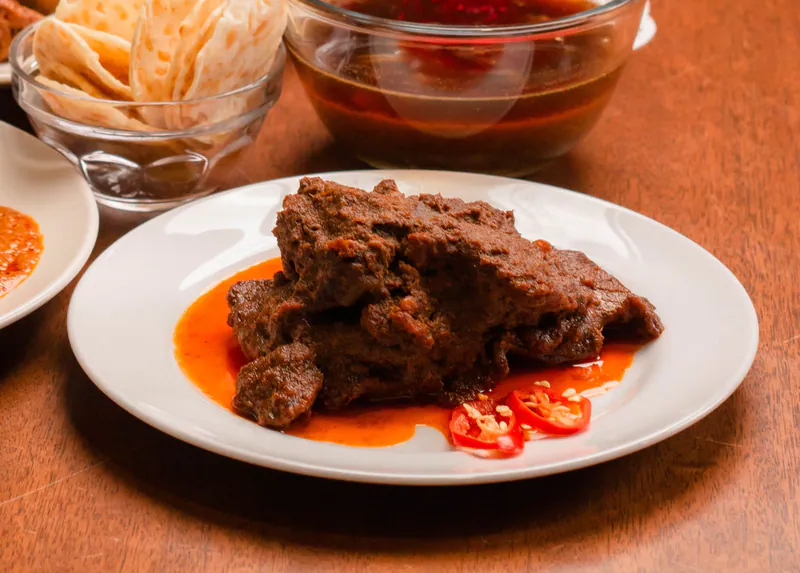
Beef rendang
 Indonesian · 4 h · 672 kcal
92 more
- Beef stifado · Greek
- Beef tehari · Bangladeshi
- Bhuna khichuri · Bangladeshi
- Birria de res · Mexican
- Blanquette de veau · French
- Bread sauce · British
- Café de olla · Mexican
- Cape Malay chicken curry · Cape Malay
- Caribbean sorrel drink · Caribbean
- Chana madra · Indian
- Chettinad chicken curry · South Indian
- Chhundo (Gujarati grated mango preserve) · Gujarati
- Chicha morada · Peruvian
- Chicken biryani · Indian
- Chicken kabsa · Saudi Arabian
- Chicken korma · Indian
- Chicken mandi · Yemeni
- Chicken rezala · Bangladeshi
- Chicken yakhni pulao · Pakistani
- Chiles en nogada · Mexican
- Chingri malai curry · Bangladeshi
- Cholar dal · Bengali
- Cocada amarela · Angolan
- Dal dhokli · Gujarati
- Dhakai kacchi biryani · Bangladeshi
- Fura da nono · Nigerien
- Griot · Haitian
- Gujarati dal · Gujarati
- Gulai kambing · Indonesian
- Guyanese pepperpot · Guyanese
- Habichuelas con dulce · Dominican
- Homemade brown sauce · British
- Homemade tomato ketchup · American
- Hyderabadi marag · Indian
- Judd mat Gaardebounen · Luxembourgish
- Kari ayam · Malaysian
- Karkanji · Chadian
- Kashmiri kahwa · Indian
- Kashmiri mutton yakhni · Indian
- Kelewele · Ghanaian
- Kenyan beef pilau · Kenyan
- Kerala chicken stew · South Indian
- Kerala plum cake (alcohol-free) · Indian
- Kolhapuri chicken curry · Indian
- Kosha mangsho · Bengali
- Laal maas · Indian
- Lamb machboos · Emirati
- Lamprais · Sri Lankan
- Machboos ala dajaj · Kuwaiti
- Malvani fish curry · Indian
- Masala chai · Indian
- Massaman curry with beef · Thai
- Meggyleves · Hungarian
- Mole poblano · Mexican
- Morog polao · Bangladeshi
- Murgh shorba · Indian
- Mutton yakhni shorba · Indian
- Nadru yakhni · Indian
- Nigerian goat meat pepper soup · Nigerian
- Omani shuwa-style slow-roast lamb · Omani
- Osaman · Gujarati
- Pandhra rassa · Indian
- Pašticada · Croatian
- Pastitsio · Greek
- Phở bò (beef pho) · Vietnamese
- Phở gà · Vietnamese
- Pikliz · Haitian
- Pork vindaloo · Goan
- Prawn balchão · Goan
- Recheado masala (Goan red chilli paste) · Goan
- Rogan josh · Indian
- Sauerbraten · German
- Seeni sambol · Sri Lankan
- Shahi paneer · Indian
- Shami kebab · Pakistani
- Sierra Leonean ginger beer · Sierra Leonean
- Sindhi biryani · Pakistani
- Skoudehkaris · Djiboutian
- Somali shaah · Somali
- Sop buntut · Indonesian
- Sopa de lima · Mexican
- Soup joumou · Haitian
- Sri Lankan black pork curry · Sri Lankan
- Sri Lankan chicken curry · Sri Lankan
- Sulaimani chai · Indian
- Sup kambing · Malaysian
- Swedish gingerbread biscuits (pepparkakor) · Swedish
- Tacos al pastor · Mexican
- Tamatar shorba · Indian
- Tourtière · Canadian
- Vegetable pulao · Indian
- Zobo (Nigerian hibiscus drink) · Nigerian