
Aromatic leaves
Dried thyme
Thymus vulgaris
Crumbled dried thyme leaves: concentrated and earthy, for rubs, stews and long-cooked sauces.
Also called: thyme, ground thyme
- Herbal & green
- Earthy
- Pungent & sulphurous
- No heat
Flavour and aroma
earthy, minty, slightly lemony, warm. Earthy, savoury, slightly minty.
- Heat
- No heat
- Forms
- dried
How to use it
crush · Dry grinding technique
Crush between your fingers before adding; about 1 teaspoon dried replaces 1 tablespoon fresh leaves.
use raw
Add early in stews, soups, braises and stuffings so the leaves soften and the flavour spreads; dried thyme stands up well to long cooking.
bloom in fat · Tadka (tempering) technique
Warm in butter or oil with onions for 30 seconds at the start of a sauce or soup.
- Rubs for chicken and pork
- Stews, soups and casseroles
- Jerk seasoning and Creole dishes
- Stuffings and gravies
Identifying good quality
Tiny, grey-green, slightly curled leaves; ground thyme is a fine grey-green powder. It should smell sharp and savoury when rubbed. Sticks and dust at the bottom of the jar are normal.
- Not to be confused with Dried oregano: Oregano leaves are larger and more peppery.
- Not to be confused with Summer savory (dried): Savory looks similar but is more peppery.
Origin and history
Origin: The western Mediterranean (Thymus vulgaris).. Grown and used: Grown in Spain, France, Morocco, Turkey and elsewhere; used throughout European, Caribbean, Levantine and American cooking..
Thyme has been used in Mediterranean cooking since antiquity. It is a fixture of the French bouquet garni and herbes de Provence, Caribbean seasoning with Scotch bonnet and allspice, and Cajun and Creole cooking. Its aroma comes mainly from thymol.
Commonly told; not firmly documented
In masalas, pastes and sauces
Recipes with dried thyme
Aussie meat pie
 Australian · 2 h 50 min · 596 kcal
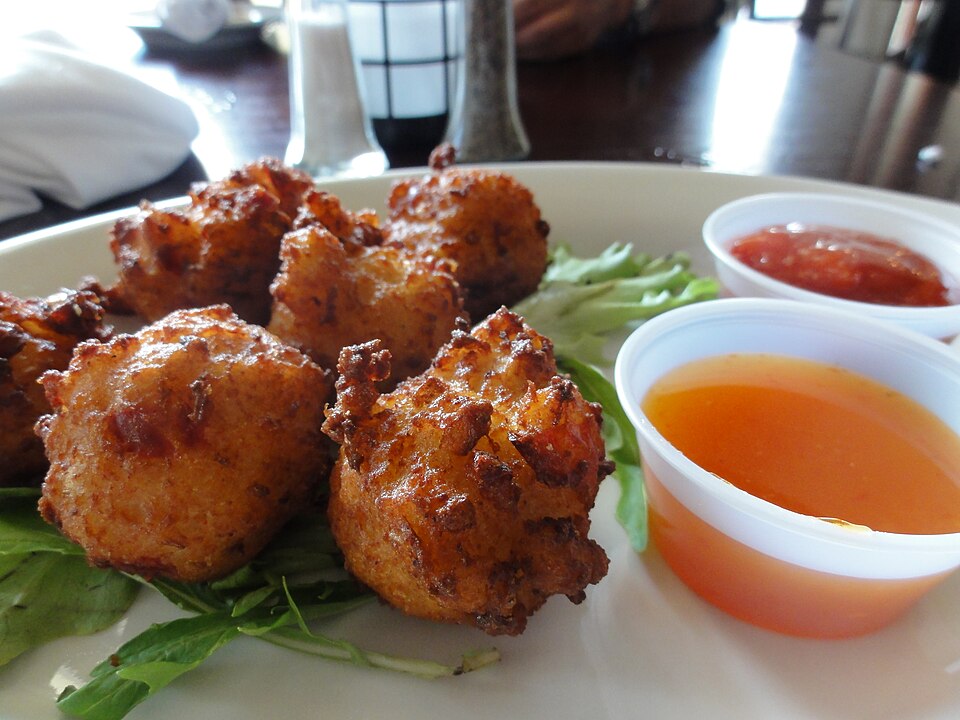
Bahamian conch fritters
 Bahamian · 1 h · 307 kcal
Bahamian peas 'n' rice
Bahamian · 55 min · 407 kcal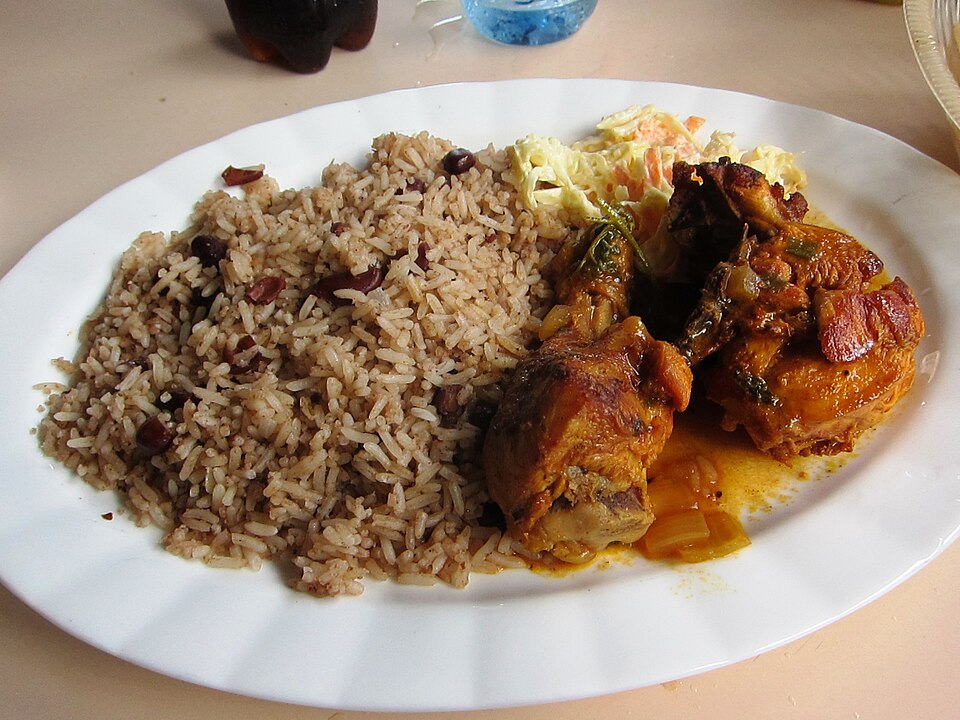
Belizean rice and beans with stew chicken
 Belizean · 1 h 25 min · 844 kcal
Bouneschlupp
 Luxembourgish · 55 min · 243 kcal
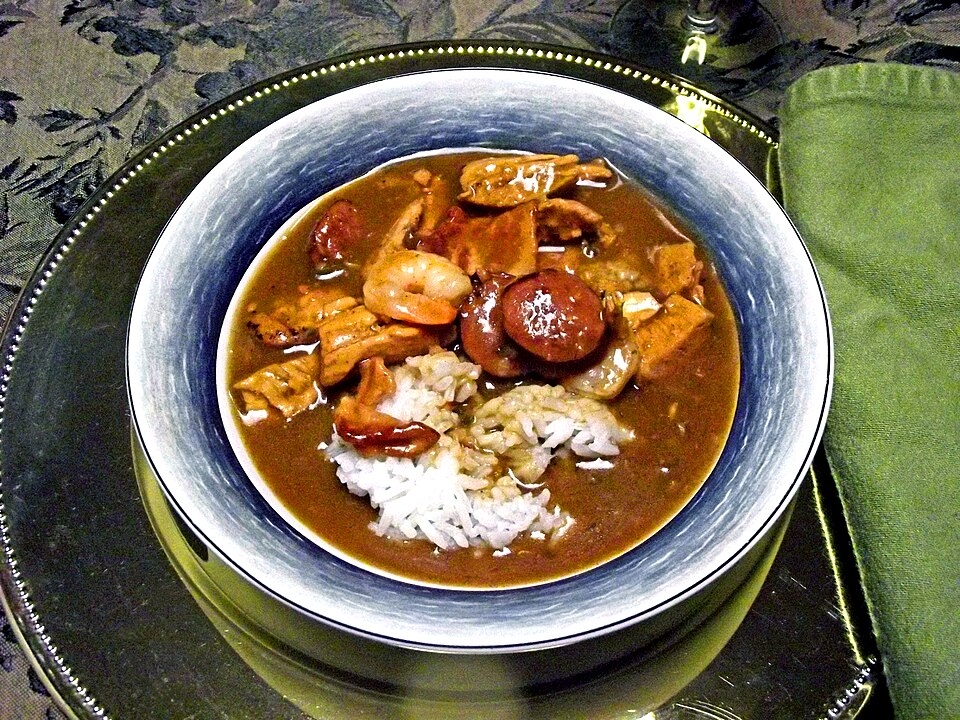
Chicken and andouille gumbo
 Southern US · 2 h 5 min · 771 kcal
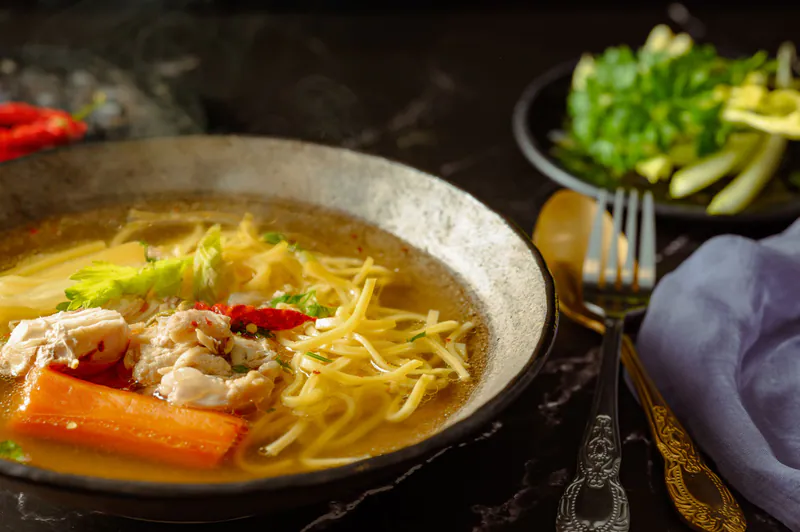
Chicken Noodle Soup
International · 55 min · 334 kcal
Everyday Vegetable Soup
International · 55 min · 161 kcal · Vegan
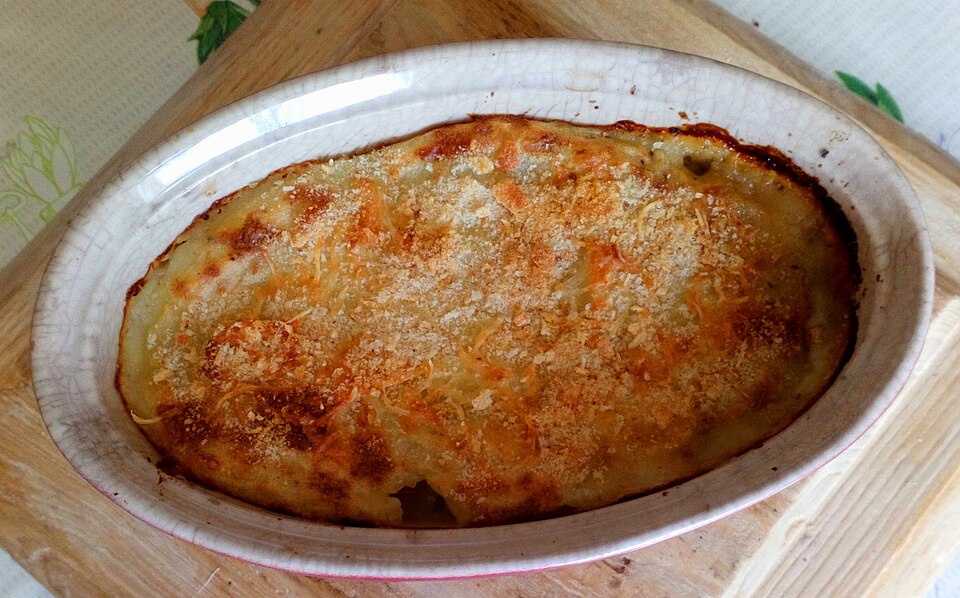
Hachis parmentier
 French · 1 h 20 min · 506 kcal
18 more
- Jamaican beef patties · Jamaican
- Jambalaya · Southern US
- Jollof rice · West African
- Khorovats · Armenian
- Kjötsúpa · Icelandic
- Manhattan clam chowder · American
- Mici · Romanian
- Mole poblano · Mexican
- Québec yellow pea soup · Canadian
- Red beans and rice · Southern US
- Ribollita · Italian
- Roasted Mediterranean Vegetables · Mediterranean
- Sarmale · Romanian
- Sausage rolls · Australian
- Shepherd's pie · British
- Shish tawook · Lebanese
- Split pea soup with ham · American
- Tourtière · Canadian