
Sauces, pastes & condiments · Vinegars
Vinegar
The family of sour liquids made by fermenting alcohol into acetic acid, from sharp white vinegar to mellow balsamic.
Also called: sirke, vinagre
What it is
Vinegar is made when bacteria convert the alcohol in wine, cider, rice wine or other ferments into acetic acid. Each base gives a different flavour: distilled white is sharp and neutral, cider is fruity, rice is mild and sweet, wine vinegars are winey, balsamic and black vinegar are dark and aged. This group record covers them all.
How it’s used
- Dressings and vinaigrettes
- Pickling vegetables
- Balancing rich or sweet sauces
- Marinades
- Deglazing pans
Characteristics
- Taste
- Sour and sharp, with flavour from the base.
- When cooked
- Its sharpness mellows with cooking; reacts with aluminium and cast iron, so use non-reactive pans for long cooking.
- Sold as
- liquid
- Cooking uses
- Mainly a seasoning, Usually eaten raw, Commonly cooked
- Common in
- International
Kinds in our pantry
Storage
Pantry-stable. Keeps very well sealed in a cool cupboard. Cloudy strands ('mother') are harmless and can be strained out.
Diet, allergens and safety
No major allergens in typical versions.
- Vegetarian
- Vegan
- Dairy-free
- Egg-free
- Gluten-free
- Nut-free
- Soy-free
- Caffeine-free
- For canning and preserving, use vinegar of the stated acidity (usually 5%) and a tested recipe.
- Malt vinegar contains gluten; wine vinegars may contain sulphites.
Substitutes
Optional — what works if you don’t have it, and how it changes the dish.
- Lemon juice — In dressings and marinades; fresher and fruitier, not for safe pickling.
Related ingredients
- VarietyWhite vinegarSharp, neutral; for pickling and cleaning.
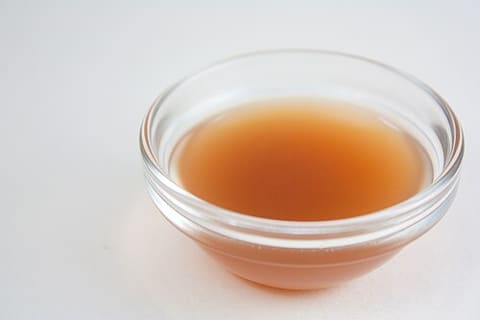 VarietyApple cider vinegarFruity, mild.
- VarietyWine vinegarRed, white and sherry styles.
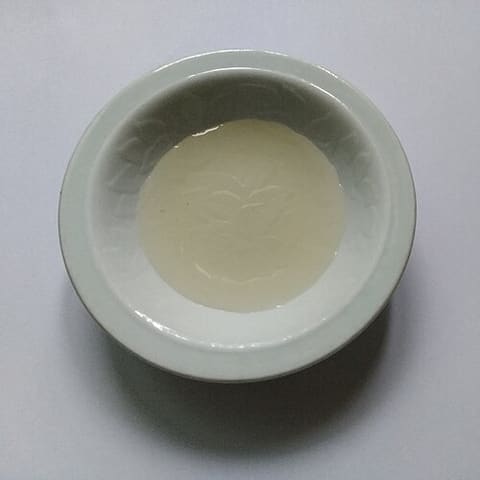 VarietyRice vinegarMild Asian vinegar for sushi and dressings.
 VarietyBalsamic vinegarSweet, aged Italian.
- VarietyChinese black vinegarDark, malty Chinese vinegar.
Recipes with vinegar
See all 196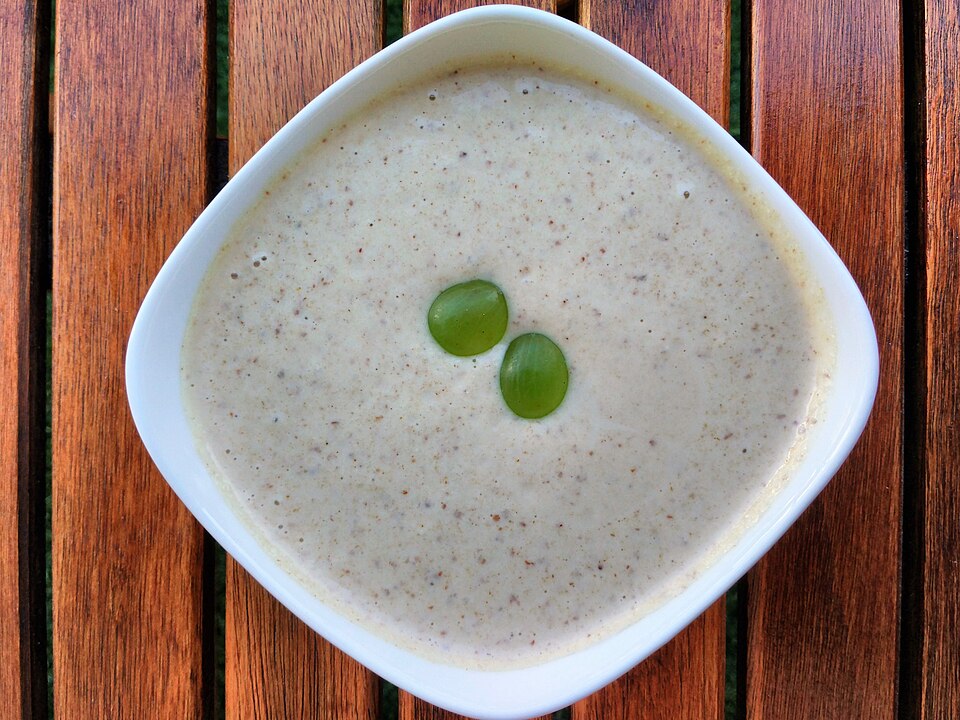
Ajo blanco
 Spanish · 2 h 15 min · 500 kcal · Vegan
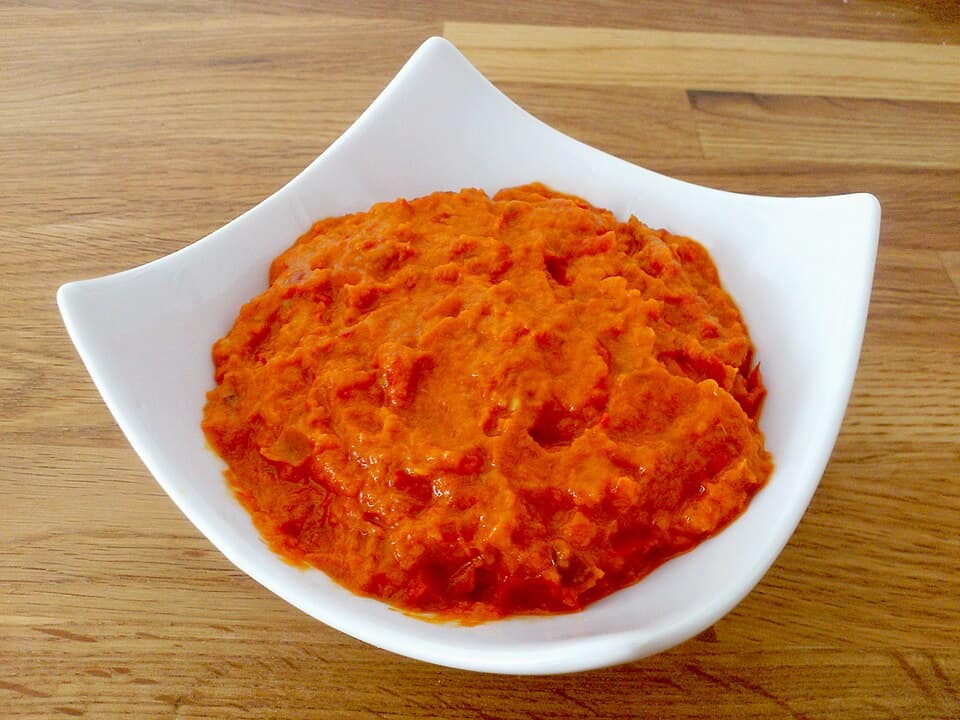
Ajvar
 Balkan · 2 h 15 min · 85 kcal · Vegan
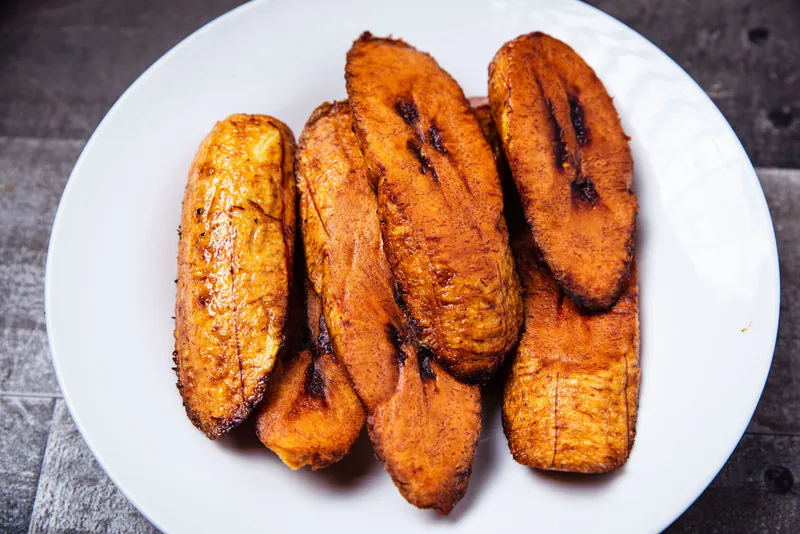
Aloko
 Ivorian · 25 min · 356 kcal · Vegan
Amba (Iraqi mango pickle sauce)
 Iraqi · 72 h 45 min · 39 kcal · Vegan
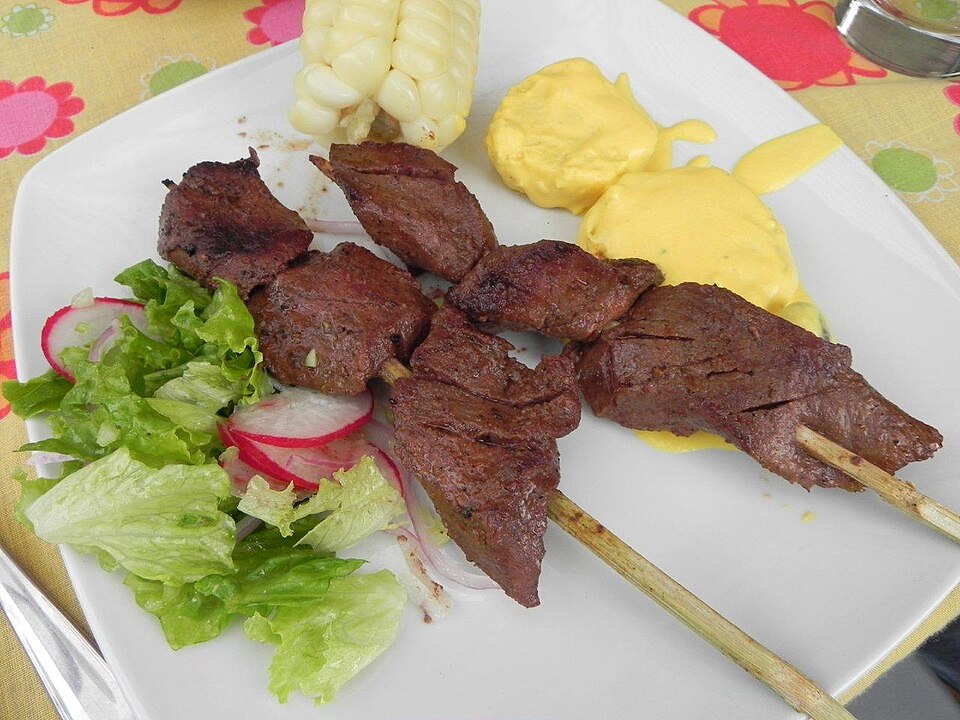
Anticuchos de corazón
 Peruvian · 45 min · 491 kcal
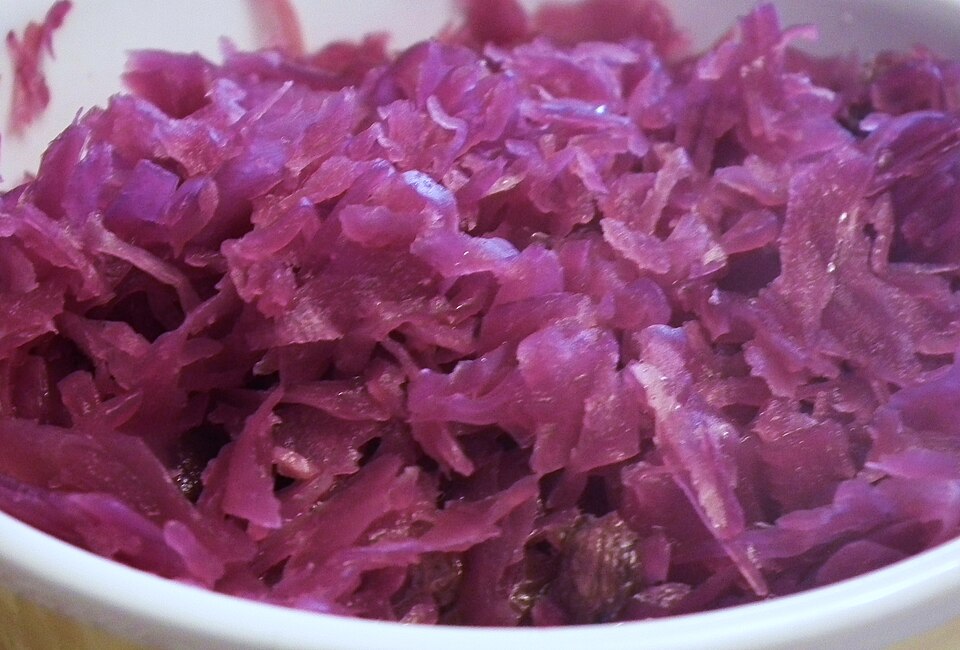
Apfelrotkohl
 German · 1 h 30 min · 145 kcal · Vegetarian
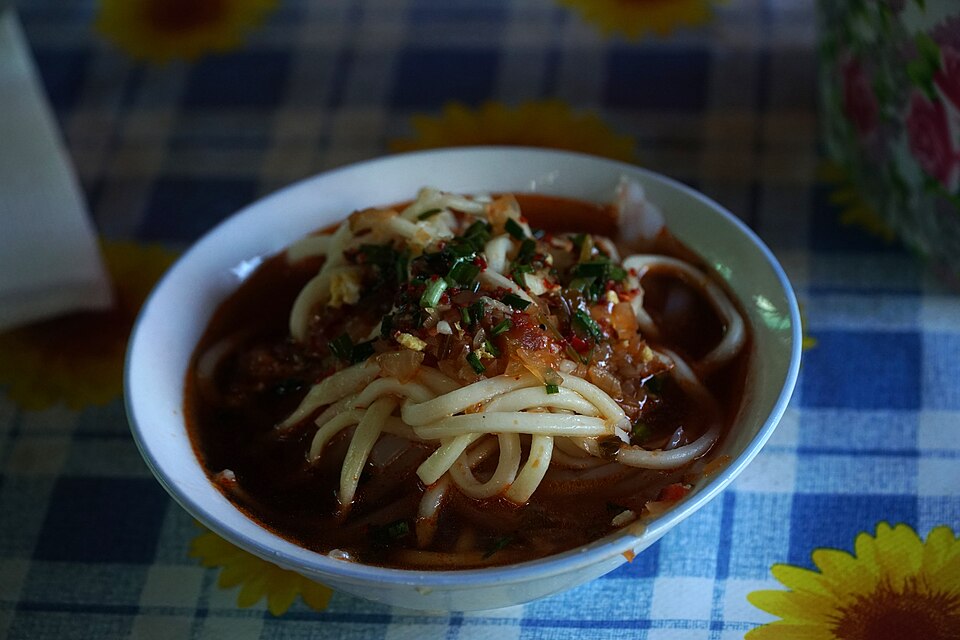
Ashlyam-fu
 Kyrgyz · 2 h 50 min · 578 kcal · Contains egg
Attiéké with grilled fish
Ivorian · 1 h 15 min · 644 kcal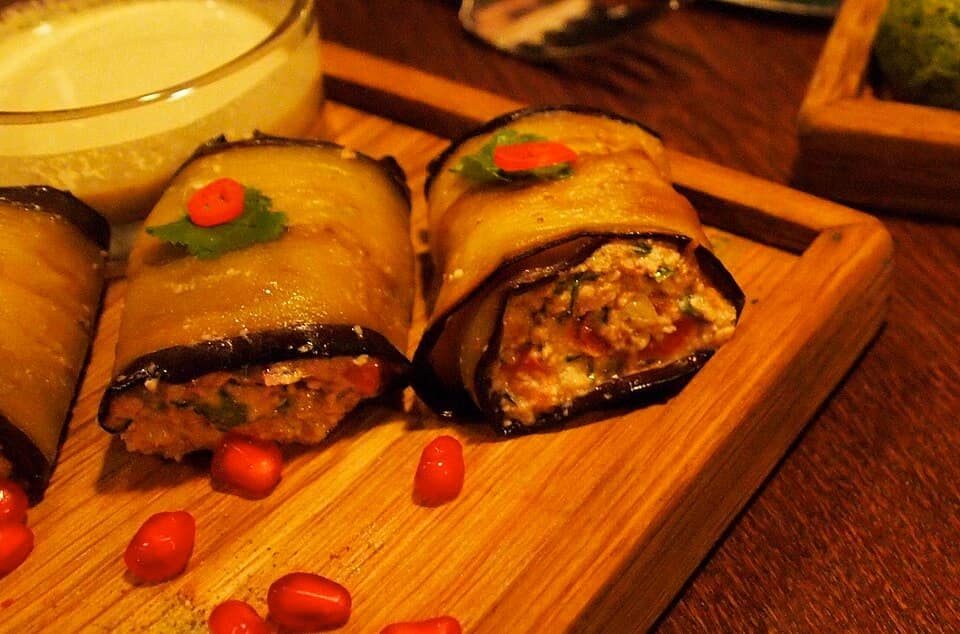
Badrijani nigvzit
 Georgian · 1 h 15 min · 295 kcal · Vegan
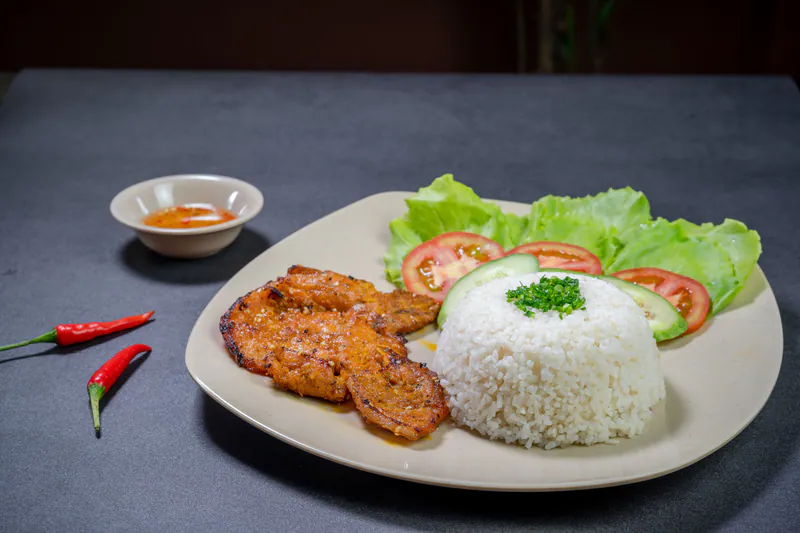
Bai sach chrouk
 Cambodian · 1 h 50 min · 724 kcal
Bang bang chicken
 Sichuan · 50 min · 224 kcal
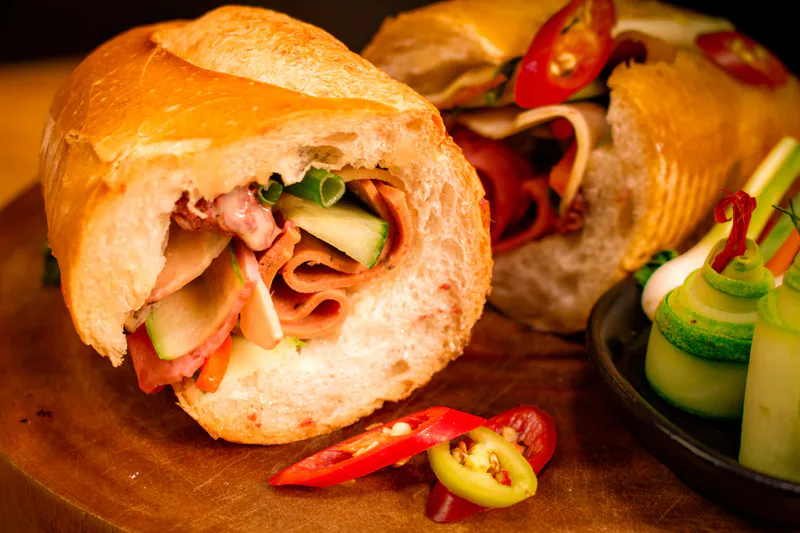
Bánh mì thịt nướng
 Vietnamese · 1 h 40 min · 656 kcal
184 more
- Bayerischer Krautsalat · German
- BBQ pulled pork · Southern US
- Béarnaise sauce · French
- Beef stifado · Greek
- Belizean rice and beans with stew chicken · Belizean
- Bergen fish soup · Norwegian
- Beurre blanc · French
- Bibim guksu · Korean
- Bibimbap · Korean
- Birria de res · Mexican
- Broccoli salad · American
- Buffalo sauce · American
- Bún chả · Vietnamese
- Butter tarts · Canadian
- Cannoli siciliani · Italian
- Cantonese sweet and sour sauce · Cantonese
- Carbonade flamande · Belgian
- Caribbean Scotch bonnet pepper sauce · Caribbean
- Chicken adobo · Filipino
- Chicken and Vegetable Stir-Fry · International
- Chikhirtma · Georgian
- Chimichurri · Argentine
- Chinese dumpling dipping sauce · Chinese
- Chinese plum sauce · Cantonese
- Chirashizushi (scattered sushi bowl) · Japanese
- Cho-gochujang (vinegared chilli sauce) · Korean
- Choripán · Argentine
- Çılbır · Turkish
- Classic French vinaigrette · French
- Cobb salad · American
- Cold soba noodle salad with edamame · International
- Colombian ají picante · Colombian
- Coorg pandi curry · South Indian
- Creamy Coleslaw · International
- Crispy Tofu and Vegetable Stir-Fry · International
- Cuban avocado salad · Cuban
- Cuban black beans · Cuban
- Cucumber sunomono · Japanese
- Currywurst · German
- Curtido · Salvadoran
- Dan dan noodles · Sichuan
- Devilled eggs · American
- Dushbara · Azerbaijani
- Eastern Carolina vinegar barbecue sauce · Southern US
- Eggs Benedict · American
- Empanadas colombianas · Colombian
- Ensalada mixta · Spanish
- Ensaladang talong · Filipino
- Espinacas con garbanzos · Spanish
- Fermented Louisiana-style hot sauce · Southern US
- Fish and chips · British
- Fish molee · South Indian
- Fish-fragrant aubergine · Sichuan
- Gazpacho · Spanish
- Georgian tomato and cucumber salad with walnuts · Georgian
- Gluten-free psyllium sandwich loaf · International
- Goan vindaloo paste · Goan
- Goma dare (Japanese sesame sauce) · Japanese
- Gravlax with mustard-dill sauce · Scandinavian
- Green goddess dressing · American
- Grilled steak with chimichurri · Argentine
- Guasacaca · Venezuelan
- Guo bao rou (Dongbei sweet and sour crispy pork) · Chinese
- Gyoza (pan-fried pork dumplings) · Japanese
- Haemul pajeon · Korean
- Hawaiian macaroni salad · American
- Homemade brown sauce · British
- Homemade hoisin sauce · Cantonese
- Homemade tomato ketchup · American
- Horseradish sauce · British
- Hot and sour shredded potatoes · Chinese
- Hot and sour soup · Chinese
- Htipiti (roasted red pepper and feta dip) · Greek
- Hunan steamed fish with chopped chillies · Chinese
- Indo-Chinese schezwan sauce · Indian
- Insalata di farro · Italian
- Insalata di rinforzo · Italian
- Japanese potato salad · Japanese
- Kansas City-style barbecue sauce · American
- Kasundi (Bengali mustard sauce) · Bengali
- Keftedes (Greek meatballs) · Greek
- Koshari · Egyptian
- Kulajda · Czech
- Kung pao chicken · Sichuan
- Kuurma lagman · Kyrgyz
- Lagman · Uzbek
- Liangpi (cold skin noodles) · Chinese
- Linsensuppe · German
- Lobio · Georgian
- Lomo saltado · Peruvian
- Malva pudding · South African
- Manchow soup · Indian
- Mangú con los tres golpes · Dominican
- Mayonnaise · French
- Mediterranean quinoa salad · Mediterranean
- Melitzanosalata (Greek smoky aubergine dip) · Greek
- Mint sauce · British
- Mojo picón (Canarian red mojo) · Spanish
- Mu saengchae · Korean
- Naga pork with bamboo shoot · Indian
- Nam jim kai (Thai sweet chilli sauce) · Thai
- Oi muchim (spicy cucumber salad) · Korean
- Omani shuwa-style slow-roast lamb · Omani
- Pad see ew · Thai
- Panzanella · Italian
- Pašticada · Croatian
- Patatas bravas · Spanish
- Pavlova · Australian
- Pebre · Chilean
- Peri-peri sauce · Mozambican
- Pernil · Puerto Rican
- Piccalilli · British
- Pikliz · Haitian
- Pipirrana · Spanish
- Piri-piri chicken · Portuguese
- Piyaz · Turkish
- Plăcinte cu brânză · Moldovan
- Poached Eggs · International
- Politiki salata · Greek
- Ponzu · Japanese
- Pork and cabbage jiaozi · Chinese
- Pork vindaloo · Goan
- Prawn balchão · Goan
- Pupusas with curtido · Central American
- Quick Pickled Red Onions · International
- Recheado masala (Goan red chilli paste) · Goan
- Roasted Mediterranean Vegetables · Mediterranean
- Roasted red pepper and tomato soup · International
- Rocoto relleno · Peruvian
- Romesco sauce · Spanish
- Salada de grão-de-bico · Portuguese
- Salade de lentilles · French
- Salade lyonnaise · French
- Salade niçoise · French
- Salmorejo · Spanish
- Salsa macha · Mexican
- Salsa verde (Italian green sauce) · Italian
- Sambal oelek · Indonesian
- Sardinhas assadas · Portuguese
- Satsivi · Georgian
- Sauce gribiche · French
- Sauerbraten · German
- Sawsawang suka (Filipino spiced vinegar dip) · Filipino
- Sekanjabin (Persian mint vinegar drink) · Iranian
- Shan tofu salad · Burmese
- Shandong sweet and sour carp · Chinese
- Shopska salad · Balkan
- Sichuan cold noodles · Sichuan
- Silpancho · Bolivian
- Simple Green Salad with Mustard Vinaigrette · International
- Singapore chilli crab · Singaporean
- Skordalia · Greek
- Smashed cucumber salad · Chinese
- Solterito arequipeño · Peruvian
- Southern collard greens · Southern US
- Spinach pkhali · Georgian
- Sri Lankan black pork curry · Sri Lankan
- Sri Lankan chicken curry · Sri Lankan
- Sumiso (vinegared miso sauce) · Japanese
- Svíčková na smetaně · Czech
- Swabian potato salad · German
- Sweet and sour pork · Cantonese
- Sweet corn soup (Indo-Chinese) · Indian
- Switchel · American
- Tacos al pastor · Mexican
- Taiwanese savoury soy milk · Taiwanese
- Three-bean salad · American
- Tiger salad · Chinese
- Tirokafteri (spicy whipped feta) · Greek
- Tzatziki · Greek
- Ukrainian borscht · Ukrainian
- Uzbek lamb shashlik · Uzbek
- Vegan chocolate cake · International
- Vepřo knedlo zelo · Czech
- Vigorón · Nicaraguan
- Vinagrete · Brazilian
- Vinegar-glazed napa cabbage · Chinese
- Wakame and cucumber sesame salad · Japanese
- Warm roasted vegetable and chickpea salad · International
- Warm salmon and potato salad with dill-mustard dressing · International
- Wholegrain mustard · French
- Wood ear mushroom salad · Chinese
- Xiaolongbao (soup dumplings) · Chinese
- Yangnyeom-ganjang (seasoned soy dipping sauce) · Korean
More vinegars
Vinegars
White vinegar
Clear, sharp distilled or spirit vinegar used for pickling, brines and when you want sourness without flavour.
58 recipes
Vinegars
Rice vinegar
Mild, slightly sweet vinegar brewed from rice, used for sushi rice, dressings and Asian pickles.
29 recipes
Vinegars
Apple cider vinegar
Golden, fruity vinegar fermented from apple cider, milder than white vinegar.
24 recipes
Vinegars
Wine vinegar
Vinegar fermented from red, white or sherry wine; rounded and winey, the classic choice for vinaigrettes.
65 recipes
Vinegars
Balsamic vinegar
Dark, sweet-sour Italian vinegar from cooked grape must, aged in wood; drizzled on salads, cheese and strawberries.
3 recipes
Vinegars
Chinese black vinegar
Dark, malty Chinese vinegar aged from glutinous rice and grains; the dipping vinegar for dumplings.
14 recipes
Vinegars
Malt vinegar
Brown vinegar brewed from malted barley, the classic sharp splash on British fish and chips and in pickled onions.
3 recipes