
Scandinavian · Swedish · Norwegian
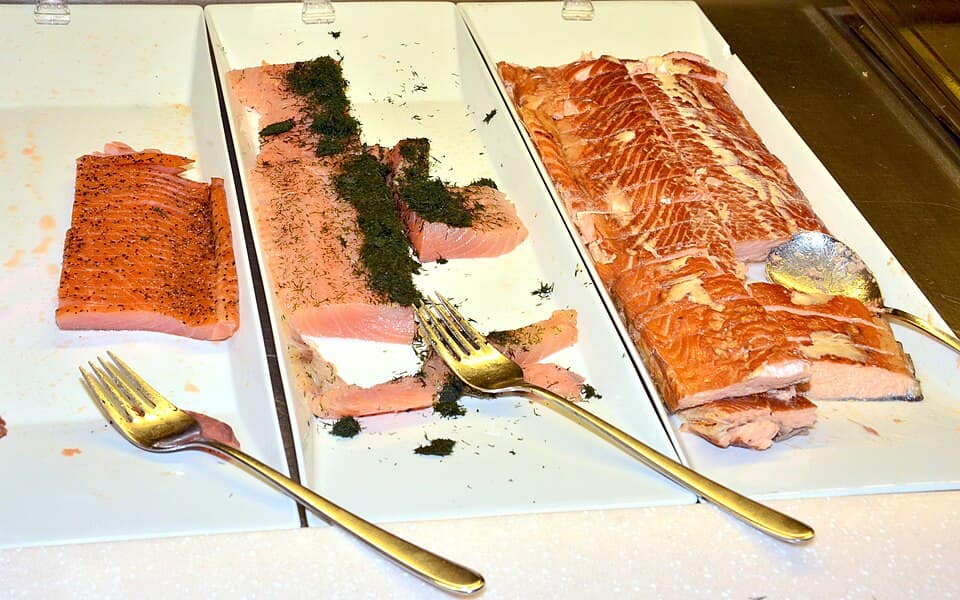
Gravlax with mustard-dill sauce
Non-vegetarian
Gravad lax
Fresh salmon cured for two days under salt, sugar, dill and pepper, then sliced thinly and served with a sweet mustard-dill sauce.
Gravlax with mustard-dill sauce is a Scandinavian starter, ready in about 48 hours 20 minutes and made with salmon and dill. It serves 8 and is rated intermediate to cook.
- Prep
- 20 min
- Cook
- 0 min
- Rest
- 48 h
- Total
- 48 h 20 min
- Serves
- 8
- Level
- Intermediate
- Calories
- 284
Method
Step 1
Mix the salt, 60 g sugar (opens in a new tab) and crushed pepper (opens in a new tab). Cut the salmon (opens in a new tab) into two equal pieces.
- 5 min
Food safety: Keep raw fish chilled and use a clean board.
Step 2
Scatter a third of the cure in a dish, lay one piece skin-side down, cover with the rest of the cure and the dill (opens in a new tab), then top with the second piece skin-side up.
How it looks · Photo: Klaus Nielsen on Pexels Step 3
Cover, weigh down lightly with a plate and refrigerate for 48 hours, turning the 'sandwich' every 12 hours and basting with the brine that forms.
- 2 min
Step 4
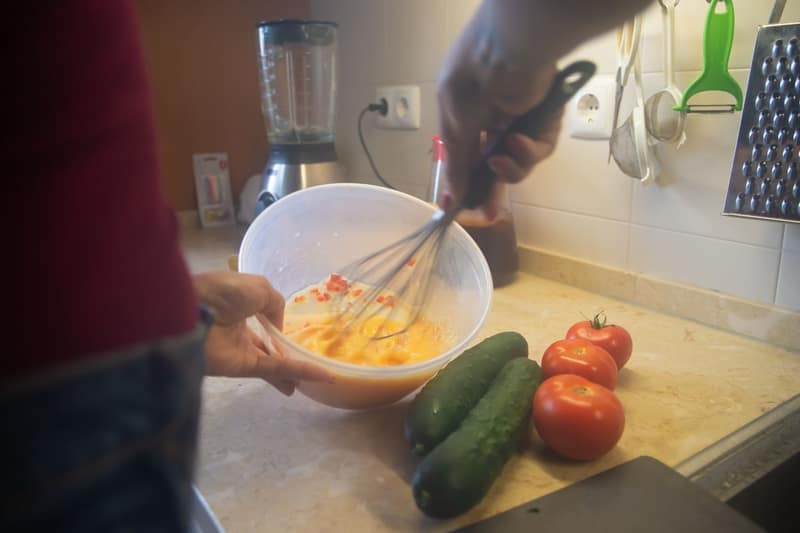
For the sauce, whisk (opens in a new tab) the mustard, sugar (opens in a new tab) and vinegar, then slowly whisk in the oil until thick. Stir in the chopped dill (opens in a new tab).
How it looks · Photo: Kampus Production on Pexels Step 5
Scrape off the cure, pat the salmon (opens in a new tab) dry and slice thinly at an angle off the skin. Serve with the sauce and rye bread (opens in a new tab) or potatoes.
- 5 min

How it looks · Photo: Willians Huerta on Pexels
About this dish
- Origin
- Not attributed to one place · Commonly attributedA shared Nordic tradition, especially in Sweden and Norway.Also popular in Sweden, Norway, Denmark, Finland
- Dish
- Lunch · Brunch · Appetizers & starters
- Cooking method
- Marinated / cured, Raw
- Taste
- salty, herby, sweet & savoury, fresh
- Diet
- Pescatarian · Dairy-free · No nut ingredients · Keto-style · Low-carb · High-proteinWithout the optional extras: No gluten ingredientsWorked out from the ingredients. How labels work
All labels
Pescatarian · Non-vegetarian · Dairy-free · Egg-free · No nut ingredients · Alcohol-free · Pork-free · Beef-free · Keto-style · Low-carb · High-protein · Calorie-conscious - Good for
- Make-ahead · Festive & celebration
- Cook more with
- Salmon · Dill · Sugar · Prepared mustard · White vinegar
- Techniques
- Marinating · Curing
Allergens
- May contain: Milkfrom rye bread
- Contains: Fishfrom salmon
- Contains, can be adapted: Wheatfrom rye bread
- Contains, can be adapted: Glutenfrom rye bread
- May contain: Soyfrom rye bread
- May contain: Sesamefrom rye bread
- Contains: Mustardfrom prepared mustard
- May contain: Sulphitesfrom prepared mustard
Based on typical versions of these ingredients and not verified allergen-free. Brands differ and cross-contact happens, so always check labels. For severe allergies, follow your clinician’s advice.
Nutrition
284 kcal per serving
Calculated1 serving ≈ 121 g · recipe makes 8
Where the energy comes from
- Protein 30%
- Carbohydrate 5%
- Fat 65%
| Nutrient | Per serving | Per 100 g* |
|---|---|---|
| Energy | 284 kcal | 236 kcal |
| Protein | 20.7 g | 17.2 g |
| Carbohydrate | 3.5 g | 2.9 g |
| Net carbohydrate | 3.2 g | 2.6 g |
| Sugars | 2.9 g | 2.4 g |
| Added sugars | 2.8 g | 2.3 g |
| Fibre | 0.3 g | 0.2 g |
| Fat | 20.4 g | 16.9 g |
| Saturated fat | 3.8 g | 3.1 g |
| Trans fat | — | — |
| Cholesterol | 55 mg | 46 mg |
| Sodium | 492 mg | 408 mg |
| Salt equivalent | 1.2 g | 1 g |
Vitamins & minerals per serving
- Potassium
- 401 mg
- Calcium
- 21 mg
- Iron
- 0.7 mg
- Magnesium
- 31 mg
- Vitamin A (RAE)
- 73 µg
- Vitamin C
- 7 mg
- Vitamin D
- —
- Vitamin B12
- 3.2 µg
- Folate (DFE)
- 32 µg
How these numbers were made
- Calculated from USDA FoodData Central (SR Legacy) per-100 g values and the listed quantities.
- *Per 100 g of combined raw ingredients; the cooked dish may weigh more or less.
- Optional ingredients are not included: rye bread.
- “—” means the value isn’t known for enough of the ingredients; it is never zero by default.
- Values are estimates for guidance, not for medical dosing. U.S. Department of Agriculture, Agricultural Research Service. FoodData Central, 2019. fdc.nal.usda.gov.
Good to know
Tips
- Some cooks add a splash of aquavit or a little grated beetroot to the cure.
Common mistakes
- Curing for too long makes the salmon hard and overly salty.
Serve with
- Serve on rye bread or with dill potatoes as part of a Nordic buffet.
Food safety
- Cured salmon is not cooked. Use very fresh fish that has been frozen to −20 °C for at least 24 hours to kill parasites, and avoid for pregnant people, young children and the immunocompromised.
Storage
- Wrapped, keeps refrigerated for up to 5 days after curing.
Original editorial recipe · FriendsPantry editorial · Not yet independently reviewed · Added · Updated
Recipe DNA
How this dish is built
Reviews & corrections
Reviews come from signed-in cooks and appear after a moderator checks them. We never show made-up ratings.
You might also like
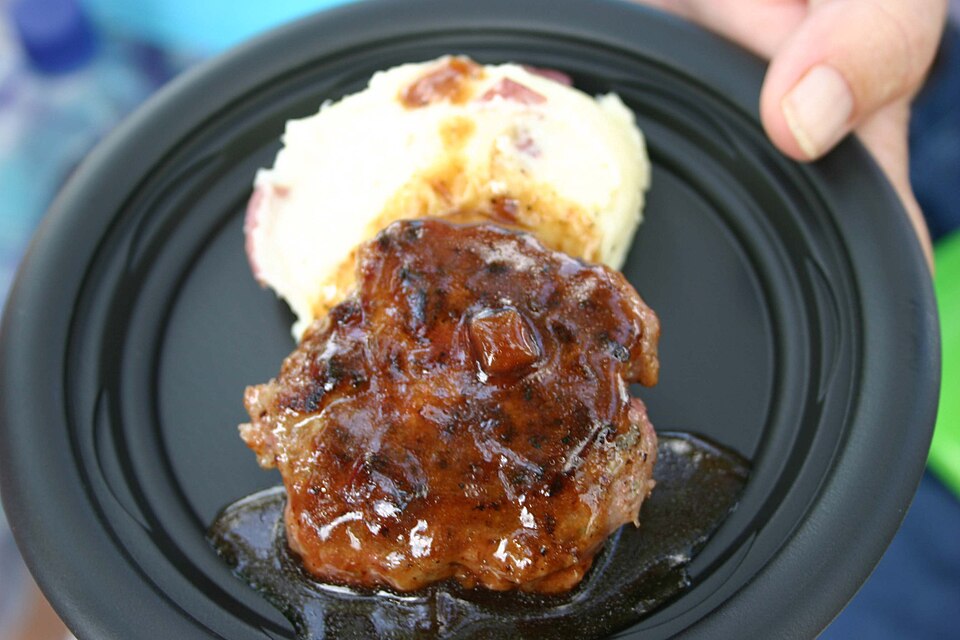
Kjøttkaker i brun saus
 Norwegian · 55 min · 521 kcal
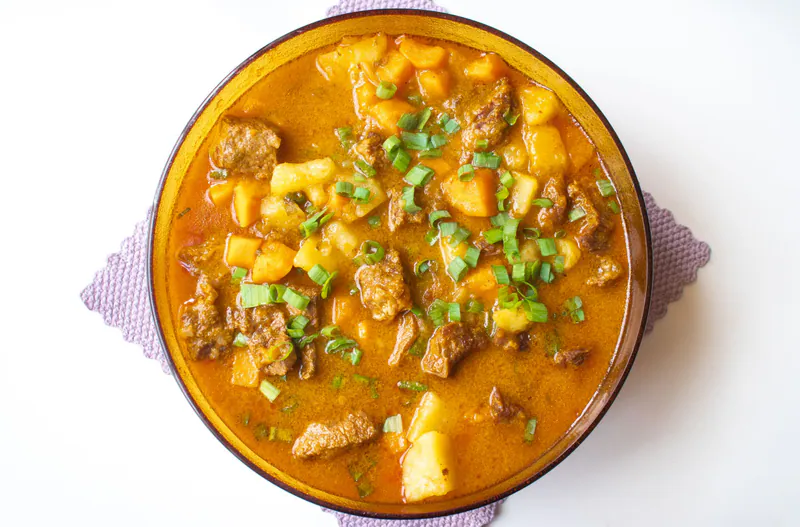
Brun lapskaus
Norwegian · 2 h 5 min · 320 kcal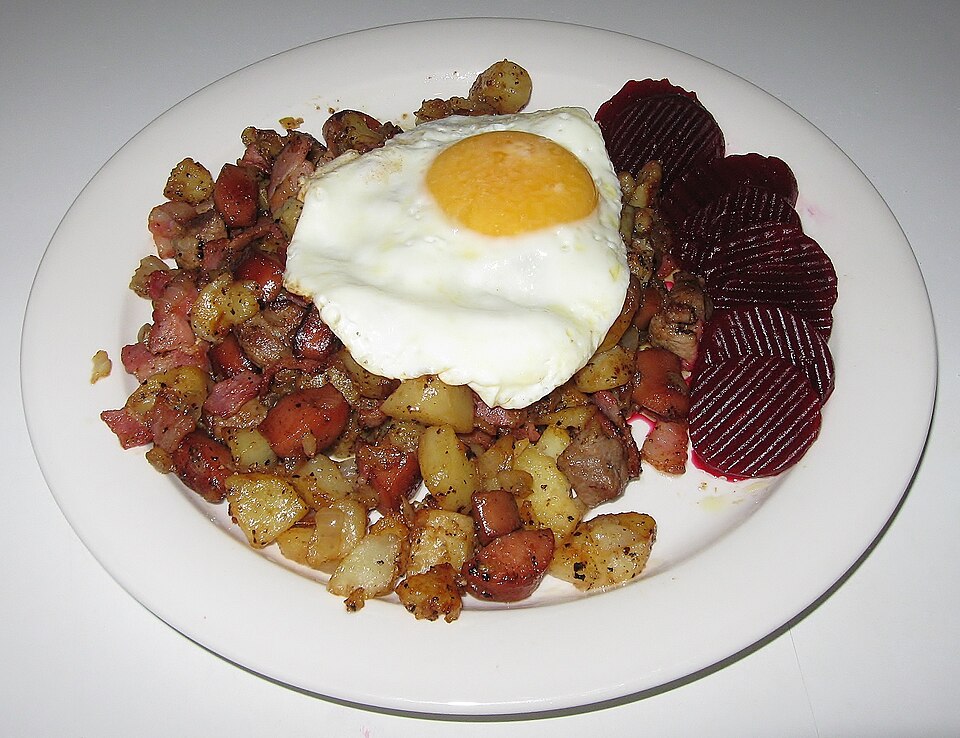
Pyttipanna
 Swedish · 45 min · 485 kcal
Swedish meatballs
Swedish · 55 min · 611 kcal