
Sauces, pastes & condiments · Vinegars
Balsamic vinegar
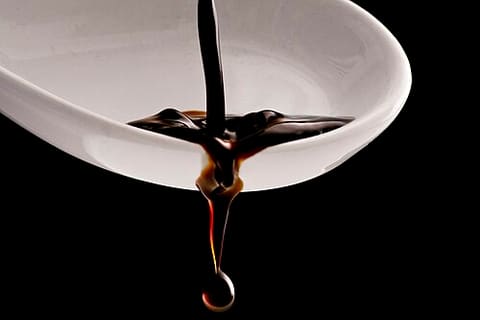
Dark, sweet-sour Italian vinegar from cooked grape must, aged in wood; drizzled on salads, cheese and strawberries.
Also called: balsamic, aceto balsamico
A kind of vinegar
Photo: Andrea Levers, via Wikimedia Commons (CC-BY-SA-2.0)
What it is
Traditional balsamic from Modena or Reggio Emilia is grape must cooked down and aged for many years in wooden barrels, becoming thick, sweet and complex. Everyday 'balsamic vinegar of Modena' blends cooked must with wine vinegar and is thinner and sharper. Balsamic glaze is reduced and often thickened and sweetened.
How it’s used
- Dressings and drizzles for salads and tomatoes
- With olive oil for dipping bread
- Glazing roasted vegetables, meat and onions
- Over strawberries, Parmesan or ice cream
- Deglazing pan sauces
Characteristics
- Taste
- Sweet, tangy, fruity and mellow.
- Texture
- Thin (everyday) to syrupy (aged or glaze).
- Appearance
- Very dark brown, glossy.
- When cooked
- Reduces into a syrup; burns easily once reduced.
- Sold as
- liquid
- Cooking uses
- Mainly a seasoning, Usually eaten raw, Used as a garnish
- Common in
- Italian, Mediterranean
Storage
Pantry-stable. Keeps well sealed in a cool cupboard.
Diet, allergens and safety
No major allergens in typical versions. May contain Sulphites — check the label.
- Vegetarian
- Vegan
- Dairy-free
- Egg-free
- Gluten-free
- Nut-free
- Soy-free
- Caffeine-free
- May contain sulphites; some cheaper versions contain caramel colouring.
Nutrition per 100 g
- Energy
- 88 kcal
- Protein
- 0.49 g
- Carbohydrate
- 17.03 g
- Fat
- 0 g
- Fibre
- — g
- Sugars
- 14.95 g
USDA FoodData Central: Vinegar, balsamic.
Substitutes
Optional — what works if you don’t have it, and how it changes the dish.
- Wine vinegar — Red wine vinegar with a little honey or sugar.
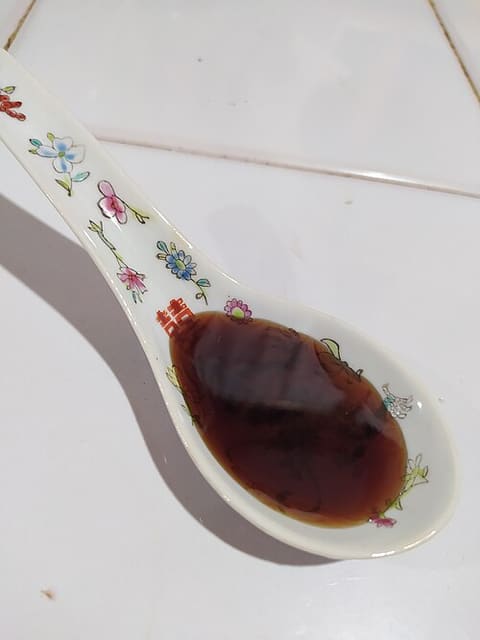
- Chinese black vinegar — Works in many dressings and dips; maltier.
Related ingredients
Recipes with balsamic vinegar
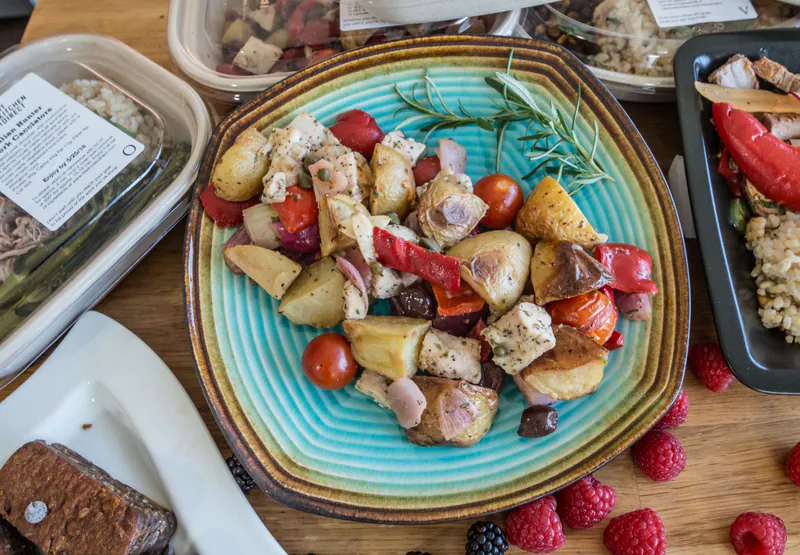
Roasted Mediterranean Vegetables
Mediterranean · 55 min · 214 kcal · Vegan
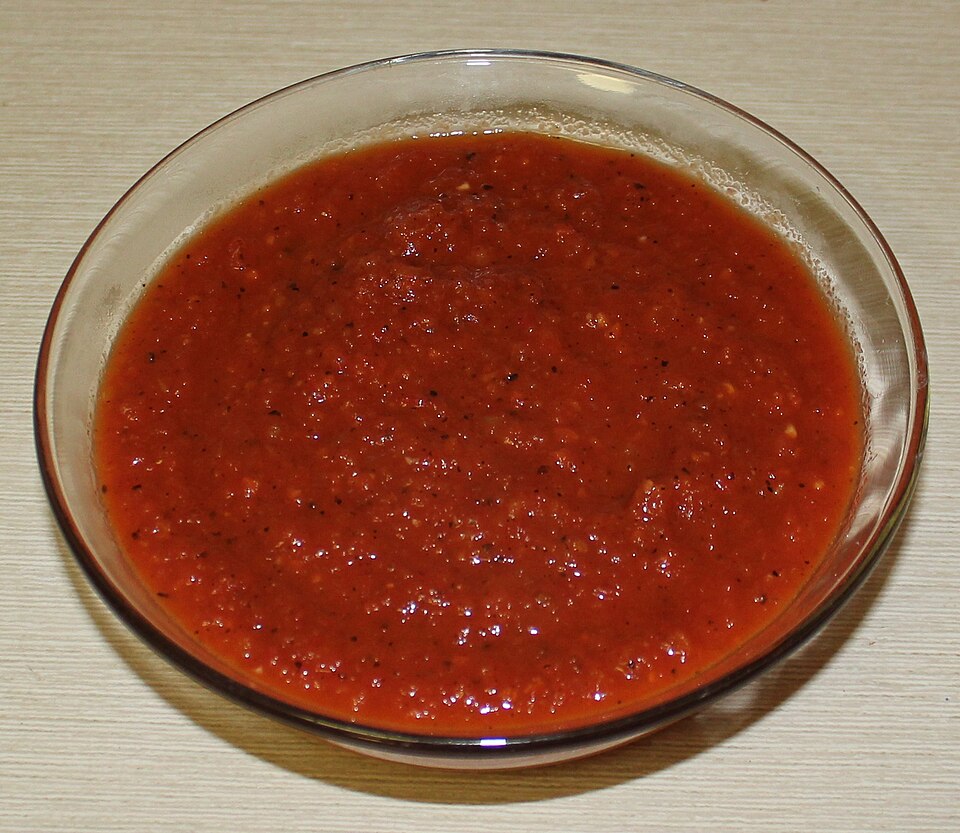
Roasted red pepper and tomato soup
International · 1 h 5 min · 178 kcal · Vegan
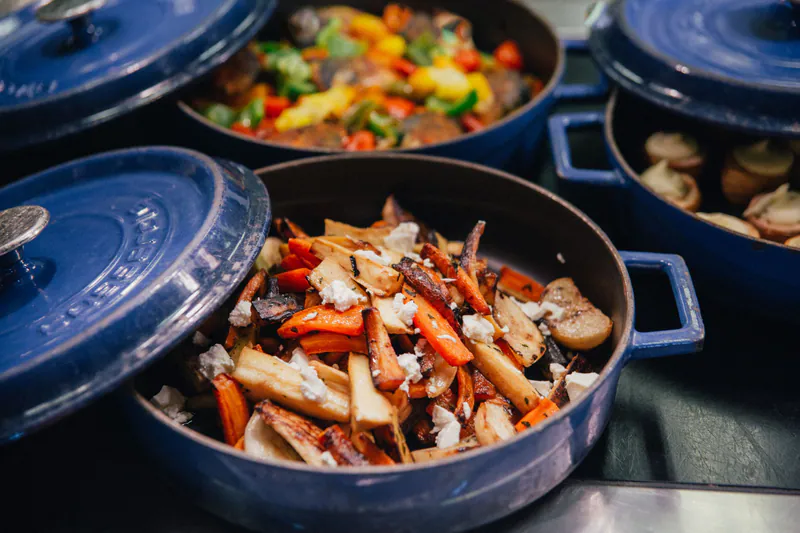
Warm roasted vegetable and chickpea salad
International · 55 min · 415 kcal · Vegetarian
More vinegars
Vinegars
Vinegar
The family of sour liquids made by fermenting alcohol into acetic acid, from sharp white vinegar to mellow balsamic.
196 recipes
Vinegars
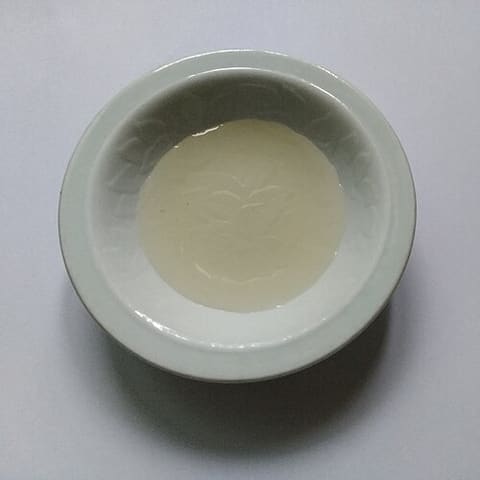
White vinegar
Clear, sharp distilled or spirit vinegar used for pickling, brines and when you want sourness without flavour.
58 recipes
Vinegars
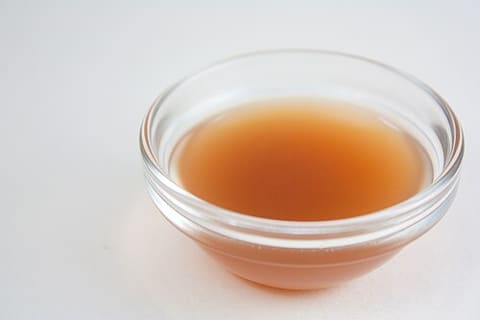
Rice vinegar
Mild, slightly sweet vinegar brewed from rice, used for sushi rice, dressings and Asian pickles.
29 recipes
Vinegars
Apple cider vinegar
Golden, fruity vinegar fermented from apple cider, milder than white vinegar.
24 recipes
Vinegars
Wine vinegar
Vinegar fermented from red, white or sherry wine; rounded and winey, the classic choice for vinaigrettes.
65 recipes
Vinegars
Chinese black vinegar
Dark, malty Chinese vinegar aged from glutinous rice and grains; the dipping vinegar for dumplings.
14 recipes
Vinegars
Malt vinegar
Brown vinegar brewed from malted barley, the classic sharp splash on British fish and chips and in pickled onions.
3 recipes