
Tomato and egg stir-fry
Contains egg (no meat or fish)
番茄炒蛋 · fānqié chǎo dàn
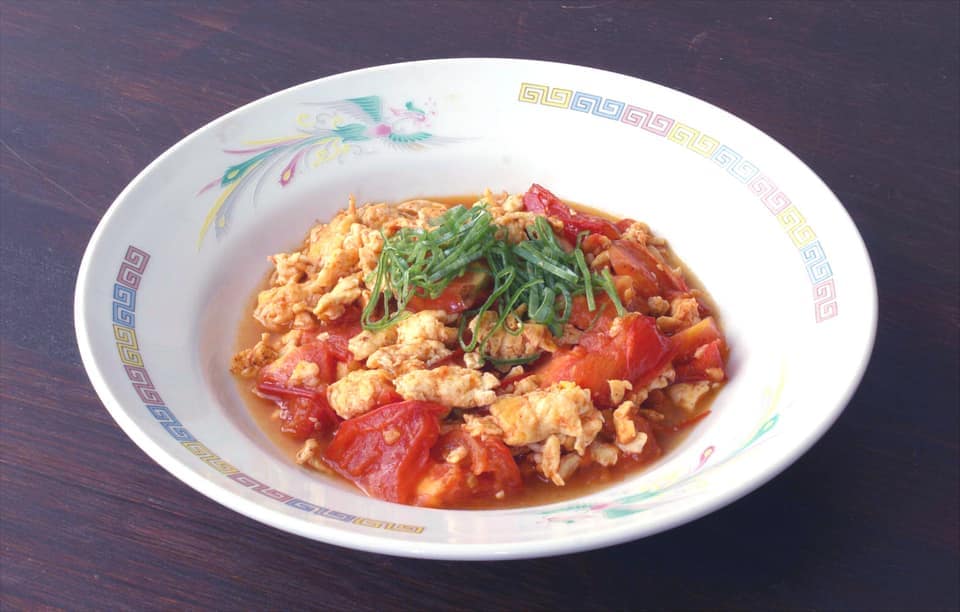
Fluffy scrambled eggs folded into a quick, sweet-sour tomato sauce — one of the most common home dishes in China, ready in about 15 minutes.
Tomato and egg stir-fry is a Chinese egg dish from China, ready in about 13 minutes and made with egg and tomato. It serves 2 and is rated beginner to cook.
- Prep
- 5 min
- Cook
- 8 min
- Total
- 13 min
- Serves
- 2
- Level
- Beginner
- Calories
- 314
Method
Step 1
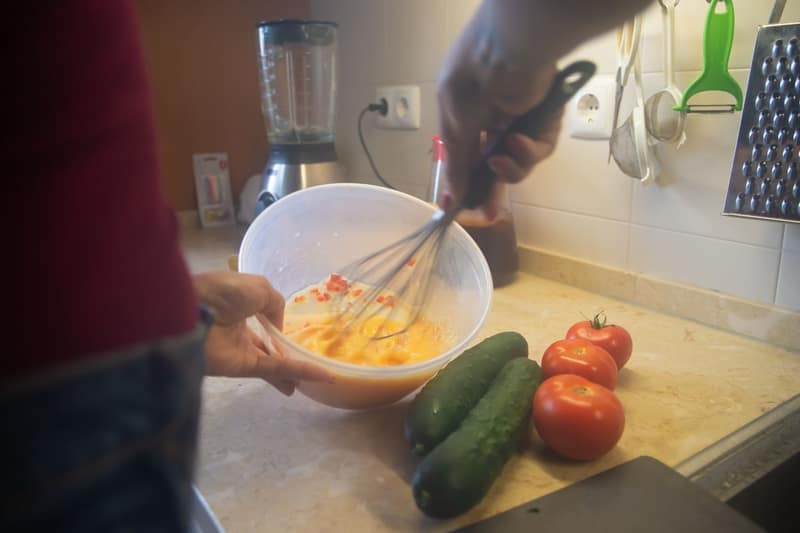
Beat the eggs (opens in a new tab) with a pinch of the salt until no streaks remain.
- 1 min
How it looks · Photo: Kampus Production on Pexels Step 2
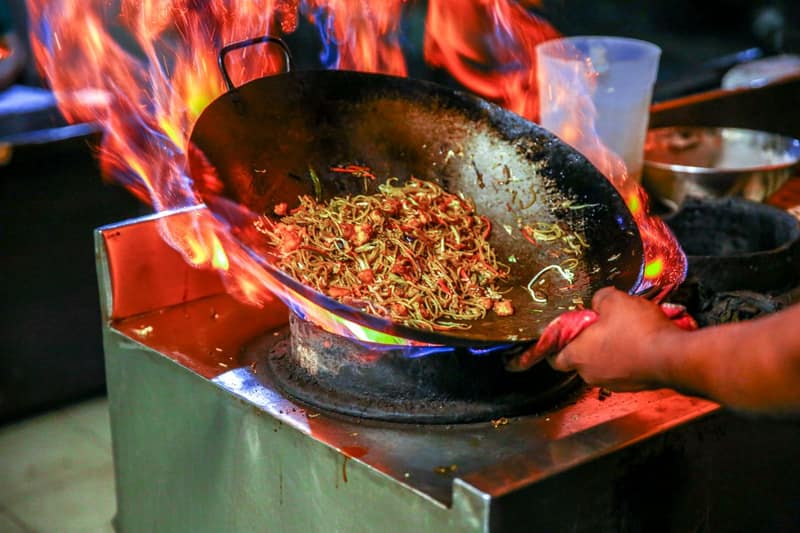
Heat 1½ tbsp oil in a wok (opens in a new tab) over high heat. Pour in the eggs (opens in a new tab), let them puff for a few seconds, then push them into large soft curds. Tip out while still slightly runny.
- 1 min
- high heat
- Wok (opens in a new tab)
How it looks · Photo: Aesthos AR. Photography on Pexels Step 3
Add the remaining oil and the tomatoes (opens in a new tab) and stir-fry until they start to collapse. Add sugar (opens in a new tab), the rest of the salt, water and ketchup (opens in a new tab) if using, and cook until saucy.
- 4 min
- medium-high heat
Step 4
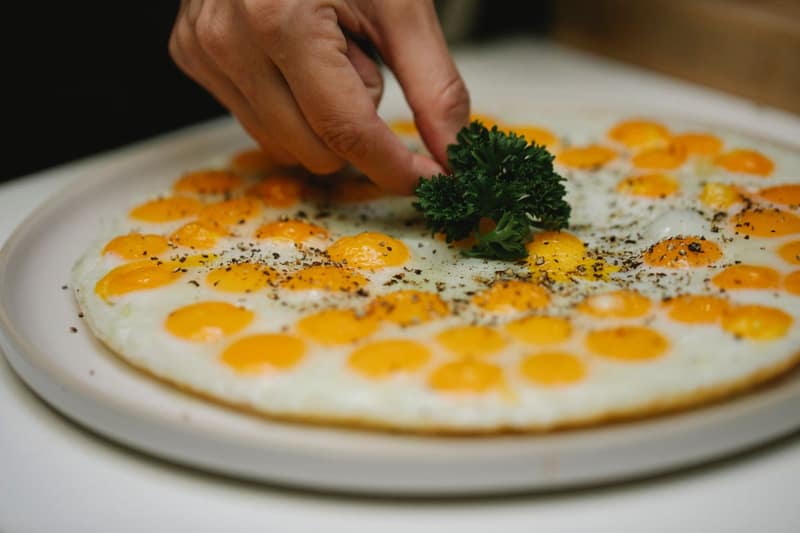
Return the eggs (opens in a new tab), fold through gently until just set, sprinkle with spring onion (opens in a new tab) and serve over rice.
- 1 min
- medium heat
Food safety: Cook eggs until set if serving young children, pregnant people or anyone vulnerable.
How it looks · Photo: Klaus Nielsen on Pexels
About this dish
- Origin
- China · Well documentedAlso popular in Taiwan, Singapore, MalaysiaMore food from China
- Dish
- Lunch · Dinner · Egg dishes · Main courses
- Cooking method
- Stir-fried
- Taste
- sweet & sour, mild, savoury
- Diet
- Vegetarian (lacto-ovo) · No gluten ingredients · Dairy-free · No nut ingredients · Low-carbWorked out from the ingredients. How labels work
All labels
Vegetarian (lacto-ovo) · Eggetarian · Ovo-vegetarian · Pescatarian · Flexitarian-friendly · No gluten ingredients · Dairy-free · No nut ingredients · Alcohol-free · Pork-free · Beef-free · Low-carb - Good for
- Everyday · Budget-friendly · Child-friendly · One-pan
- Cook more with
- Egg · Tomato · Sugar · Spring onion
- Techniques
- Stir-frying
Allergens
- Contains: Eggsfrom egg
- May contain: Mustardfrom tomato ketchup
- May contain: Celeryfrom tomato ketchup
Based on typical versions of these ingredients and not verified allergen-free. Brands differ and cross-contact happens, so always check labels. For severe allergies, follow your clinician’s advice.
Nutrition
314 kcal per serving
Calculated1 serving ≈ 329 g · recipe makes 2
Where the energy comes from
- Protein 18%
- Carbohydrate 16%
- Fat 66%
| Nutrient | Per serving | Per 100 g* |
|---|---|---|
| Energy | 314 kcal | 96 kcal |
| Protein | 14.3 g | 4.3 g |
| Carbohydrate | 12.5 g | 3.8 g |
| Net carbohydrate | 10.1 g | 3.1 g |
| Sugars | 9.5 g | 2.9 g |
| Added sugars | 4.2 g | 1.3 g |
| Fibre | 2.4 g | 0.7 g |
| Fat | 23.5 g | 7.1 g |
| Saturated fat | 4.2 g | 1.3 g |
| Trans fat | 0.1 g | 0 g |
| Cholesterol | 372 mg | 113 mg |
| Sodium | 735 mg | 224 mg |
| Salt equivalent | 1.8 g | 0.6 g |
Vitamins & minerals per serving
- Potassium
- 586 mg
- Calcium
- 82 mg
- Iron
- 2.4 mg
- Magnesium
- 34 mg
- Vitamin A (RAE)
- 239 µg
- Vitamin C
- 26 mg
- Vitamin D
- 2 µg
- Vitamin B12
- 0.9 µg
- Folate (DFE)
- 79 µg
How these numbers were made
- Calculated from USDA FoodData Central (SR Legacy) per-100 g values and the listed quantities.
- *Per 100 g of combined raw ingredients; the cooked dish may weigh more or less.
- Optional ingredients are not included: tomato ketchup, long-grain white rice.
- “—” means the value isn’t known for enough of the ingredients; it is never zero by default.
- Values are estimates for guidance, not for medical dosing. U.S. Department of Agriculture, Agricultural Research Service. FoodData Central, 2019. fdc.nal.usda.gov.
Good to know
Tips
- Very ripe tomatoes give the best sauce; peel them first if you dislike skins.
Common mistakes
- Cooking the eggs fully in step 2 — they finish in the sauce, so take them out while still glossy or they turn rubbery.
- Using hard, pale tomatoes: they never break down into a sauce. Use the ripest you can find, or add the optional ketchup.
Serve with
- Spoon over steamed rice or noodles.
Storage
- Best eaten fresh; refrigerate leftovers for 1 day.
Original editorial recipe · FriendsPantry editorial · Not yet independently reviewed · Added · Updated
Sauces, chutneys & dips for this dish
Recipe DNA
How this dish is built
Grouped by each ingredient’s role in the dish. Each band’s width is its share of the dish by weight. Choose a component to see what it does.
Reviews & corrections
Reviews come from signed-in cooks and appear after a moderator checks them. We never show made-up ratings.
You might also like
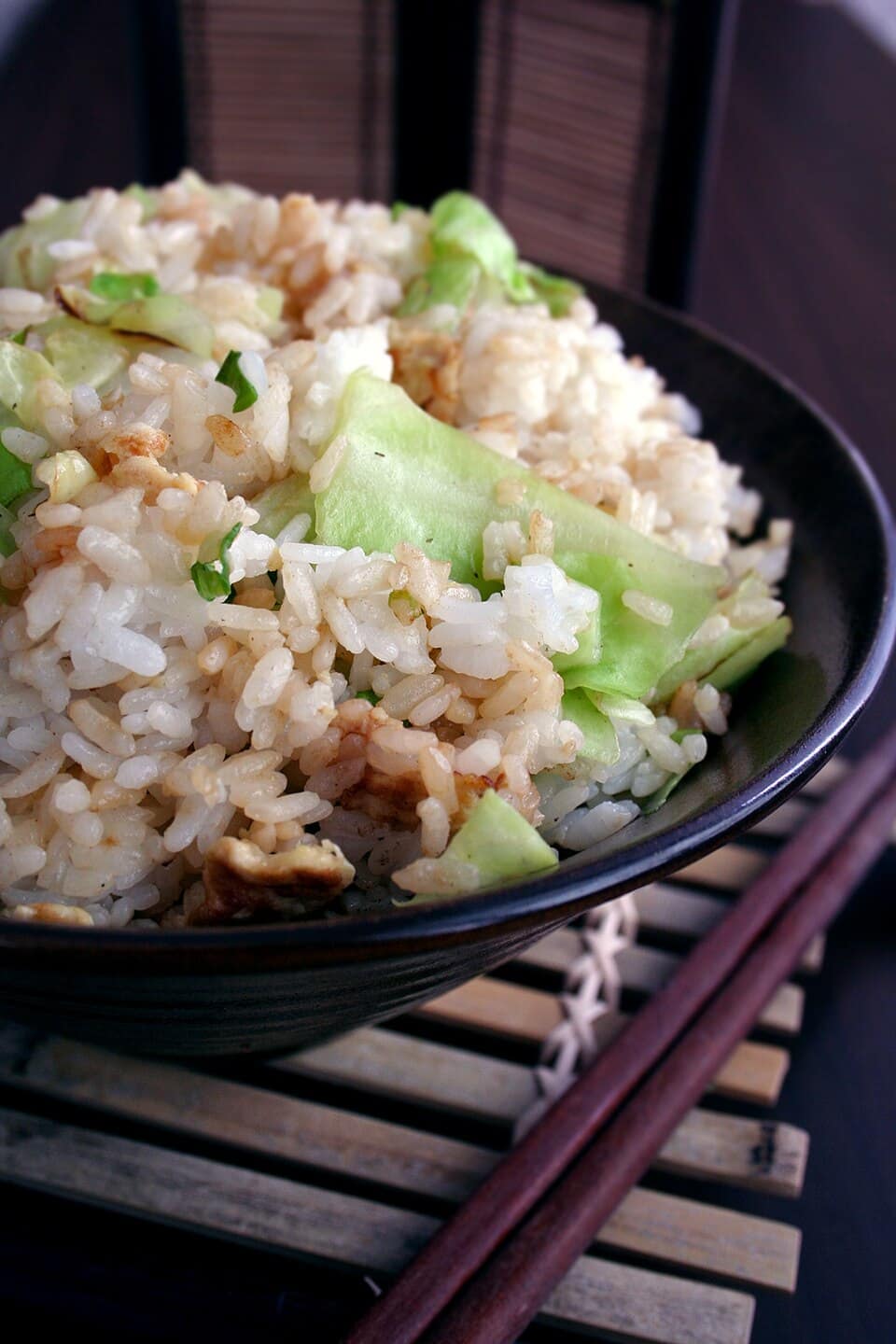
Egg fried rice
 Chinese · 13 min · 601 kcal · Contains egg
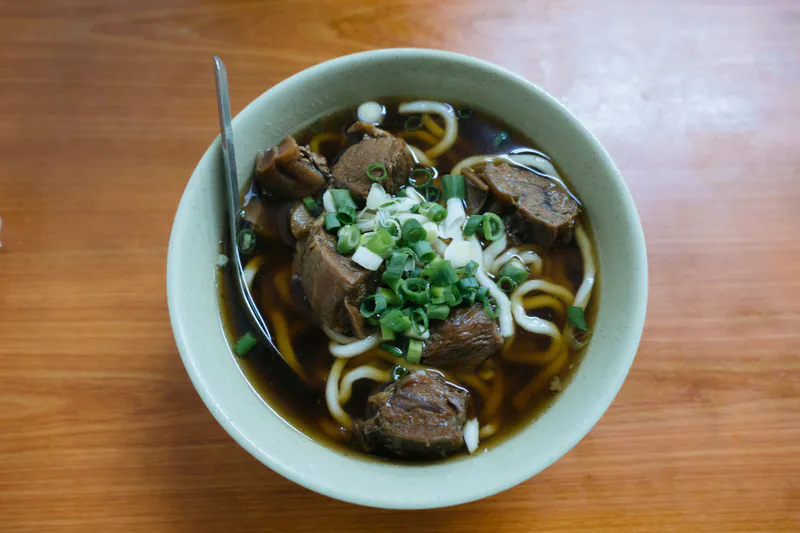
Taiwanese beef noodle soup
 Taiwanese · 3 h · 551 kcal
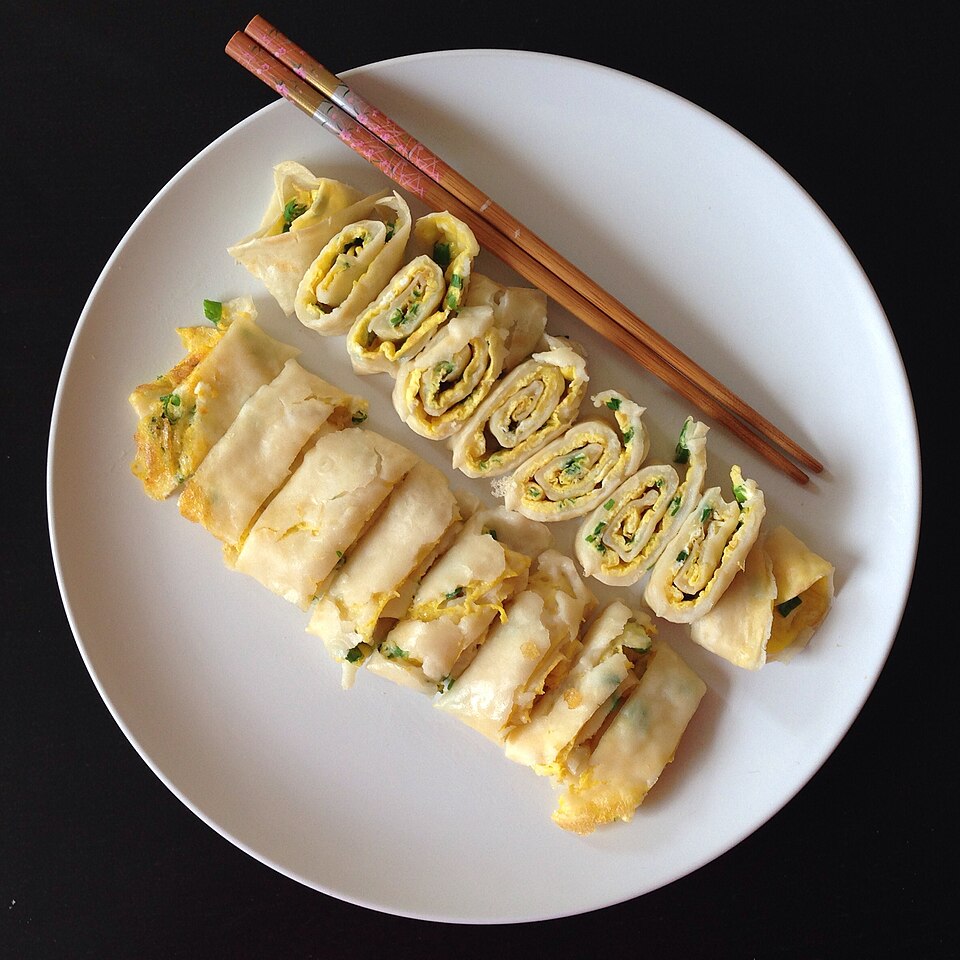
Dan bing (Taiwanese egg crepe)
Taiwanese · 15 min · 265 kcal · Contains egg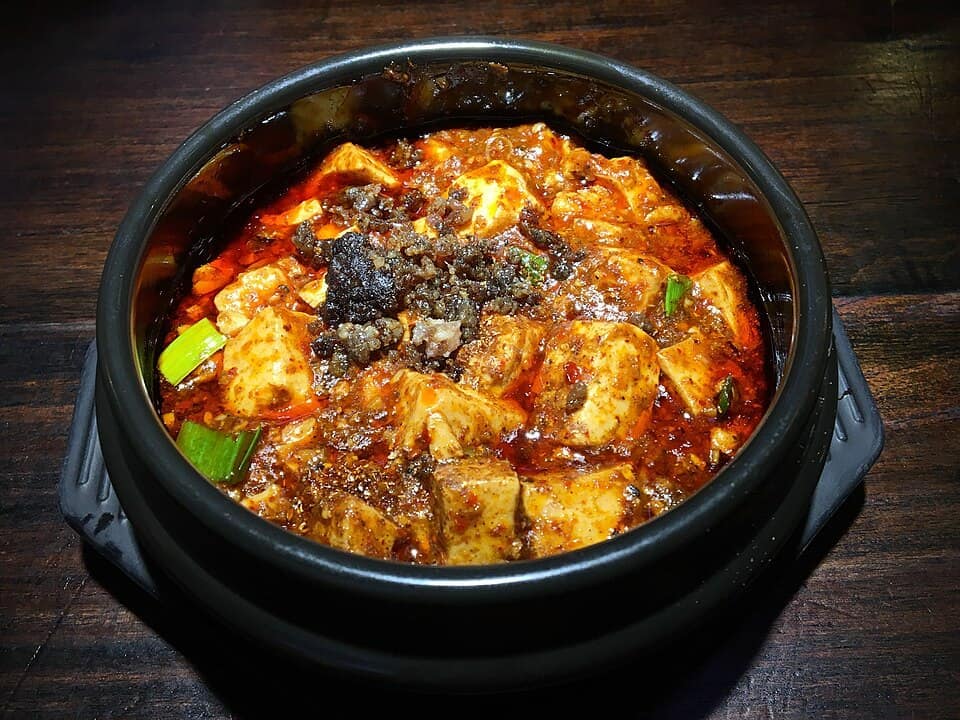
Mapo tofu
Sichuan · 25 min · 253 kcal