
Dry-heat cooking · advanced
Smoking
Also: hot smoking, cold smoking
Flavouring and cooking (or only flavouring) food with smoke from smouldering wood.
What it is
Smoking exposes food to smoke from smouldering hardwood. Hot smoking cooks the food at the same time; cold smoking adds flavour at low temperatures without cooking and is used on food that is already cured or will be cooked later.
Why cooks use it: Smoke adds a distinctive aroma and colour; traditionally, combined with salting and drying, it helped preserve meat and fish.
The science
Wood breaks down when heated with limited oxygen, releasing phenols and other aromatic compounds that settle on the moist surface of food. Clean, thin blue smoke gives better flavour than thick white smoke, which carries more bitter, sooty compounds.
How heat moves into foodAroma compounds and flavourThe science of curingThe science of dryingFood-safety temperatures
Step by step
Season or cure the food and let the surface dry slightly so smoke adheres.
Set up the smoker or a covered kettle grill for indirect heat with a water pan.
Add dry hardwood chunks or chips to the coals or the smoker box.
Hold the cooking chamber at a steady low temperature and keep vents partly open for clean smoke.
Cook until the internal temperature and tenderness are reached.
Rest wrapped before slicing.
Heat and timing
- Smoking 90–135 °C · Hot smoking (barbecue) about 105–135 °C; hot-smoked fish about 90–110 °C. Cold smoking keeps the chamber below about 30 °C and does not cook the food.
Time: 1–3 hours for fish; 6–14 hours for brisket or pork shoulder.
How you know it’s right
- Thin, bluish, almost invisible smoke
- Deep mahogany bark
- Probe slides in with little resistance (tough cuts)
Common mistakes
- Thick white smoke from damp wood or choked vents
- Opening the lid repeatedly
- Using resinous softwoods
- Cold smoking without curing or experience
Troubleshooting
- Bitter, acrid taste
- Open the vents for cleaner combustion and use less wood.
- Temperature stalls on large cuts
- This is normal evaporative cooling; wait or wrap the meat in butcher paper or foil.
Restaurant DNA
How professionals do it
Barbecue restaurants run dedicated offset or rotisserie smokers for many hours and manage fire and airflow by hand; some kitchens use handheld smoke guns or smoking cloches for a quick tableside aroma.
At home
A kettle grill set for indirect heat with a few wood chunks, or a stovetop wok smoker for fish, works well. For Indian dishes, dhungar is the home-friendly smoke method.
General professional practice — not any particular restaurant’s recipe.
Food safety
- Smoke outdoors only; smouldering wood gives off carbon monoxide.
- Cold smoking leaves food raw and in the danger zone for long periods; only cold-smoke properly cured food and follow tested procedures.
- Poultry to 74 °C.
Practise it
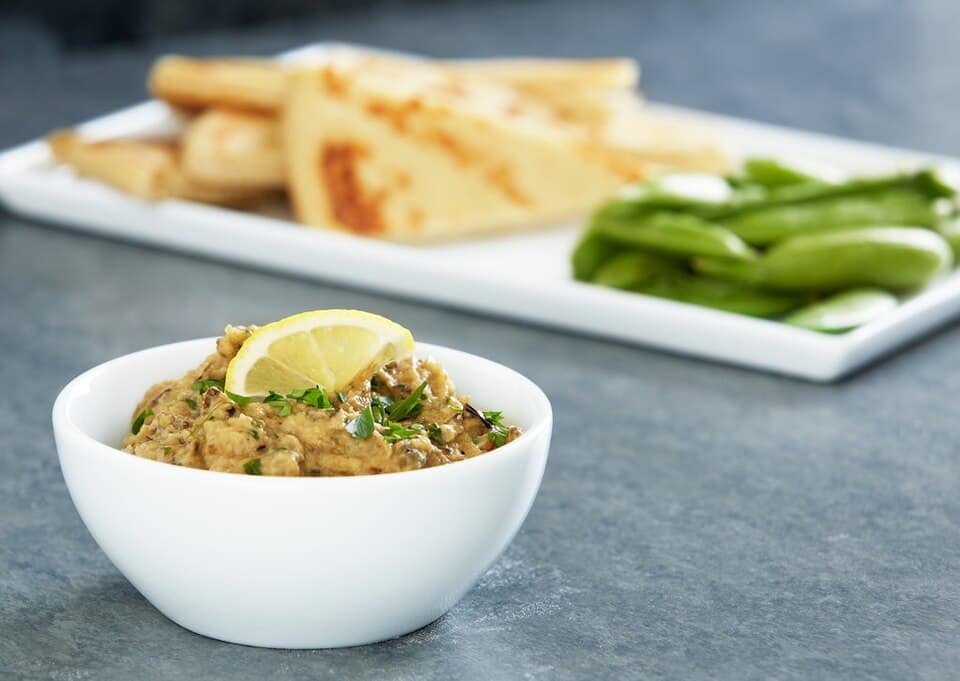
Baba ghanoush
Levantine · 55 min · 139 kcal · Vegan
Baba ghanoush (Lebanese-Syrian chopped style)
 Lebanese · 1 h 5 min · 123 kcal · Vegan
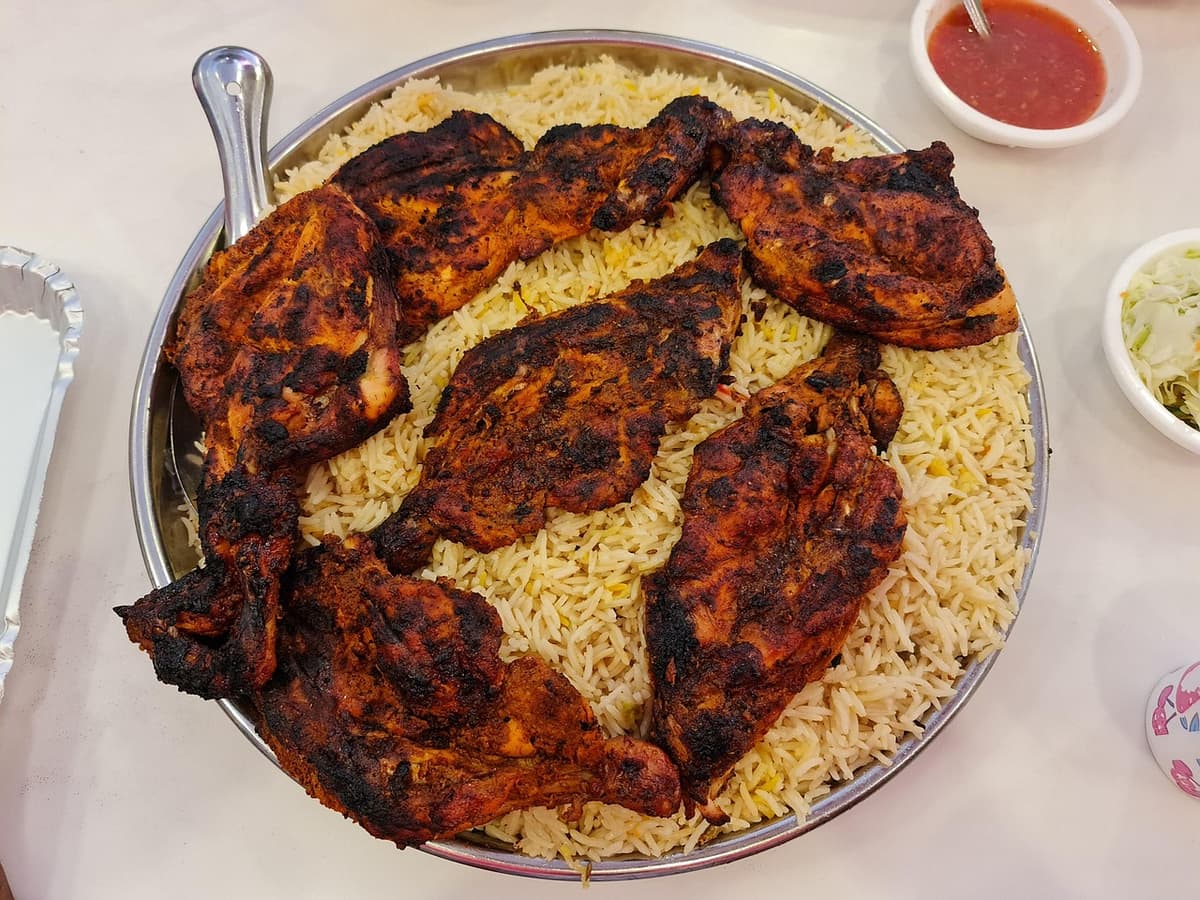
Chicken mandi
 Yemeni · 3 h 45 min · 866 kcal
Eastern Carolina vinegar barbecue sauce
 Southern US · 1 h 5 min · 11 kcal · Vegan
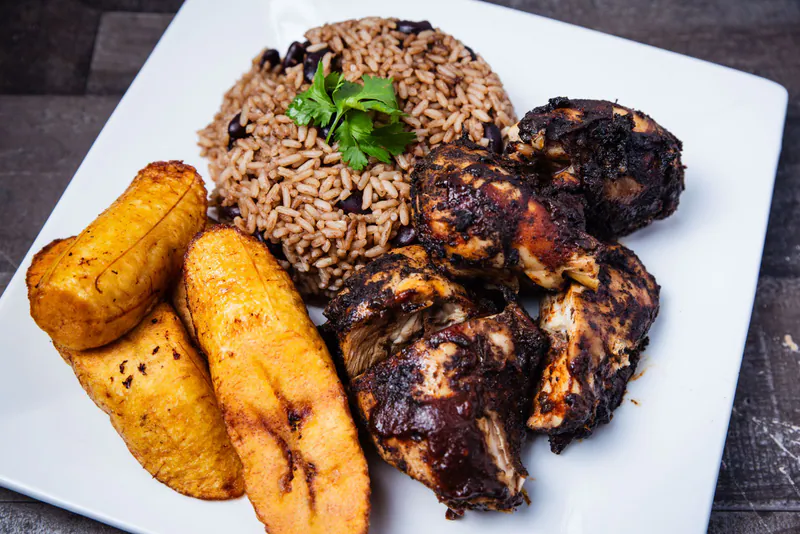
Jamaican jerk chicken
 Jamaican · 1 h 20 min · 503 kcal
Melitzanosalata (Greek smoky aubergine dip)
 Greek · 1 h 10 min · 122 kcal · Vegan