
Nature's Pantry
Yoghurt and kefir
Also: dahi / curd (India) · labneh (strained, Levant) · probiotics
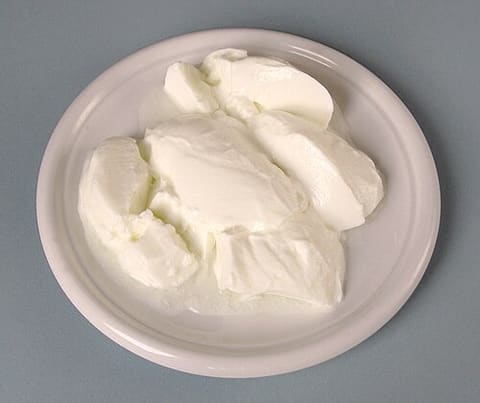
Live cultures in a bowl. Specific probiotic supplements have evidence; shop-bought yoghurt is less certain.
Overall evidence
Graded for yoghurt as a food. Specific probiotic supplements have better evidence for some uses.
A few small or low-quality studies, inconsistent results, or mostly lab and animal work. Interesting, but not enough to rely on.
What it is
Milk fermented by lactic acid bacteria. Many yoghurts contain live cultures; probiotic supplements contain specific strains in measured amounts.
Traditional use
Tradition, not evidence: how cultures use it, not proof that it works.
India
Dahi with rice, or as chaas or lassi, is the classic way to end a spicy meal and to settle a stomach.
Turkey, the Balkans and Caucasus
Yoghurt and kefir are daily foods credited in folklore with long life.
Middle East
Strained yoghurt (labneh) and yoghurt drinks (ayran, doogh) are served with meals.
What the research says
Each claim graded on its own evidence.
Probiotic supplements and antibiotic-associated diarrhoea
Evidence level: Moderate evidenceReviews of moderate-quality studies suggest taking probiotics with antibiotics is linked to a lower chance of antibiotic-associated diarrhoea, though which strains and doses work best is unclear. This research is on supplements, not yoghurt.[1]
Probiotics and IBS symptoms
Evidence level: Limited or early evidenceProbiotics may help overall IBS symptoms, but reviews could not say which strains help. The NHS notes that shop yoghurts may not contain the bacteria, or the amount, used in trials.[1][2]
Yoghurt and type 2 diabetes risk
Evidence level: Limited or early evidenceThe FDA allows a qualified claim that eating at least 2 cups of yoghurt a week may reduce type 2 diabetes risk, while stating that the scientific evidence is limited.[3]
In food amounts
A pot or small bowl of yoghurt; the FDA wording refers to at least 2 cups (3 servings) a week.
We describe everyday cooking amounts only, never supplement doses.
Safety
- Babies and children
- Serious and sometimes fatal infections have been reported in premature babies given probiotics. Never give probiotic products to a premature infant without medical advice.[1]
- Allergies
- Yoghurt and kefir are made from milk, one of the most common food allergens.[4]
- Health conditions
- If you have a weakened immune system or a serious illness, talk to a doctor before taking probiotic supplements; the risk of harmful effects is higher.[1][2]
- General
- Many flavoured yoghurts are high in added sugar.[5]
If you take regular medicines, are pregnant or breastfeeding, or are cooking for a baby or someone who is unwell, check with a doctor, pharmacist or midwife before using any food or supplement for a health reason.
Sources
- [1] Probiotics: Usefulness and Safety — US National Center for Complementary and Integrative Health (NCCIH, NIH)
- [2] Probiotics — NHS (UK)
- [3] FDA Announces Qualified Health Claim for Yogurt and Reduced Risk of Type 2 Diabetes — US Food and Drug Administration, 2024
- [4] Food allergy — NHS (UK)
- [5] Healthy diet — fact sheet — World Health Organization
Sources were checked when this entry was written. Research changes; if you spot something out of date, please tell us.
Cook with yoghurt and kefir
Aloo gosht
 Pakistani · 2 h · 430 kcal
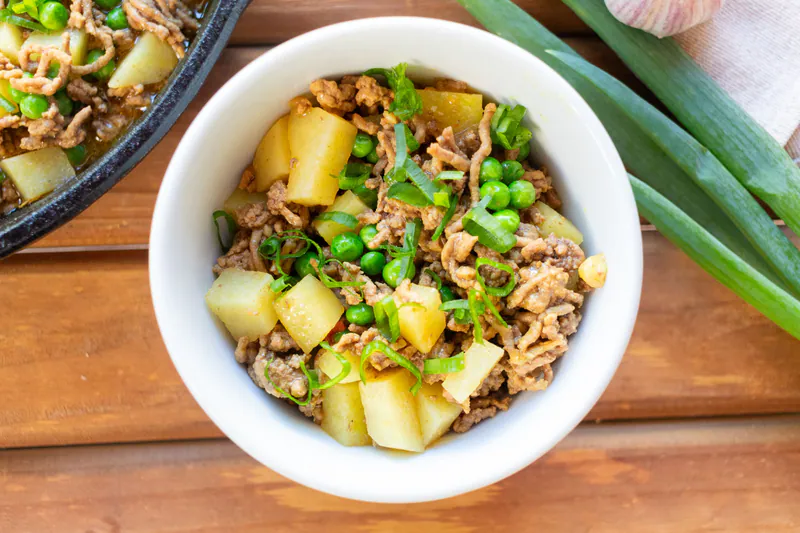
Aloo keema
Pakistani · 1 h · 495 kcal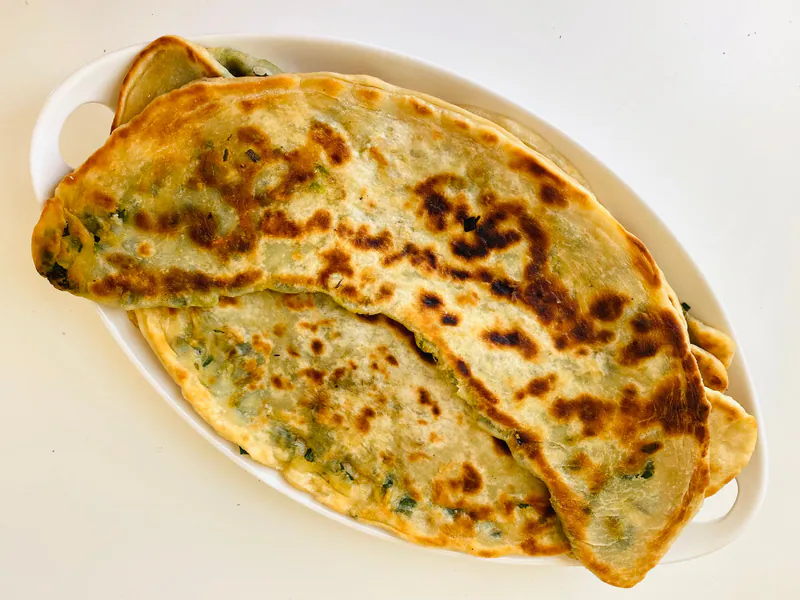
Aloo paratha
 Punjabi · 1 h 15 min · 430 kcal · Vegetarian
Amritsari kulcha
Punjabi · 3 h 10 min · 358 kcal · VegetarianApple cinnamon oat breakfast smoothie
International · 10 min · 306 kcal · Vegetarian
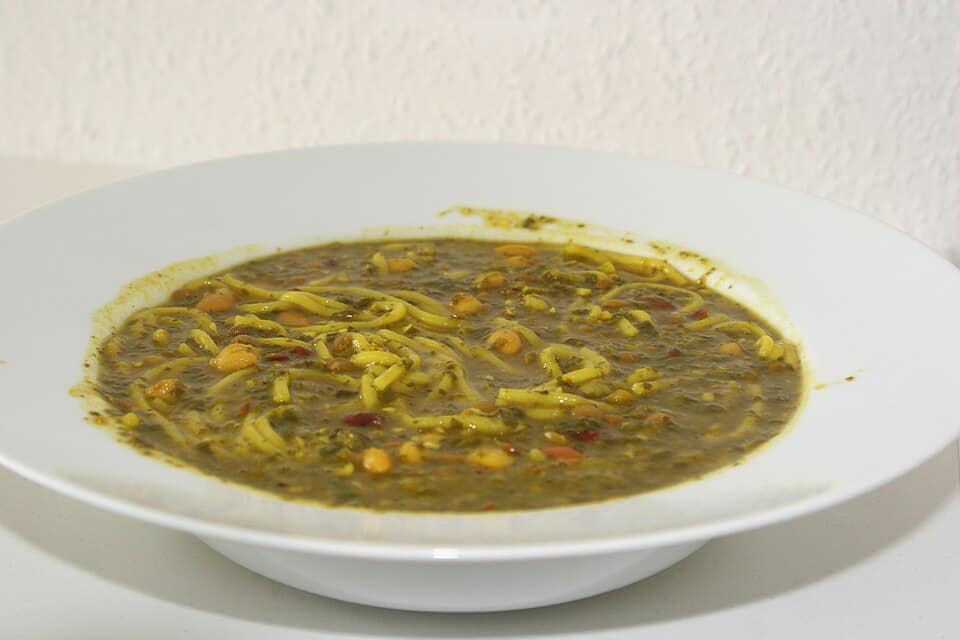
Ash reshteh
 Iranian · 1 h 45 min · 374 kcal · Vegetarian
Atom (strained yoghurt with chilli butter)
 Turkish · 8 min · 135 kcal · Vegetarian
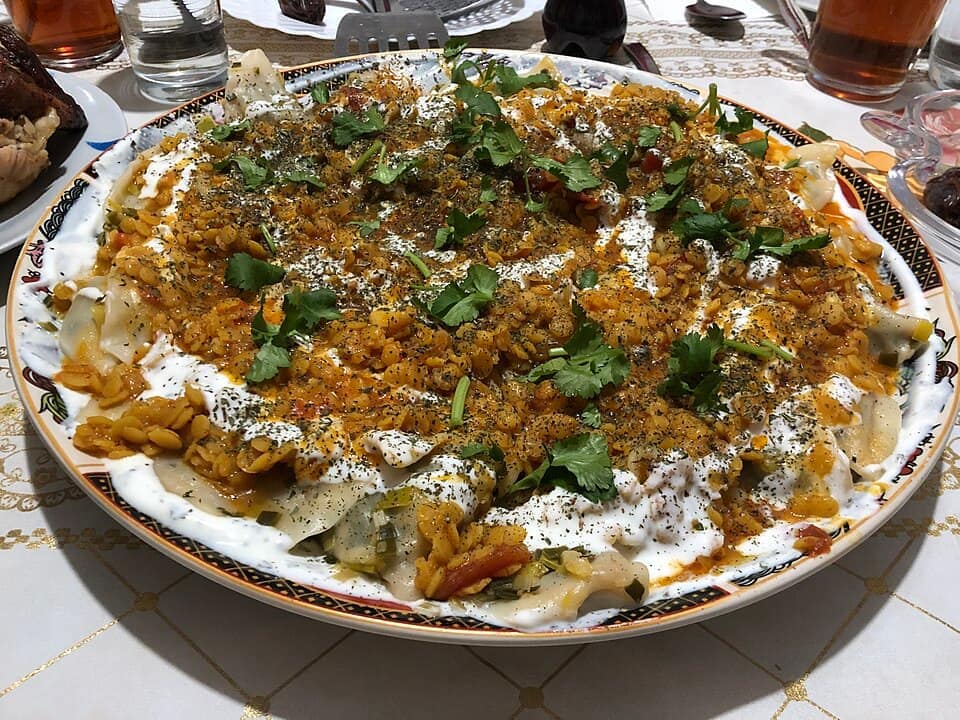
Aushak
 Afghan · 1 h 20 min · 556 kcal
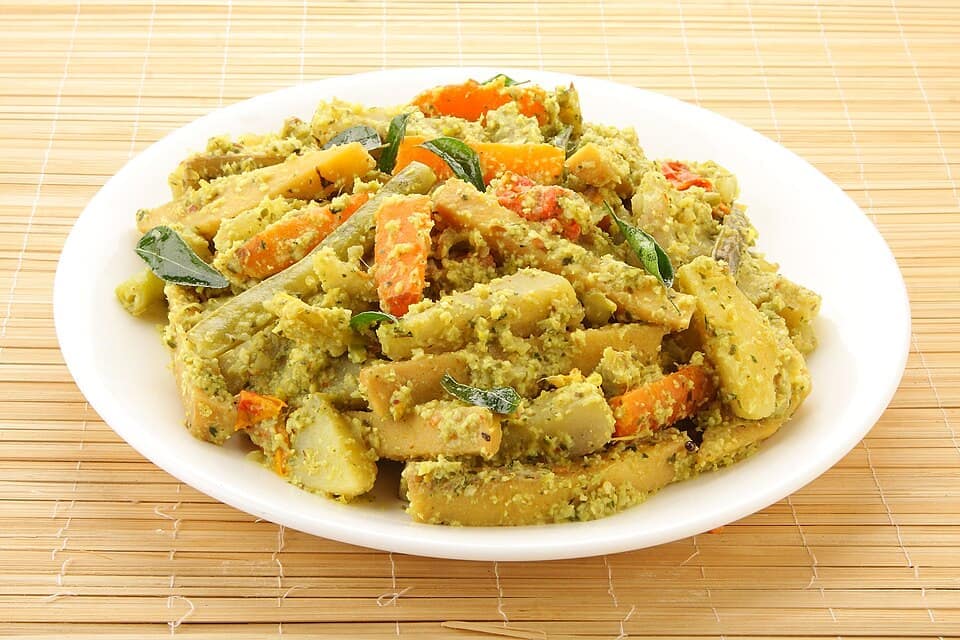
Avial
South Indian · 45 min · 284 kcal · Vegetarian
146 more
- Ayran · Turkish
- Bangladeshi beef bhuna · Bangladeshi
- Banitsa · Bulgarian
- Bazlama (Turkish stovetop flatbread) · Turkish
- Beef tehari · Bangladeshi
- Beetroot koshimbir · Indian
- Bela pana · Indian
- Berry Overnight Oats · International
- Berry Smoothie Bowl · International
- Bircher muesli · Swiss
- Bolani · Afghan
- Boondi raita · Indian
- Borani banjan · Afghan
- Bore baasi (Chhattisgarhi soaked rice) · Indian
- Borhani · Bangladeshi
- Bosnian meat burek · Bosnian
- Bun kebab · Pakistani
- Burani raita (Hyderabadi garlic raita) · Indian
- Butter chicken · Punjabi
- Byrek me spinaq (Albanian spinach pie) · Albanian
- Cacık · Turkish
- Champaran meat · Indian
- Chana madra · Indian
- Chechebsa · Ethiopian
- Cheese burek · Balkan
- Chelow with tahdig · Iranian
- Chettinad chicken curry · South Indian
- Chicken biryani · Indian
- Chicken karahi · Pakistani
- Chicken korma · Indian
- Chicken rezala · Bangladeshi
- Chicken shawarma · Levantine
- Chicken tikka masala · Indian
- Chicken yakhni pulao · Pakistani
- Chole bhature · Punjabi
- Chuchvara · Uzbek
- Çılbır · Turkish
- Creamy Chicken Salad · International
- Cucumber raita · Indian
- Curd rice · South Indian
- Dahi baray · Pakistani
- Dehrori (Chhattisgarhi rice fritters in syrup) · Indian
- Dhakai kacchi biryani · Bangladeshi
- Dolmadakia (rice-stuffed vine leaves) · Greek
- Doogh · Iranian
- Doon chetin (Kashmiri walnut chutney) · Indian
- Dovğa · Azerbaijani
- Düğün çorbası · Turkish
- Fattet hummus · Levantine
- Garlic butter naan (yeast-free, pan-cooked) · Indian
- Gatte ki sabzi · Indian
- Gibanica · Serbian
- Gobi paratha · Punjabi
- Göy qutabı · Azerbaijani
- Greek Yogurt Berry Parfait · International
- Greek Yogurt Berry Smoothie · International
- Gutap · Turkmen
- Haleem · Pakistani
- Haryanvi kadhi · Indian
- Haydari · Turkish
- High-protein paneer paratha · Indian
- Higher-protein Greek yoghurt bread · International
- Hyderabadi marag · Indian
- İskender kebap · Turkish
- Ispanaklı yumurta · Turkish
- Jalebi · Indian
- Jareesh · Saudi Arabian
- Joojeh kabab · Iranian
- Juju dhau · Nepalese
- Kačamak · Montenegrin
- Kadhi pakora · Punjabi
- Kafuli · Indian
- Kakdi koshimbir · Indian
- Kashk-e bademjan · Iranian
- Kashmiri mutton yakhni · Indian
- Keema matar · Indian
- Klepe (Bosnian meat dumplings) · Bosnian
- Kolhapuri chicken curry · Indian
- Kosha mangsho · Bengali
- Koupepia · Cypriot
- Kuku sabzi · Iranian
- Laal maas · Indian
- Laban bi toum (garlic yoghurt dip) · Levantine
- Labneh (strained yoghurt cheese) · Levantine
- Labneh with za'atar and olive oil · Levantine
- Lahori chargha · Pakistani
- Lauki raita (bottle gourd raita) · Indian
- Luqaimat · Gulf Arab
- Manakish za'atar · Lebanese
- Mango lassi · Punjabi
- Mansaf · Jordanian
- Mantı · Turkish
- Mantu · Afghan
- Maqluba · Palestinian
- Masala chaas · Gujarati
- Mast-o-khiar · Iranian
- Methi thepla · Gujarati
- Mint-yoghurt chutney · Punjabi
- Morog polao · Bangladeshi
- Mujaddara · Levantine
- Mulgipuder · Estonian
- Musakhan · Palestinian
- Naan (home-oven method) · Indian
- Nadru yakhni · Indian
- Namkeen lassi · Pakistani
- Neer mor · Indian
- Olya naralachi chutney (Maharashtrian fresh coconut chutney) · Indian
- Pahadi kheere ka raita (Kumaoni mustard-cucumber raita) · Indian
- Pahadi nimbu sana · Indian
- Palak paratha · Punjabi
- Paneer paratha · Punjabi
- Paneer tikka · Punjabi
- Peanut Butter Banana Oat Smoothie · International
- Pelēkie zirņi ar speķi · Latvian
- Peynirli poğaça (cheese-filled pastries) · Turkish
- Pineapple raita · Indian
- Piyush · Indian
- Pork gyros pita · Greek
- Pudina raita (mint raita) · Indian
- Punjabi dum aloo · Punjabi
- Quick Yogurt Flatbread · International
- Qurutob · Tajik
- Ramazan pidesi (Turkish pide bread) · Turkish
- Rogan josh · Indian
- Šaltibarščiai · Lithuanian
- Sfeeha · Lebanese
- Shahi paneer · Indian
- Shakriyeh · Syrian
- Shish tawook · Lebanese
- Sindhi biryani · Pakistani
- Skyr with blueberries and cream · Icelandic
- Strawberry banana smoothie · International
- Sweet lassi · Punjabi
- Tandoori chicken · Punjabi
- Tarator · Balkan
- Tavë kosi (baked lamb with yogurt) · Albanian
- Thiakry · Senegalese
- Tirokafteri (spicy whipped feta) · Greek
- Tomato kanda koshimbir · Indian
- Tropical mango and pineapple smoothie · International
- Tzatziki · Greek
- Uzbek manti · Uzbek
- Waldorf salad · American
- Yarpaq dolması · Azerbaijani
- Yayla çorbası · Turkish
- Zrig · Mauritanian
Showing 9 of 155 recipes.
More from Nature's Pantry
- Ajwain (carom seeds)Evidence level: Traditional use only
- Amla (Indian gooseberry)Evidence level: Limited or early evidence
- BarleyEvidence level: Strong evidence
- Beans, lentils and chickpeasEvidence level: Moderate evidence
- BeetrootEvidence level: Moderate evidence
- Citrus fruitEvidence level: Evidence against