
Eggs & dairy · Yoghurt & cultured
Kefir
Tangy, slightly fizzy fermented milk drink made with kefir grains; thinner than yogurt.
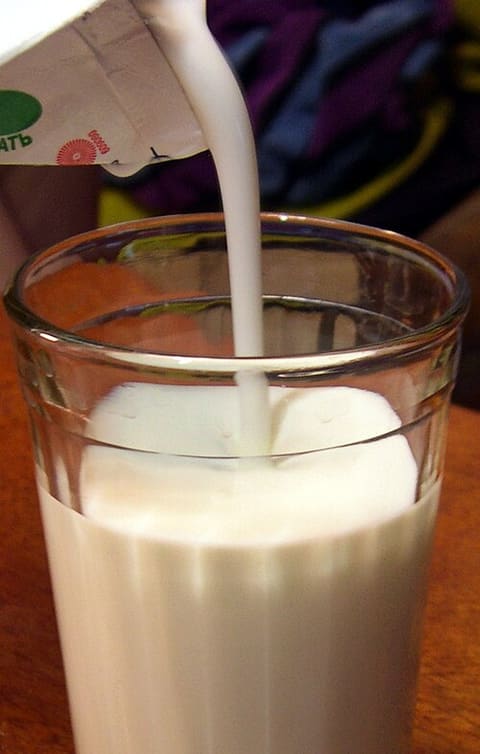
A kind of milk
Photo: Quijote at Russian Wikipedia, via Wikimedia Commons (CC-BY-SA-3.0)
What it is
Kefir is milk fermented by kefir grains, small clusters of bacteria and yeasts, which make it sour and often lightly effervescent. It is pourable, like drinking yogurt, and more sour and yeasty than buttermilk. It originated in the Caucasus and is widely drunk across Eastern Europe and Central Asia.
How it’s used
- Drunk plain or in smoothies
- Cold soups such as Lithuanian šaltibarščiai and okroshka
- Pancakes and quick breads (like buttermilk)
- Marinades for chicken
- Overnight oats
Characteristics
- Taste
- Sour and tangy, sometimes slightly yeasty.
- Texture
- Pourable, lightly thick and sometimes fizzy.
- When cooked
- Acts like buttermilk in baking, reacting with baking soda. Separates when boiled.
- Sold as
- fermented, liquid
- Cooking uses
- Usually eaten raw, Suitable for baking
Storage
Refrigerated. Keep chilled and sealed; it keeps fermenting slowly and grows more sour and fizzy. Shake before using.
Diet, allergens and safety
Contains Milk.
- Vegetarian
- Vegan
- Dairy-free
- Egg-free
- Gluten-free
- Nut-free
- Soy-free
- Caffeine-free
- Contains milk (allergen).
Nutrition per 100 g
- Energy
- 43 kcal
- Protein
- 3.79 g
- Carbohydrate
- 4.77 g
- Fat
- 1.02 g
- Fibre
- 0 g
- Sugars
- 4.61 g
USDA FoodData Central: Kefir, lowfat, plain, LIFEWAY.
Substitutes
Optional — what works if you don’t have it, and how it changes the dish.
- Buttermilk — 1:1 in baking and cold soups.
- Yogurt — Thin plain yogurt with milk or water to pouring consistency.
Related ingredients
Recipes with kefir

Mulgipuder
 Estonian · 1 h 5 min · 434 kcal
Pelēkie zirņi ar speķi
 Latvian · 1 h 25 min · 492 kcal
Šaltibarščiai
 Lithuanian · 55 min · 245 kcal · Contains egg
More yoghurt & cultured
Yoghurt & cultured
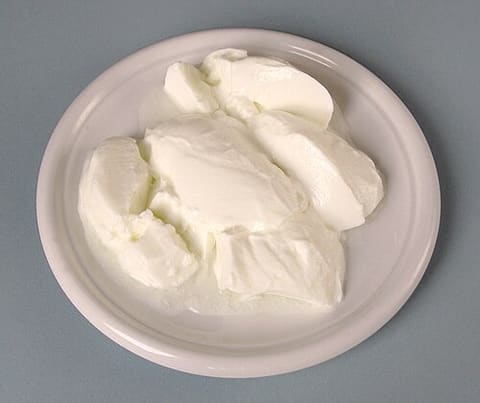
Buttermilk
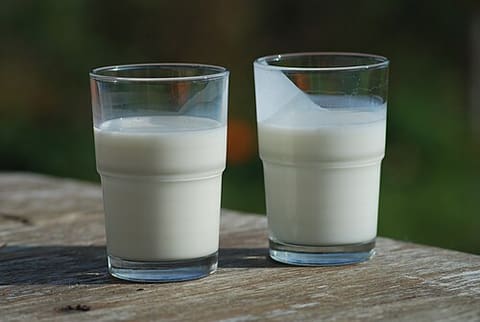
Tangy, slightly thick cultured milk used to tenderise baking and marinades; in South Asia also a salted drink.
19 recipes
Yoghurt & cultured
Yogurt
Milk thickened and soured by live cultures; eaten plain, in marinades, raitas, dips, baking and drinks.
152 recipes
Yoghurt & cultured
Greek yogurt
Thick, strained yogurt with much of the whey removed; creamy, tangy and stable in dips and sauces.
24 recipes
Yoghurt & cultured
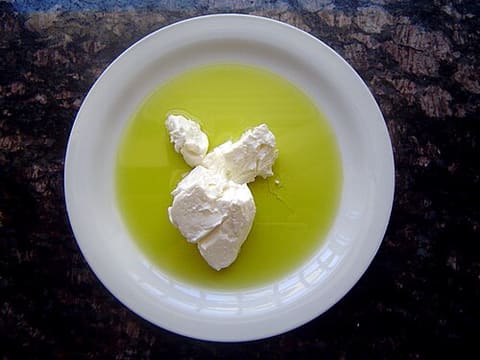
Labneh
Levantine strained yogurt cheese: thick, tangy and spreadable, served with olive oil and za'atar.
3 recipes
Yoghurt & cultured
Kashk
Iranian fermented dairy concentrate, sold as a thick liquid; salty, tangy and savoury in soups and dips.
2 recipes
Yoghurt & cultured
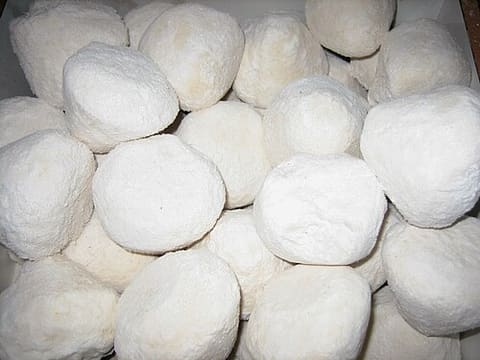
Jameed (liquid, reconstituted)
Jordanian dried, salted fermented yogurt (usually from sheep or goat milk), reconstituted into sauce for mansaf.
1 recipe
Yoghurt & cultured
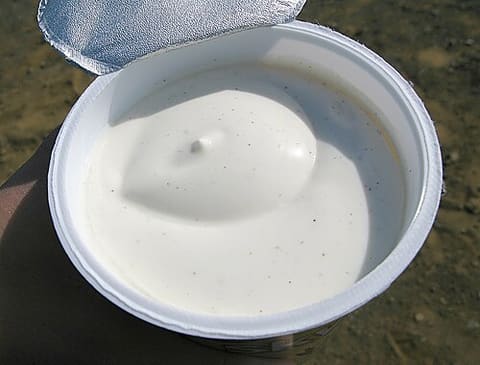
Skyr
Icelandic cultured dairy, strained very thick from skimmed milk; tangy, dense and high in protein.
1 recipe