
Nature's Pantry
Turmeric
Also: haldi (Hindi) · manjal (Tamil) · kunyit (Malay) · Curcuma longa
The golden spice of South Asian cooking. Curcumin is heavily researched, but conclusions are still out.
Overall evidence
Lots of research, but mostly on concentrated curcumin products, with mixed quality and no firm conclusions for any use.
A few small or low-quality studies, inconsistent results, or mostly lab and animal work. Interesting, but not enough to rely on.
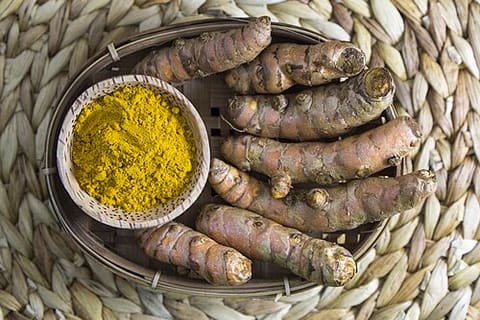
What it is
The dried, ground rhizome of Curcuma longa, a relative of ginger. Its colour comes from curcuminoids, mainly curcumin, which is poorly absorbed on its own.
Traditional use
Tradition, not evidence: how cultures use it, not proof that it works.
India
A pinch goes into almost every dal and curry. Warm turmeric milk (haldi doodh) is a common bedtime drink when someone feels run down.
South and Southeast Asia
Turmeric paste is part of wedding rituals (the haldi ceremony) and traditional skin care.
Indonesia
Jamu, a traditional herbal drink, is often made with fresh turmeric and tamarind.
What the research says
Each claim graded on its own evidence.
Turmeric or curcumin for general health
Evidence level: Limited or early evidenceNCCIH says we do not know enough to conclude whether turmeric or curcumin is beneficial for any health purpose. Products vary in how much curcumin they contain, which makes studies hard to compare.[1]
Curcumin and knee osteoarthritis
Evidence level: Limited or early evidenceSeveral meta-analyses of oral curcumin products show early positive results for knee pain and function, but higher-quality evidence is needed before firm conclusions.[1]
In food amounts
Recipes typically use a quarter to one teaspoon of ground turmeric for a pot that serves several people. That is very different from the concentrated curcumin products used in most studies.
We describe everyday cooking amounts only, never supplement doses.
Safety
- Pregnancy and breastfeeding
- Turmeric supplements may be unsafe in pregnancy. Cooking with turmeric in normal food amounts is a different matter from taking supplements.[1]
- Medicines
- If you take regular medicines (including blood thinners), talk to your pharmacist before using turmeric or curcumin supplements.[1]
- Health conditions
- Liver injury has been reported with some highly bioavailable curcumin supplements (formulations designed to boost absorption). If you notice possible signs of liver trouble while taking one, stop and talk to a doctor straight away.[1]
- General
- Turmeric supplements can cause nausea, acid reflux, diarrhoea or constipation.[1]
If you take regular medicines, are pregnant or breastfeeding, or are cooking for a baby or someone who is unwell, check with a doctor, pharmacist or midwife before using any food or supplement for a health reason.
Sources
- [1] Turmeric — fact sheet — US National Center for Complementary and Integrative Health (NCCIH, NIH)
Sources were checked when this entry was written. Research changes; if you spot something out of date, please tell us.
Cook with turmeric
Aam ki launji (sweet-sour raw mango chutney)
 Indian · 40 min · 85 kcal · Vegan
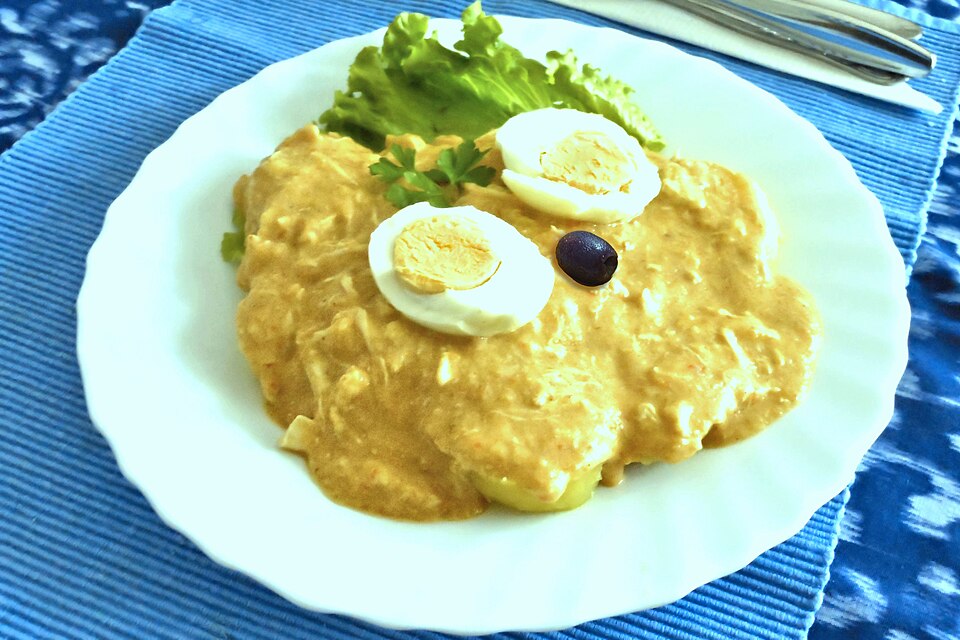
Ají de gallina
 Peruvian · 1 h 5 min · 553 kcal
Akoho sy voanio
 Malagasy · 1 h 5 min · 714 kcal
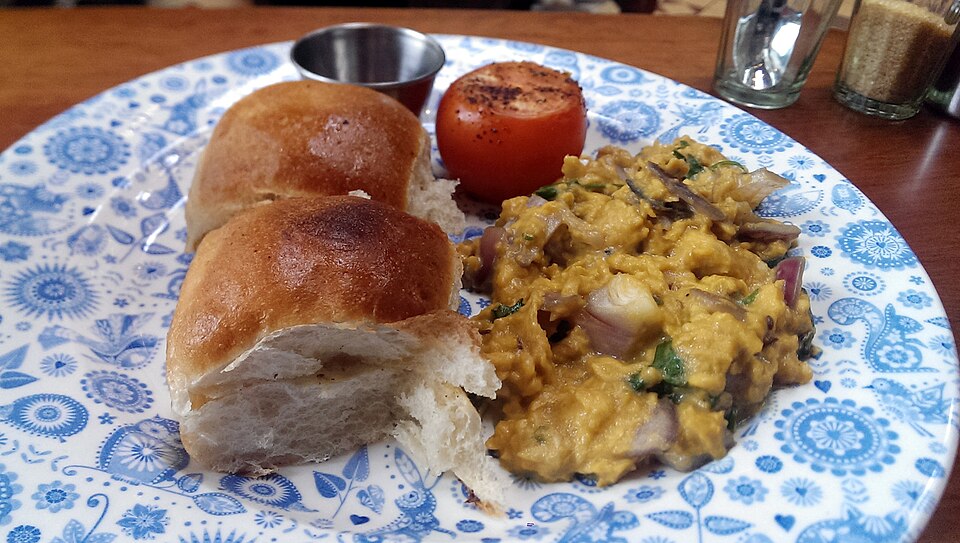
Akuri (Parsi scrambled eggs)
Indian · 22 min · 248 kcal · Contains egg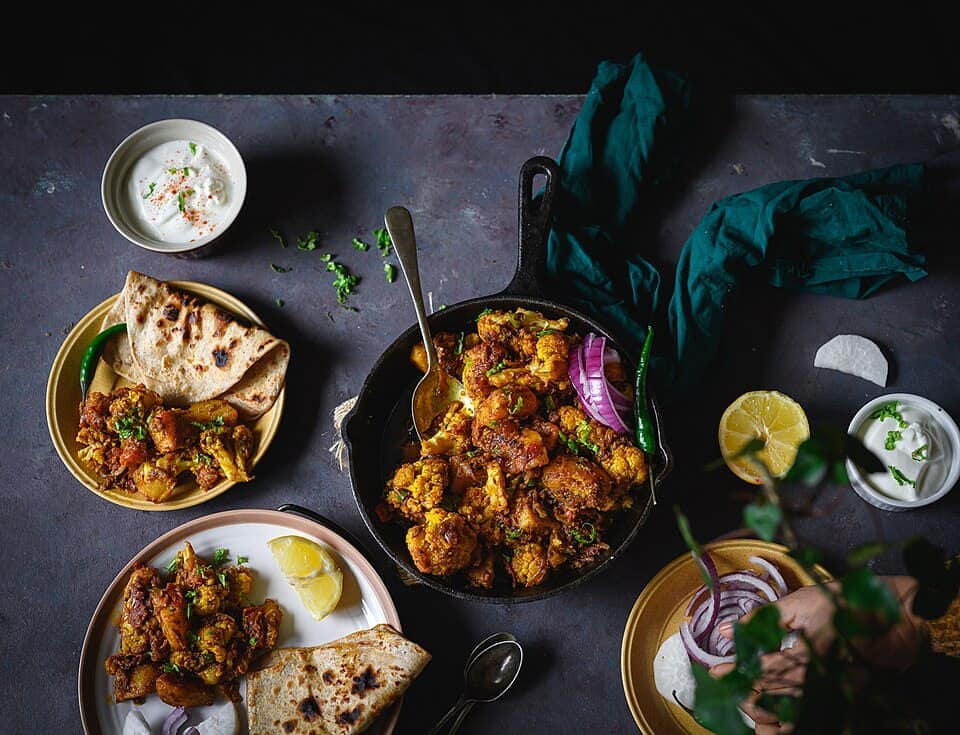
Aloo gobi
Punjabi · 45 min · 238 kcal · VeganAloo gosht
 Pakistani · 2 h · 430 kcal
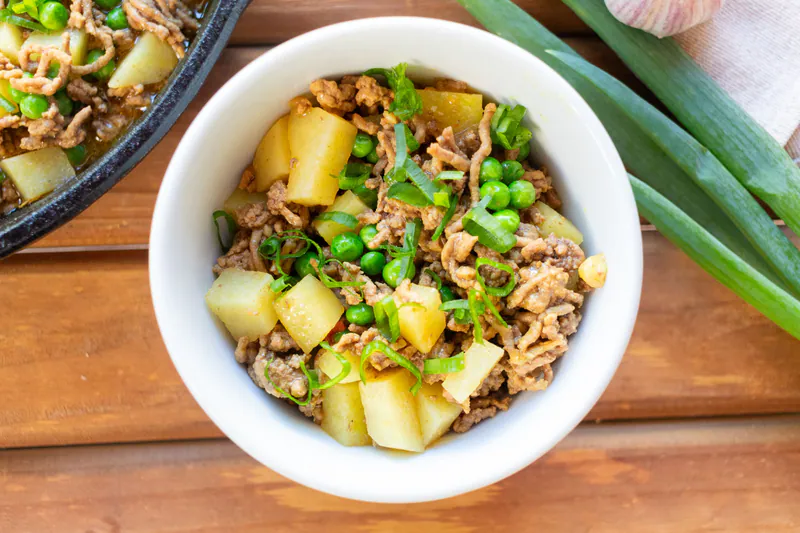
Aloo keema
Pakistani · 1 h · 495 kcal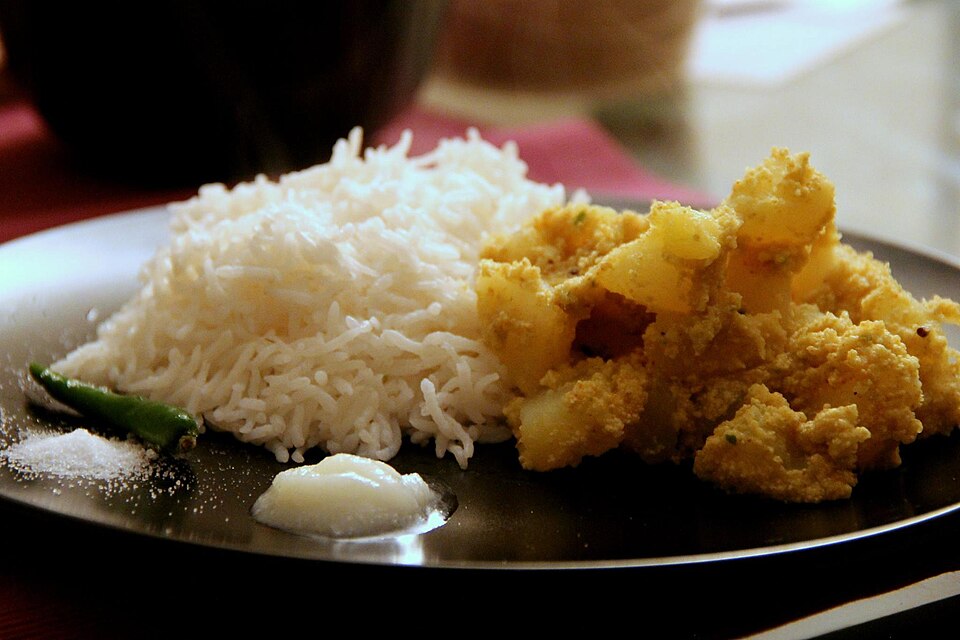
Aloo posto
Bengali · 1 h 5 min · 281 kcal · Vegan
Aloo rasedar
Indian · 35 min · 242 kcal · Vegan
245 more
- Aloo sadeko · Nepalese
- Aloo tama · Nepalese
- Amba (Iraqi mango pickle sauce) · Iraqi
- Anda bhurji (Indian spiced scrambled eggs) · Indian
- Anda curry · Indian
- Andhra chicken curry · South Indian
- Andhra tomato pachadi · South Indian
- Arroz caldo · Filipino
- Ash reshteh · Iranian
- Atkilt wat · Ethiopian
- Avakaya (Andhra mango pickle) · South Indian
- Avial · South Indian
- Ayam bakar · Indonesian
- Ayam goreng kuning · Indonesian
- Ayam masak merah · Malaysian
- Bagara baingan · Indian
- Baingan bharta · Punjabi
- Bangladeshi beef bhuna · Bangladeshi
- Bánh xèo · Vietnamese
- Bara · Nepalese
- Bariis iskukaris · Somali
- Bassaru · South Indian
- Bazeen · Libyan
- Beef kala bhuna · Bangladeshi
- Beef nihari · Pakistani
- Beef rendang · Indonesian
- Beerakaya pachadi (ridge gourd chutney) · South Indian
- Begun bhaja · Bangladeshi
- Bengali tomato-date chutney (tomato khejur chutney) · Bengali
- Bharli vangi · Indian
- Bhindi masala · Indian
- Bhuna khichuri · Bangladeshi
- Bobotie · Cape Malay
- Boiled peanut chaat · Indian
- Borani banjan · Afghan
- Bunny chow · South African
- Burmese chicken curry · Burmese
- Burmese pork curry · Burmese
- Cabbage-carrot sambharo · Gujarati
- Cape Malay chicken curry · Cape Malay
- Carrot and ginger soup · International
- Champaran meat · Indian
- Chana madra · Indian
- Chana masala · Punjabi
- Chana samosa (Chhattisgarh street-style) · Indian
- Chatamari · Nepalese
- Chettinad chicken curry · South Indian
- Chhundo (Gujarati grated mango preserve) · Gujarati
- Chicken balti · British
- Chicken bastilla · Moroccan
- Chicken biryani · Indian
- Chicken kabsa · Saudi Arabian
- Chicken keema paratha · Indian
- Chicken mandi · Yemeni
- Chicken momo · Nepalese
- Chicken saloona · Gulf Arab
- Chicken shawarma · Levantine
- Chicken thukpa · Nepalese
- Chicken tikka masala · Indian
- Chingri bhuna · Bangladeshi
- Chingri malai curry · Bangladeshi
- Cholar dal · Bengali
- Coorg pandi curry · South Indian
- Couscous bil bosla · Libyan
- Couscous with seven vegetables · Moroccan
- Curry laksa · Malaysian
- Daal chawal · Pakistani
- Dal bhat tarkari · Nepalese
- Dal dhokli · Gujarati
- Dal paratha · Indian
- Dal shorba · Indian
- Dal tadka with red lentils · Indian
- Dalle khursani achar (Sikkimese round chilli pickle) · Indian
- Dalma · Indian
- Dhakai kacchi biryani · Bangladeshi
- Dholl puri · Mauritian
- Dohneiiong · Indian
- Doubles · Trinidadian
- Duck curry with ash gourd · Indian
- Erissery · South Indian
- Everyday curry powder (British-style) · British
- Fahsa · Yemeni
- Fesenjan · Iranian
- Fish ambul thiyal · Sri Lankan
- Fish amok · Cambodian
- Fish molee · South Indian
- Gabout · Kuwaiti
- Gai yang (Thai grilled chicken) · Thai
- Gajar koshimbir · Indian
- Gatte ki sabzi · Indian
- Ghormeh sabzi · Iranian
- Ghugni (Jharkhand-style) · Indian
- Goan fish curry · Goan
- Goan prawn curry · Goan
- Goan vindaloo paste · Goan
- Gujarati dal · Gujarati
- Gulai kambing · Indonesian
- Haldi Doodh (Golden Turmeric Milk) · Indian
- Haleem · Pakistani
- Harira · Moroccan
- Haryanvi kadhi · Indian
- Hyderabadi dalcha · Indian
- Imbakbaka · Libyan
- Inji puli (Kerala ginger-tamarind relish) · South Indian
- Jamaican beef patties · Jamaican
- Jeera aloo · Indian
- Jeera rasam · South Indian
- Kadai paneer · Punjabi
- Kadala curry · South Indian
- Kadhi pakora · Punjabi
- Kafuli · Indian
- Kancha aamer chutney (Bengali green mango chutney) · Bengali
- Kanda poha · Indian
- Kara kuzhambu · South Indian
- Kashk-e bademjan · Iranian
- Kasundi (Bengali mustard sauce) · Bengali
- Kedgeree · British
- Keema matar · Indian
- Kerala egg roast · South Indian
- Khaman dhokla · Gujarati
- Khao soi gai · Thai
- Kiri hodi · Sri Lankan
- Kismur · Goan
- Kolhapuri chicken curry · Indian
- Kori gassi · South Indian
- Kosha mangsho · Bengali
- Kubbat halab · Iraqi
- Kukhura ko masu · Nepalese
- Kuku sabzi · Iranian
- Kwati · Nepalese
- Laal maas · Indian
- Lahori fish fry · Pakistani
- Lakshadweep-style tuna curry · South Indian
- Lamb machboos · Emirati
- Lamb tagine with apricots · Moroccan
- Lemon rasam · South Indian
- Lemon rice · South Indian
- Machboos ala dajaj · Kuwaiti
- Machboos rubyan · Bahraini
- Macher jhol · Bengali
- Machha besara · Indian
- Madras curry powder · Indian
- Madrouba · Qatari
- Maharagwe (coconut bean stew) · Kenyan
- Malvani fish curry · Indian
- Malvani masala · Indian
- Mansaf · Jordanian
- Maqluba · Palestinian
- Margoog · Qatari
- Mas riha · Maldivian
- Masala dosa · South Indian
- Masala omelette · Indian
- Masgouf-style grilled carp · Iraqi
- Mashuai · Omani
- Masor tenga · Indian
- Matar paneer · Punjabi
- Mchuzi wa samaki · Tanzanian
- Methi paratha · Punjabi
- Methi thepla · Gujarati
- Milagu rasam · South Indian
- Mirchi ka salan · Indian
- Misal pav · Indian
- Missi roti · Punjabi
- Mohinga · Burmese
- Moong dal khichdi · Indian
- Moroccan chicken tagine with olives and lemon · Moroccan
- Murgh shorba · Indian
- Mutabbaq samak · Kuwaiti
- Mysore rasam · South Indian
- Nandu rasam · South Indian
- Nasi katok · Bruneian
- Ndizi nyama · Tanzanian
- Nom banh chok · Cambodian
- Ohn no khao swe · Burmese
- Omani shuwa-style slow-roast lamb · Omani
- Onion-tomato masala base · Indian
- Osaman · Gujarati
- Pahadi kheere ka raita (Kumaoni mustard-cucumber raita) · Indian
- Pandhra rassa · Indian
- Paneer tikka · Punjabi
- Papaya sambharo · Gujarati
- Pappu charu · South Indian
- Parippu · Sri Lankan
- Pav bhaji · Indian
- Pav bhaji masala · Indian
- Penang assam laksa · Malaysian
- Piccalilli · British
- Pineapple rasam · South Indian
- Poondu rasam · South Indian
- Pork vindaloo · Goan
- Prawn balchão · Goan
- Pulihora (Andhra tamarind rice) · South Indian
- Punjabi dum aloo · Punjabi
- Punjabi mango pickle (aam ka achaar) · Punjabi
- Puran poli · Indian
- Qidreh · Palestinian
- Rajma · Punjabi
- Ras el hanout · Moroccan
- Rasam powder · South Indian
- Recheado masala (Goan red chilli paste) · Goan
- Rempah for rendang · Malaysian
- Salt-cured lime pickle (nimbu ka achaar) · Indian
- Saltah · Yemeni
- Sambar · South Indian
- Sambar powder · South Indian
- Sate ayam (chicken satay) · Indonesian
- Satsivi · Georgian
- Sayur lodeh · Indonesian
- Seychellois octopus curry · Seychellois
- Sfouf · Lebanese
- Shan noodles · Burmese
- Shan tofu salad · Burmese
- Shorba libiya · Libyan
- Shorbet ads (Egyptian lentil soup) · Egyptian
- Shorshe maach · Bangladeshi
- Shorwa · Afghan
- Sindhi biryani · Pakistani
- Skyu · Indian
- Soto ayam · Indonesian
- Soya chunk and chickpea curry · Indian
- Soya paratha · Indian
- Sri Lankan beetroot curry · Sri Lankan
- Sri Lankan chicken curry · Sri Lankan
- Sup kambing · Malaysian
- Suqaar · Somali
- Tambda rassa · Indian
- Tandoori chicken · Punjabi
- Tandoori masala · Punjabi
- Tashreeb · Iraqi
- Thai yellow chicken curry · Thai
- Thai yellow curry paste · Thai
- Thalipeeth · Indian
- Thareed · Emirati
- Tikil gomen · Ethiopian
- Tofu and chickpea saag · Indian
- Tomato khajuri khatta (Odia tomato-date chutney) · Indian
- Tomato rasam · South Indian
- Tomato thokku · South Indian
- Vada pav · Indian
- Vori vori · Paraguayan
- Wholegrain mustard · French
- Xaak bhaji (Assamese stir-fried greens) · Indian
- Xacuti masala · Goan
- Zarb-style roast lamb and chicken · Jordanian
- Zereshk polo ba morgh · Iranian
Showing 9 of 254 recipes.
More from Nature's Pantry
- Ajwain (carom seeds)Evidence level: Traditional use only
- Apple cider vinegarEvidence level: Limited or early evidence
- Black pepperEvidence level: Limited or early evidence
- ChilliEvidence level: Limited or early evidence
- CinnamonEvidence level: Limited or early evidence
- CuminEvidence level: Limited or early evidence