Cuisine
Japanese (Washoku)
A seasonal, rice-centred cuisine built on dashi, soy, miso and seafood, valuing the natural flavour of ingredients, precise knife work and careful presentation.
Flavour character: Umami-led and clean: dashi, soy, miso and mirin in balance; subtle sweetness and saltiness; acidity from rice vinegar and citrus; heat used sparingly (wasabi, shichimi).
History
Rice farming and soy fermentation came from mainland Asia; Buddhism discouraged eating meat for long periods, which encouraged fish, tofu and vegetable cookery. The traditional meal structure ichiju-sansai (one soup, three dishes with rice) and the formal kaiseki meal took shape by the 16th century. Portuguese traders in the 16th century are commonly credited with introducing batter-frying that became tempura. Meat eating was officially encouraged after the Meiji Restoration (1868), leading to yoshoku dishes like tonkatsu, curry rice and omurice. Chemist Kikunae Ikeda identified glutamate as the source of umami in kombu dashi in 1908. 'Washoku' was inscribed on UNESCO's Intangible Cultural Heritage list in 2013.
Well documented
Geography and influences
A long archipelago of mountains and coast with four distinct seasons: rice in the valleys, seafood all around, and regional produce celebrated in season (shun).
- Chinese and Korean cooking (rice, noodles, soy, tea)
- Zen Buddhist temple cooking (shojin ryori)
- Portuguese traders
- Western cooking after the Meiji Restoration (yoshoku)
Regional variations
- Kanto (Tokyo)
- Darker soy-based broths, Edo-style nigiri sushi, tempura and soba.
- Kansai (Osaka, Kyoto)
- Lighter-coloured usukuchi soy, refined Kyoto kaiseki and tofu, Osaka street food (okonomiyaki, takoyaki).
- Hokkaido
- Dairy, seafood, miso ramen and lamb (Genghis Khan grill).
- Kyushu and Okinawa
- Pork-bone tonkotsu ramen in Fukuoka; Okinawa's pork, goya and Chinese-influenced cooking.
Festive and seasonal food
- Osechi ryori boxed dishes and ozoni soup at New Year (Shogatsu)
- Toshikoshi soba on New Year's Eve
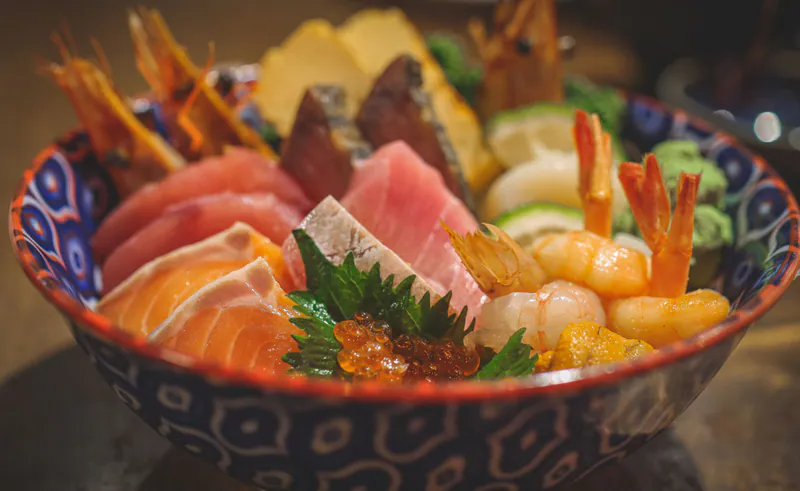
- Chirashizushi for Hinamatsuri (Girls' Day)
- Mochi pounding at New Year
Signature dishes
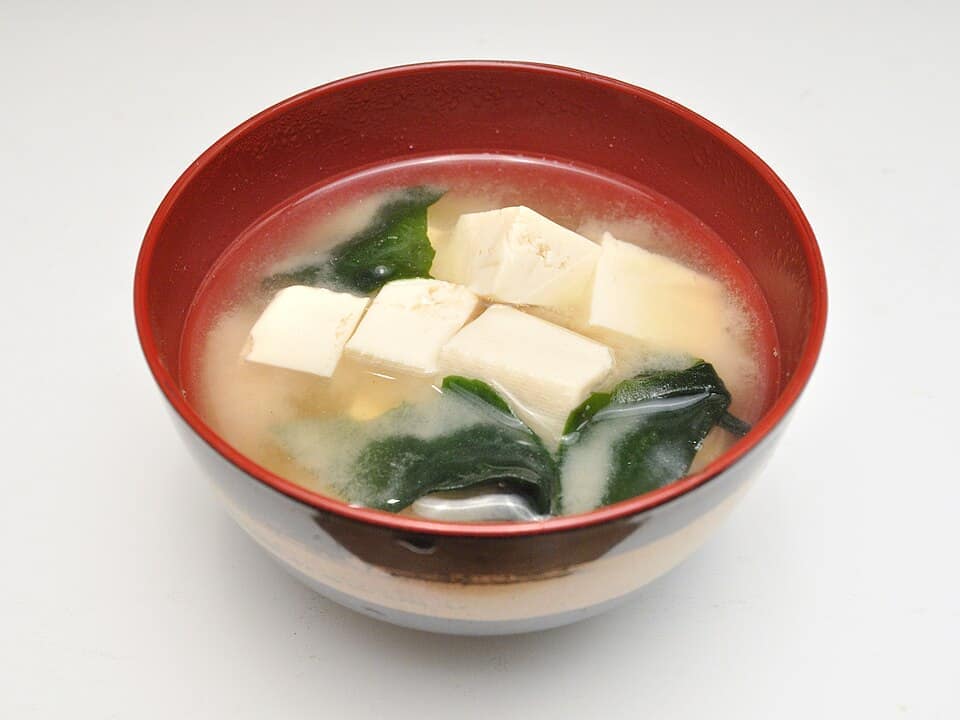
- Miso soup with tofu and wakame
- Tamagoyaki
- Oyakodon
- Tonkatsu
- Chicken karaage
- Shrimp and vegetable tempura
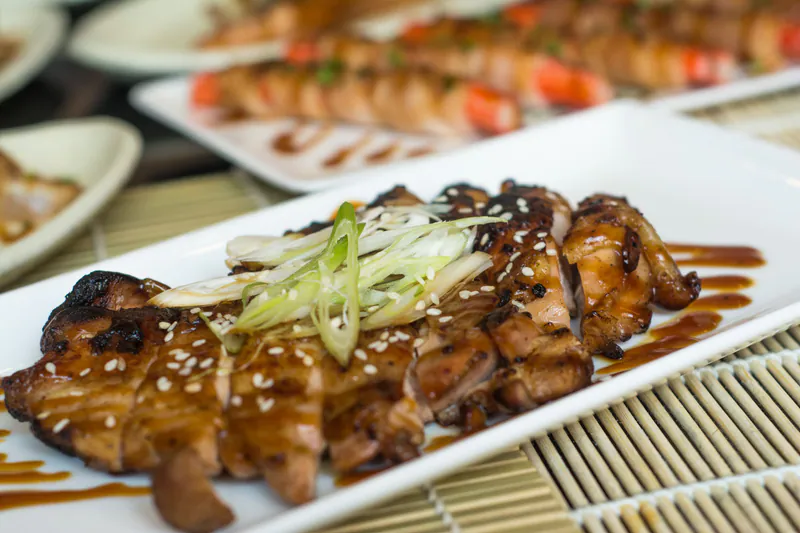
- Yakitori (negima)
- Nikujaga
- Okonomiyaki
- Zaru soba
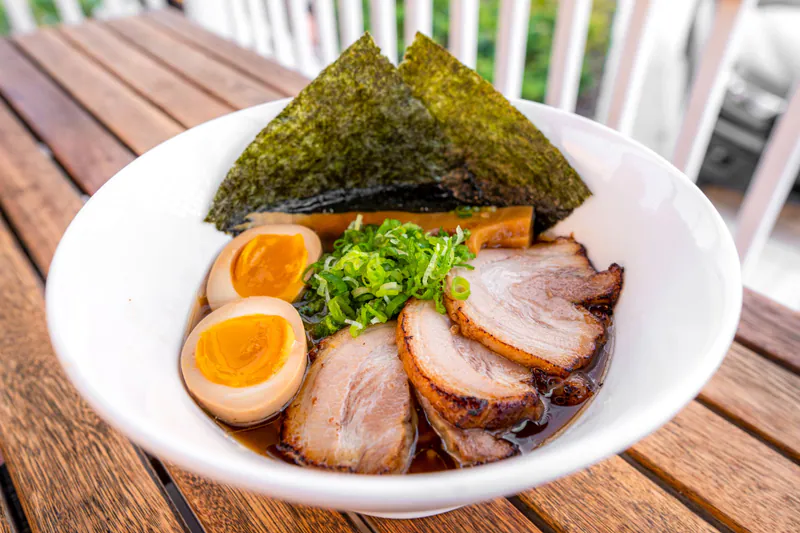
- Shoyu ramen (home-style)
- Gyoza (pan-fried pork dumplings)
- Sukiyaki
- Chirashizushi (scattered sushi bowl)
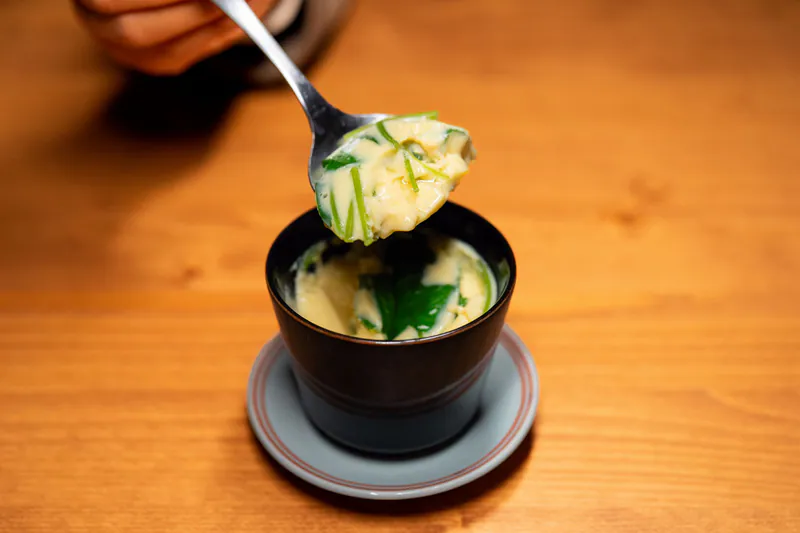
- Chawanmushi
- Salmon onigiri
- Japanese curry rice
- Takoyaki (octopus balls)
Not on the site yet: Nigiri sushi, Sashimi, Kaiseki, Unagi kabayaki, Oden
 Japanese · 30 min · 329 kcal