
Salmon onigiri
Non-vegetarian
鮭おにぎり · shake onigiri
Triangles of lightly salted short-grain rice filled with flaked grilled salmon and wrapped in a strip of crisp nori — Japan's favourite portable snack.
Salmon onigiri is a Japanese rice dish, ready in about 1 hour and made with short-grain rice, salmon and nori. It serves 6 and is rated easy to cook.
No licensed photograph of this dish yet.
- Prep
- 25 min
- Cook
- 25 min
- Rest
- 10 min
- Total
- 1 h
- Serves
- 6
- Level
- Easy
- Calories
- 232
Method
Step 1
Rinse the rice until the water runs nearly clear, then cook with the water in a rice cooker (opens in a new tab) or covered pan. Leave to steam, covered, for 10 minutes.
Step 2
Meanwhile sprinkle the salmon (opens in a new tab) with a pinch of salt and grill under a hot grill until cooked through and lightly charred. Cool, remove skin and bones, and flake.
- 10 min
- 250°C · grill / broiler
- Oven (opens in a new tab)
- Baking tray / sheet (opens in a new tab)
Food safety: Cook salmon until it flakes and reaches 63 °C.
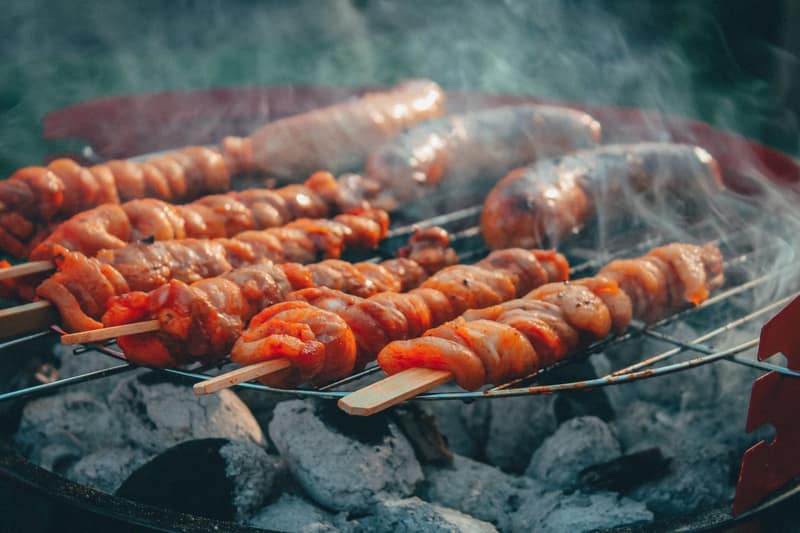
How it looks · Photo: Malte Luk on Pexels Step 3
Wet your hands, rub them with a little salt and take about 130 g of warm rice. Make a dip in the centre, add a spoonful of salmon (opens in a new tab) and close the rice over it.
- 10 min
Step 4
Press firmly but gently into a triangle, turning between cupped hands. Repeat to make 6.
- 5 min
Step 5
Wrap a nori (opens in a new tab) strip around the base just before eating so it stays crisp. Sprinkle with sesame seeds (opens in a new tab) if you like.
- 2 min
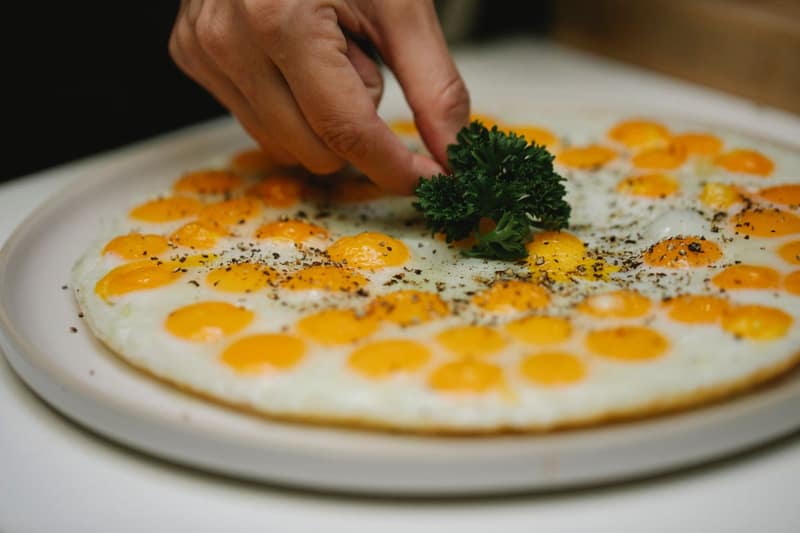
How it looks · Photo: Klaus Nielsen on Pexels
About this dish
- Origin
- Japan · Well documentedMore food from Japan
- Dish
- Lunch · Snack · Breakfast · Rice dishes · Finger food
- Cooking method
- Boiled, Broiled / grilled under heat
- Taste
- salty, umami, mild
- Diet
- Pescatarian · No gluten ingredients · Dairy-free · No nut ingredientsWorked out from the ingredients. How labels work
All labels
Pescatarian · Non-vegetarian · Flexitarian-friendly · No gluten ingredients · Dairy-free · Egg-free · No nut ingredients · No added sugar · Alcohol-free · Pork-free · Beef-free · Low-fat · DASH-style - Good for
- Portable / lunchbox · Child-friendly · Make-ahead
- Cook more with
- Short-grain rice · Salmon · Nori
Allergens
- Contains: Fishfrom salmon
- Contains, can be adapted: Sesamefrom sesame seeds
Based on typical versions of these ingredients and not verified allergen-free. Brands differ and cross-contact happens, so always check labels. For severe allergies, follow your clinician’s advice.
Nutrition
232 kcal per serving
Calculated1 serving ≈ 138 g · recipe makes 6
Where the energy comes from
- Protein 15%
- Carbohydrate 71%
- Fat 14%
| Nutrient | Per serving | Per 100 g* |
|---|---|---|
| Energy | 232 kcal | 168 kcal |
| Protein | 8.4 g | 6.1 g |
| Carbohydrate | 39.7 g | 28.7 g |
| Net carbohydrate | — | — |
| Sugars | — | — |
| Added sugars | 0 g | 0 g |
| Fibre | — | — |
| Fat | 3.6 g | 2.6 g |
| Saturated fat | 0.8 g | 0.6 g |
| Trans fat | — | — |
| Cholesterol | 14 mg | 10 mg |
| Sodium | 600 mg | 435 mg |
| Salt equivalent | 1.5 g | 1.1 g |
Vitamins & minerals per serving
- Potassium
- 134 mg
- Calcium
- 11 mg
- Iron
- 0.5 mg
- Magnesium
- 19 mg
- Vitamin A (RAE)
- —
- Vitamin C
- 2 mg
- Vitamin D
- 2.8 µg
- Vitamin B12
- 0.8 µg
- Folate (DFE)
- 12 µg
How these numbers were made
- Calculated from USDA FoodData Central (SR Legacy) per-100 g values and the listed quantities.
- *Per 100 g of combined raw ingredients; the cooked dish may weigh more or less.
- Optional ingredients are not included: sesame seeds.
- “—” means the value isn’t known for enough of the ingredients; it is never zero by default.
- Values are estimates for guidance, not for medical dosing. U.S. Department of Agriculture, Agricultural Research Service. FoodData Central, 2019. fdc.nal.usda.gov.
Good to know
Tips
- Shape the rice while warm — cold rice will not hold together.
Common mistakes
- Squeezing too hard makes dense, gummy rice balls.
Serve with
- Pack for lunch with tamagoyaki and pickles, or serve with miso soup.
Food safety
- Do not leave rice balls in a warm place for more than a few hours.
Storage
- Keep wrapped at cool room temperature and eat the same day; refrigeration hardens the rice.
Variations
- Umeboshi onigiri: Filled with a pickled plum instead of salmon.
Original editorial recipe · FriendsPantry editorial · Not yet independently reviewed · Added · Updated
Recipe DNA
How this dish is built
Reviews & corrections
Reviews come from signed-in cooks and appear after a moderator checks them. We never show made-up ratings.
You might also like
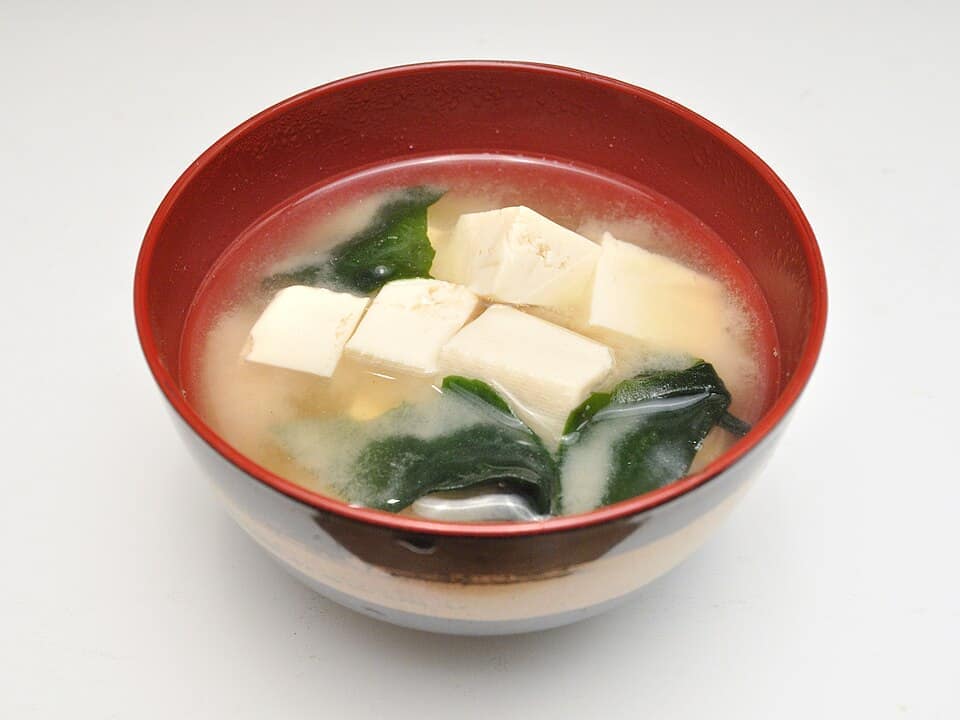
Miso soup with tofu and wakame
 Japanese · 13 min · 84 kcal
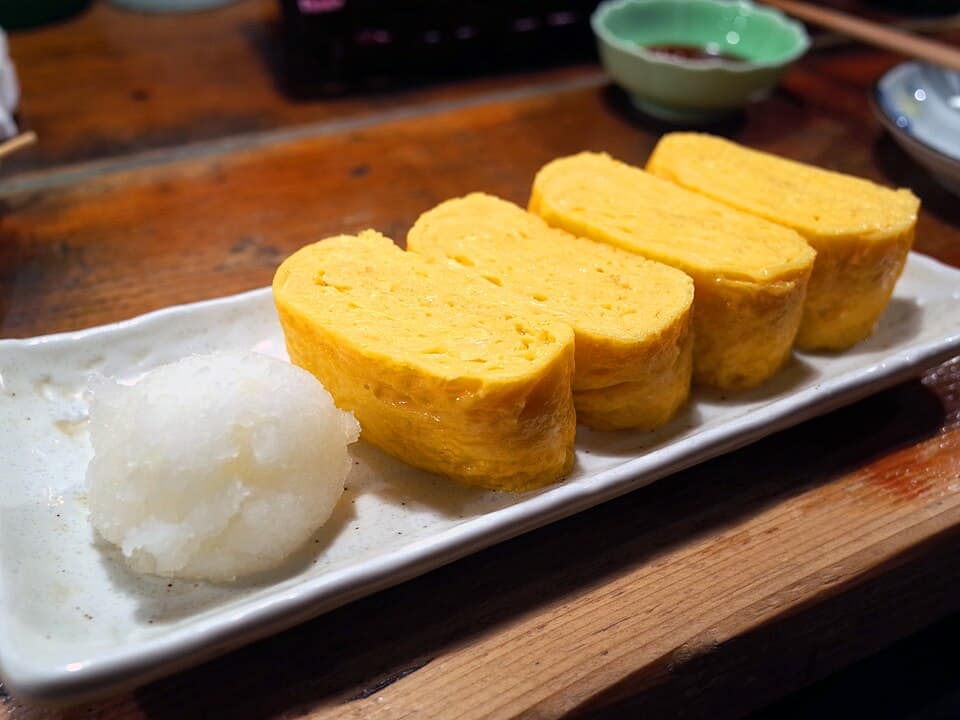
Tamagoyaki
Japanese · 15 min · 228 kcal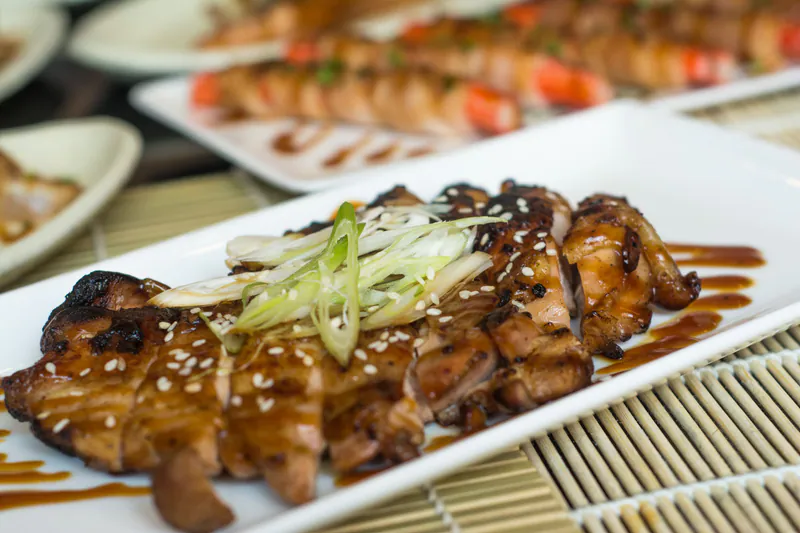
Chicken teriyaki
Japanese · 25 min · 188 kcal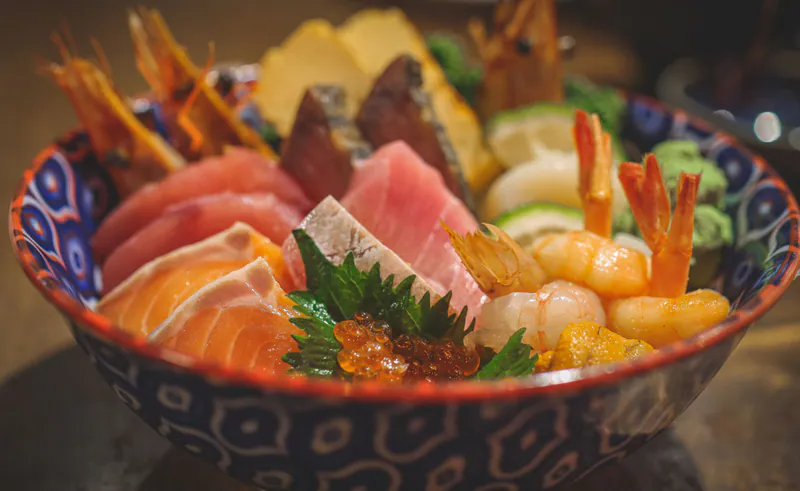
Chirashizushi (scattered sushi bowl)
Japanese · 1 h 20 min · 582 kcal