
Professional kitchen · intermediate
Plating
Also: presentation, dressing the plate
Arranging food on the plate so it looks appealing, eats well and arrives at the right temperature.
What it is
Plating is the final step of a dish: choosing the plate, placing the main element, sauce, garnish and textures with intention, and serving it hot or cold as it should be. For Indian thalis and family-style meals it means balancing colours and portions across bowls and the plate.
Why cooks use it: People eat with their eyes first; good plating highlights the main ingredient and makes each mouthful balanced.
The science
Plate temperature affects how long food stays hot or cold. Contrast in colour, height and texture shapes how people perceive a dish, which is studied in sensory science.
How heat moves into foodChanging texture: tenderising and crisping
Step by step
Warm plates for hot food (low oven at about 60–70 °C, or hot water) and chill them for cold dishes.
Choose a plate that frames the food with space around it.
Place the main element first, slightly off centre, then add sides and sauce.
Add height and contrast: something crisp, something fresh and green, something saucy.
Garnish with purpose: herbs or elements that belong to the dish.
Wipe the rim with a clean damp cloth and serve immediately.
Heat and timing
- Plating 60–70 °C · Plates warmed to roughly 60–70 °C for hot food.
Time: Seconds per plate; set up all components before you start.
How you know it’s right
- Clean rims
- Clear focal point
- Hot food still steaming at the table
Common mistakes
- Overcrowding the plate
- Garnishes that do not belong to the dish
- Cold plates for hot food
- Sauce pooled under crisp items so they go soggy
Troubleshooting
- Food goes cold before serving
- Warm the plates and set out all components before plating.
- Crisp items soggy
- Spoon sauce beside or under the base rather than over crisp elements.
Restaurant DNA
How professionals do it
Restaurants plate at the pass to a set reference (often a photo or diagram of each dish) so every plate looks the same, using squeeze bottles, ring moulds, offset spatulas and tweezers.
At home
Use squeeze bottles for sauces, a ring mould for rice or tartare, and a damp cloth for wiping rims.
General professional practice — not any particular restaurant’s recipe.
Food safety
- Warm plates can be very hot; use a cloth.
- Use clean tongs or gloves for ready-to-eat garnishes.
Practise it
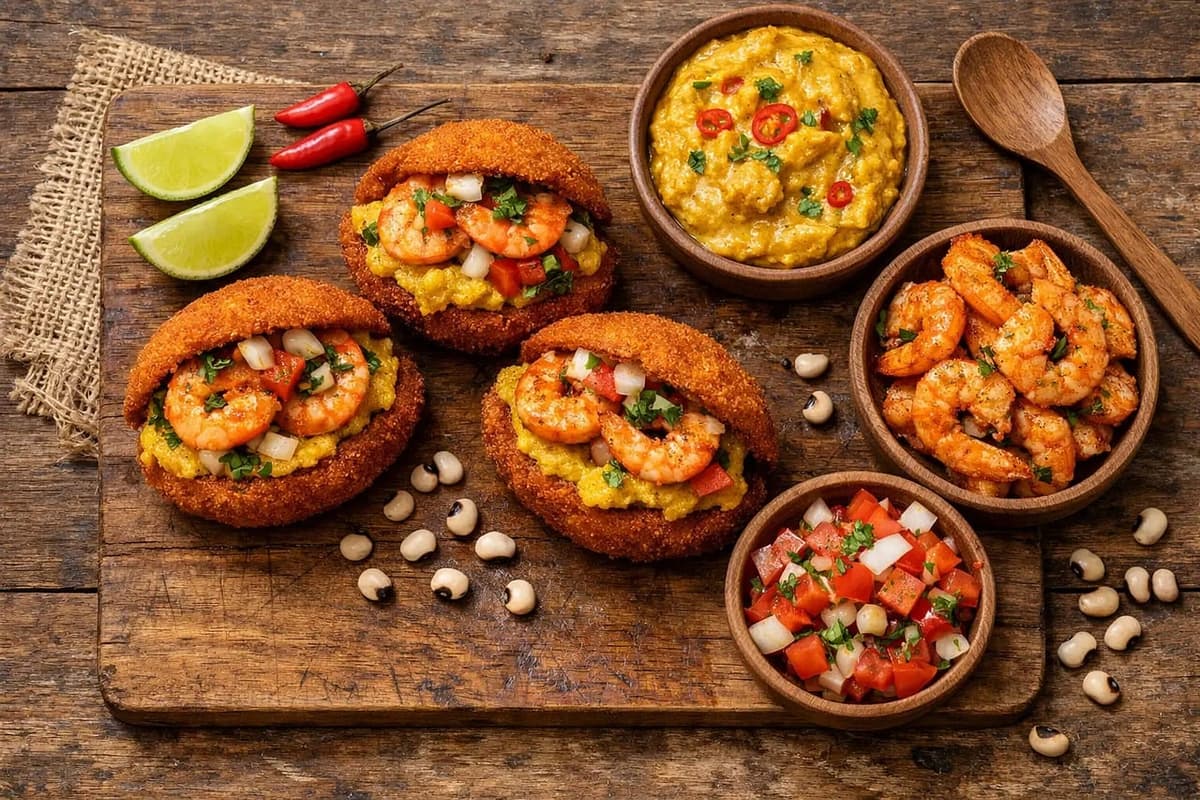
Acarajé
 Brazilian · 1 h 20 min · 534 kcal
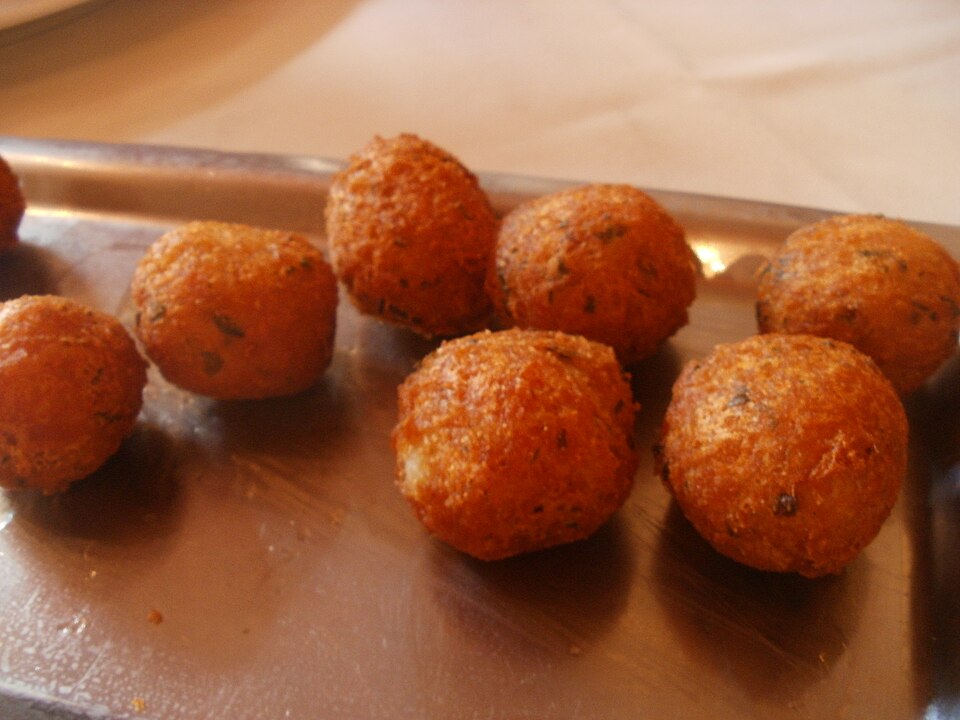
Bolinhos de bacalhau
 Portuguese · 1 h 5 min · 266 kcal
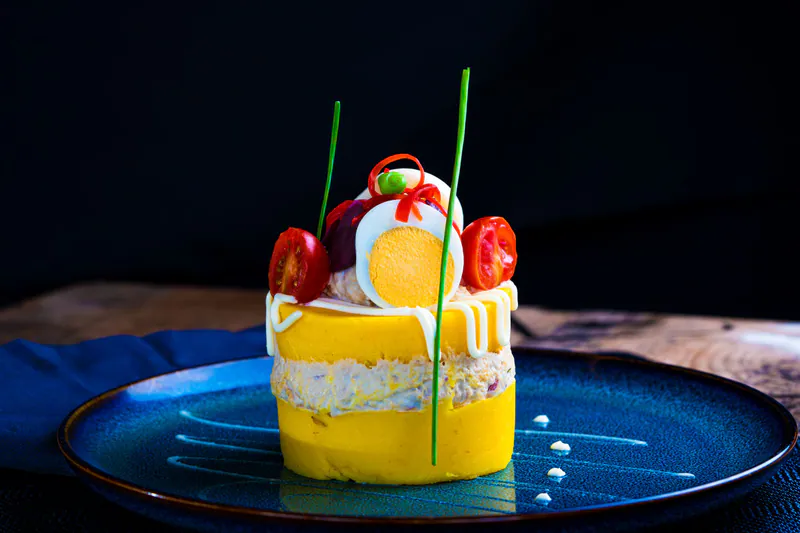
Causa limeña
 Peruvian · 1 h 50 min · 416 kcal
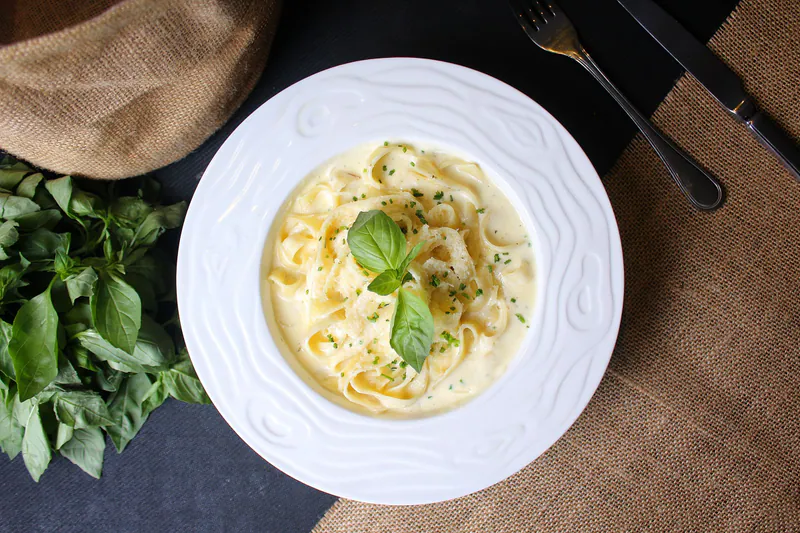
Fettuccine al burro (the original fettuccine Alfredo)
 Italian · 15 min · 546 kcal · Vegetarian
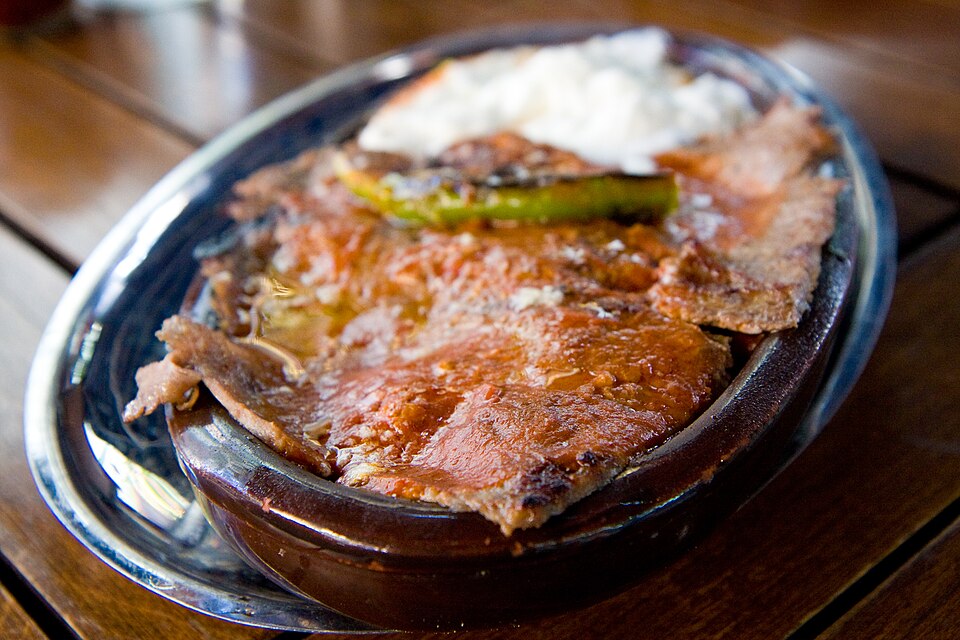
İskender kebap
 Turkish · 45 min · 764 kcal
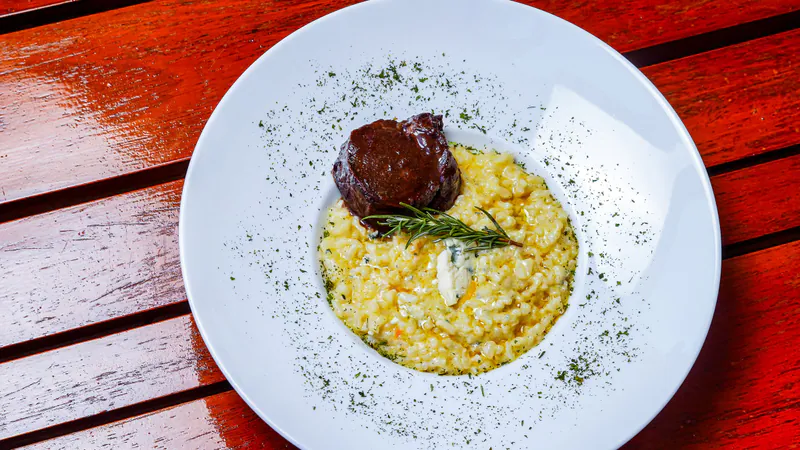
Risotto alla milanese
Italian · 37 min · 574 kcal