
Fish & seafood · Preserved fish
Katsuobushi (bonito flakes)
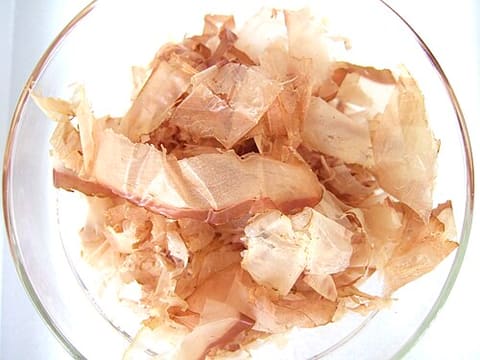
Smoked, dried and fermented skipjack tuna shaved into pinkish-tan flakes; the base of dashi and a topping.
Also called: bonito flakes, dried bonito, hanakatsuo
Around the world: 鰹節, katsuobushi (ja)
Photo: Sakurai Midori, via Wikimedia Commons (CC-BY-SA-3.0)
What it is
Katsuobushi is skipjack tuna that has been simmered, smoked, dried and often mould-cured until rock-hard, then shaved. The flakes are light, papery and pale pink-tan. Steeped with kombu, they make dashi, the stock behind much Japanese cooking. Thin flakes dance on hot food.
How it’s used
- Dashi for miso soup, noodle broths and simmered dishes
- Topping okonomiyaki and takoyaki
- Sprinkled over tofu, spinach and rice
- Mixed with soy sauce as an onigiri filling (okaka)
Characteristics
- Taste
- Smoky, savoury and deeply umami.
- Aroma
- Smoky and fishy.
- Texture
- Feathery and dry.
- When cooked
- Steep in hot (not boiling) water for a few minutes and strain for dashi; long boiling makes the stock bitter.
- Sold as
- flakes, dried
- Cooking uses
- Mainly a seasoning, Used as a garnish
- Common in
- Japanese
Storage
Cool, dry and dark. Keep sealed in a cool, dry place; once opened, press out the air and use reasonably quickly, as the aroma fades.
Diet, allergens and safety
Contains Fish.
- Vegetarian
- Vegan
- Dairy-free
- Egg-free
- Gluten-free
- Nut-free
- Soy-free
- Caffeine-free
- Contains fish (allergen); dashi made with it is not vegetarian.
Substitutes
Optional — what works if you don’t have it, and how it changes the dish.
- Dashi — Instant dashi in place of homemade stock.
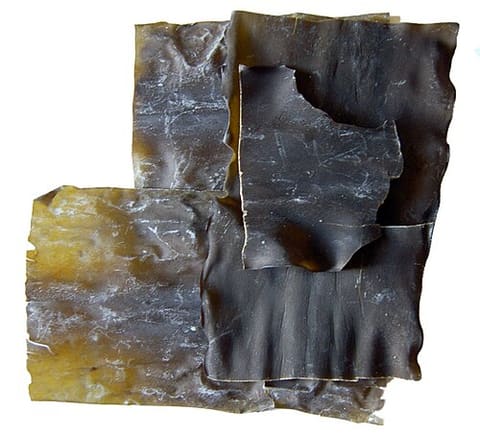
- Kombu (dried kelp) — For a vegetarian kombu-only dashi; lighter and less smoky.
Related ingredients
Recipes with katsuobushi (bonito flakes)
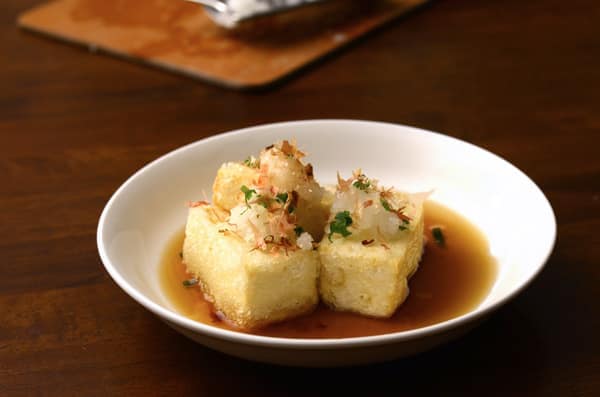
Agedashi tofu
 Japanese · 30 min · 329 kcal
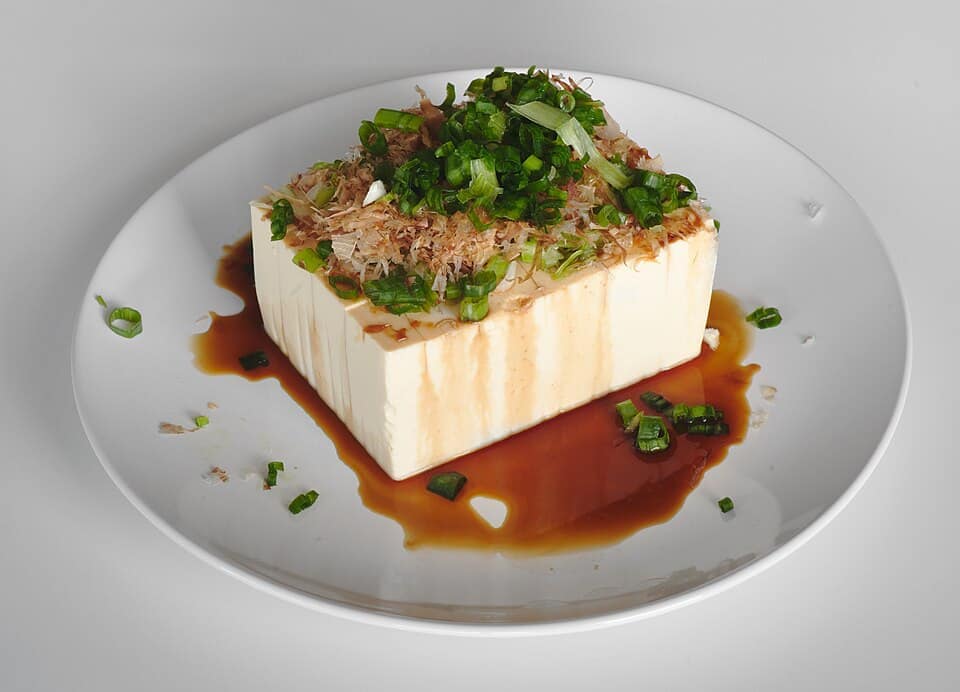
Hiyayakko
Japanese · 5 min · 99 kcal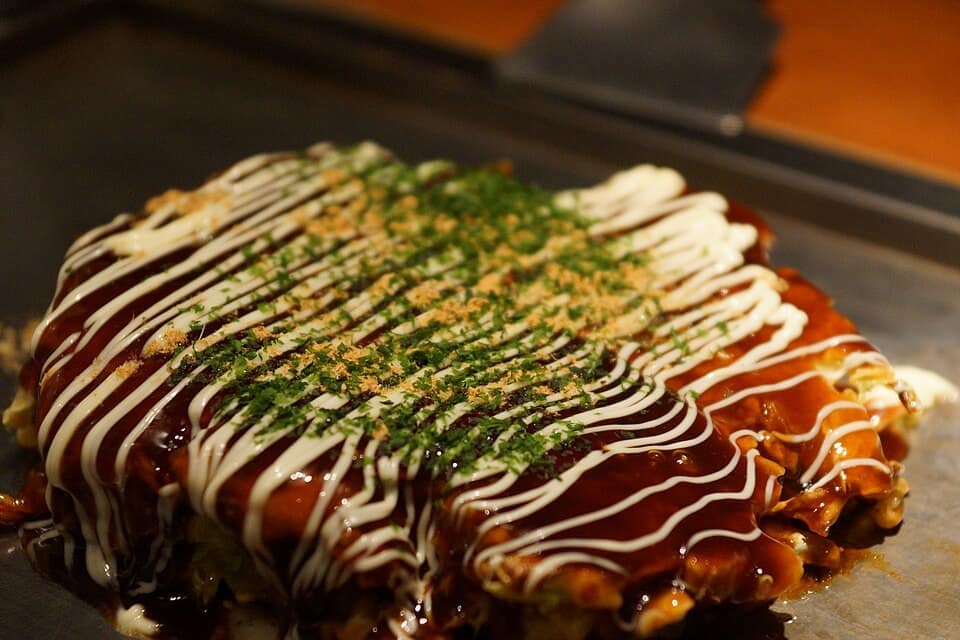
Okonomiyaki
Japanese · 35 min · 658 kcalPonzu
Japanese · 24 h 5 min · 16 kcal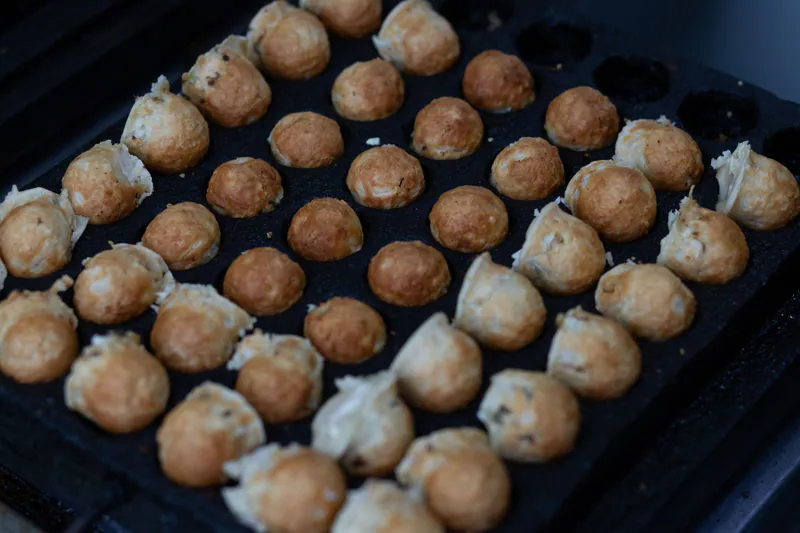
Takoyaki (octopus balls)
Japanese · 35 min · 322 kcal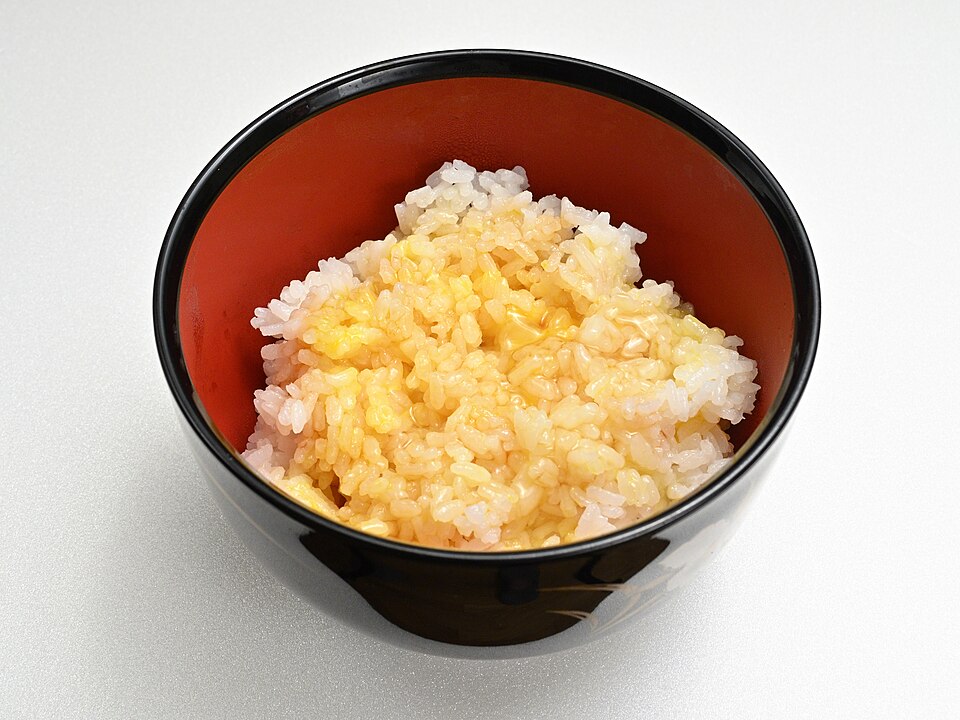
Tamago kake gohan (egg on rice)
Japanese · 32 min · 343 kcal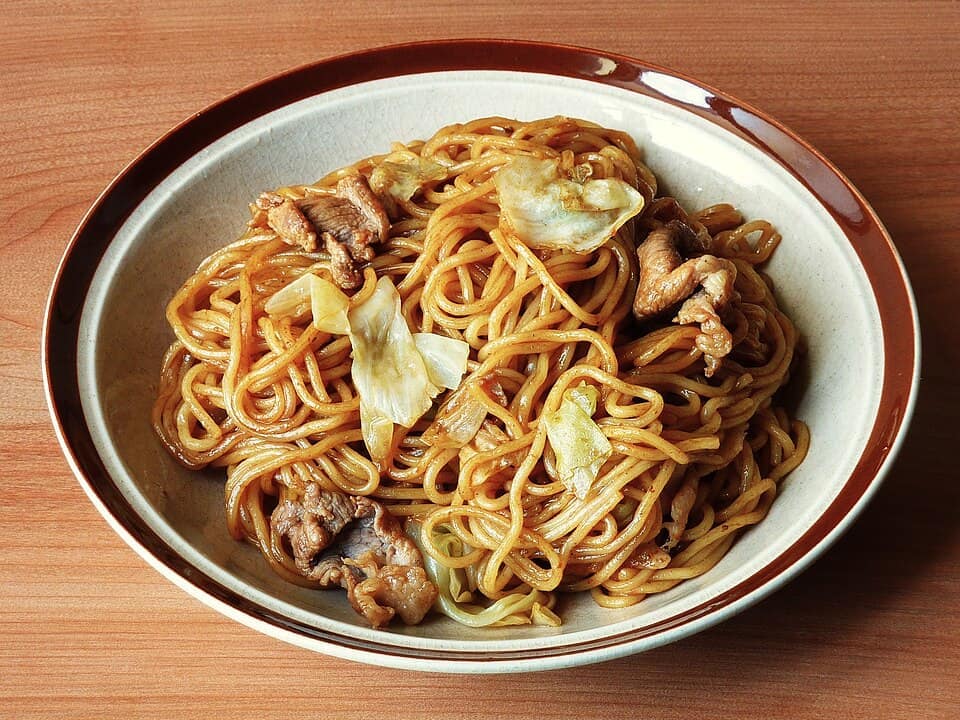
Yakisoba
Japanese · 27 min · 677 kcalMentsuyu (noodle soup base)
Japanese · 55 min
More preserved fish
Preserved fish
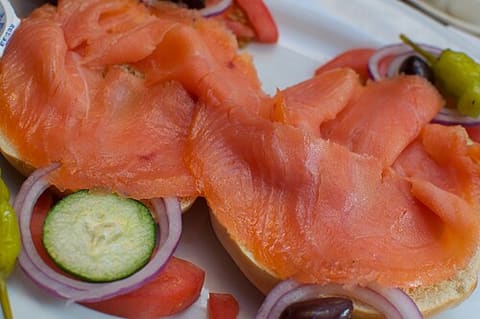
Smoked salmon
Cured, cold-smoked salmon in silky thin slices, eaten without cooking on bagels, blinis and in salads.
1 recipe
Preserved fish
Canned tuna
Cooked tuna packed in water, brine or oil; for sandwiches, salads, pasta bakes and fishcakes.
14 recipes
Preserved fish
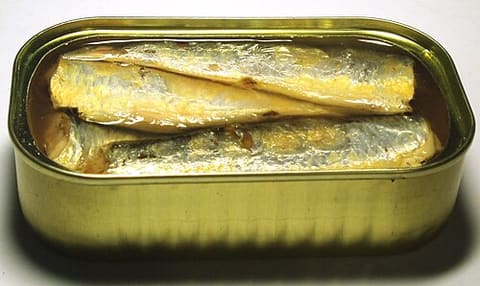
Sardines
Small oily fish, here the tinned kind in oil, tomato or brine; eaten on toast, in pasta or salads.
2 recipes
Preserved fish
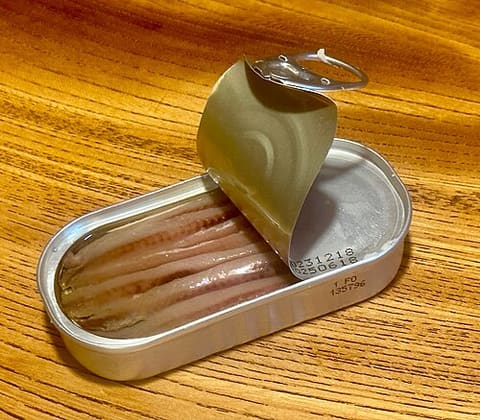
Anchovies
Tiny oily fish, usually salt-cured fillets in oil; melted into sauces as a savoury seasoning.
16 recipes
Preserved fish
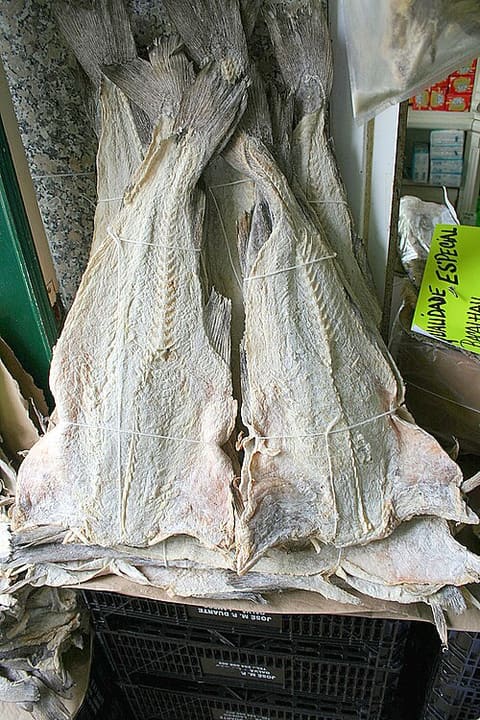
Salt cod
Cod salted and dried until stiff (bacalhau, bacalao); soaked for a day or more before cooking.
3 recipes
Preserved fish
Smoked haddock
Cold-smoked haddock fillets, natural pale or dyed yellow; poached for kedgeree, chowders and fish pie.
1 recipe
Preserved fish
Smoked fish
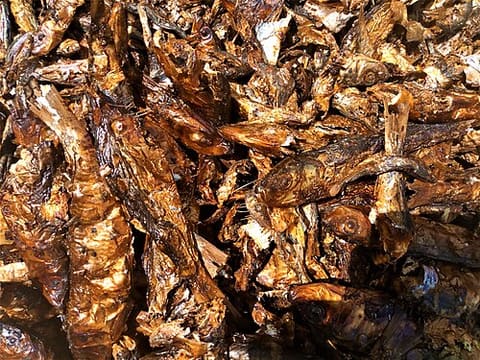
Hot- or cold-smoked and dried fish (catfish, mackerel, bonga); flakes into West African stews or eaten as is.
5 recipes
Preserved fish
Pickled herring
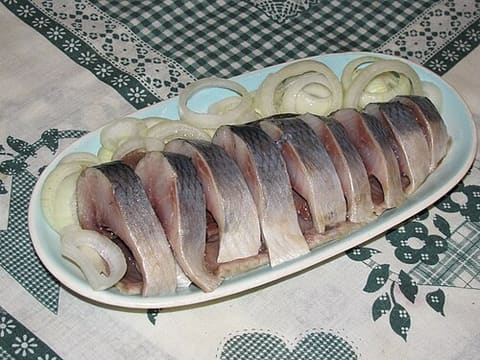
Herring fillets cured in vinegar, salt or brine; eaten cold with potatoes, onions, sour cream or on rye.
2 recipes