
Preparation skills · beginner
Knife skills
Also: cutting techniques, knife work
Holding and using a knife safely and efficiently to cut food into even pieces.
What it is
Knife skills cover how to hold a chef's knife, guide food with a 'claw' grip, and make the standard cuts: slicing, chopping, mincing, dicing (brunoise, small, medium, large), julienne, batonnet and chiffonade. They are the base of all preparation.
Why cooks use it: Even pieces cook evenly and look better; a sharp knife used well is faster and safer than a blunt one.
The science
A sharp edge concentrates force on a very small area, separating cells cleanly. A blunt knife crushes cells, releasing more juice and, in onions, more of the irritating compound that makes you cry. Size and shape of cuts control surface area, which affects cooking time and flavour release.
Enzymatic browningChanging texture: tenderising and crisping
Step by step
Stabilise the board with a damp cloth underneath.
Grip the knife with thumb and forefinger pinching the blade just ahead of the handle.
Curl the guiding hand into a claw, fingertips tucked, knuckles against the side of the blade.
Create a flat side on round food so it does not roll.
Use a forward-and-down rocking or slicing motion, letting the knife do the work.
Standard sizes: brunoise about 3 mm, small dice about 6 mm, medium about 12 mm, large about 20 mm; julienne about 3 mm × 3 mm × 5 cm; batonnet about 6 mm × 6 mm × 5–6 cm.
Timing
Practice: speed comes from consistency, not force.
How you know it’s right
- Pieces the same size
- Knife glides through tomatoes without crushing
- Onion dice holds its shape and is not wet
Common mistakes
- Blunt knife
- Fingertips flat on the food
- Using the board's edge or a glass board that dulls the blade
- Sweeping food off the board with the sharp edge
Troubleshooting
- Tomatoes squash
- Sharpen or hone the knife, or use a serrated knife.
- Eyes stinging with onions
- Use a sharp knife, chill the onion and leave the root end on while dicing.
Restaurant DNA
How professionals do it
Professional cooks are trained on standard cuts so prep is consistent across a brigade; they hone knives daily and sharpen regularly.
At home
One good chef's knife, a honing rod and a large wooden or plastic board will cover almost everything.
General professional practice — not any particular restaurant’s recipe.
Food safety
- A sharp knife is safer than a blunt one.
- Never try to catch a falling knife.
- Wash knives by hand and do not leave them in a sink of water.
- Use separate boards for raw meat and ready-to-eat food.
Practise it
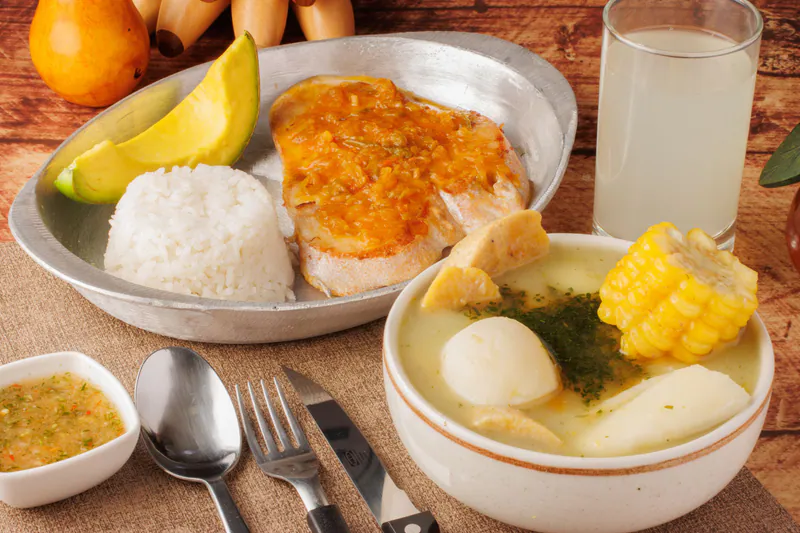
Ajiaco santafereño
 Colombian · 1 h 40 min · 345 kcal
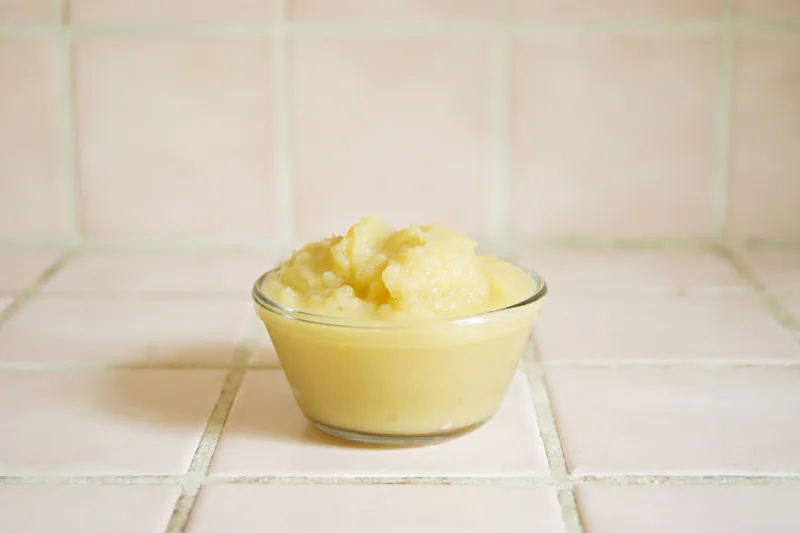
Apple sauce
 British · 22 min · 58 kcal · Vegetarian
Beerakaya pachadi (ridge gourd chutney)
 South Indian · 41 min · 69 kcal · Vegan
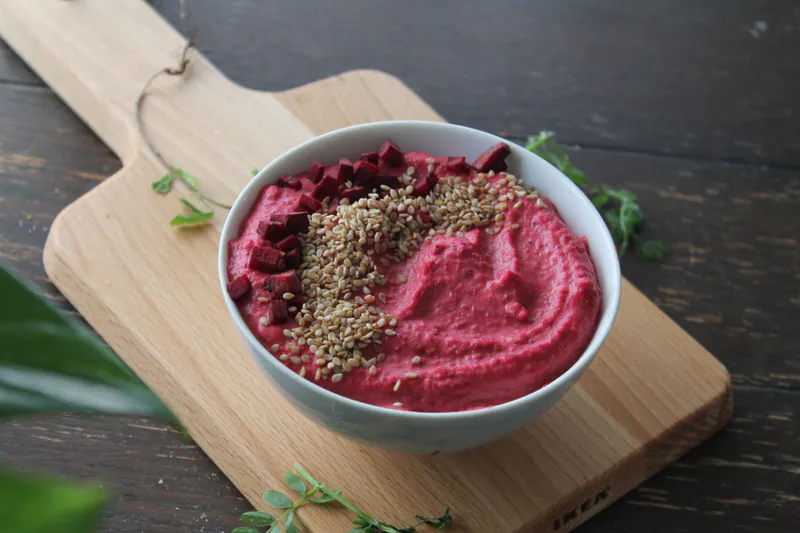
Beetroot hummus
International · 1 h 35 min · 160 kcal · Vegetarian
Bilahi pitika (Assamese roasted tomato mash)
Indian · 26 min · 39 kcal · VeganBudu (Timorese tomato relish)
 Timorese · 20 min · 25 kcal · Vegan
Chutney-e gashneez (Afghan green chutney)
 Afghan · 10 min · 45 kcal · Vegan
Çoban salatası
 Turkish · 15 min · 133 kcal · Vegan
Colombian ají picante
Colombian · 1 h 15 min · 6 kcal · Vegan
47 more
- Cumberland sauce · British
- Curry channa and aloo · Trinidadian
- Da pan ji (Xinjiang big plate chicken) · Chinese
- Dal dhokli · Gujarati
- Ensalada de nopales · Mexican
- Fried carrot cake (chai tow kway) · Singaporean
- Fuchka · Bangladeshi
- Gavurdağı salatası · Turkish
- Gazpacho · Spanish
- Gnocchi alla sorrentina · Italian
- Gol gappay · Pakistani
- Guasacaca · Venezuelan
- Gyeran-mari · Korean
- Jeera aloo · Indian
- Kairi pudina chutney (raw mango-mint chutney) · Indian
- Klepe (Bosnian meat dumplings) · Bosnian
- Lagman · Uzbek
- Lahmacun · Turkish
- Liangpi (cold skin noodles) · Chinese
- Mantı · Turkish
- Mantu · Afghan
- Margoog · Qatari
- Mooli ka lachha · Indian
- Pelmeni · Russian
- Pici all'aglione · Italian
- Pico de gallo · Mexican
- Potato gnocchi with tomato sauce · Italian
- Red zhug (zhug adom) · Yemeni
- Rémoulade sauce · French
- Ricotta gnocchi with butter and sage · Italian
- Salata dakwa · Sudanese
- Salata mechouia · Tunisian
- Salsa verde (Italian green sauce) · Italian
- Sauce gribiche · French
- Shami kebab · Pakistani
- Sigeumchi namul · Korean
- Som tam · Thai
- Spinach goma-ae · Japanese
- Spinach pkhali · Georgian
- Tartare sauce · British
- Thousand Island dressing · American
- Timatim salata · Ethiopian
- Tomato chokha (Bihari roasted tomato mash) · Indian
- Toum · Lebanese
- Tsuivan (Mongolian steamed noodles with meat) · Mongolian
- Varenyky with sour cherries · Ukrainian
- XO sauce · Cantonese