
Drinks & liquids · Tea
Matcha
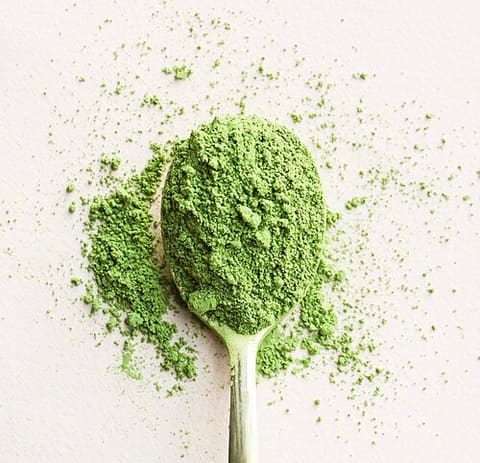
Bright green powdered green tea, whisked into drinks and used in Japanese sweets and bakes. Contains caffeine.
Also called: matcha powder, powdered green tea, green tea powder
Around the world: 抹茶, matcha (ja)
Photo: Evanhoever, via Wikimedia Commons (CC-BY-SA-4.0)
What it is
A fine powder stone-ground from shade-grown green tea leaves (tencha). Unlike steeped tea, the whole leaf is consumed, so flavour and caffeine are concentrated. Ceremonial grade is vivid green and smooth for drinking; culinary grade is duller and more bitter, fine for baking. This record is the dry powder.
How it’s used
- Whisked with hot water as tea
- Matcha lattes
- Ice cream, mochi and cakes
- Cookies, cheesecakes and frostings
- Dusting desserts
Characteristics
- Taste
- Grassy, umami-rich and slightly bitter.
- Texture
- Very fine powder; clumps easily.
- Appearance
- Vivid jade to olive green.
- When cooked
- Sift before using; turns dull and bitter if heated strongly or mixed with boiling water.
- Sold as
- powder
- Cooking uses
- Suitable for baking
- Common in
- Japanese
Storage
Refrigerated. Keep in an airtight tin away from light, heat and moisture; the fridge preserves colour. It fades and turns brownish as it ages.
Diet, allergens and safety
No major allergens in typical versions.
- Vegetarian
- Vegan
- Dairy-free
- Egg-free
- Gluten-free
- Nut-free
- Soy-free
- Caffeine-free
- Contains caffeine, more per serving than steeped green tea.
Substitutes
Optional — what works if you don’t have it, and how it changes the dish.
- Green tea leaves — Finely ground in a spice grinder for baking; flavour is weaker and texture grittier.
Related ingredients
Recipes with matcha
Iced matcha espresso fusion
International · 5 min · 97 kcal · Vegetarian
Matcha latte
 Japanese · 6 min · 160 kcal · Vegetarian
Usucha (thin matcha)
Japanese · 4 min · 0 kcal · Vegan
More tea
Tea
Black tea (brewed)
Brewed black tea, the strong amber drink used in chai, iced tea and some marinades and bakes. Contains caffeine.
23 recipes
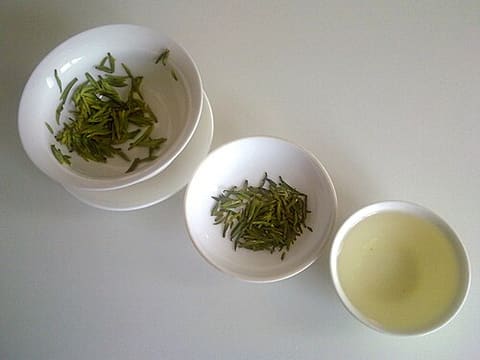
Tea
Green tea (brewed)
Brewed green tea: light, grassy and gently astringent; used as a drink and in some soups and rice dishes. Contains caffeine.
8 recipes
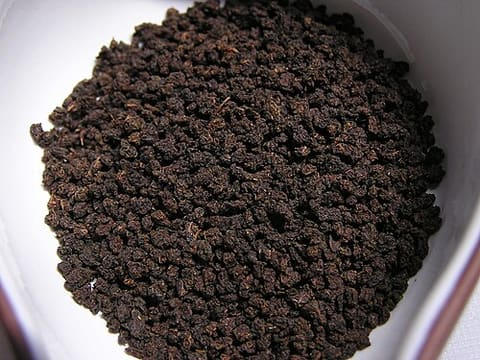
Tea
Black tea leaves
Dry black tea as loose leaf, CTC granules or tea bags, steeped to brew black tea and chai. Contains caffeine.
16 recipes
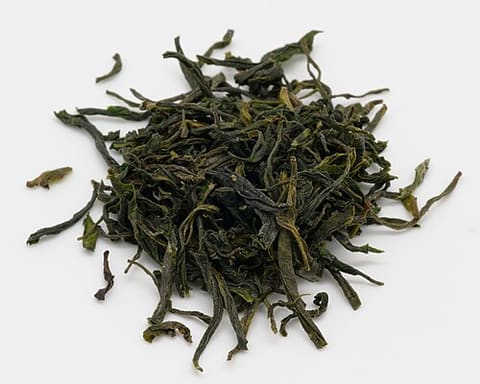
Tea
Green tea leaves
Dry green tea, loose or in bags, steeped in hot (not boiling) water to make green tea. Contains caffeine.
8 recipes