
Dry-heat cooking · intermediate
Grilling
Also: barbecuing (direct heat)
Cooking food on a grate directly over a strong heat source.
What it is
Grilling (American usage) means cooking over direct heat from gas, charcoal or a ridged grill pan. Food sits on bars that leave seared marks while radiant heat from below browns the surface. In British usage 'grill' often means the overhead element, which this library calls broiling.
Why cooks use it: Intense direct heat gives fast browning, char and smoky flavour from fat and juices dripping onto the heat source.
The science
Most heat arrives as infrared radiation from the coals or burners, with conduction where food touches hot bars. Fat dripping onto the heat vaporises and creates flavourful smoke. Thin pieces cook through before the surface burns; thick pieces need a cooler zone.
How heat moves into foodThe Maillard reactionHow proteins set when cookedFood-safety temperatures
Step by step
Heat the grill or grill pan thoroughly (10–15 minutes) and clean the bars.
Set up two zones if you can: one hot, one cooler.
Pat food dry, oil the food rather than the grate, and season.
Lay food on the hottest area and leave it until it releases easily.
Turn once or twice; move thicker pieces to the cooler zone to finish.
Check the internal temperature and rest meat a few minutes.
Heat and timing
- Grilling 200–300 °C · Grate temperatures of roughly 200–300 °C; hold your hand about 12 cm above: 2–3 seconds is hot, 5–7 seconds is medium.
Time: 3–10 minutes for thin cuts and vegetables; longer with a cooler zone for bone-in pieces.
How you know it’s right
- Food releases from the bars without tearing
- Defined brown grill marks
- Juices beading on the surface of steaks
Common mistakes
- Turning too often
- Pressing burgers and squeezing out juices
- Sugary marinades burning before the inside cooks
- Not preheating the grate
Troubleshooting
- Food sticks
- Preheat longer, clean the bars and wait until the crust forms before turning.
- Burnt outside, raw inside
- Move to the cooler zone and cover, or finish in the oven.
- Flare-ups
- Trim excess fat and move food away from the flames briefly; do not douse with water on a gas grill.
Restaurant DNA
How professionals do it
Restaurant grills usually run hot and cool zones permanently, and cooks move items across them by feel, often marking food on the grill and finishing in an oven.
At home
A heavy ridged grill pan or a two-zone kettle barbecue reproduces the same hot-and-cool logic.
General professional practice — not any particular restaurant’s recipe.
Food safety
- Grill outdoors only; charcoal and gas give off carbon monoxide.
- Use separate tongs and plates for raw and cooked meat.
- Poultry to 74 °C; minced meat burgers to 71 °C.
Practise it
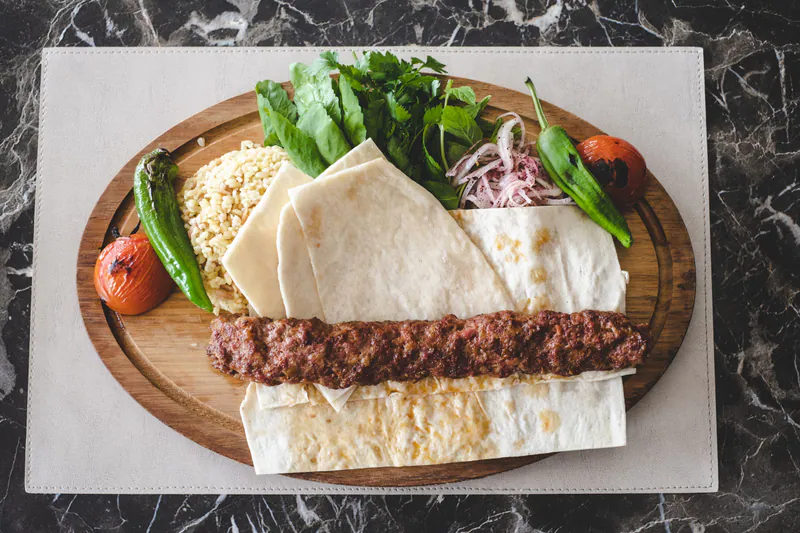
Adana kebab
 Turkish · 1 h 7 min · 438 kcal
Amritsari kulcha
 Punjabi · 3 h 10 min · 358 kcal · Vegetarian
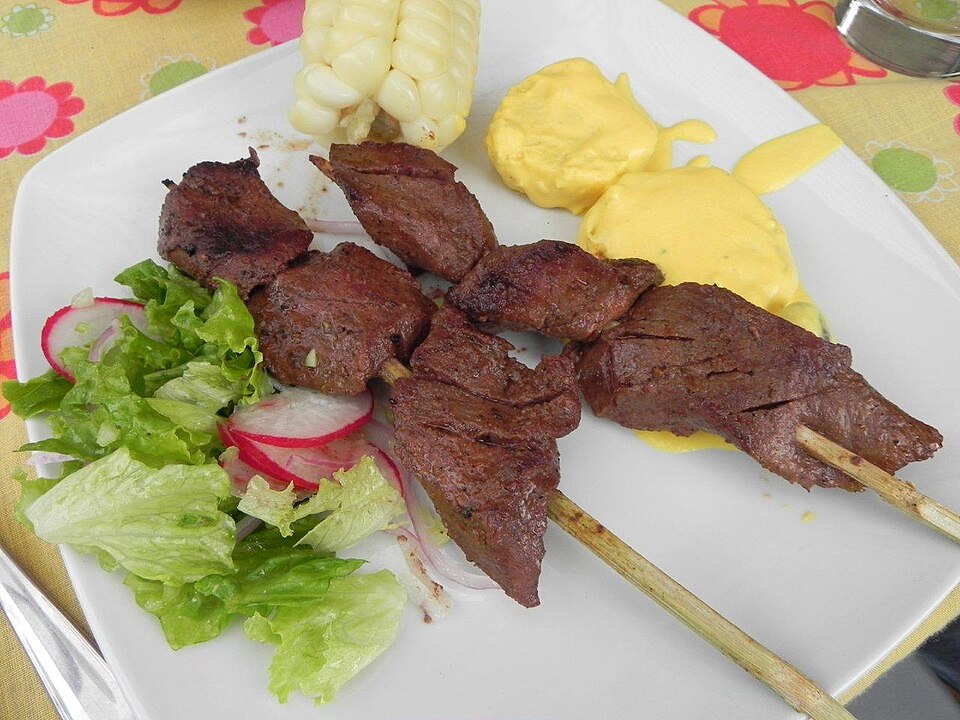
Anticuchos de corazón
 Peruvian · 45 min · 491 kcal
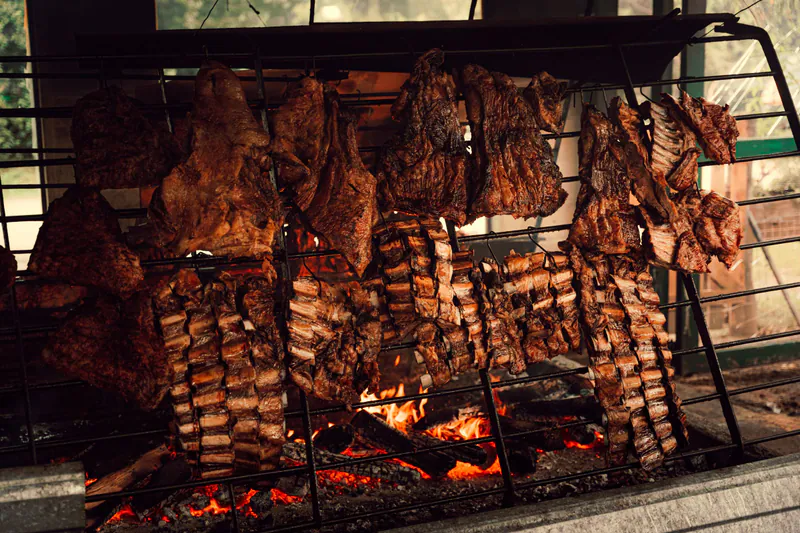
Argentine asado
 Argentine · 2 h 5 min · 653 kcal
Attiéké with grilled fish
 Ivorian · 1 h 15 min · 644 kcal
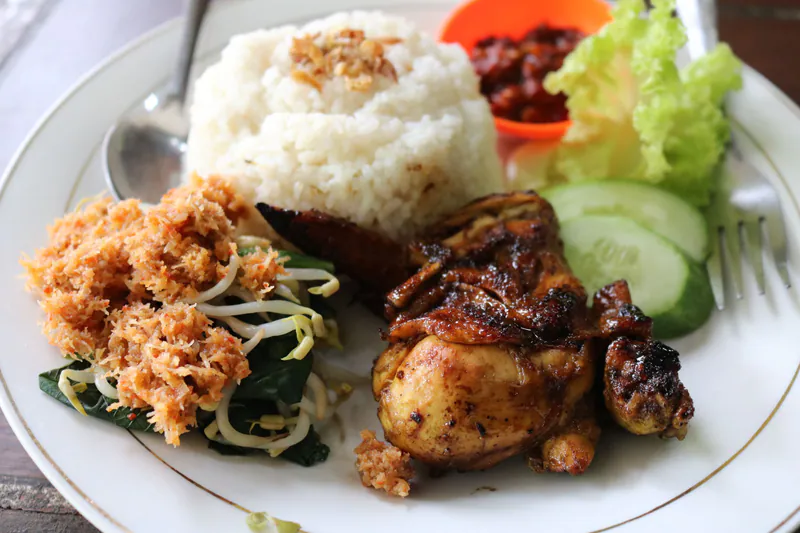
Ayam bakar
 Indonesian · 1 h 15 min · 716 kcal
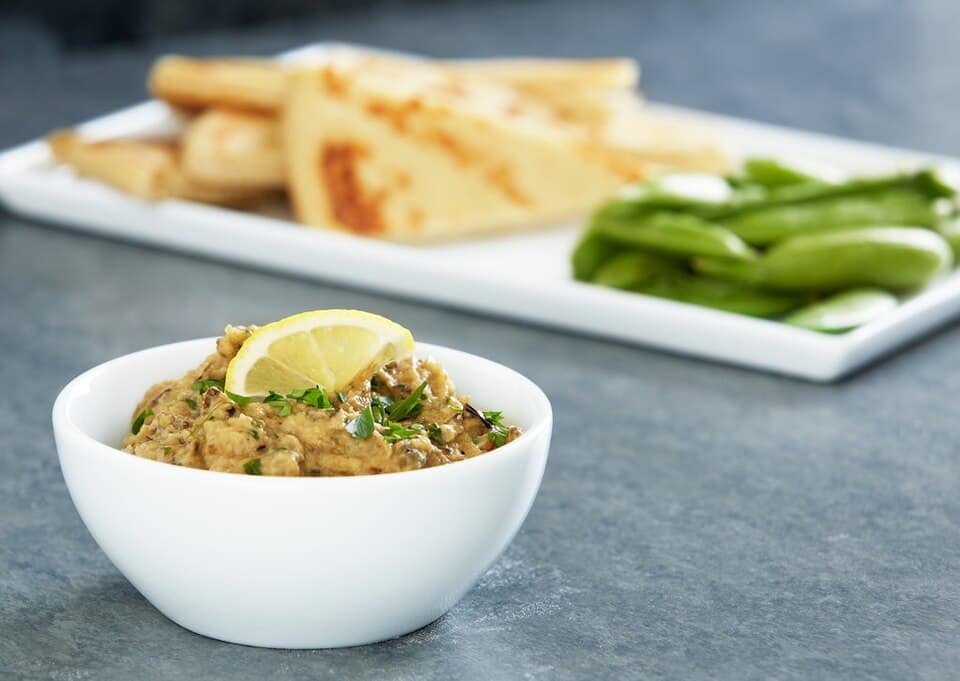
Baba ghanoush
Levantine · 55 min · 139 kcal · Vegan
Baba ghanoush (Lebanese-Syrian chopped style)
 Lebanese · 1 h 5 min · 123 kcal · Vegan
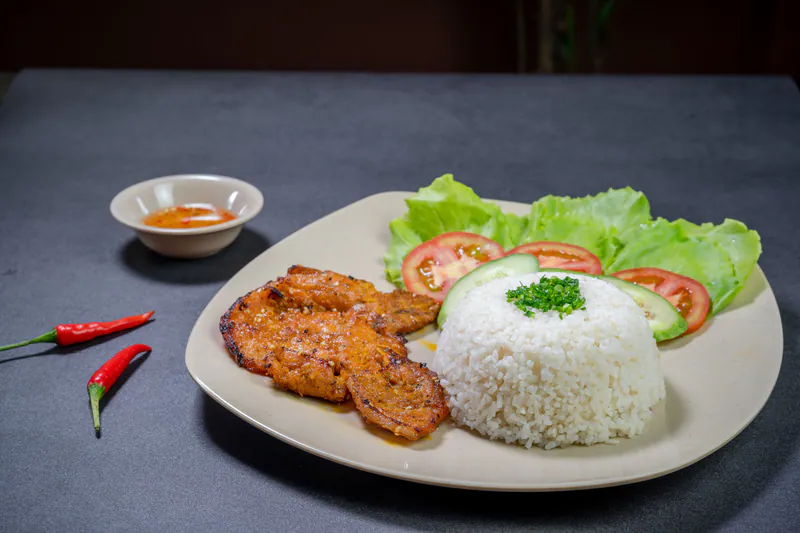
Bai sach chrouk
 Cambodian · 1 h 50 min · 724 kcal
84 more
- Bánh mì thịt nướng · Vietnamese
- Beef bulgogi · Korean
- Begun bhorta · Bangladeshi
- Bilahi pitika (Assamese roasted tomato mash) · Indian
- Boerewors with pap and sous · South African
- Bún chả · Vietnamese
- Ćevapi · Balkan
- Chicken shawarma · Levantine
- Chicken souvlaki · Greek
- Chicken yassa · Senegalese
- Chivito · Uruguayan
- Choripán · Argentine
- Classic beef burger · American
- Cơm tấm sườn nướng · Vietnamese
- Elote · Mexican
- Ensaladang talong · Filipino
- Fermented bamboo shoot chutney · Indian
- Fish yassa · Senegalese
- Frango à zambeziana · Mozambican
- Gai yang (Thai grilled chicken) · Thai
- Goan bebinca · Goan
- Grilled chicken salad · International
- Grilled Garlic Prawn Skewers · Mediterranean
- Grilled halloumi with watermelon and mint · Cypriot
- Grilled Lemon-Herb Salmon · International
- Grilled picanha · Brazilian
- Grilled Sea Bass with Lemon-Oil Dressing · Mediterranean
- Grilled Squid Salad · Mediterranean
- Grilled steak with chimichurri · Argentine
- Htipiti (roasted red pepper and feta dip) · Greek
- Hünkar beğendi (lamb on smoky aubergine purée) · Turkish
- Ikan sabuko · Timorese
- İskender kebap · Turkish
- Izgara köfte · Turkish
- Jamaican jerk chicken · Jamaican
- Joojeh kabab · Iranian
- Kapana · Namibian
- Kati kati · Cameroonian
- Khorovats · Armenian
- Kilishi · Nigerien
- Liboké de poisson · Congolese
- Masgouf-style grilled carp · Iraqi
- Mashuai · Omani
- Melitzanosalata (Greek smoky aubergine dip) · Greek
- Mici · Romanian
- Mishkak · Omani
- Mitarashi dango · Japanese
- Moo ping (Thai grilled pork skewers) · Thai
- Mozambican peri-peri prawns · Mozambican
- Mshikaki · Tanzanian
- Nyama choma · Kenyan
- Paneer tikka · Punjabi
- Patlıcan salatası · Turkish
- Piri-piri chicken · Portuguese
- Plato típico hondureño · Honduran
- Pljeskavica · Serbian
- Pork sisig · Filipino
- Pork souvlaki · Greek
- Roasted red pepper hummus · International
- Rwandan goat brochettes · Rwandan
- Saba shioyaki · Japanese
- Salata mechouia · Tunisian
- Salsa roja asada · Mexican
- Sardinhas assadas · Portuguese
- Sate ayam (chicken satay) · Indonesian
- Seekh kebab · Pakistani
- Seychellois grilled fish with Creole sauce · Seychellois
- Shaiyah · Sudanese
- Shish tawook · Lebanese
- Smashed avocado on toast · Australian
- Souvla · Cypriot
- Sticky rice with jeow mak len · Lao
- Suya · Nigerian
- Tandoori chicken · Punjabi
- Tlayudas · Mexican
- Tomato bruschetta · Italian
- Tomato chokha (Bihari roasted tomato mash) · Indian
- Tortang talong · Filipino
- Ulli chammanthi (Kerala shallot chutney) · South Indian
- Uzbek lamb shashlik · Uzbek
- Xinjiang cumin lamb skewers · Chinese
- Yakitori (negima) · Japanese
- Yakitori tare · Japanese
- Yam nuea · Thai