
Drinks & liquids · Wines & spirits
Sake
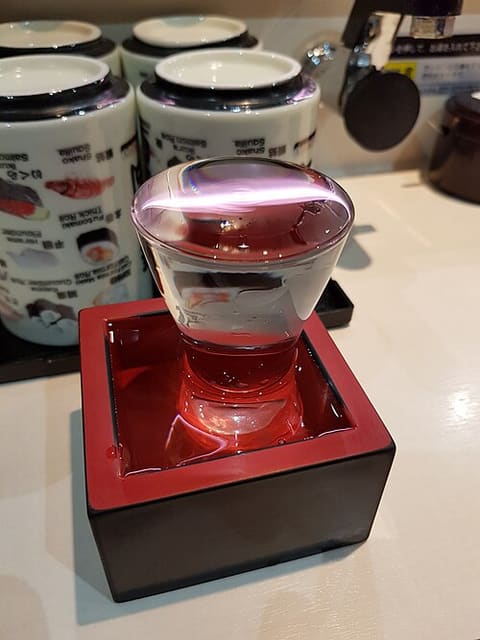
Japanese rice wine, clear and dry-to-sweet; drunk and used to tenderise, deglaze and remove fishy odours in cooking.
Also called: japanese rice wine, nihonshu, cooking sake, ryorishu
Around the world: 酒, 日本酒 (ja)
Photo: Intforce, via Wikimedia Commons (CC-BY-SA-4.0)
What it is
Sake is brewed from polished rice, water, koji mould and yeast, giving a clear drink of around 15% alcohol. Cooking sake (ryorishu) often contains salt and is not for drinking. It is drier and less sweet than mirin and lighter than Chinese Shaoxing wine.
How it’s used
- Teriyaki and simmering sauces (with mirin and soy)
- Steaming clams (sakamushi)
- Marinating fish and meat
- Deglazing pans
- Miso-glazed fish marinade
Characteristics
Storage
Refrigerated. Refrigerate drinking sake after opening and use soon; cooking sake keeps in a cool cupboard.
Diet, allergens and safety
No major allergens in typical versions.
- Vegetarian
- Vegan
- Dairy-free
- Egg-free
- Gluten-free
- Nut-free
- Soy-free
- Caffeine-free
- Contains alcohol; cooking sake may be high in salt.
Nutrition per 100 g
- Energy
- 134 kcal
- Protein
- 0.5 g
- Carbohydrate
- 5 g
- Fat
- 0 g
- Fibre
- 0 g
- Sugars
- 0 g
USDA FoodData Central: Alcoholic beverage, rice (sake).
Substitutes
Optional — what works if you don’t have it, and how it changes the dish.
- Dry sherry — Same amount in cooking; slightly nuttier.
- Dry white wine — Dry white wine in sauces and steaming.
Related ingredients
Recipes with sake
See all 21
Ajitsuke tamago (ramen eggs)
 Japanese · 6 h 20 min · 116 kcal · Contains egg
Chicken karaage
Japanese · 1 h · 449 kcal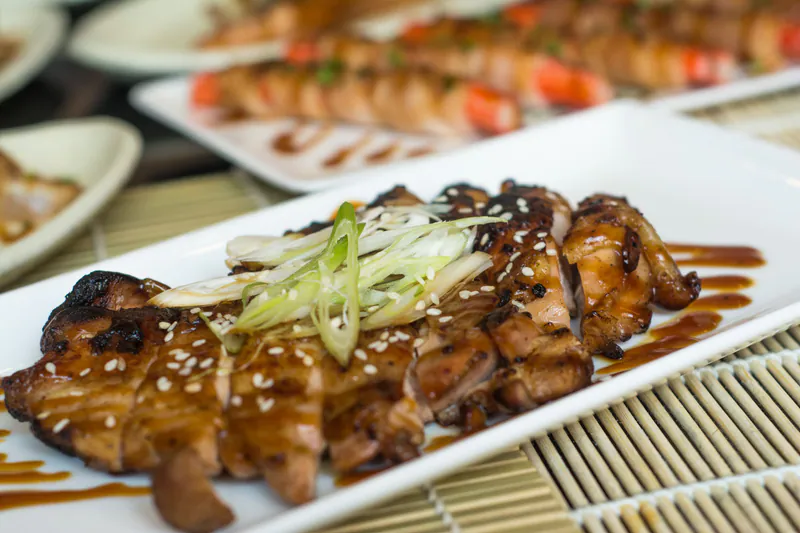
Chicken teriyaki
Japanese · 25 min · 188 kcal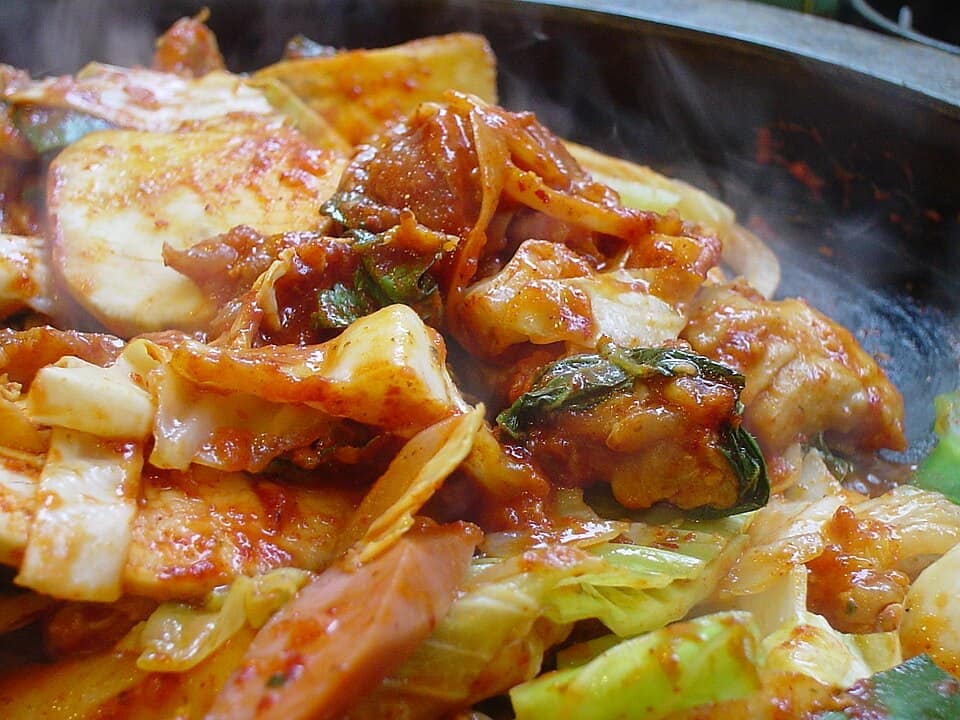
Dakgalbi
 Korean · 1 h 10 min · 349 kcal
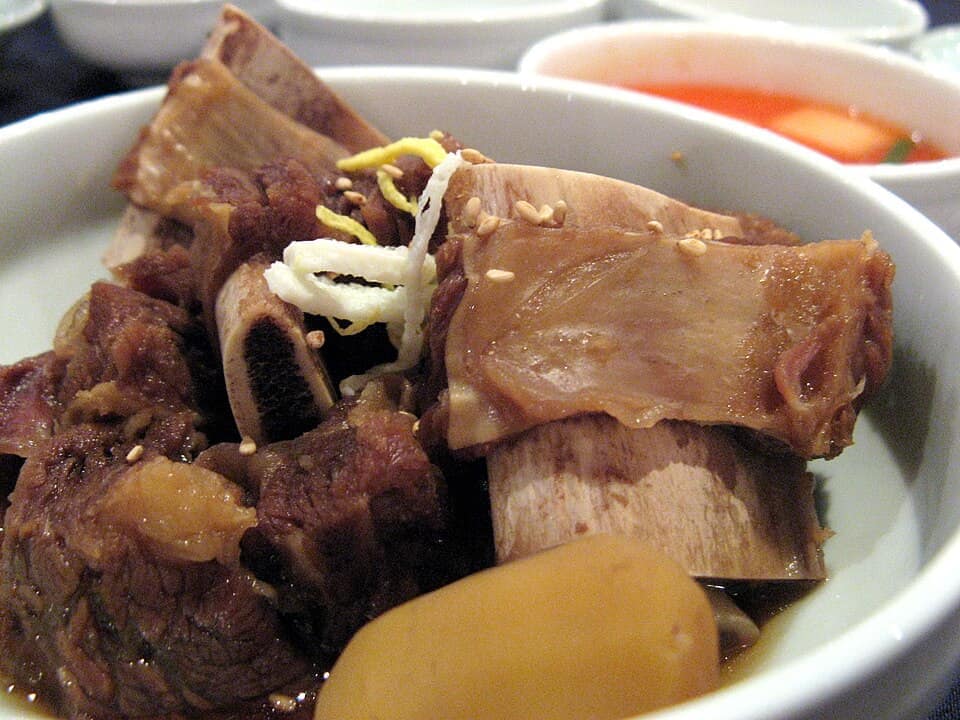
Galbi-jjim
Korean · 2 h 40 min · 599 kcal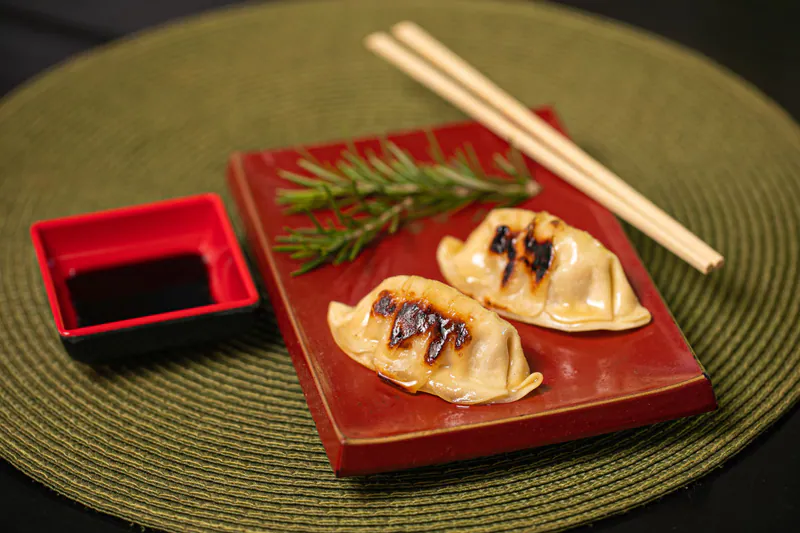
Gyoza (pan-fried pork dumplings)
Japanese · 55 min · 447 kcal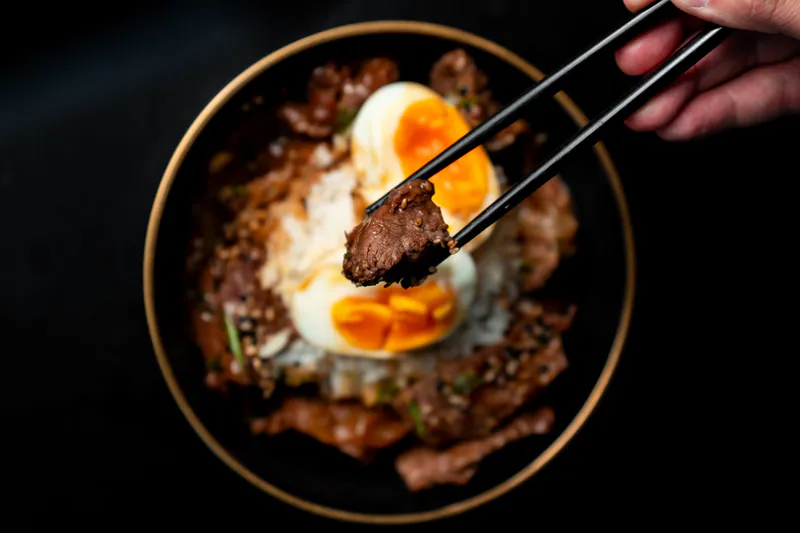
Gyudon
Japanese · 25 min · 548 kcalKenchin-jiru
Japanese · 1 h 20 min · 247 kcal · VeganNasu dengaku
Japanese · 30 min · 144 kcal · Vegan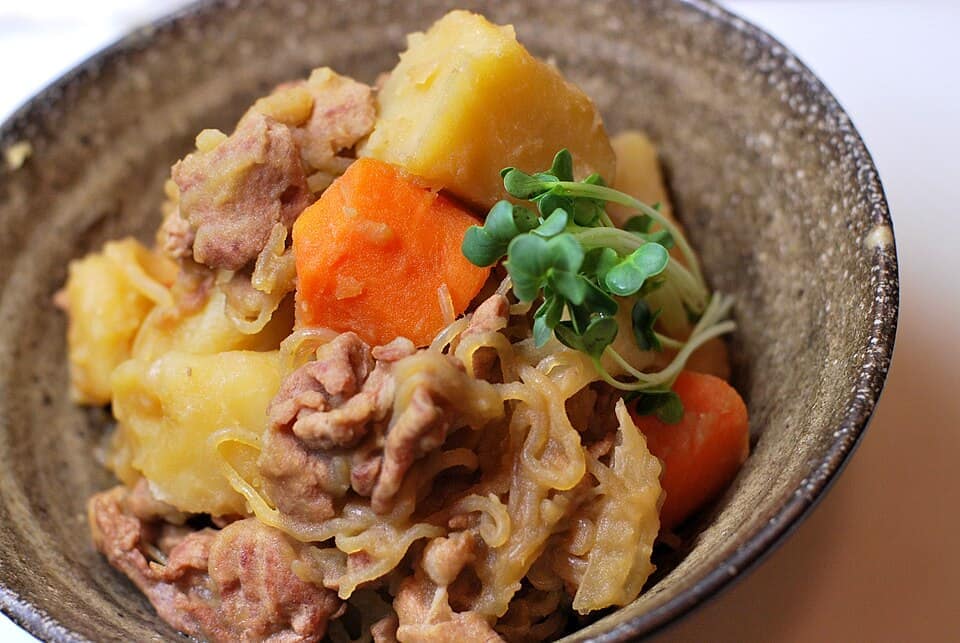
Nikujaga
Japanese · 55 min · 296 kcal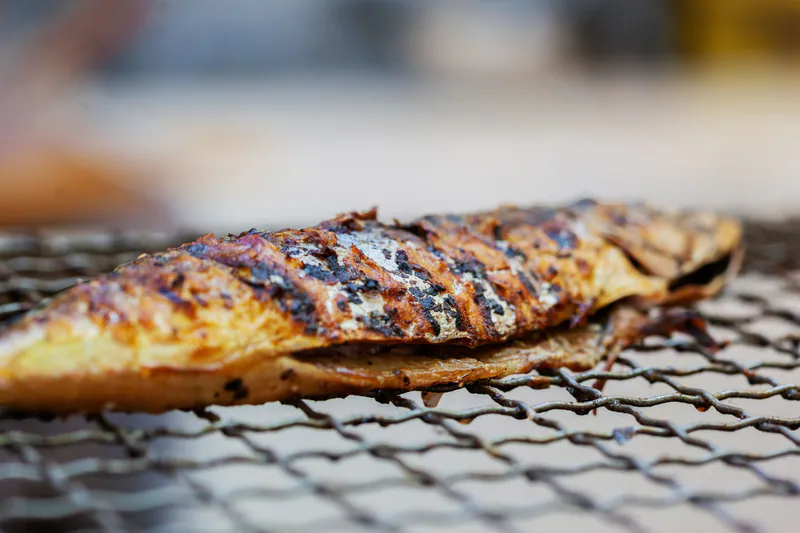
Saba shioyaki
Japanese · 35 min · 308 kcal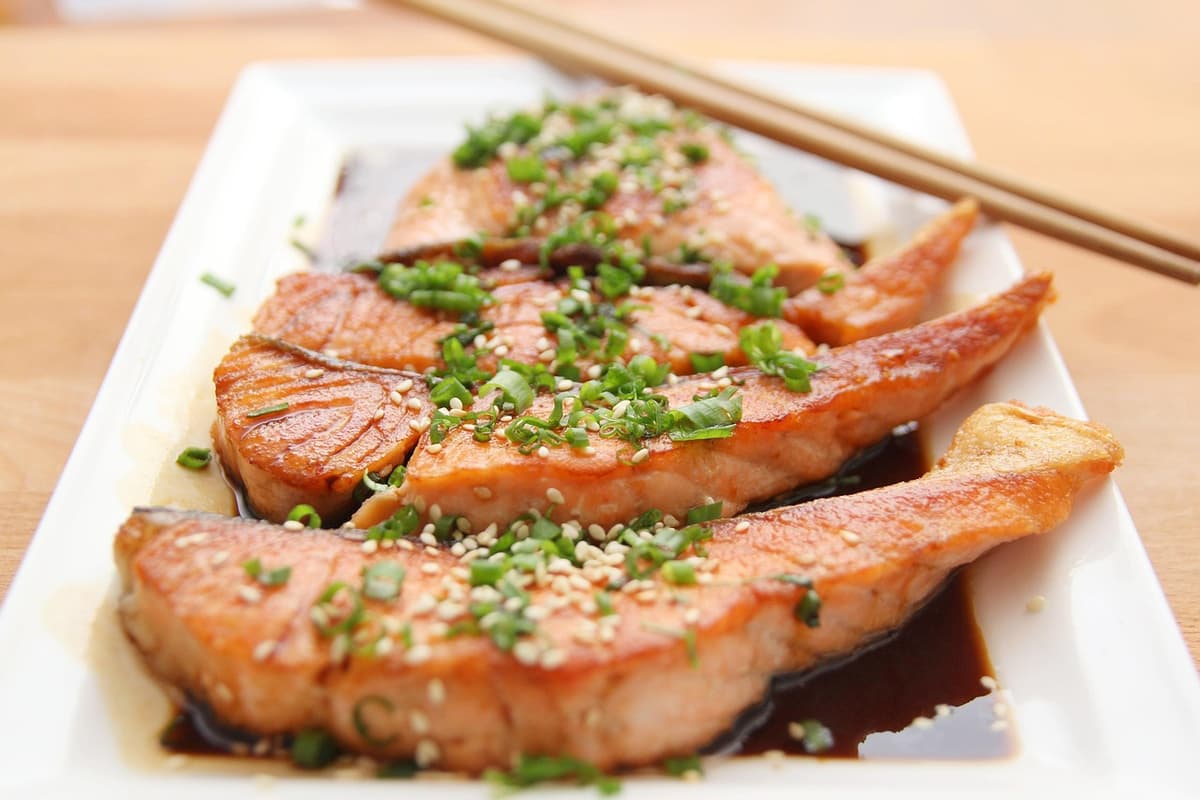
Salmon teriyaki
Japanese · 17 min · 439 kcal
9 more
- Mentsuyu (noodle soup base) · Japanese
- Shoyu ramen (home-style) · Japanese
- Suimono (clear soup with tofu and mushrooms) · Japanese
- Sukiyaki · Japanese
- Teriyaki sauce · Japanese
- Ushiojiru (clear clam soup) · Japanese
- Yakgwa (Korean honey cookies) · Korean
- Yakitori (negima) · Japanese
- Yakitori tare · Japanese
More wines & spirits
Wines & spirits
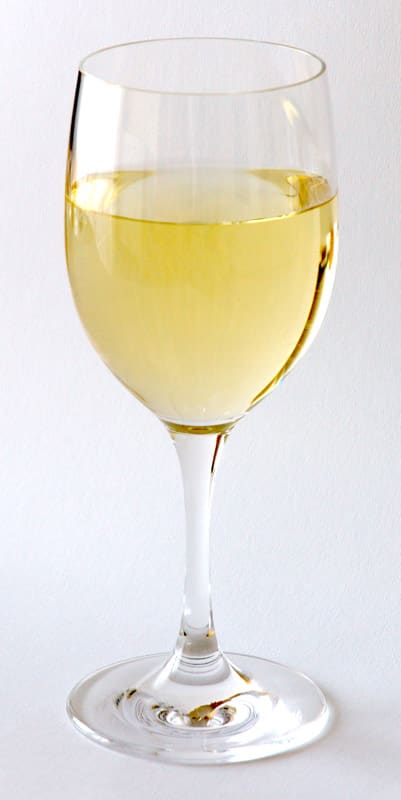
Dry white wine
Dry white wine used to deglaze, poach and build sauces, risottos and mussels.
31 recipes
Wines & spirits
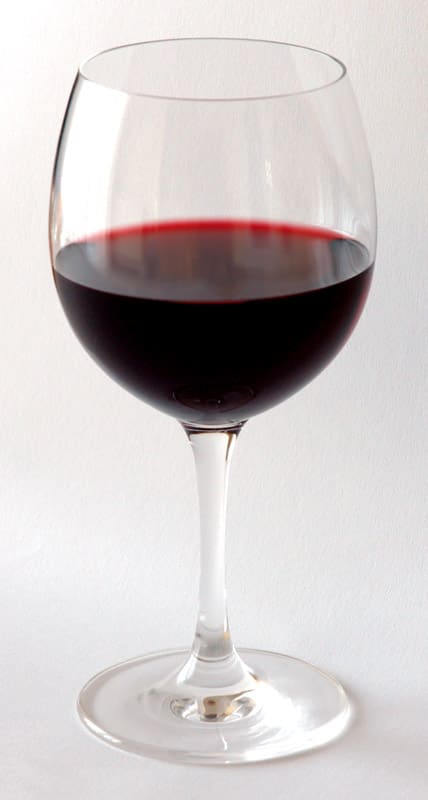
Dry red wine
Dry red wine for braises, stews, marinades and pan sauces such as coq au vin and boeuf bourguignon.
17 recipes
Wines & spirits
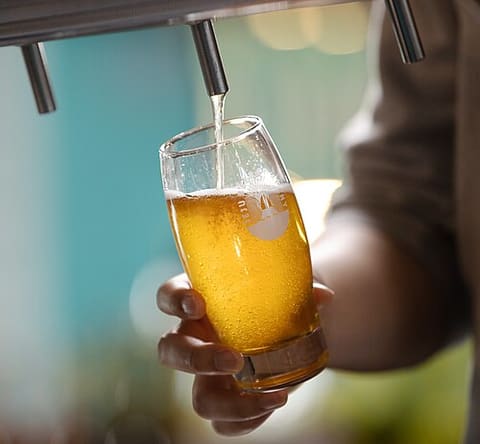
Beer
Brewed, carbonated alcoholic drink of malted barley and hops; used in batters, stews, breads and marinades.
8 recipes
Wines & spirits
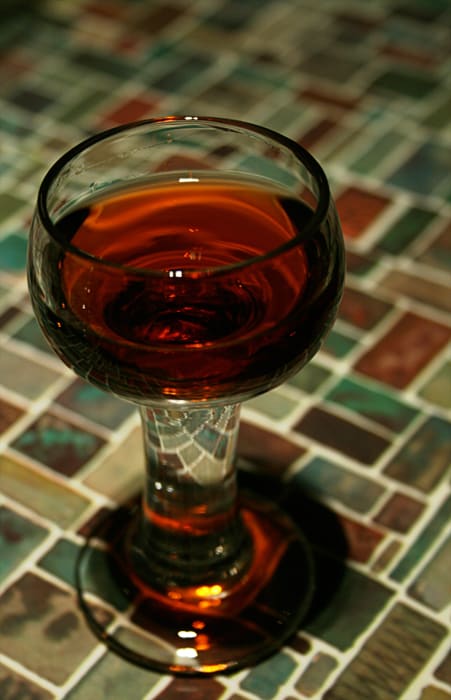
Rum
Spirit distilled from sugarcane juice or molasses; used in cakes, desserts, sauces and cocktails.
5 recipes
Wines & spirits
Coffee liqueur
Sweet coffee-flavoured spirit used in tiramisu, cocktails such as the White Russian and desserts. Contains caffeine.
2 recipes
Wines & spirits
Kirsch (cherry brandy)
Clear, dry cherry brandy (eau-de-vie) used in Black Forest gâteau, cheese fondue and fruit desserts.
1 recipe