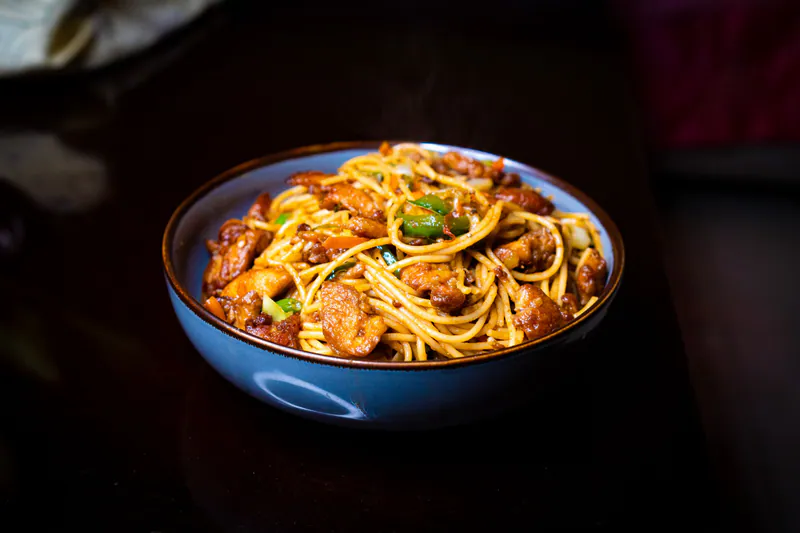
Cuisine
Chinese
A family of regional cuisines built on rice in the south and wheat in the north, soy fermentation, the wok and the steamer, and a habit of balancing contrasting flavours and textures in one meal.
Flavour character: Savoury-umami from soy sauce, fermented beans and stocks; aromatic base of ginger, garlic and spring onion; balance between salty, sweet, sour, hot and bitter, and as much attention to texture (crisp, slippery, chewy, tender) as to taste.
Regional cuisines
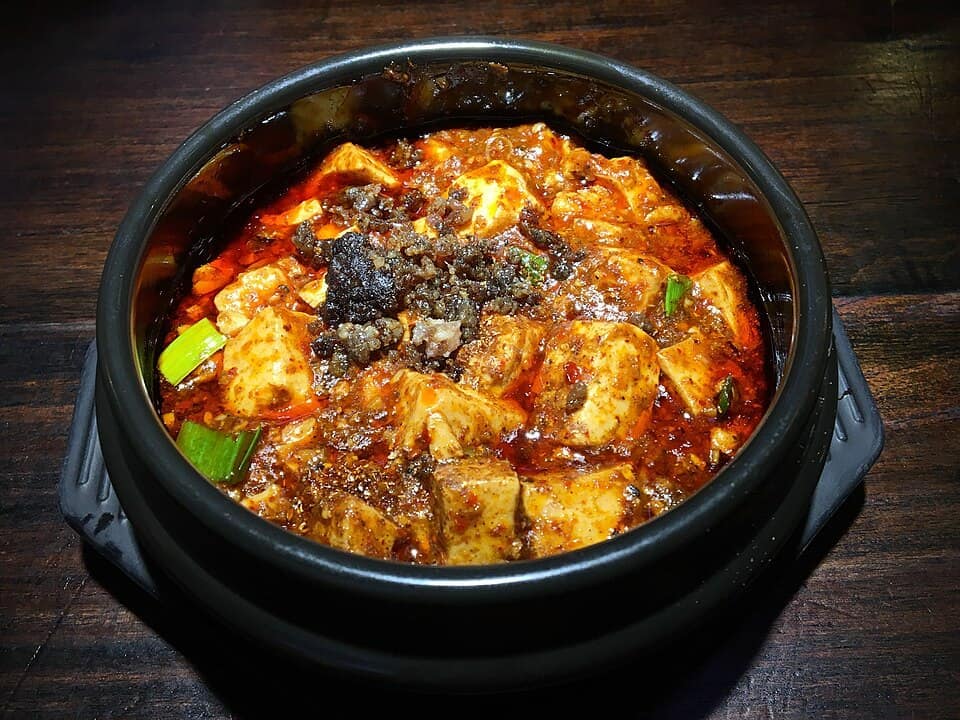
- SichuanThe bold cooking of China's Sichuan basin and Chongqing, famous for mala (numbing and hot) but built on a wide palette of compound flavours, fermented chilli-bean paste and pickles.
- CantoneseThe cooking of Guangdong and Hong Kong, prized for freshness and clean, precise flavour: steamed fish, roast meats, slow-boiled soups, wok hei and dim sum.
- Hunan (Xiang)One of the Eight Great Cuisines: hotter and more directly chilli-forward than Sichuan, without the numbing pepper, and rich in smoked meats and chopped salted chillies.
- Shandong (Lu)The north-eastern coastal cuisine often called the oldest of the Eight Great Cuisines, known for clear and milky stocks, quick high-heat cooking, seafood and liberal use of scallion and vinegar.
- Jiangsu and Huaiyang (Su)The refined cooking of the lower Yangtze around Yangzhou, Huai'an, Suzhou and Nanjing: subtle, slightly sweet, built on stocks, braising and exceptionally fine knife work.
- Fujian (Min)The coastal cooking of Fujian province: soups and broths, seafood, red yeast rice and red wine lees, and a lighter, slightly sweet-sour palate that travelled with Hokkien emigrants to Taiwan and Southeast Asia.
History
Chinese cooking has a long written record: recipes and dietary texts survive from the Han dynasty onwards, and soy sauce, fermented bean pastes, noodles and tofu were all established in China centuries before they spread across East Asia. Chillies, maize, sweet potatoes and peanuts arrived from the Americas from the late Ming dynasty (16th–17th centuries) and reshaped the cooking of the south-west and the diet of the poor. Food writers group the regional styles into the 'Eight Great Cuisines': Shandong (Lu), Sichuan (Chuan), Cantonese (Yue), Jiangsu (Su), Fujian (Min), Zhejiang (Zhe), Hunan (Xiang) and Anhui (Hui), a classification of the 20th century rather than an ancient one. Emigration, mostly from Guangdong and Fujian, carried Chinese cooking around the world from the 19th century.
Well documented
Geography and influences
A huge territory split roughly by the Qinling–Huai line: wheat, millet, noodles, buns and dumplings to the north; paddy rice, fish and year-round vegetables to the south. The humid, landlocked south-west favours bold, hot seasoning; the eastern coast and Yangtze delta favour sweetness and delicacy; Xinjiang and the north-west share lamb, cumin and flatbreads with Central Asia.
- Buddhist vegetarian cooking
- Central Asian and Muslim (Hui and Uyghur) cooking in the north-west
- Columbian exchange crops (chilli, maize, sweet potato, peanut)
- Imperial court cooking in Beijing
- Diaspora feedback from Southeast Asia and the West
Regional variations
- North (Beijing, Shandong, Dongbei)
- Wheat-based: dumplings, noodles and steamed buns; salty-savoury seasoning, garlic and vinegar; lamb hot pot and pickled napa cabbage in the cold north-east.
- South-west (Sichuan, Hunan, Guizhou, Yunnan)
- Chilli-forward, often sour or numbing; preserved and fermented vegetables; Yunnan adds rice-noodle culture, wild mushrooms and Southeast Asian herbs.
- East (Jiangsu, Zhejiang, Shanghai, Anhui)
- Sweeter, lighter, built on soy, rice wine and sugar; red-braising, fine knife work and freshwater fish and crab.
- South (Guangdong, Fujian)
- Emphasis on freshness and clean flavour: steaming, roast meats, slow-boiled soups, seafood and dim sum.
- North-west (Xinjiang, Gansu, Shaanxi)
- Hui and Uyghur Muslim cooking: lamb, cumin skewers, hand-pulled noodles, pilaf (polo) and nang flatbread.
Festive and seasonal food
- Jiaozi at Lunar New Year in the north
- Niangao (sticky rice cake) at New Year
- A whole fish at New Year for abundance
- Tangyuan at the Lantern Festival
- Zongzi at the Dragon Boat Festival
- Mooncakes at the Mid-Autumn Festival
Signature dishes
- Mapo tofu
- Kung pao chicken
- Red-braised pork belly
- Pork and cabbage jiaozi
- Xiaolongbao (soup dumplings)
- Char siu (Cantonese barbecue pork)
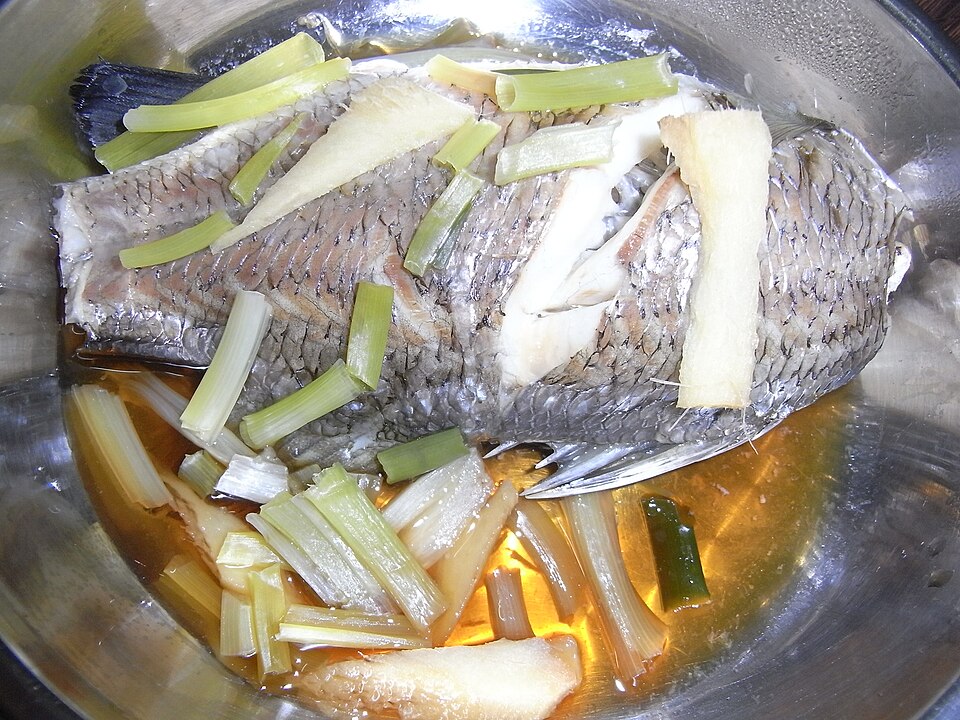
- Cantonese steamed fish with ginger and spring onion
- Tomato and egg stir-fry
- Hot and sour soup
- Zhajiangmian (Beijing fried sauce noodles)
- Jianbing (Chinese breakfast crepe)
- Xinjiang cumin lamb skewers
- Liangpi (cold skin noodles)
- Di san xian (Dongbei eggplant, potato and pepper)
- Chinese tea eggs
Not on the site yet: Peking roast duck, Lion's head meatballs, Dongpo pork, Biang biang noodles, Lanzhou beef noodle soup
 Sichuan · 50 min · 224 kcal