Chinese · regional cuisine
Shandong (Lu)
The north-eastern coastal cuisine often called the oldest of the Eight Great Cuisines, known for clear and milky stocks, quick high-heat cooking, seafood and liberal use of scallion and vinegar.
Flavour character: Salty-savoury and clean, built on carefully made stocks (clear qing tang and milky nai tang); fragrant with scallion and garlic; sweet-and-sour sauces for river fish; crisp textures from bao (flash-frying).
History
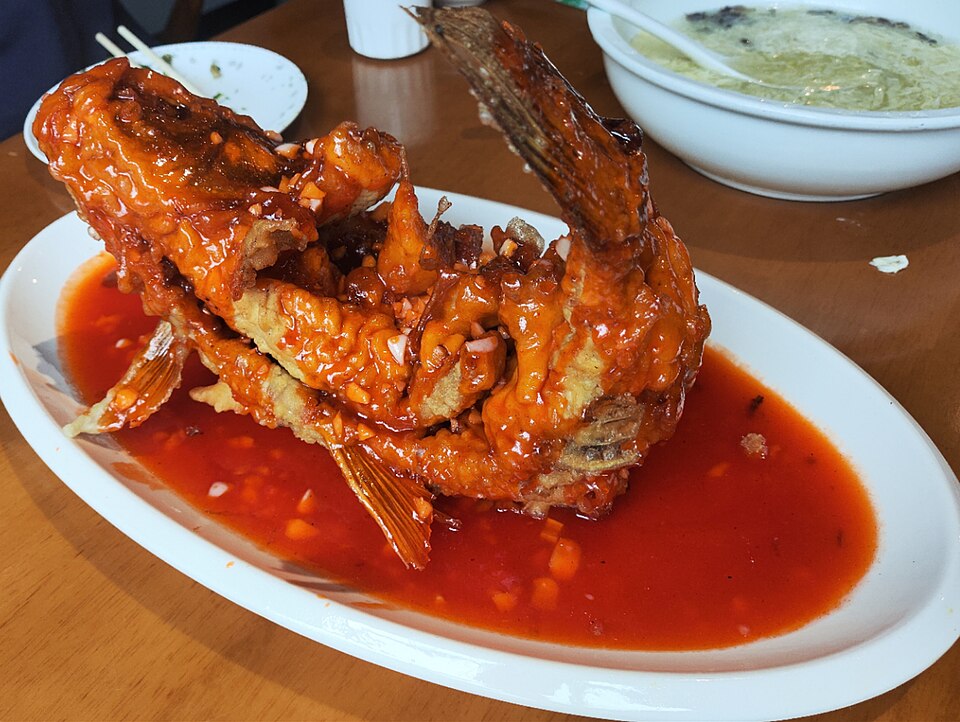
Shandong cooking is widely regarded as the most influential northern style: Shandong cooks staffed many restaurants in Beijing and the Ming and Qing imperial kitchens, so much 'Beijing' banquet cooking has Lu roots. The province is also home to Confucius's family seat at Qufu, where an elaborate 'Kong family' banquet cuisine developed. Jinan's sweet-and-sour Yellow River carp is one of its emblematic dishes.
Commonly told; not firmly documented
Geography and influences
A peninsula on the Yellow Sea and Bohai Gulf plus the lower Yellow River plain: wheat, corn, peanuts, giant scallions (Zhangqiu), and abundant shellfish, sea cucumber and fish on the Jiaodong coast.
- Imperial court cooking in Beijing
- Confucian Kong family banquets at Qufu
- Coastal seafood trade
Regional variations
- Jinan
- Inland style of the provincial capital: stocks, river fish, sweet-and-sour dishes.
- Jiaodong (Yantai, Qingdao)
- Coastal seafood cooking with light seasoning.
- Kong family (Qufu)
- Formal banquet cuisine of Confucius's descendants.
Festive and seasonal food
- Jiaozi at Lunar New Year
- Steamed decorated buns (huabobo) on the Jiaodong peninsula
Signature dishes
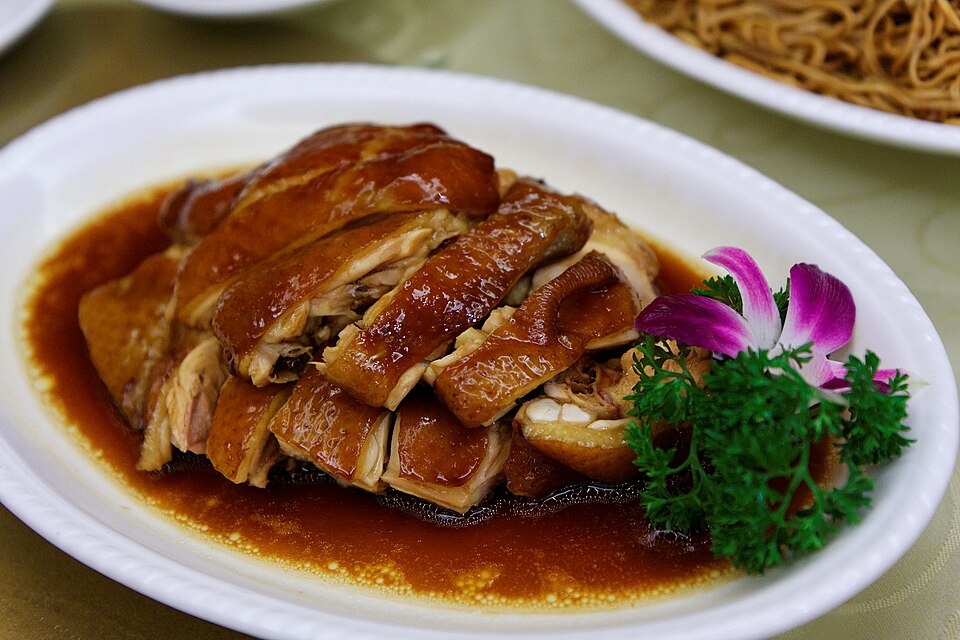
Not on the site yet: Dezhou braised chicken, Braised sea cucumber with scallion, Jiuzhuan dachang (nine-turn pork intestines), Fried pork tenderloin (zha lizi)
 Sichuan · 50 min · 224 kcal