
Moist-heat cooking · intermediate
Braising
Browning food, then cooking it slowly in a small amount of liquid in a covered pot.
What it is
Braising combines dry and moist heat: the food, usually large pieces of tough meat or sturdy vegetables, is browned and then cooked covered with liquid that comes partway up its sides, on a low stove or in the oven.
Why cooks use it: Long, gentle, moist cooking turns tough, collagen-rich cuts tender, while the browned crust and reduced liquid give a deep-flavoured sauce.
The science
Collagen in connective tissue slowly converts to gelatin at temperatures above about 70 °C over hours, making meat tender and the sauce silky. Keeping the liquid below a boil limits the squeezing of muscle fibres.
How heat moves into foodThe Maillard reactionHow proteins set when cookedEvaporation and reductionChanging texture: tenderising and crisping
Step by step
Season and dry the meat; sear it well on all sides in a heavy pot, then remove it.
Soften aromatics in the fat, then deglaze with wine, stock or water.
Return the meat; add liquid to come about one-third to halfway up.
Bring to a bare simmer, cover and transfer to a low oven or keep on very low heat.
Turn the meat occasionally and cook until fork-tender.
Remove the meat, skim the fat and reduce the liquid to a sauce if needed.
Heat and timing
- Braising 140–160 °C · Oven at about 140–160 °C so the liquid stays at a bare simmer (around 85–95 °C).
Time: 1.5–4 hours depending on the cut.
How you know it’s right
- Liquid trembling, not boiling
- Fork slides in and twists easily
- Meat pulling away from the bone
Common mistakes
- Too much liquid (boiling, not braising)
- Boiling hard, which toughens meat
- Skipping the browning
Troubleshooting
- Meat still tough
- Cook longer; tough cuts get tender only after the collagen has broken down.
- Sauce greasy
- Chill overnight and lift off the fat, or skim carefully.
Restaurant DNA
How professionals do it
Restaurants braise a day ahead: the meat cools in its liquid, fat is lifted off cold, and portions are reheated in reduced sauce to order.
At home
Braise the day before; the dish improves overnight and degreasing is easier.
General professional practice — not any particular restaurant’s recipe.
Food safety
- Cool large pots of braise quickly in shallow containers; do not leave them in the danger zone (5–60 °C).
Practise it
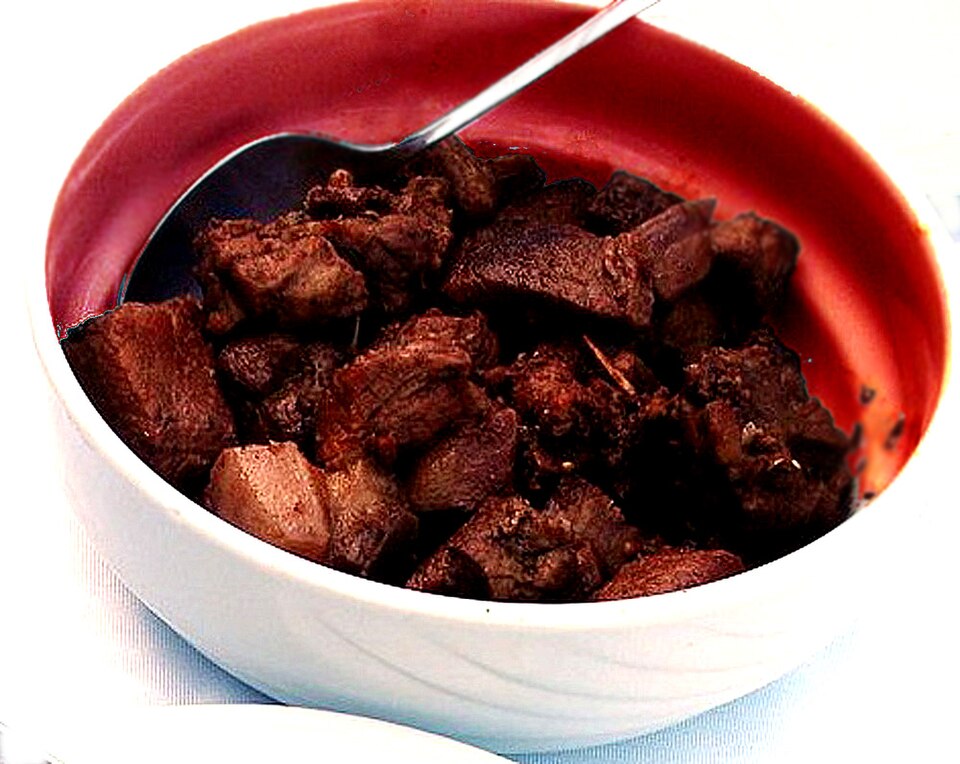
Afelia
 Cypriot · 13 h 45 min · 695 kcal
Akoho sy voanio
 Malagasy · 1 h 5 min · 714 kcal
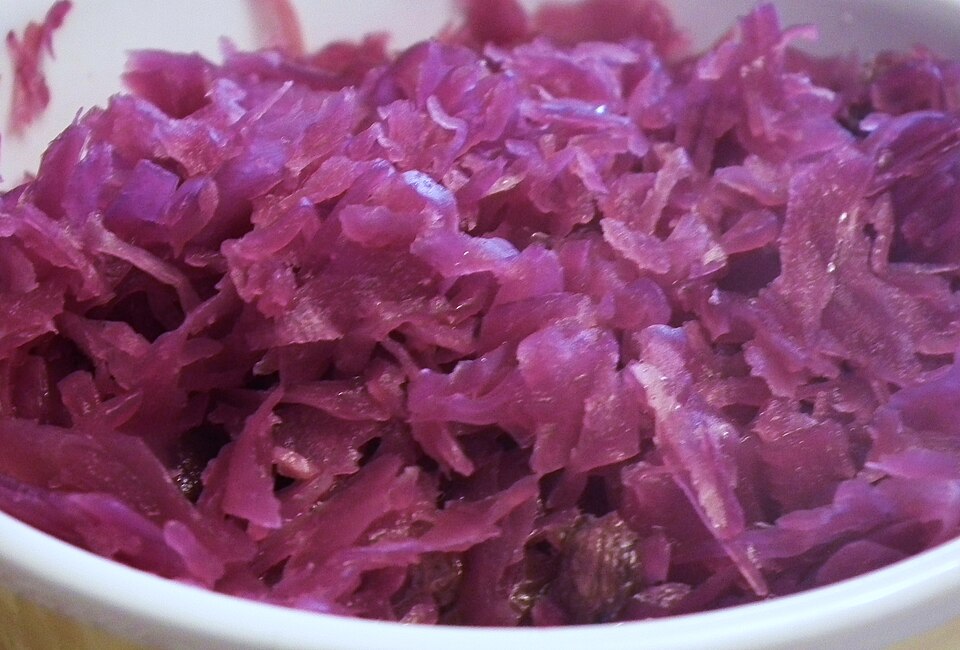
Apfelrotkohl
 German · 1 h 30 min · 145 kcal · Vegetarian
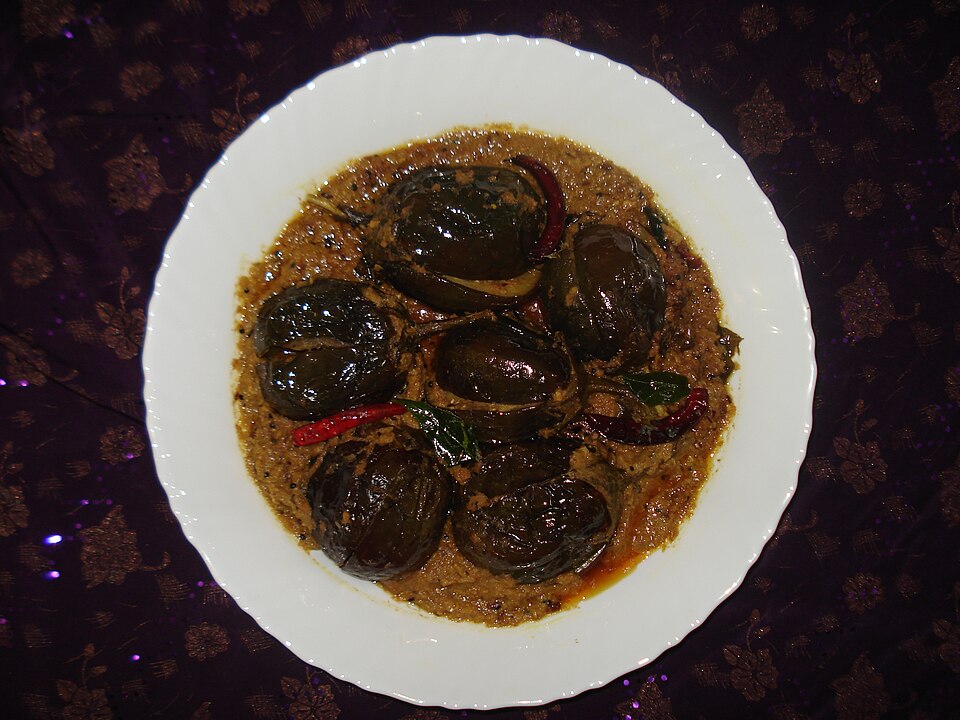
Bagara baingan
 Indian · 55 min · 314 kcal · Vegan
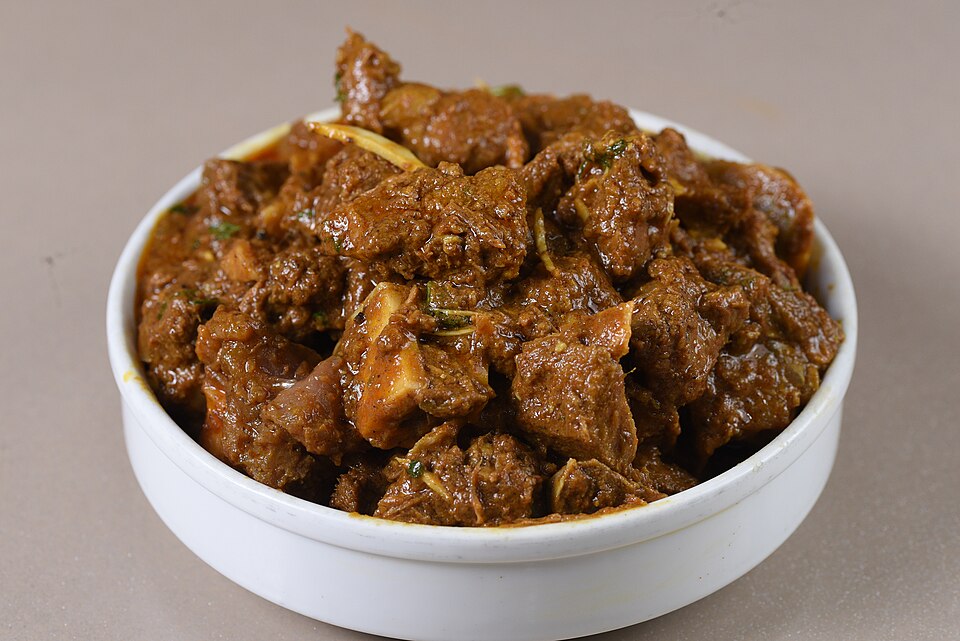
Bangladeshi beef bhuna
 Bangladeshi · 2 h 20 min · 369 kcal
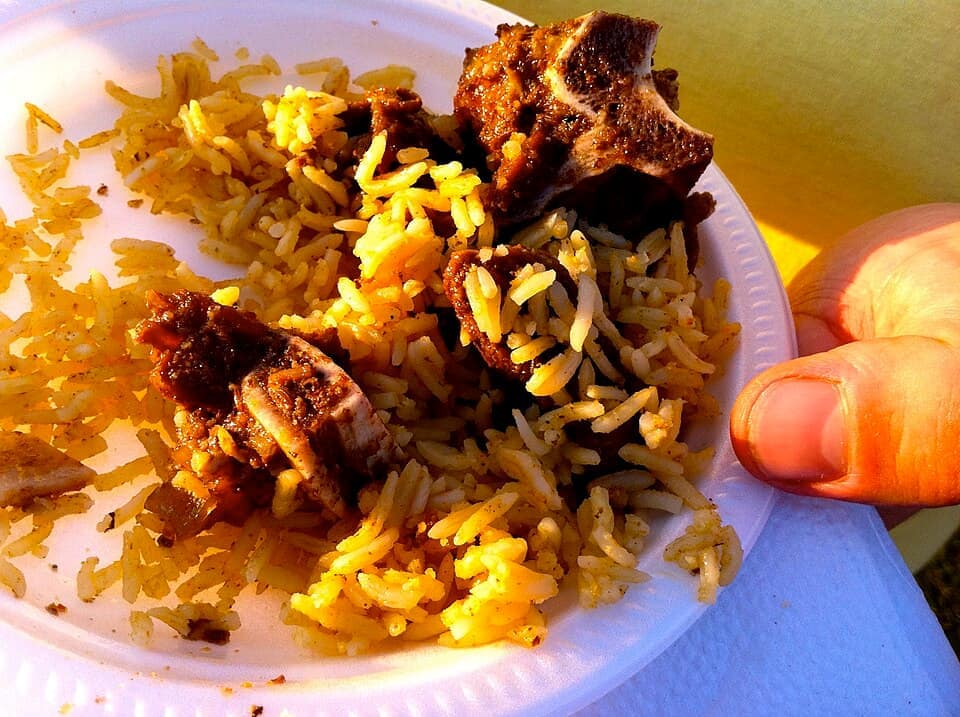
Bariis iskukaris
 Somali · 2 h · 609 kcal
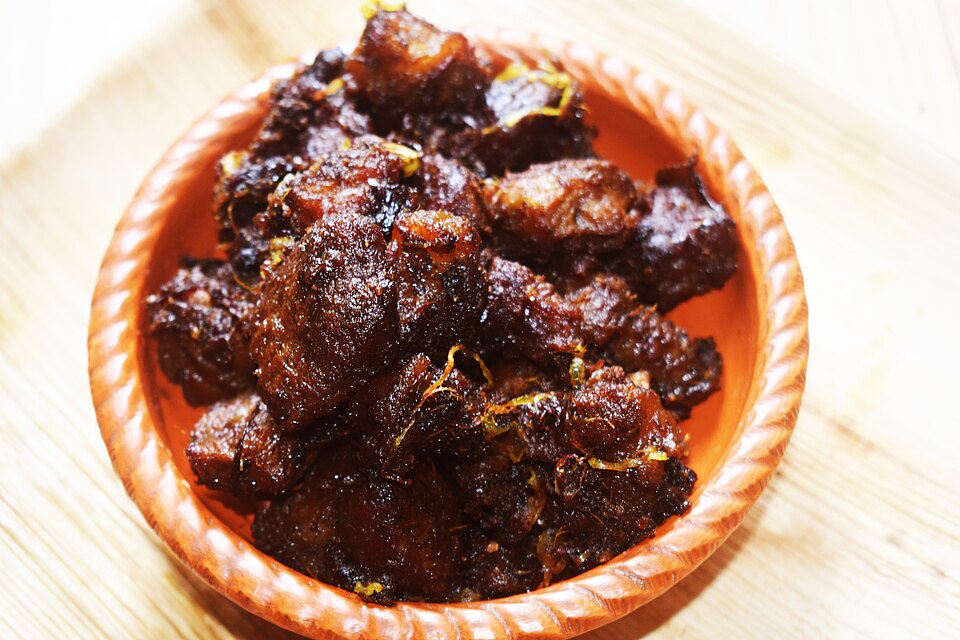
Beef kala bhuna
Bangladeshi · 2 h 50 min · 438 kcal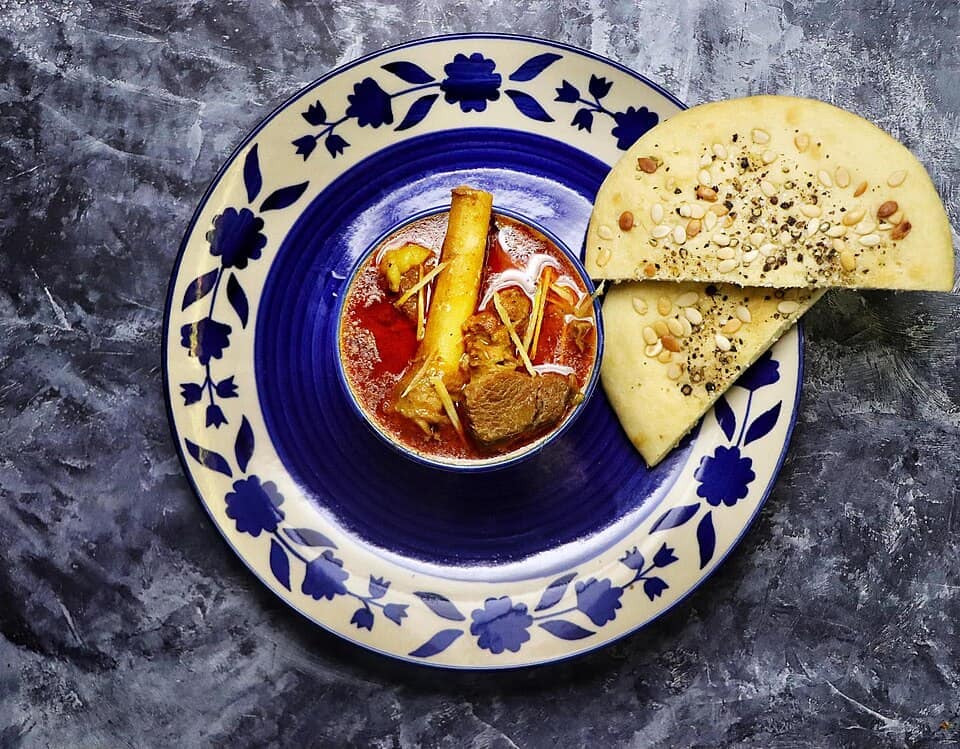
Beef nihari
 Pakistani · 4 h 40 min · 375 kcal
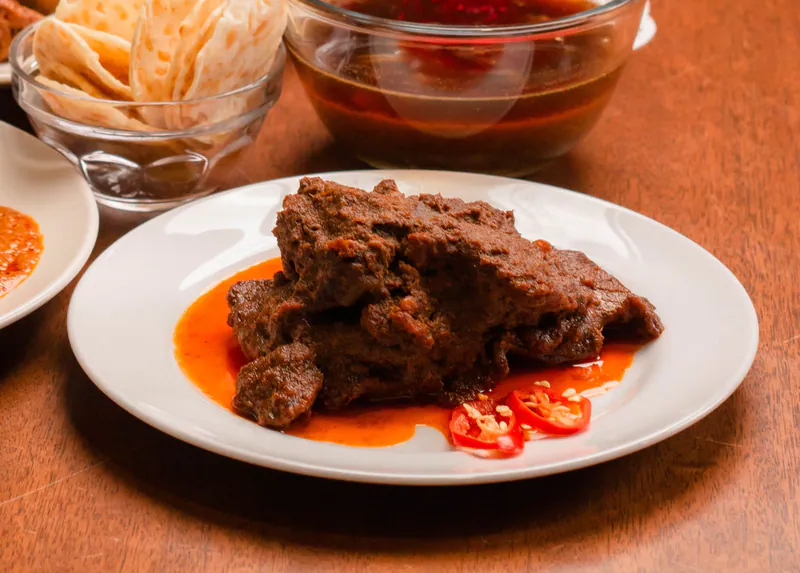
Beef rendang
 Indonesian · 4 h · 672 kcal
104 more
- Beef stifado · Greek
- Beef tehari · Bangladeshi
- Bharli vangi · Indian
- Birria de res · Mexican
- Boeuf bourguignon · French
- Brown stew chicken · Jamaican
- Burmese chicken curry · Burmese
- Burmese pork curry · Burmese
- Cá kho tộ · Vietnamese
- Cantonese soy sauce chicken · Cantonese
- Carbonade flamande · Belgian
- Carnitas · Mexican
- Chakhapuli · Georgian
- Chakhokhbili · Georgian
- Champaran meat · Indian
- Chicken adobo · Filipino
- Chicken bastilla · Moroccan
- Chicken cacciatore · Italian
- Chicken karahi · Pakistani
- Chicken korma · Indian
- Chicken paprikash · Hungarian
- Chicken rezala · Bangladeshi
- Chicken yassa · Senegalese
- Coorg pandi curry · South Indian
- Coq au vin · French
- Da pan ji (Xinjiang big plate chicken) · Chinese
- Dimlama · Uzbek
- Dohneiiong · Indian
- Doro wat · Ethiopian
- Dublin coddle · Irish
- Duck curry with ash gourd · Indian
- Fish ambul thiyal · Sri Lankan
- Fish yassa · Senegalese
- Fish-fragrant aubergine · Sichuan
- Frikadeller · Danish
- Gà kho gừng · Vietnamese
- Galbi-jjim · Korean
- Gamja jorim (soy-braised potatoes) · Korean
- Gomen · Ethiopian
- Griot · Haitian
- Gua bao (Taiwanese pork belly buns) · Taiwanese
- Gulai kambing · Indonesian
- Hokkien prawn mee · Singaporean
- Home-style tofu · Sichuan
- Hünkar beğendi (lamb on smoky aubergine purée) · Turkish
- Iraqi dolma · Iraqi
- Jamaican curry chicken · Jamaican
- Kabuli pulao · Afghan
- Kai palo · Thai
- Kare-kare · Filipino
- Kedjenou · Ivorian
- Kosha mangsho · Bengali
- Koupepia · Cypriot
- Kranjska klobasa with sauerkraut · Slovenian
- Kukhura ko masu · Nepalese
- Kuyrdak · Kazakh
- La bandera dominicana · Dominican
- Laal maas · Indian
- Lamb tagine with apricots · Moroccan
- Loubieh bi zeit · Lebanese
- Lu rou fan (Taiwanese braised pork rice) · Taiwanese
- Mafé · Senegalese
- Mansaf · Jordanian
- Massaman curry with beef · Thai
- Moambe chicken · Congolese
- Moroccan chicken tagine with olives and lemon · Moroccan
- Morog polao · Bangladeshi
- Muamba de galinha · Angolan
- Nikujaga · Japanese
- Opor ayam · Indonesian
- Osso buco alla milanese · Italian
- Pasta alla genovese (Neapolitan onion and beef ragù) · Italian
- Pašticada · Croatian
- Pirozhki with cabbage and egg · Russian
- Pork vindaloo · Goan
- Poulet DG · Cameroonian
- Poulet nyembwe · Gabonese
- Punjabi dum aloo · Punjabi
- Ravitoto sy henakisoa · Malagasy
- Red-braised pork belly · Chinese
- Rinderrouladen · German
- Rogan josh · Indian
- Ropa vieja · Cuban
- Sarmale · Romanian
- Sauce tomate (classical tomato sauce) · French
- Sauerbraten · German
- Selsko meso (village-style pork) · Macedonian
- Sertéspörkölt · Hungarian
- Shah plov · Azerbaijani
- Skoudehkaris · Djiboutian
- Southern collard greens · Southern US
- Sri Lankan black pork curry · Sri Lankan
- Svíčková na smetaně · Czech
- Taiwanese beef noodle soup · Taiwanese
- Tempe bacem · Indonesian
- Thịt kho trứng · Vietnamese
- Three-cup chicken · Taiwanese
- Tikil gomen · Ethiopian
- Töltött káposzta · Hungarian
- Tomato beef noodle soup · Chinese
- Trinidad curry duck · Trinidadian
- Vepřo knedlo zelo · Czech
- Yalanji · Syrian
- Zereshk polo ba morgh · Iranian