
Heat and cooking · beginner
The Maillard reaction
Browning between sugars and proteins that creates the savoury, roasted flavour of seared meat, toast, roasted spices and coffee.
What happens
The Maillard reaction is a chain of reactions between reducing sugars (such as glucose and fructose) and amino acids, the building blocks of protein. It produces hundreds of new compounds: brown pigments and the meaty, toasty, nutty and roasted aromas we associate with cooked food. It happens slowly at low temperatures but becomes fast and noticeable on food surfaces from roughly 140 °C upwards. Because a wet surface can't rise much above 100 °C while water is evaporating, the reaction only gets going once the surface has dried. It also runs faster in alkaline conditions and slower in acidic ones.
Why it matters in the kitchen
Most of the flavour difference between boiled and roasted food comes from this reaction. Knowing that it needs a dry surface and high heat explains why we pat meat dry, avoid crowding the pan and roast spices in a dry pan before grinding.
Temperatures and conditions
- Very slow browning (hours to weeks) 50–100 °C · Seen in long-cooked stocks, black garlic and evaporated milk.
- Surface is wet: capped near boiling 100–100 °C · Little browning until the water is gone.
- Fast, visible browning 140–180 °C
- Burning and bitter, acrid flavours from 200 °C · Surfaces start to char; exact point depends on the food and time.
In practice
- The crust on a seared steak or tandoori chicken.
- Golden onions for biryani or a bhuna masala (a mix of Maillard browning and caramelisation).
- Dry-roasted cumin and coriander seeds before grinding.
- Toast, a crisp roti spotted on an open flame, roasted coffee beans and the crust of baked bread.
- Khoa and milk sweets taking on a light brown colour as milk proteins and lactose react.
Myths and facts
Myth: Searing seals in the juices.
Fact: A seared crust is not waterproof. Tests show seared meat loses as much moisture as unseared meat, or slightly more. Searing is for flavour and colour; juiciness depends on not overcooking.
Myth: Browning and caramelisation are the same thing.
Fact: Caramelisation is sugar alone breaking down at high heat. The Maillard reaction needs amino acids as well, starts at lower temperatures and gives savoury, meaty flavours that caramelisation can't.
Myth: Browned means the food is cooked through.
Fact: Surface colour says nothing about the centre. Use time, texture or a thermometer for doneness, especially for chicken and minced meat.
Use it to cook better
- Pat meat, paneer and vegetables dry before searing or roasting.
- Cook in batches so pieces are not touching and steam can escape.
- Salt meat well ahead (40 minutes or more) or right before cooking, so surface moisture isn't sitting on it as it goes into the pan.
- A pinch of baking soda makes onions brown faster, but they also soften and break down more; use it only when you want a jammy result.
- Brush breads with milk or egg for a browner crust: the extra protein and sugar boost the reaction.
- Roast whole spices over medium heat and keep them moving: the line between nutty and burnt is short.
Try it at home
Wet versus dry mushrooms
You need: 200 g mushrooms, halved, Two frying pans, Oil, A lid
- Heat both pans over medium-high heat with a little oil.
- Put half the mushrooms in one pan in a single layer; pile the other half into the second pan and cover it with the lid.
- Cook both for 6 minutes, turning occasionally.
- Compare colour, smell and taste.
What you’ll see: The crowded, covered pan steams in its own liquid and stays grey and soft; the open single layer dries, browns and smells roasted.
Lift lids away from you; hot steam escapes at once.
Going deeper
The reaction starts when a sugar's carbonyl group reacts with an amino group, then passes through Amadori rearrangement products that break down into many reactive fragments. Strecker degradation of amino acids gives many key aroma compounds, such as pyrazines (roasted, nutty), furans and sulphur compounds (meaty). Higher pH speeds the early steps, which is why pretzels dipped in an alkaline bath brown deeply. In starchy foods cooked above about 120 °C, a related pathway between the amino acid asparagine and sugars forms acrylamide, which food-safety agencies advise keeping low by cooking chips, toast and roast potatoes to golden rather than dark brown.
Ingredients it affects most
Techniques that rely on it
Worth double-checking
- The 140 °C figure is a widely quoted threshold for noticeable browning, not a hard on/off point; slow browning happens well below it.
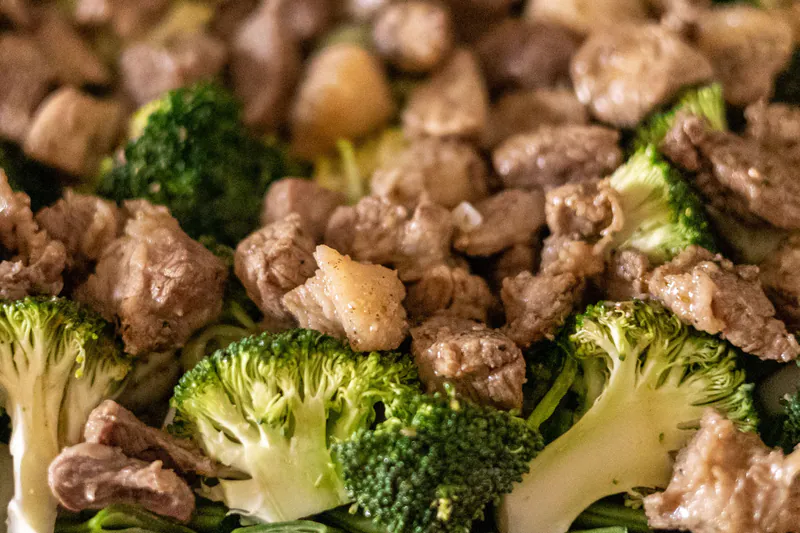
 Cantonese · 30 min · 309 kcal
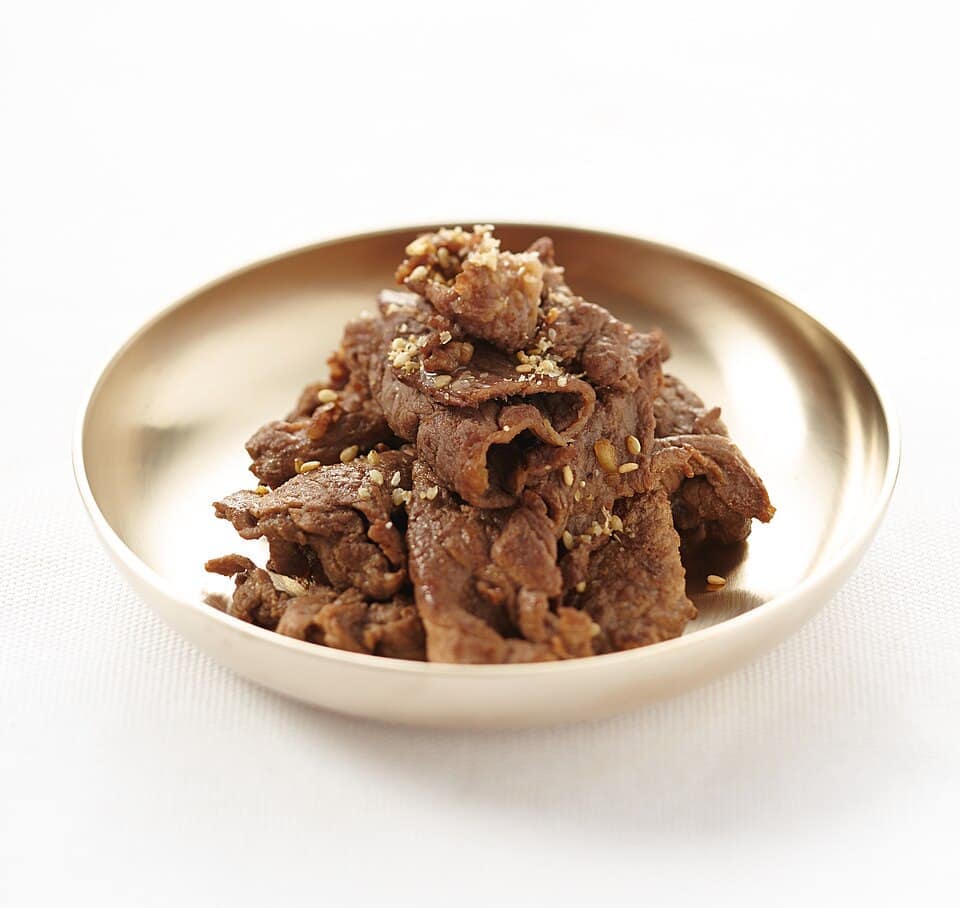
 Korean · 55 min · 288 kcal
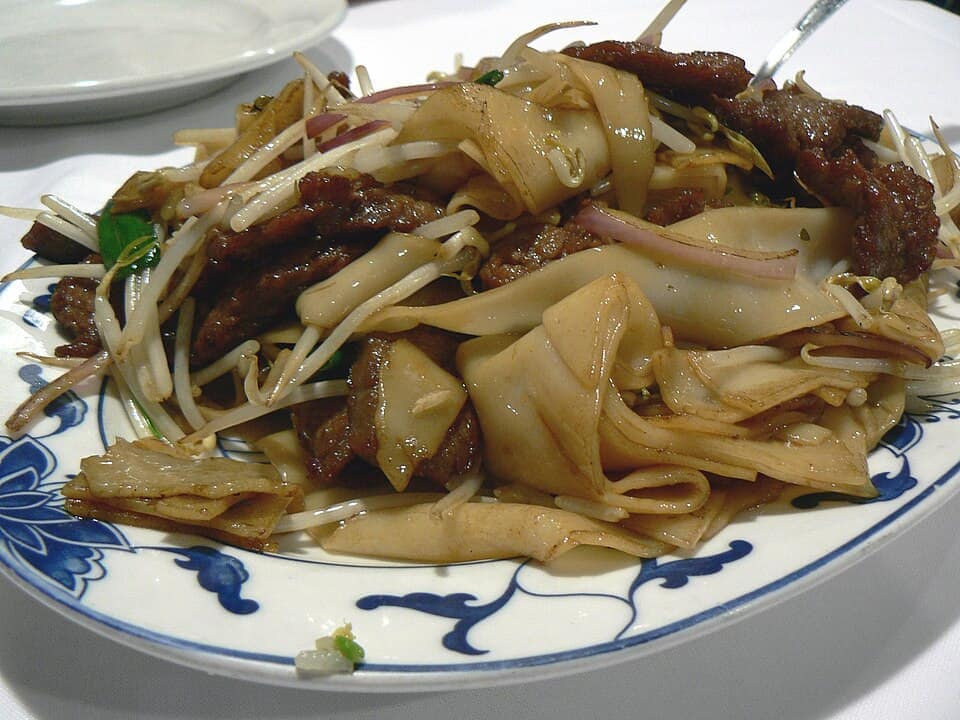
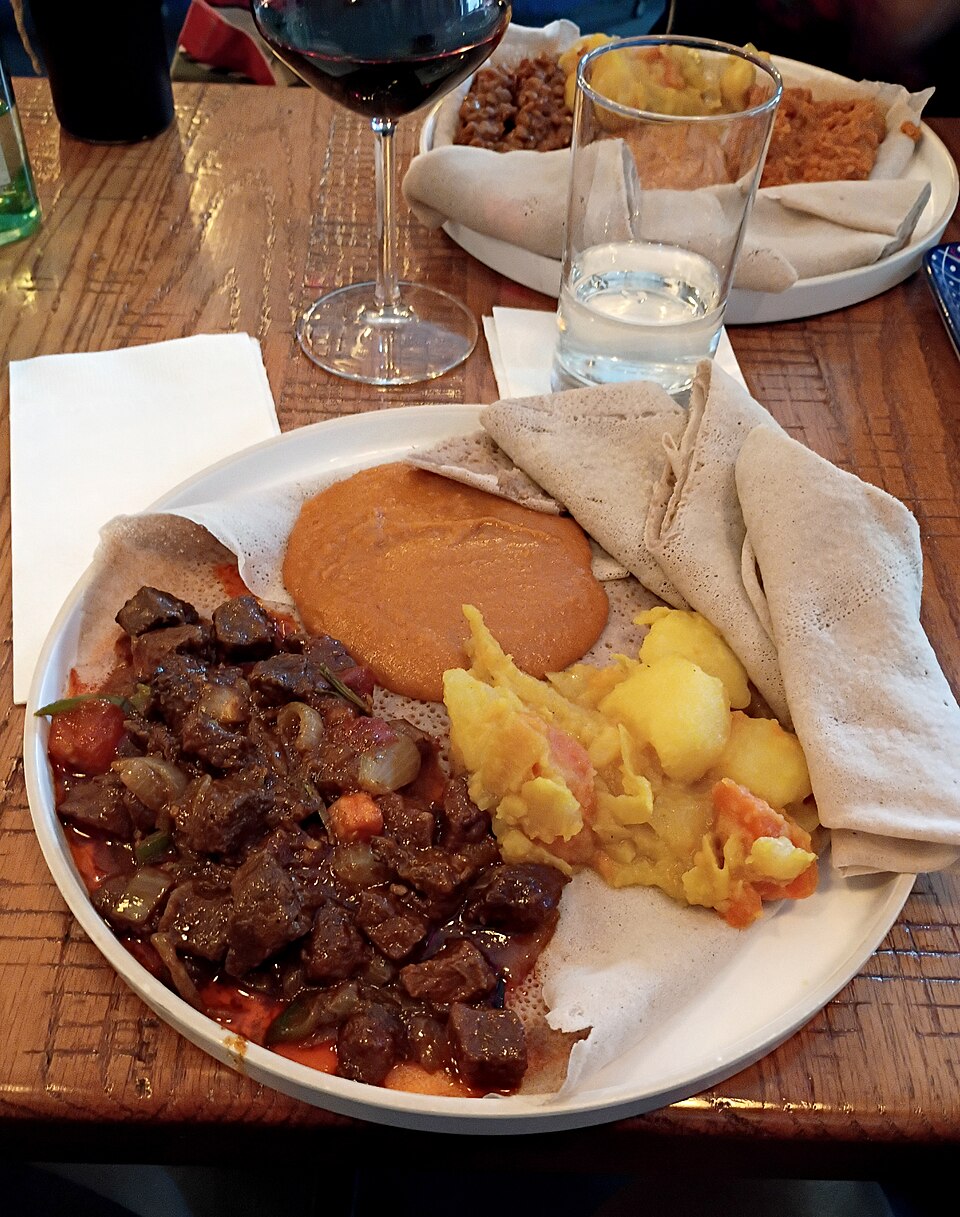
 Ethiopian · 25 min · 301 kcal
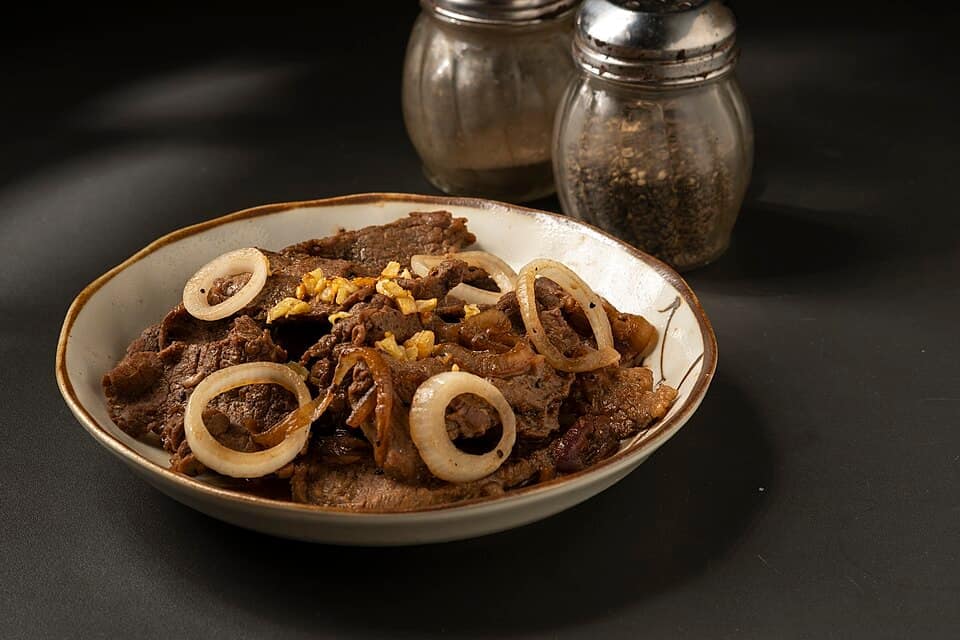
 Filipino · 1 h 35 min · 333 kcal
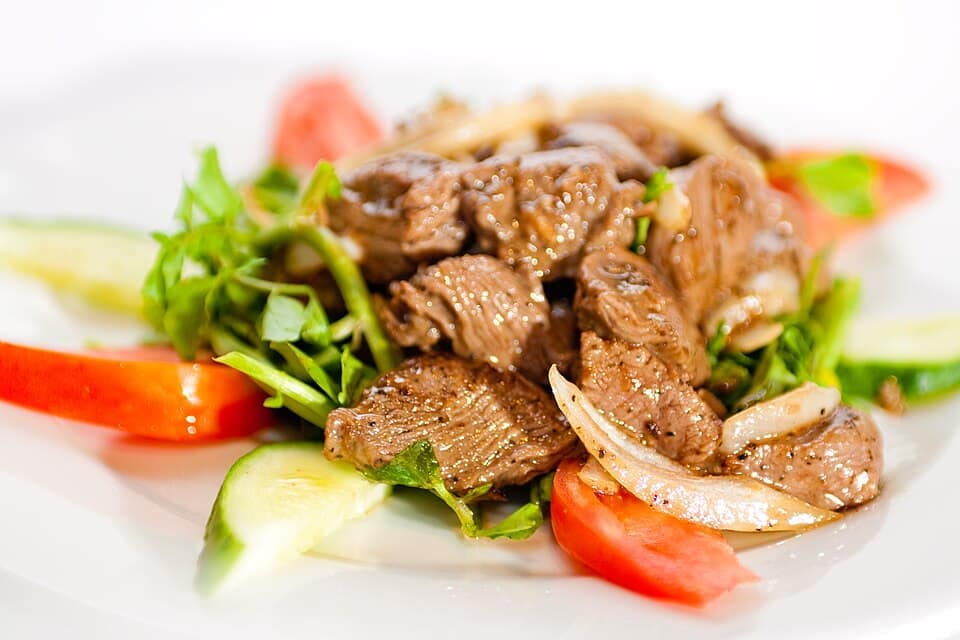
 Vietnamese · 53 min · 396 kcal
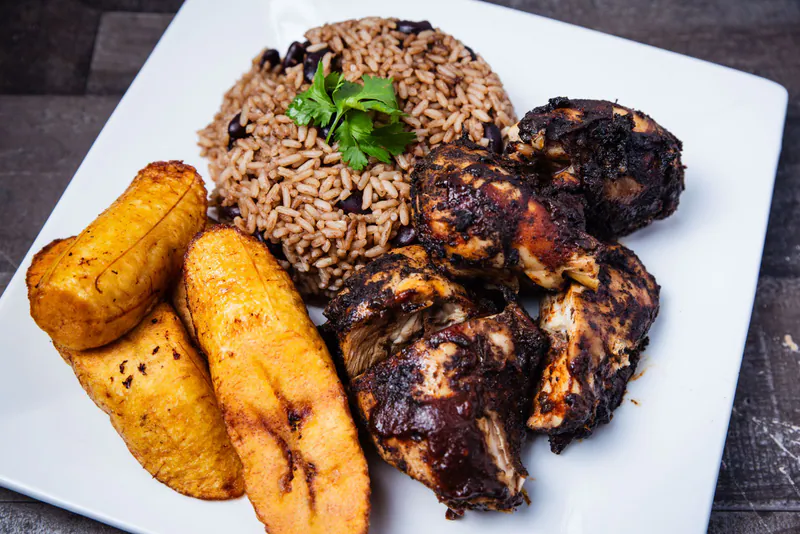
 Jamaican · 1 h 20 min · 503 kcal
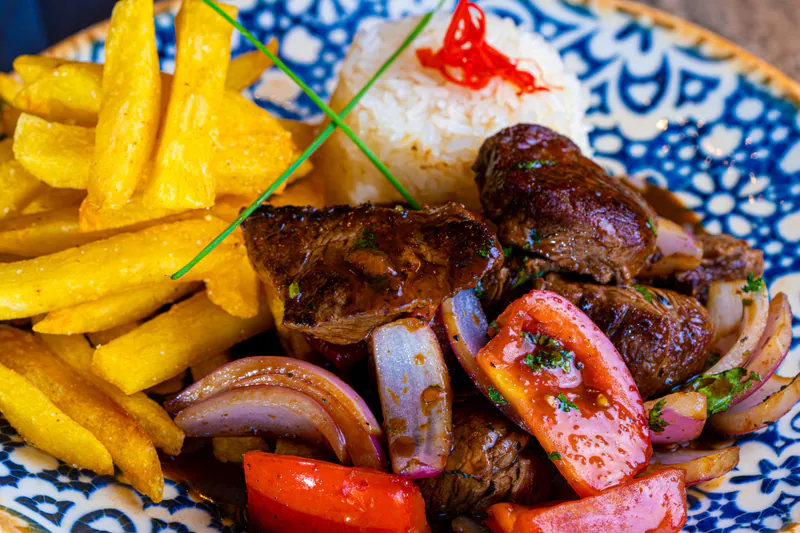
 Peruvian · 50 min · 447 kcal
 Indian · 1 h 50 min · 687 kcal