
Moist-heat cooking · beginner
Pressure cooking
Also: cooker cooking, whistle method
Cooking in a sealed pot where trapped steam raises the boiling point well above 100 °C.
What it is
A pressure cooker seals tightly so steam builds pressure inside, letting water reach about 115–121 °C. In Indian kitchens the whistle-type cooker is the everyday tool for dal, rajma, chole, rice and meat; electric multicookers work on the same principle.
Why cooks use it: Higher temperature cuts cooking times dramatically: dried beans, pulses and tough meat cook in a fraction of the usual time.
The science
Raising the pressure by about 1 bar above atmospheric raises the boiling point of water to around 120 °C. Chemical changes such as starch softening and collagen breakdown happen much faster at this temperature.
How heat moves into foodHow proteins set when cookedStarch gelatinisationAcids and bases in cookingFood-safety temperaturesChanging texture: tenderising and crisping
Step by step
Check the gasket, vent and safety valve are clean and fitted.
Add food and the required minimum liquid; never fill above two-thirds, or half for pulses, grains and foaming foods.
Close the lid and heat on high until pressure builds (the whistle blows or the indicator rises).
Lower the heat to maintain pressure and count whistles or minutes as the recipe says.
Turn off the heat and let pressure release naturally for pulses, grains and meat.
Open only when all pressure has gone; tilt the lid away from you.
Heat and timing
- Pressure cooking 110–121 °C · About 115–121 °C at full pressure (about 1 bar / 15 psi above atmospheric) depending on the cooker.
Time: Toor dal 3–5 whistles (about 8–12 minutes); soaked rajma or chana 20–30 minutes; goat curry 20–30 minutes.
How you know it’s right
- Steady hiss or regular whistles
- Pressure indicator up
- Dal fully soft and mashable after release
Common mistakes
- Overfilling with dal so foam blocks the vent
- Too little liquid so food scorches
- Forcing the lid open under pressure
- Judging time by whistles on a very different burner
Troubleshooting
- Water spluttering out of the whistle
- Too full or too much foam; use less food, add a little oil to dal and lower the heat once pressure is reached.
- Burnt at the bottom
- Add more liquid and avoid thick tomato bases at the bottom.
- Rajma still hard
- Old beans; soak longer and cook more; avoid adding acid before they soften.
Restaurant DNA
How professionals do it
Some restaurant kitchens use large pressure cookers or pressurised kettles for stocks, pulses and meat; modernist kitchens pressure-cook stocks for clearer, more intense flavour.
At home
Time by minutes after the first whistle rather than whistle count when you change burners; let pulses release naturally so they finish softening.
General professional practice — not any particular restaurant’s recipe.
Food safety
- Never fill beyond the maximum line; foaming foods (dal, beans, rice) half full at most.
- Replace worn gaskets and check the safety valve regularly.
- Never open under pressure; release naturally or as the manufacturer allows.
- Kidney beans must be boiled thoroughly: raw or undercooked kidney beans contain a toxic lectin.
Practise it
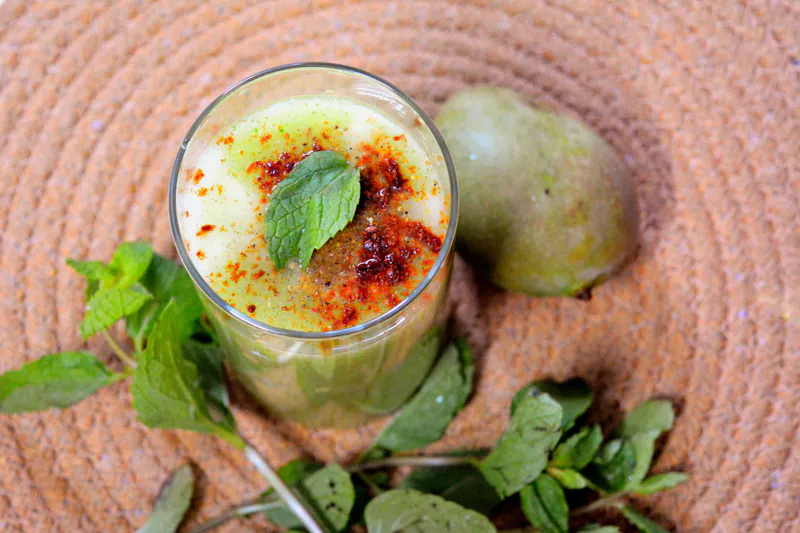
Aam panna
 Indian · 45 min · 96 kcal · Vegan
Aloo tama
 Nepalese · 1 h 15 min · 223 kcal · Vegan
Bassaru
South Indian · 55 min · 177 kcal · Vegan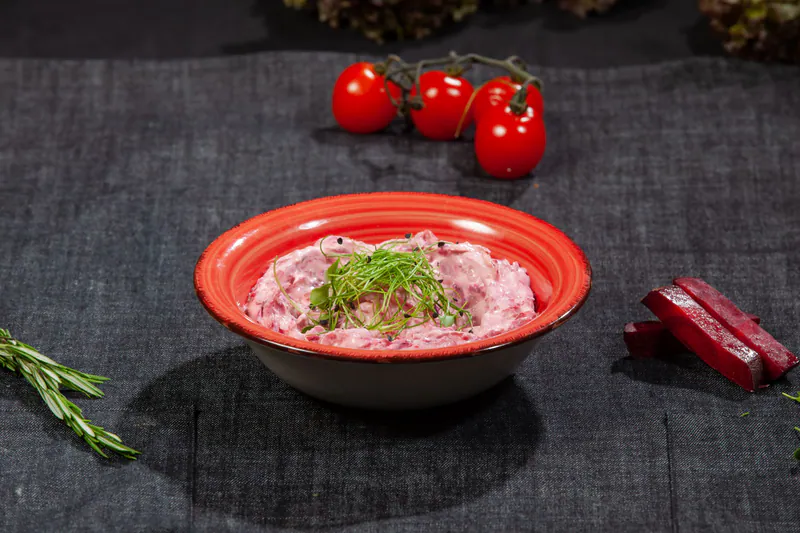
Beetroot koshimbir
Indian · 50 min · 88 kcal · Vegetarian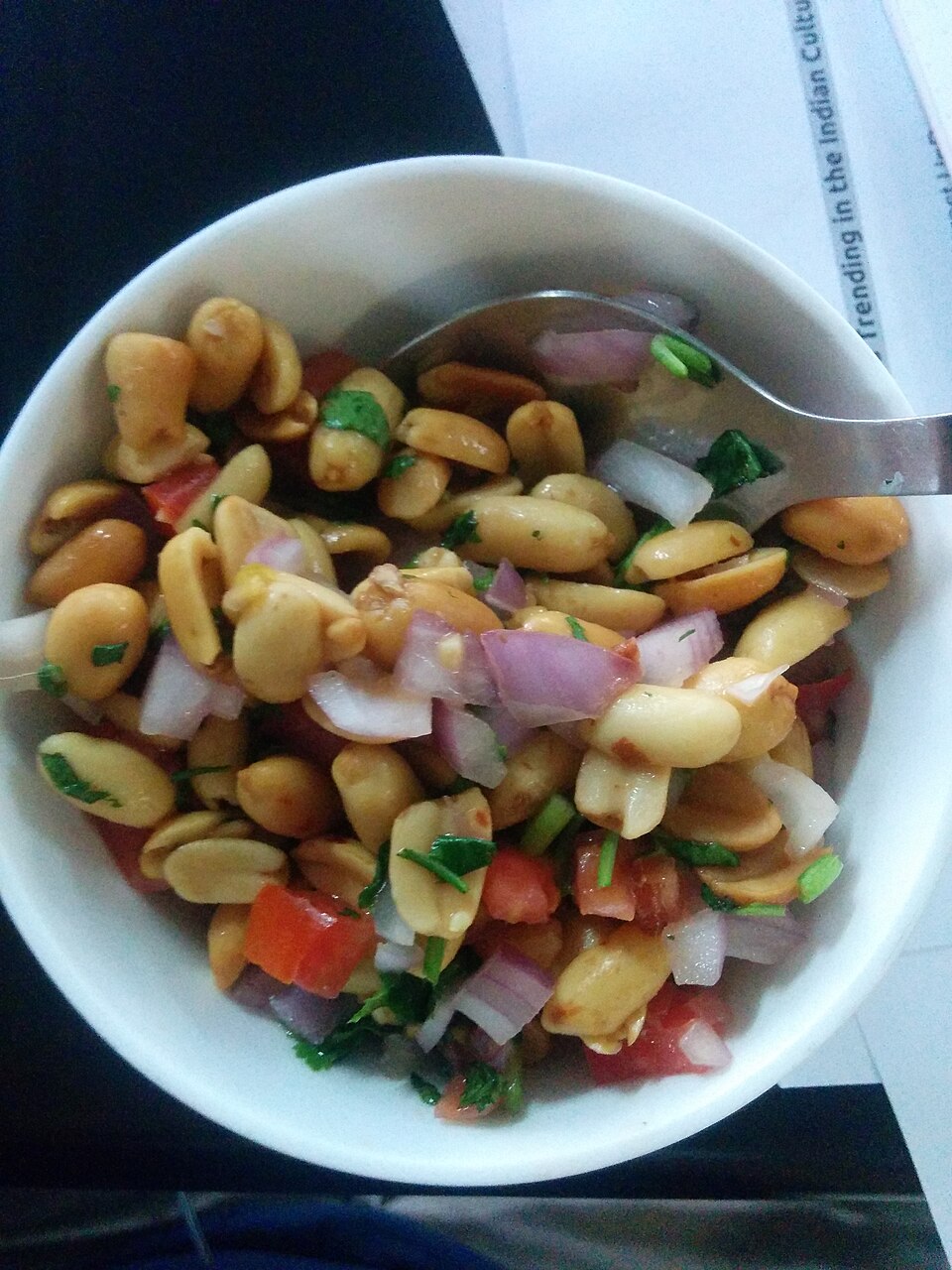
Boiled peanut chaat
Indian · 40 min · 230 kcal · VeganBulalo
 Filipino · 3 h 35 min · 260 kcal
Caldo de feijão
 Brazilian · 1 h 10 min · 258 kcal
Caldo de res
 Mexican · 2 h 50 min · 315 kcal
Chana madra
Indian · 1 h 10 min · 348 kcal · Vegetarian
29 more
- Chana samosa (Chhattisgarh street-style) · Indian
- Cholar dal · Bengali
- Chole bhature · Punjabi
- Dal dhokli · Gujarati
- Dal makhani · Punjabi
- Dalma · Indian
- Düğün çorbası · Turkish
- Erissery · South Indian
- Feijão carioca · Brazilian
- Ful medames · Egyptian
- Ghugni (Jharkhand-style) · Indian
- Gujarati dal · Gujarati
- Hyderabadi dalcha · Indian
- Hyderabadi marag · Indian
- Kadala curry · South Indian
- Kala chana salad · Indian
- Kondakadalai sundal · South Indian
- Kwati · Nepalese
- Lemon rasam · South Indian
- Moong dal khichdi · Indian
- Osaman · Gujarati
- Pandhra rassa · Indian
- Puran poli · Indian
- Sambar · South Indian
- Seolleongtang · Korean
- Sop buntut · Indonesian
- Sup kambing · Malaysian
- Tambda rassa · Indian
- Tomato rasam · South Indian