
Nuts & seeds · Seeds
Sesame seeds
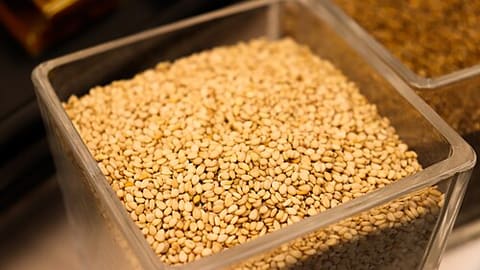
Tiny, flat, oily seeds, white or black; toasted for bread toppings, Asian dishes, tahini and sweets.
Also called: sesame, til, susam, gingelly, ajonjolí
A kind of seeds
Read the full spice guide: flavour, history and how to use it
Photo: ally j, via Wikimedia Commons (CC0-1.0)
What it is
Sesame seeds are tiny, teardrop-shaped seeds, sold hulled (white), unhulled (beige) or black. Toasting makes them golden, fragrant and much nuttier. Black sesame has a stronger, slightly bitter flavour. 'Wild sesame' (perilla) is a different plant. Sesame oil and tahini are made from these seeds.
Sesamum indicum
How it’s used
- Sprinkled on bread, bagels, simit and burger buns
- Toasted over Korean, Japanese and Chinese dishes
- Ground into tahini, gomasio and black sesame paste
- Made into halva, til ladoo and sesame brittle
Characteristics
- Taste
- Nutty; deeply toasty when roasted.
- Texture
- Crisp and tiny.
- When cooked
- Toast in a dry pan, shaking, until golden and popping; they burn fast.
- Sold as
- whole, paste, ground
- Cooking uses
- Usually eaten raw, Suitable for baking, Used as a garnish, Used for tempering (tadka)
Kinds in our pantry
Storage
Cool, dry and dark. Keep airtight in a cool, dark place; refrigerate for long storage, especially once toasted.
Diet, allergens and safety
Contains Sesame.
- Vegetarian
- Vegan
- Dairy-free
- Egg-free
- Gluten-free
- Nut-free
- Soy-free
- Caffeine-free
- Sesame is a major allergen (labelled in the EU, UK, US and elsewhere); it hides in breads, dressings, spice blends and tahini-based sauces.
Nutrition per 100 g
- Energy
- 573 kcal
- Protein
- 17.73 g
- Carbohydrate
- 23.45 g
- Fat
- 49.67 g
- Fibre
- 11.8 g
- Sugars
- 0.3 g
USDA FoodData Central: Seeds, sesame seeds, whole, dried.
Substitutes
Optional — what works if you don’t have it, and how it changes the dish.
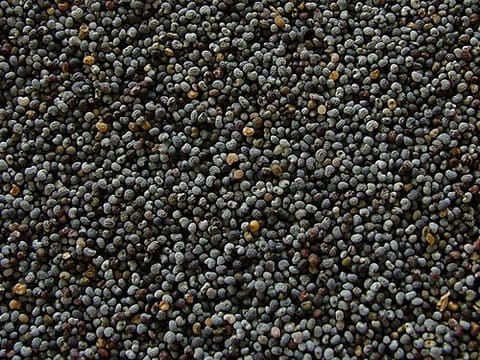
- Poppy seeds — As a bread topping; different flavour.
- Sunflower seeds — Chopped, for crunch in sesame-free versions.
Related ingredients
Recipes with sesame seeds
See all 112Açma (soft Turkish breakfast rolls)
 Turkish · 2 h 32 min · 265 kcal · Contains egg
Afghan naan
 Afghan · 2 h 20 min · 344 kcal · Vegan
Aloo sadeko
 Nepalese · 30 min · 205 kcal · Vegan
Anpan (sweet red bean buns)
 Japanese · 2 h 45 min · 266 kcal · Contains egg
Avocado hummus
International · 1 h · 199 kcal · Vegan
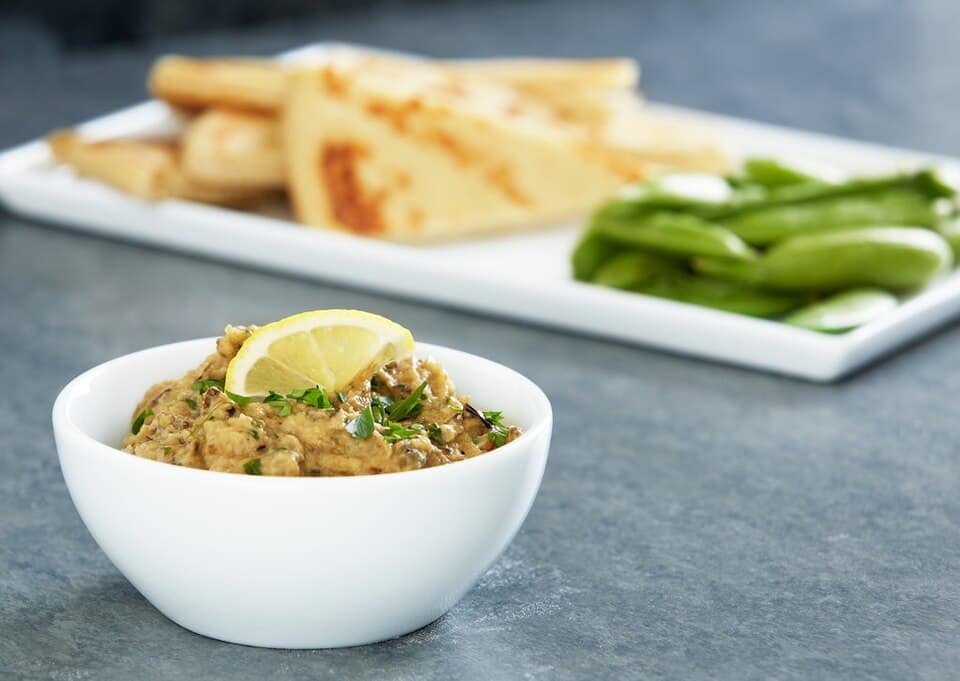
Baba ghanoush
Levantine · 55 min · 139 kcal · Vegan
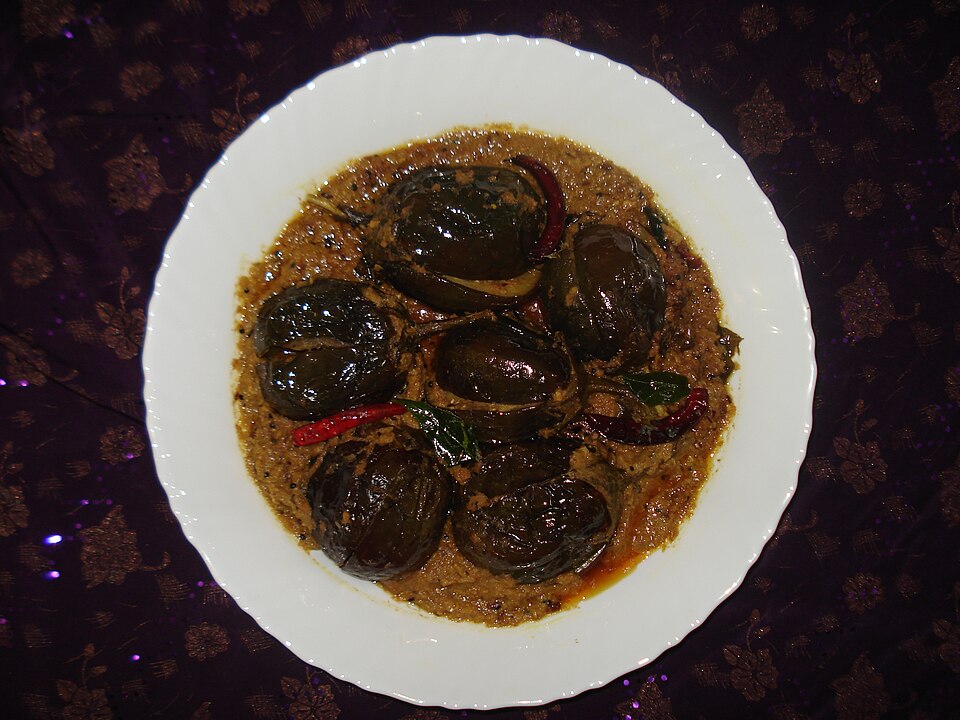
Bagara baingan
 Indian · 55 min · 314 kcal · Vegan
Bakarkhani (Hyderabadi style)
Indian · 2 h · 266 kcal · VegetarianBang bang chicken
 Sichuan · 50 min · 224 kcal
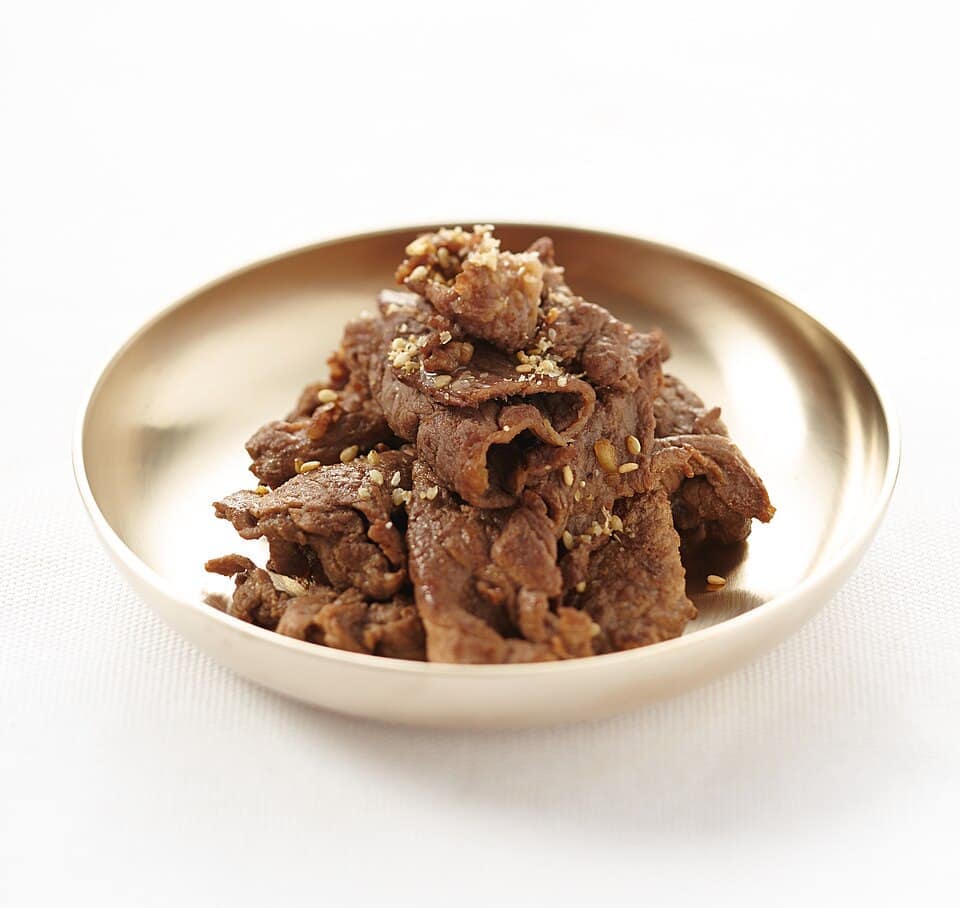
Beef bulgogi
 Korean · 55 min · 288 kcal
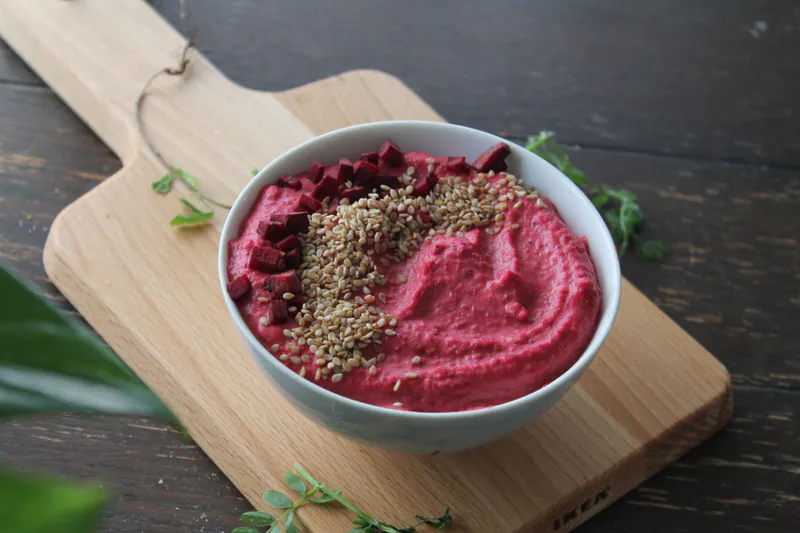
Beetroot hummus
International · 1 h 35 min · 160 kcal · Vegetarian
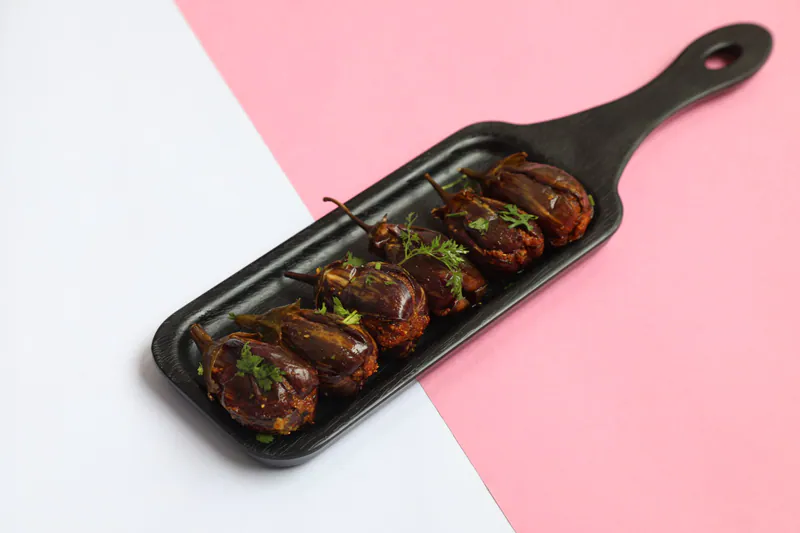
Bharli vangi
Indian · 55 min · 301 kcal · Vegan
100 more
- Bibim guksu · Korean
- Bibimbap · Korean
- Chicken and Vegetable Stir-Fry · International
- Chicken shawarma · Levantine
- Chicken teriyaki · Japanese
- Chilli crisp · Chinese
- Chirashizushi (scattered sushi bowl) · Japanese
- Cho-gochujang (vinegared chilli sauce) · Korean
- Chongqing chilli chicken · Sichuan
- Chuchitos · Guatemalan
- Cold soba noodle salad with edamame · International
- Cucumber sunomono · Japanese
- Dan dan noodles · Sichuan
- Dohneiiong · Indian
- Dry garlic chutney (vada pav chutney) · Indian
- Dukkah with bread and olive oil · Egyptian
- Egyptian dukkah · Egyptian
- Ellu podi (sesame powder) · South Indian
- Falafel · Middle Eastern
- Faraa (steamed rice-flour dumplings) · Indian
- Fattet hummus · Levantine
- Ful medames · Egyptian
- Gamja jorim (soy-braised potatoes) · Korean
- Gers ogaily · Bahraini
- Goda masala · Indian
- Golbheda ko achar · Nepalese
- Goma dare (Japanese sesame sauce) · Japanese
- Grissini torinesi · Italian
- Gur paratha · Punjabi
- Gyeran-jjim · Korean
- Haemul pajeon · Korean
- Hawaiian ahi poke · Pacific Island
- Hummus · Levantine
- Japchae · Korean
- Jeyuk bokkeum · Korean
- Jian dui (sesame balls) · Cantonese
- Jianbing (Chinese breakfast crepe) · Chinese
- Ka'ak al-Quds · Palestinian
- Khaman dhokla · Gujarati
- Kimbap · Korean
- Kimchi fried rice · Korean
- Kleicha · Iraqi
- Kofta bil tahini · Jordanian
- Kolhapuri chicken curry · Indian
- Kolhapuri kanda-lasun masala · Indian
- Kongnamul muchim · Korean
- Korean fried chicken (yangnyeom) · Korean
- Lahpet thoke · Burmese
- Lamb tagine with apricots · Moroccan
- Liangpi (cold skin noodles) · Chinese
- Luqaimat · Gulf Arab
- Mango sticky rice · Thai
- Methi thepla · Gujarati
- Mirchi ka salan · Indian
- Molagapodi (idli podi with oil) · South Indian
- Mole poblano · Mexican
- Msabbaha (warm whole-chickpea hummus) · Levantine
- Mu saengchae · Korean
- Nan-e barbari · Iranian
- Nasu dengaku · Japanese
- New York-style bagels · American
- Oi muchim (spicy cucumber salad) · Korean
- Pandhra rassa · Indian
- Pepián de pollo · Guatemalan
- Peynirli poğaça (cheese-filled pastries) · Turkish
- Pulihora (Andhra tamarind rice) · South Indian
- Ramazan pidesi (Turkish pide bread) · Turkish
- Roasted cauliflower soup · International
- Roasted garlic hummus · International
- Roasted red pepper hummus · International
- Rojak buah · Malaysian
- Sabich · Israeli
- Salmon onigiri · Japanese
- Salmon teriyaki · Japanese
- Salsa macha · Mexican
- Samsa · Uzbek
- Sausage rolls · Australian
- Seeded multigrain loaf · British
- Sfouf · Lebanese
- Shan noodles · Burmese
- Shichimi togarashi · Japanese
- Sichuan chilli oil (hong you) · Sichuan
- Sigeumchi namul · Korean
- Simit · Turkish
- Spinach goma-ae · Japanese
- Ssamjang · Korean
- Swedish rye crispbread (knäckebröd) · Swedish
- Ta'ameya (Egyptian fava bean falafel) · Egyptian
- Tahini sauce (taratur) · Levantine
- Tajik non · Tajik
- Tambda rassa · Indian
- Tangyuan (black sesame rice balls in ginger syrup) · Chinese
- Thalipeeth · Indian
- Tilachi chutney (Maharashtrian dry sesame chutney) · Indian
- Tteokbokki · Korean
- Wakame and cucumber sesame salad · Japanese
- Xinjiang cumin lamb skewers · Chinese
- Yangnyeom-ganjang (seasoned soy dipping sauce) · Korean
- Yomari · Nepalese
- Za'atar · Levantine
More seeds
Seeds
Seeds
Edible seeds such as sesame, sunflower, pumpkin, chia and flax; for toppings, pastes, baking and binding.
142 recipes
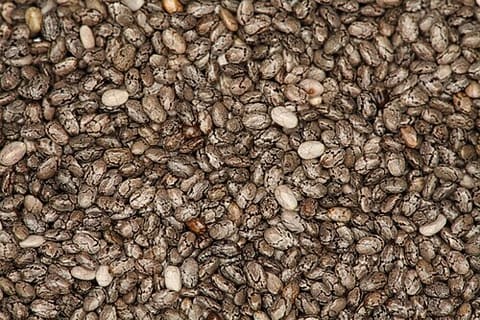
Seeds
Chia seeds
Tiny black-and-white seeds that swell into a gel in liquid; for puddings, smoothies and as an egg substitute.
10 recipes
Seeds
Flaxseed
Small, glossy brown or golden seeds (linseed), usually ground; used in baking, porridge and as an egg replacer.
4 recipes
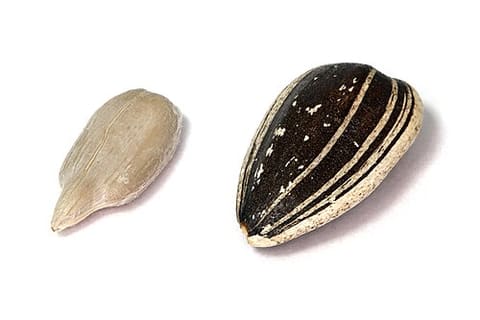
Seeds
Sunflower seeds
Mild, grey-green kernels from sunflower heads; eaten roasted and added to breads, salads and granola.
7 recipes
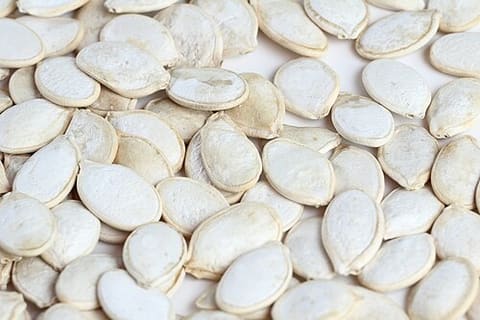
Seeds
Pumpkin seeds
Flat green kernels (pepitas) from pumpkins and squash; toasted for snacks, salads, moles and breads.
10 recipes
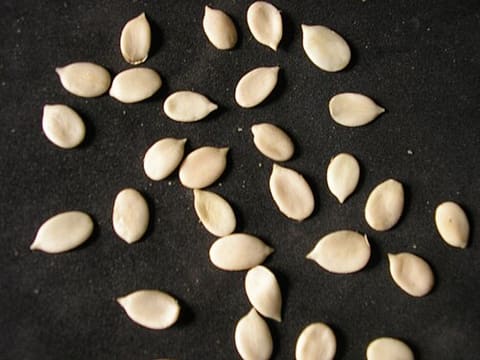
Seeds
Egusi (ground melon seeds)
Ground, protein-rich melon seeds (egusi) that thicken and enrich West African soups and stews.
2 recipes
Seeds
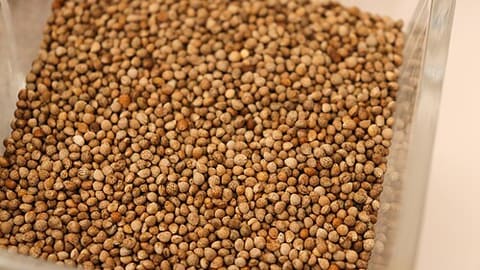
Perilla seeds
Small brown seeds of the perilla plant ('wild sesame'), toasted and ground in Korean and Northeast Indian cooking.
1 recipe
Seeds
Hemp seeds
Small, grey-green hemp seeds; roasted and ground for Kumaoni bhang ki chutney and other Himalayan dishes.
1 recipe