
Cookware & bakeware · Bakeware
Baking tray / sheet
A flat metal sheet, with or without a low rim, for baking cookies, roasting vegetables and holding other dishes.
Essential in most kitchens · No power needed · 156 recipes
What it is
A thin rectangular metal sheet. Rimmed versions, sometimes called sheet pans, have a low lip on all sides that stops juices running off; rimless cookie sheets let you slide biscuits straight off. It is much shallower than a roasting pan, which has deep sides for joints and juices.
What it’s for: Spreading food in a single layer for even browning in the oven.
How to use it
- Line with baking paper or a silicone mat, or grease lightly, to stop sticking.
- Spread food in one layer with space between pieces so it roasts rather than steams.
- Bake on the middle shelf; rotate halfway if the oven browns unevenly.
- Slide baked goods onto a cooling rack soon after removing.
Good to know
- Tasks
- baking cookies and biscuits, roasting vegetables, sheet-pan dinners, toasting nuts, baking free-form bread and pizza, catching drips under pies
- Cooking methods
- Oven-baked, Roasted, Broiled / grilled under heat, Toasted
- Materials
- aluminium, carbon steel, non-stick steel, stainless steel
- Care and cleaning
- Soak and wash; baked-on dark patches are normal and do not affect use. Avoid metal scourers on non-stick trays. Heavier trays warp less in high heat.
- Limitations
- Too shallow for anything with liquid, batters or large joints.
Safety
- Thin trays get hot instantly; always use oven gloves.
- Rimless sheets let fat spill into the oven; use a rimmed tray for meat.
If you don’t have one
- Roasting pan — Works for roasting vegetables, though high sides reduce browning.
- Baking stone / pizza stone — For bread and pizza, gives a crisper base.
Equipment guide
How it works: A thin sheet of metal sits close to the food and conducts oven heat into it. Light, shiny metal reflects radiant heat and browns gently; dark metal absorbs it and browns faster. A rim catches juices; a rimless sheet lets air flow over biscuits and lets you slide them off.
| Material | Good | Watch out |
|---|---|---|
| Aluminium (plain or hard-anodised) | Light, conducts heat about 15 times better than stainless steel and heats quickly; anodising hardens the surface and stops reaction with acids. | Plain aluminium reacts with acidic and alkaline foods and can discolour them; thin gauges warp; not magnetic, so it needs a steel base for induction. |
| Aluminised or carbon steel | Rigid and browns well. | Can rust if the coating is damaged. |
| Non-stick (PTFE or ceramic sol-gel coating on aluminium) | Eggs, fish and pancakes release with little fat; easy to clean; forgiving for beginners. | Coatings wear out (ceramic often faster than PTFE); PTFE should not be heated empty or above about 260 °C; poor at building fond; needs non-metal utensils. |
| Stainless steel | Durable, non-reactive, dishwasher-safe, does not hold smells. | Can scratch non-stick pans; conducts heat, so all-metal handles get hot. |
- Rimmed baking sheet (half sheet)
- About 45 × 33 cm; roasting, sheet-pan meals, biscuits.
- Rimless cookie sheet
- Easy to slide biscuits off.
- Perforated tray
- Crisper bases for bread and pizza.
- Insulated (double-layer) tray
- Prevents dark bottoms on delicate cookies.
Buying guidance
Starting out: Two rimmed, heavy aluminium sheets that fit your oven with room for air around them.
Keen cook: Add a wire rack that fits inside the tray for roasting and cooling.
- Heavy gauge to resist warping (thin trays buckle with a bang in hot ovens)
- Size: at least 5 cm narrower than the oven interior
- Rolled edges
- Light colour for even browning
No brands or prices — check current reviews before buying.
Related tools
Recipes that use it
Açma (soft Turkish breakfast rolls)
 Turkish · 2 h 32 min · 265 kcal · Contains egg
Afghan naan
 Afghan · 2 h 20 min · 344 kcal · Vegan
Ajvar
 Balkan · 2 h 15 min · 85 kcal · Vegan
Alfajores de maicena
 Argentine · 1 h 50 min · 170 kcal · Contains egg
Amritsari kulcha
 Punjabi · 3 h 10 min · 358 kcal · Vegetarian
Anpan (sweet red bean buns)
 Japanese · 2 h 45 min · 266 kcal · Contains egg
Anzac biscuits
 Australian · 44 min · 148 kcal · Vegetarian
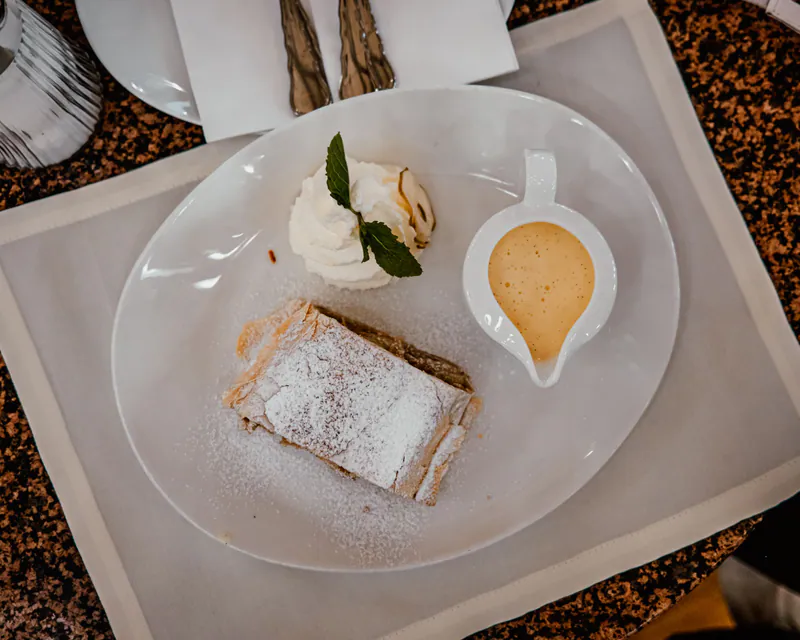
Apfelstrudel
 Austrian · 1 h 20 min · 289 kcal · Vegetarian
Aussie meat pie
Australian · 2 h 50 min · 596 kcal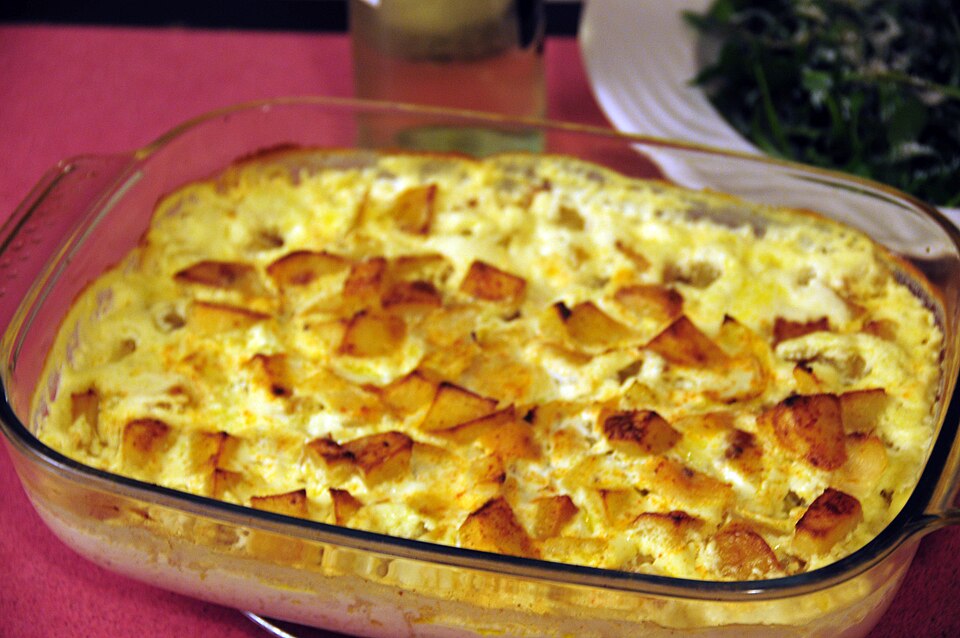
Bacalhau com natas
 Portuguese · 1 h 30 min · 506 kcal
Baguettes with poolish
 French · 17 h 15 min · 304 kcal · Vegan
Bakarkhani (Hyderabadi style)
Indian · 2 h · 266 kcal · Vegetarian
144 more
- Baked beef empanadas · Argentine
- Batata harra · Lebanese
- Beetroot hummus · International
- Biscuits and sausage gravy · Southern US
- Bolillos (Mexican crusty rolls) · Mexican
- Broa de milho (Portuguese corn bread) · Portuguese
- Buffalo wings · American
- Butter chicken · Punjabi
- Cantucci (biscotti di Prato) · Italian
- Carnitas · Mexican
- Chajá · Uruguayan
- Char siu (Cantonese barbecue pork) · Cantonese
- Cheese soufflé · French
- Chicken sajji · Pakistani
- Chicken shawarma · Levantine
- Chicken tikka masala · Indian
- Chipa · Paraguayan
- Chocolate chip cookies · American
- Chocolate éclairs · French
- Ciabatta · Italian
- Conchas (Mexican sweet bread) · Mexican
- Cornish pasty · British
- Croissants · French
- Croque monsieur · French
- Damper · Australian
- Danish pastries (spandauer) · Danish
- Dark Chocolate-Dipped Strawberries · International
- Dresden Christmas stollen · German
- Egyptian dukkah · Egyptian
- Empanadas salteñas · Argentine
- Eton mess · British
- Fatayer bi sabanekh (spinach triangles) · Lebanese
- Fattet hummus · Levantine
- Fattoush · Lebanese
- Feteer meshaltet · Egyptian
- Fish and chips · British
- Focaccia · Italian
- Fougasse · French
- Galette des rois · French
- Garlic Bread · International
- Garlic Roasted Broccoli · International
- German rye sourdough (Roggenmischbrot) · German
- Gnocchi alla romana (baked semolina gnocchi) · Italian
- Gnudi (Tuscan spinach and ricotta dumplings) · Italian
- Goan poi · Goan
- Grissini torinesi · Italian
- Hawawshi · Egyptian
- Hokey pokey · New Zealand
- Homemade Honey Nut Granola · International
- Hot cross buns · British
- Ichlekli · Turkmen
- Insalata di farro · Italian
- Irish soda bread · Irish
- Ishkhan-style baked trout · Armenian
- Jamaican beef patties · Jamaican
- Jamaican coco bread · Jamaican
- Ka'ak al-Quds · Palestinian
- Kanelbullar (Swedish cinnamon buns) · Swedish
- Karjalanpiirakka · Finnish
- Khachapuri adjaruli · Georgian
- Khari biscuit · Indian
- Khobz (Moroccan round bread) · Moroccan
- Kilishi · Nigerien
- Kıymalı pide · Turkish
- Kleicha · Iraqi
- Korvapuusti (Finnish cinnamon rolls) · Finnish
- Kouign-amann · French
- Lahmacun · Turkish
- Lamprais · Sri Lankan
- Laugenbrezel · German
- Lentil and Roasted Vegetable Bowl · Mediterranean
- Liangpi (cold skin noodles) · Chinese
- Liboké de poisson · Congolese
- Litti chokha · Indian
- Ma'amoul with dates · Levantine
- Manakish za'atar · Lebanese
- Maqluba · Palestinian
- Masgouf-style grilled carp · Iraqi
- Medialunas (Argentine croissants) · Argentine
- Mediterranean quinoa salad · Mediterranean
- Melonpan · Japanese
- Melting moments · Australian
- Milanesa a la napolitana · Argentine
- Molletes · Mexican
- Moussaka · Greek
- Musakhan · Palestinian
- Naan (home-oven method) · Indian
- Nan-e barbari · Iranian
- Nankhatai · Indian
- Nasu dengaku · Japanese
- New York-style bagels · American
- Pain au chocolat · French
- Pain de campagne · French
- Palmiers · French
- Pan de muerto · Mexican
- Pane toscano (unsalted Tuscan bread) · Italian
- Paneer tikka · Punjabi
- Panzanella · Italian
- Pão de queijo · Brazilian
- Pastizzi · Maltese
- Pastrmajlija · Macedonian
- Pavlova · Australian
- Peynirli poğaça (cheese-filled pastries) · Turkish
- Pineapple bun (bo lo bao) · Hong Kong
- Pirozhki with cabbage and egg · Russian
- Pita (pocket bread) · Middle Eastern
- Pizza Margherita · Italian
- Pollo a la brasa · Peruvian
- Profiteroles with chocolate sauce · French
- Quinoa Salad with Black Beans and Corn · International
- Raclette · Swiss
- Ramazan pidesi (Turkish pide bread) · Turkish
- Reduced-sugar oat cookies · International
- Roasted cauliflower soup · International
- Roasted Mediterranean Vegetables · Mediterranean
- Roasted Pumpkin Soup · International
- Roasted red pepper and tomato soup · International
- Romesco sauce · Spanish
- Saba shioyaki · Japanese
- Salata mechouia · Tunisian
- Salmon onigiri · Japanese
- Salteñas · Bolivian
- Samsa · Uzbek
- Sausage rolls · Australian
- Scones · British
- Scottish oatcakes · British
- Scottish shortbread · British
- Sfeeha · Lebanese
- Shakarkandi chaat · Indian
- Sheermal · Indian
- Sheet-Pan Chicken and Vegetables · International
- Shichimi togarashi · Japanese
- Simit · Turkish
- Sklandrausis · Latvian
- Southern buttermilk biscuits · Southern US
- Swedish gingerbread biscuits (pepparkakor) · Swedish
- Swedish rye crispbread (knäckebröd) · Swedish
- Swiss butter plait (Zopf) · Swiss
- Taiwanese pineapple cakes · Taiwanese
- Tajik non · Tajik
- Tandoori chicken · Punjabi
- Taralli pugliesi · Italian
- Tarte flambée · French
- Warm roasted vegetable and chickpea salad · International