
Cookware & bakeware · Bakeware
Baking dish
A deep, ovenproof dish of glass, ceramic or metal for gratins, lasagne, crumbles and casseroles.
Essential in most kitchens · No power needed · 91 recipes
What it is
A rectangular, square or oval dish with straight or slightly sloped sides several centimetres high. Glass and ceramic dishes heat slowly and hold heat well, and are attractive enough to serve from. It is deeper than a baking tray and usually lighter and smaller than a roasting pan.
What it’s for: Baking layered or saucy dishes that need sides to contain them and look good on the table.
How to use it
- Grease the dish if the recipe calls for it.
- Fill with the dish's layers, leaving room at the top for bubbling.
- Set it on a baking tray to catch overflow and bake in a preheated oven.
- Let it stand a few minutes before cutting so layers set.
Good to know
- Tasks
- baking lasagne and gratins, making crumbles and cobblers, baking casseroles, roasting small batches of vegetables, making bread puddings, marinating
- Cooking methods
- Oven-baked, Roasted, Braised, Broiled / grilled under heat, Marinated / cured
- Materials
- tempered glass, ceramic, stoneware, enamelled cast iron, metal
- Care and cleaning
- Soak to loosen baked-on cheese. Most glass and ceramic dishes are dishwasher-safe.
- Limitations
- Slow to heat, so edges may brown less than in metal; not for stovetop use unless stated.
Safety
- Glass and ceramic can crack with sudden temperature change: do not move from fridge to a very hot oven or set a hot dish on a wet surface.
- Most glass dishes are not for the hob or grill.
If you don’t have one
- Roasting pan — Works for casseroles and bakes; serving is less elegant.
- Cake tin — A square cake tin can take a small lasagne or crumble.
Equipment guide
How it works: A deep dish holds food and liquid together in the oven. Its material sets the pace: glass and ceramic heat slowly but hold heat well and cook gently, while metal heats quickly and browns edges more. Depth decides how much liquid stays and how long the centre takes to cook.
| Material | Good | Watch out |
|---|---|---|
| Ceramic or stoneware | Holds heat and cooks gently and evenly; non-reactive; attractive for serving. | Heavy, slow to heat, can crack with thermal shock; glazes vary in quality. |
| Borosilicate or tempered glass | Non-reactive, lets you see the browning on the sides and base; holds heat well once hot. | Slow to heat; can shatter with sudden temperature changes (e.g. cold liquid into a hot dish, or from fridge to hot oven). |
| Enamelled cast iron | Heat retention of cast iron with a non-reactive glass surface that needs no seasoning; good for acidic braises. | Very heavy; enamel can chip or craze with thermal shock or metal utensils; light interiors stain. |
| Enamelled or plain metal | Heats fast; crisper edges. | Plain aluminium reacts with acidic fillings. |
- Rectangular dish (about 33 × 23 cm)
- Lasagne, bakes, traybakes.
- Gratin dish
- Shallow, for maximum crust.
- Square dish
- Brownies and smaller bakes.
- Lidded casserole
- Oven-baked rice and dum-style dishes.
Buying guidance
Starting out: One ceramic or glass dish around 30 × 20 cm that fits your oven.
- Depth: 5–7 cm for most bakes
- Oven- and freezer-safe rating
- Handles you can grip with gloves
- Lid if you want to cook covered
No brands or prices — check current reviews before buying.
Related tools
Recipes that use it
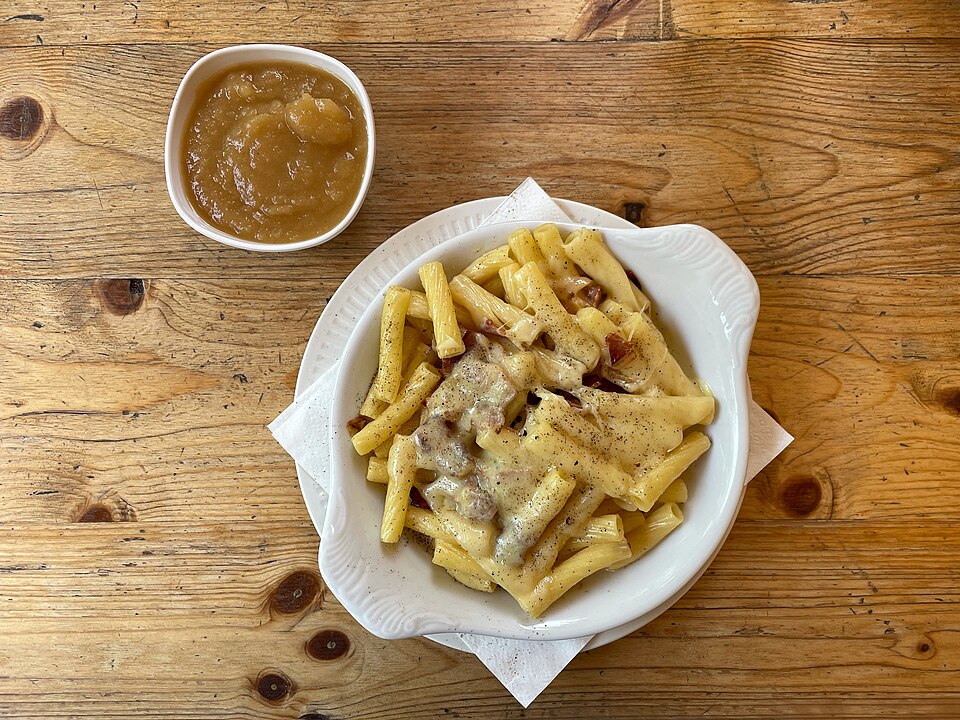
Älplermagronen
 Swiss · 50 min · 752 kcal
Apple and Berry Crumble
 British · 1 h 10 min · 410 kcal · Vegetarian
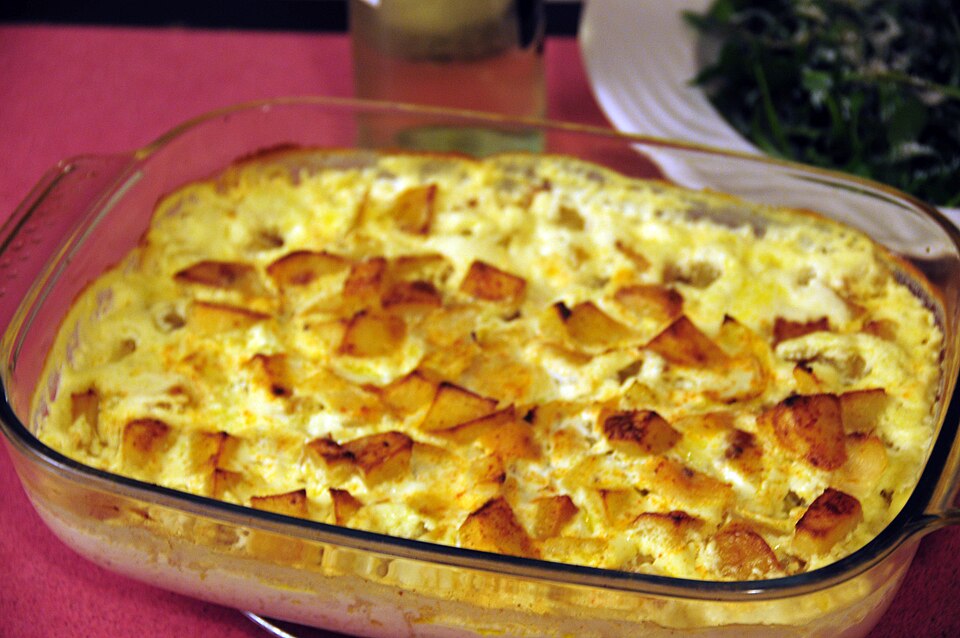
Bacalhau com natas
 Portuguese · 1 h 30 min · 506 kcal
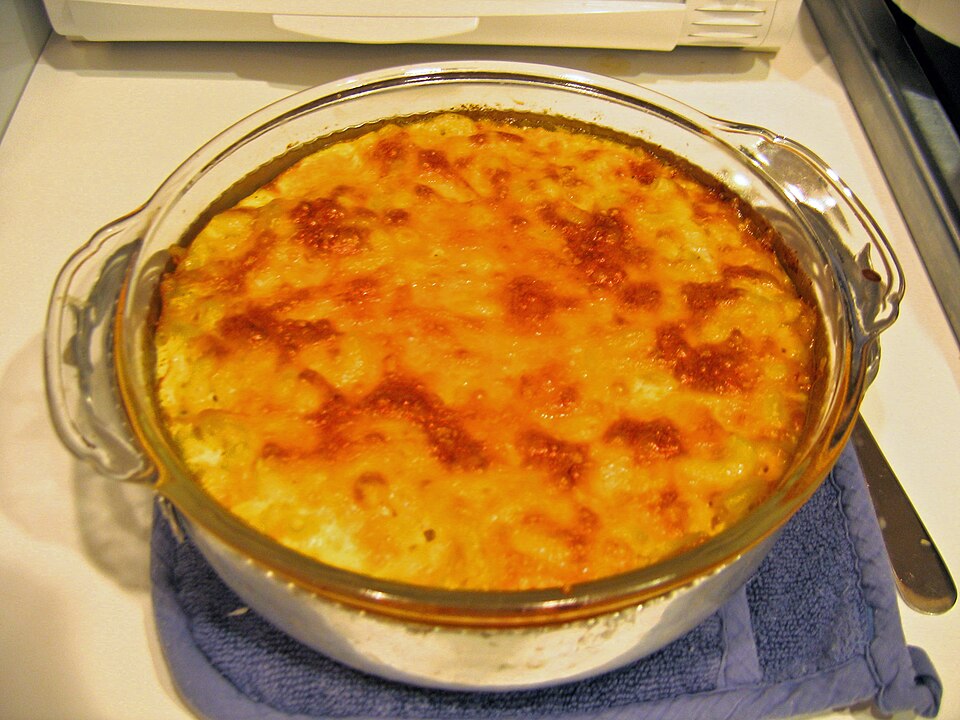
Bajan macaroni pie
 Bajan · 1 h 20 min · 479 kcal · Contains egg
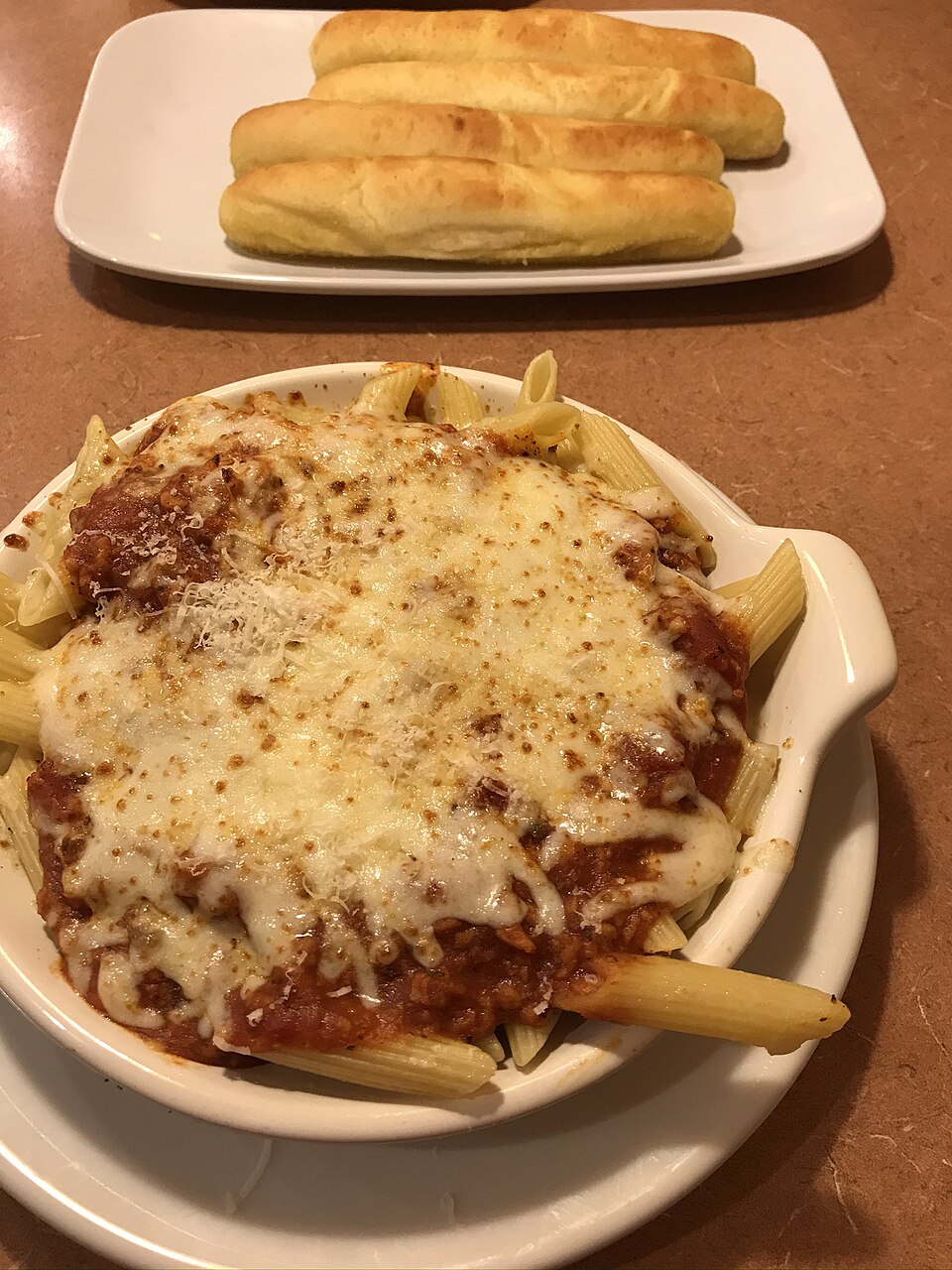
Baked ziti
 American · 1 h 30 min · 487 kcal
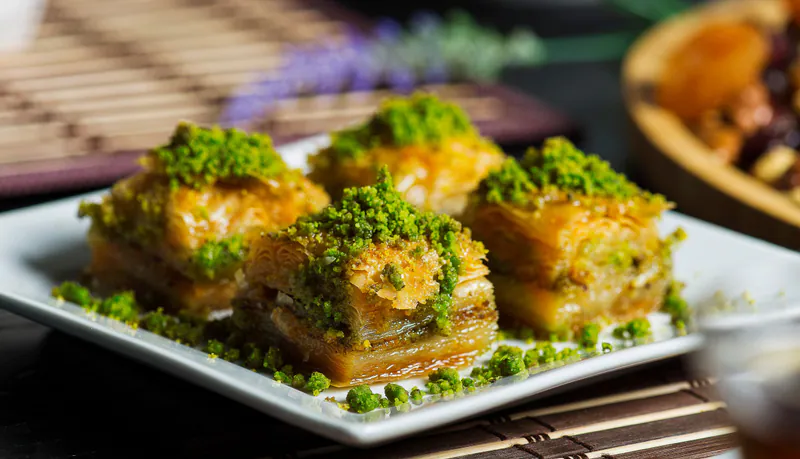
Baklava (pistachio)
 Turkish · 5 h 30 min · 217 kcal · Vegetarian
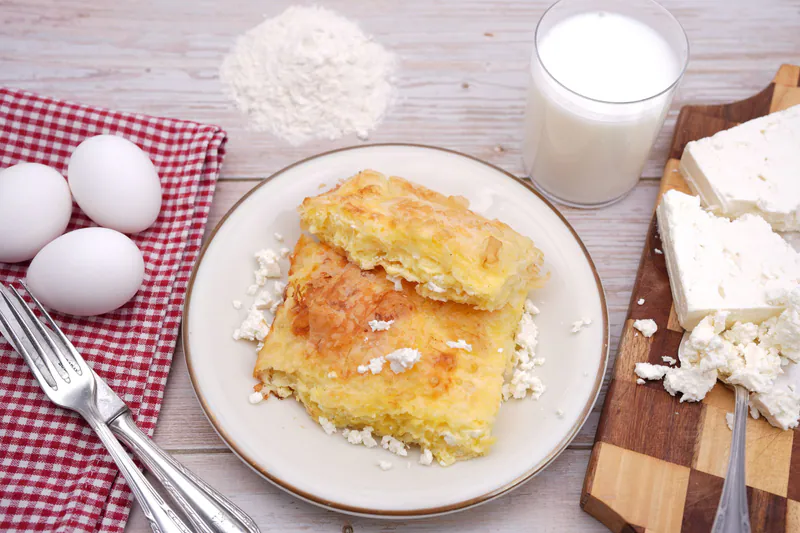
Banitsa
 Bulgarian · 1 h 15 min · 468 kcal · Contains egg
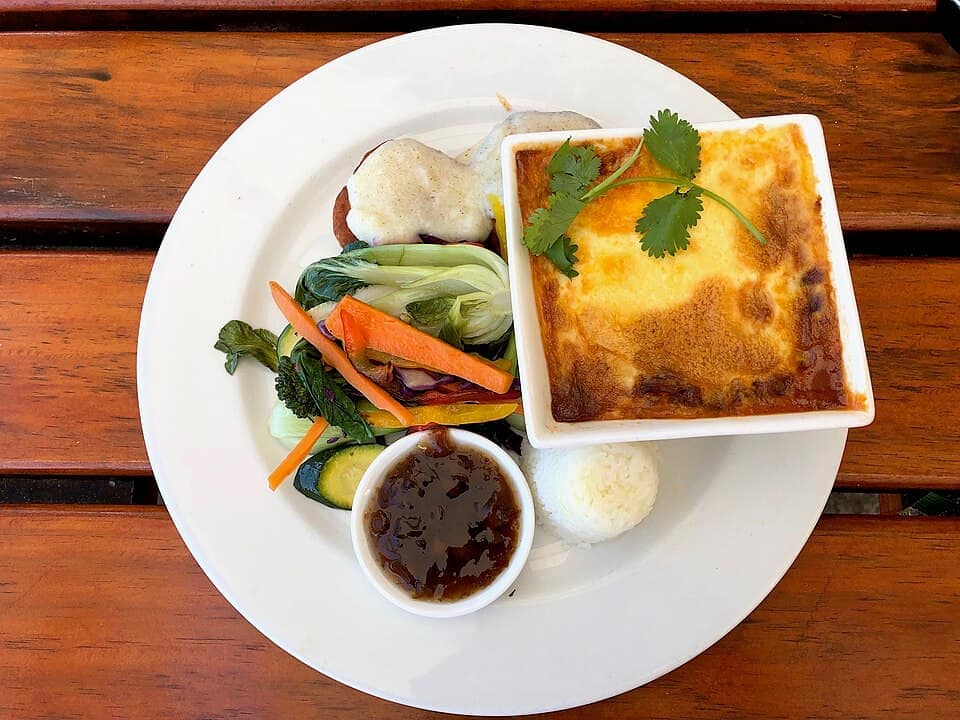
Bobotie
 Cape Malay · 1 h 25 min · 480 kcal
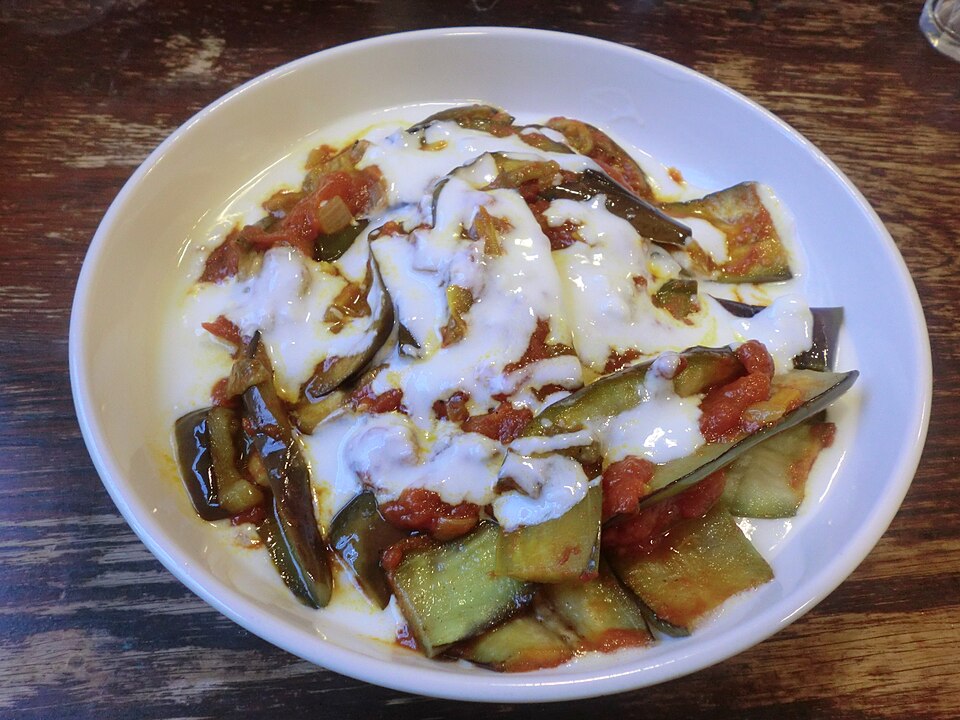
Borani banjan
 Afghan · 1 h 5 min · 289 kcal · Vegetarian
Bosnian meat burek
 Bosnian · 1 h 25 min · 577 kcal
Buchty
 Czech · 2 h 30 min · 245 kcal · Contains egg
Byrek me spinaq (Albanian spinach pie)
 Albanian · 1 h 25 min · 398 kcal · Contains egg
79 more
- Cauliflower cheese · British
- Cheese burek · Balkan
- Chicken mandi · Yemeni
- Cinnamon rolls with cream cheese frosting · American
- Clafoutis aux cerises · French
- Crème brûlée · French
- Crème caramel · French
- Eggplant parmigiana · Italian
- Escondidinho de carne moída · Brazilian
- Fërgesë (peppers, tomatoes and cheese) · Albanian
- Fırın sütlaç · Turkish
- Francesinha · Portuguese
- Galaktoboureko · Greek
- Gemista · Greek
- Ghapama · Armenian
- Gibanica · Serbian
- Gigantes plaki · Greek
- Gnocchi alla romana (baked semolina gnocchi) · Italian
- Gnocchi alla sorrentina · Italian
- Gołąbki · Polish
- Gratin dauphinois · French
- Gravlax with mustard-dill sauce · Scandinavian
- Hachis parmentier · French
- İmam bayıldı · Turkish
- Jansson's temptation · Swedish
- Karantika · Algerian
- Karnıyarık · Turkish
- Käsespätzle · German
- Kavarma (pork and vegetable clay pot) · Bulgarian
- Kibbeh bil sanieh · Lebanese
- Kleftiko · Cypriot
- Kofta bil tahini · Jordanian
- Kugelis · Lithuanian
- Ladi pav · Indian
- Lasagne alla bolognese · Italian
- Leche flan · Filipino
- Lemon Garlic Baked Salmon · International
- Lū pulu · Tongan
- Macaroni and cheese · American
- Makaronilaatikko · Finnish
- Malva pudding · South African
- Méchoui (Mauritanian roast lamb) · Mauritanian
- Moussaka · Greek
- Nalysnyky · Ukrainian
- Œufs en cocotte (baked eggs with cream) · French
- Omani shuwa-style slow-roast lamb · Omani
- Oven hāngī · New Zealand
- Palusami · Samoan
- Pampushky · Ukrainian
- Pastel de choclo · Chilean
- Pastitsio · Greek
- Pecan pie · Southern US
- Piti · Azerbaijani
- Pom · Surinamese
- Pots de crème au chocolat · French
- Pouding chômeur · Canadian
- Prebranac (baked beans with onions) · Serbian
- Purin · Japanese
- Rakott krumpli · Hungarian
- Rocoto relleno · Peruvian
- Selsko meso (village-style pork) · Macedonian
- Shan tofu salad · Burmese
- Shepherd's pie · British
- Sopa paraguaya · Paraguayan
- South African buttermilk rusks · South African
- Spanakopita · Greek
- Spinach and artichoke dip · American
- Spinach and ricotta cannelloni · Italian
- Sticky toffee pudding · British
- Tavče gravče · Macedonian
- Tavë kosi (baked lamb with yogurt) · Albanian
- Tiramisu · Italian
- Toad in the hole · British
- Tourtière · Canadian
- Tres leches cake · Costa Rican
- Trileçe (caramel three-milk cake) · Albanian
- Vepřo knedlo zelo · Czech
- Zagorski štrukli (baked cheese štrukli) · Croatian
- Zarb-style roast lamb and chicken · Jordanian