
Dry-heat cooking · beginner
Roasting
Also: oven-roasting
Cooking food uncovered in hot, dry oven air so the outside browns while the inside cooks through.
What it is
Roasting surrounds food with hot air in an oven, usually uncovered and often on a rack or tray, so the surface dries, browns and crisps while heat travels slowly to the centre. It is used for whole joints, poultry, root vegetables and anything that benefits from a browned exterior and a juicy interior.
Why cooks use it: Dry heat browns the surface, concentrating flavour through the Maillard reaction and caramelisation, while the oven's even heat cooks large pieces without constant attention.
The science
Hot air transfers heat mainly by convection and radiation from the oven walls. The surface must lose its water before it can climb above 100 °C, which is why dry surfaces brown faster. Inside, proteins set and fats render as the core temperature rises.
How heat moves into foodThe Maillard reactionCaramelisationHow proteins set when cookedMoisture and textureFood-safety temperatures
Step by step
Preheat the oven fully (usually 190–220 °C for vegetables and poultry; lower for large joints).
Pat the food dry, season with salt and coat lightly in oil or fat.
Spread it in a single layer with space around each piece, or set a joint on a rack in a roasting pan.
Roast, turning vegetables once halfway so all sides touch the hot tray.
Check meat with a probe thermometer in the thickest part, away from bone.
Rest joints and poultry loosely covered for 10–20 minutes before carving.
Heat and timing
- Roasting 160–230 °C · 160–180 °C for large joints and slow roasts; 200–230 °C for vegetables and quick browning.
Time: 20–45 minutes for vegetables; about 1–1.5 hours for a 1.5–2 kg chicken; several hours for slow-roast shoulders.
How you know it’s right
- Edges browned and crisp, not pale
- Fat sizzling in the pan
- Juices of poultry run clear and the probe reads 74 °C in the thickest part
- Vegetables tender to a knife tip
Common mistakes
- Crowding the tray so food steams instead of browning
- Skipping the preheat
- Putting wet vegetables straight in
- Carving immediately without resting
Troubleshooting
- Vegetables pale and soggy
- Use a larger tray or two trays, raise the heat and dry the pieces before oiling.
- Outside dark, inside undercooked
- Lower the oven by 20–30 °C, tent with foil and continue until the core temperature is reached.
- Meat dry
- Pull it 3–5 °C below the target (it rises while resting) and rest before slicing.
Restaurant DNA
How professionals do it
Restaurant kitchens often sear proteins on the stove first, then finish in a hot oven, and use probe thermometers rather than timings. Combination ovens let them add controlled steam for joints and dry heat for crisping.
At home
Sear in an ovenproof skillet, then move it into a fully preheated oven. A cheap probe thermometer gives most of the precision a restaurant gets.
General professional practice — not any particular restaurant’s recipe.
Food safety
- Poultry must reach 74 °C in the thickest part.
- Use oven gloves; hot fat in a roasting pan can spill when tilted.
- Refrigerate leftovers within 2 hours.
Practise it
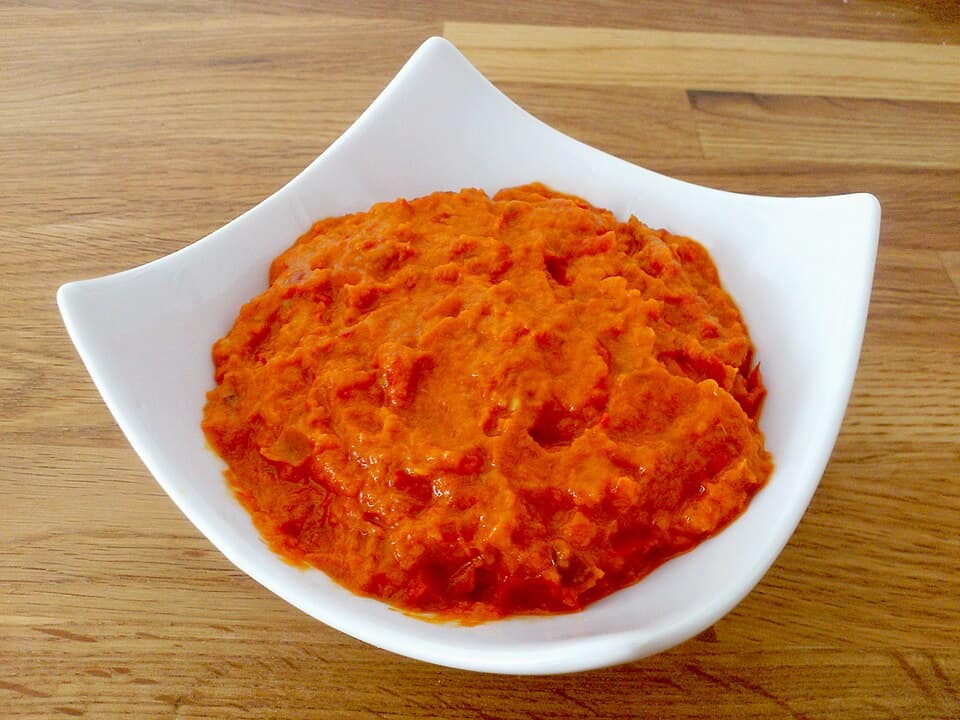
Ajvar
 Balkan · 2 h 15 min · 85 kcal · Vegan
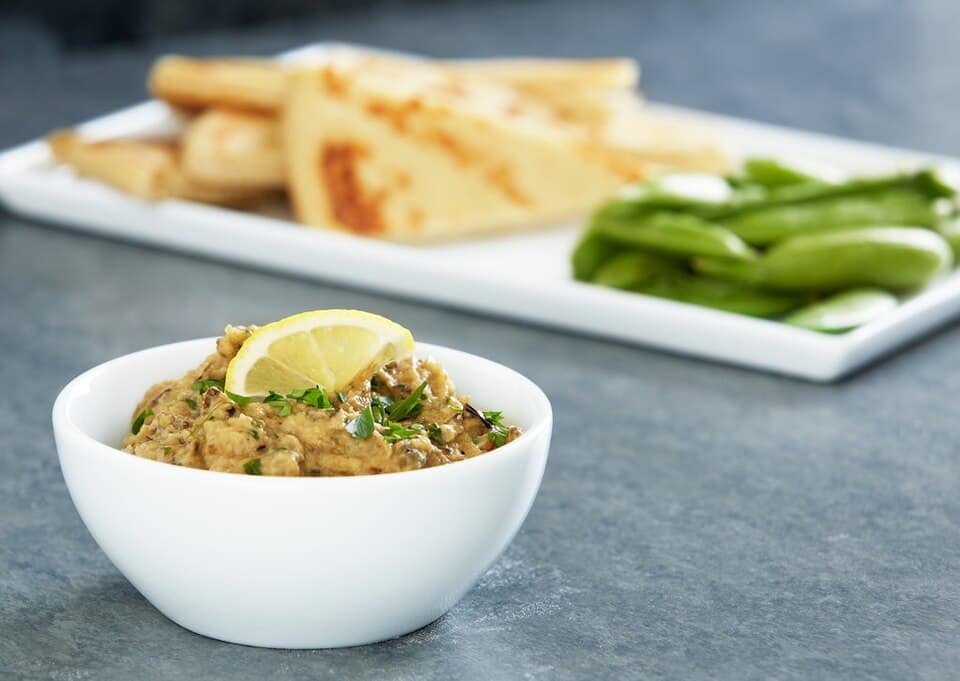
Baba ghanoush
Levantine · 55 min · 139 kcal · Vegan
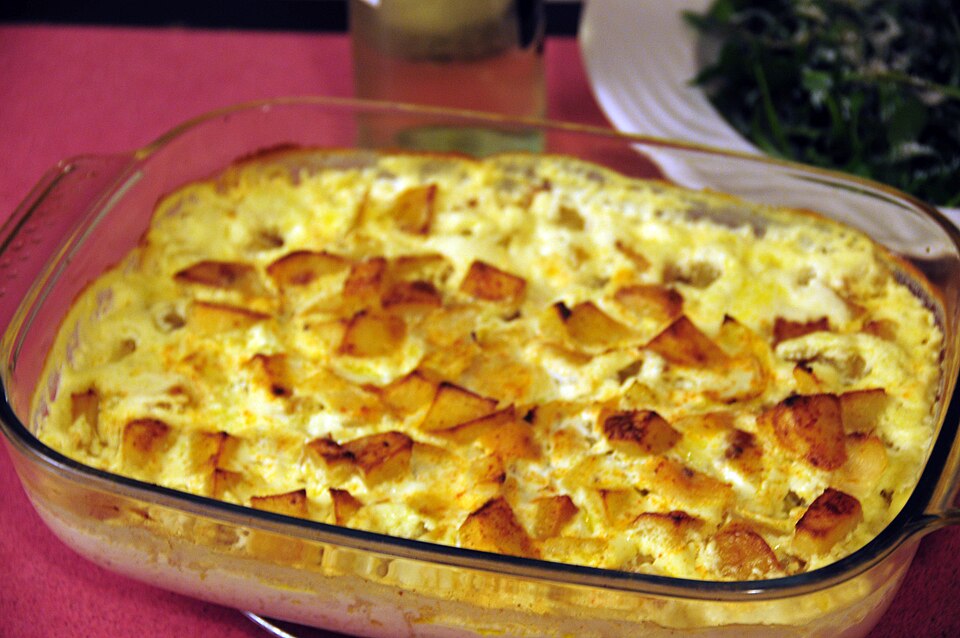
Bacalhau com natas
 Portuguese · 1 h 30 min · 506 kcal
Baguettes with poolish
 French · 17 h 15 min · 304 kcal · Vegan
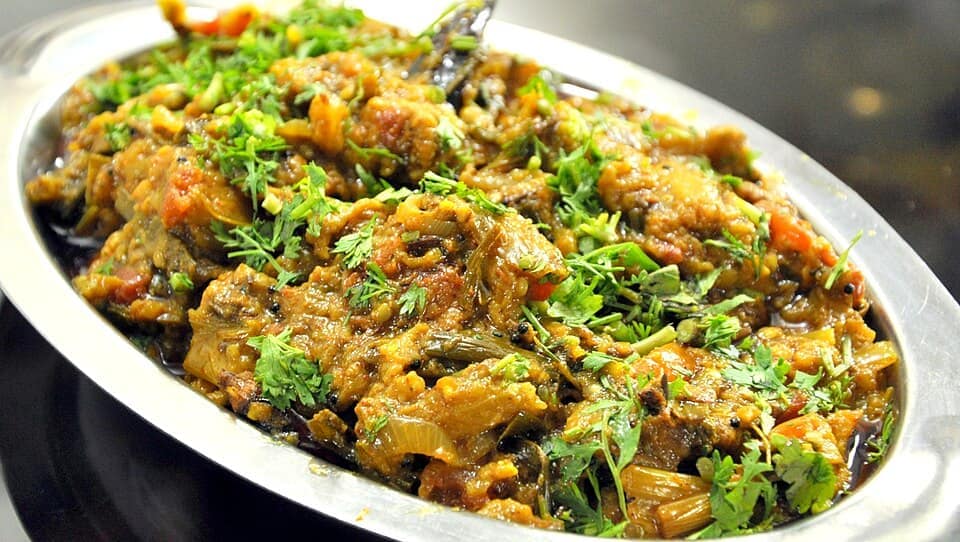
Baingan bharta
 Punjabi · 40 min · 167 kcal · Vegan
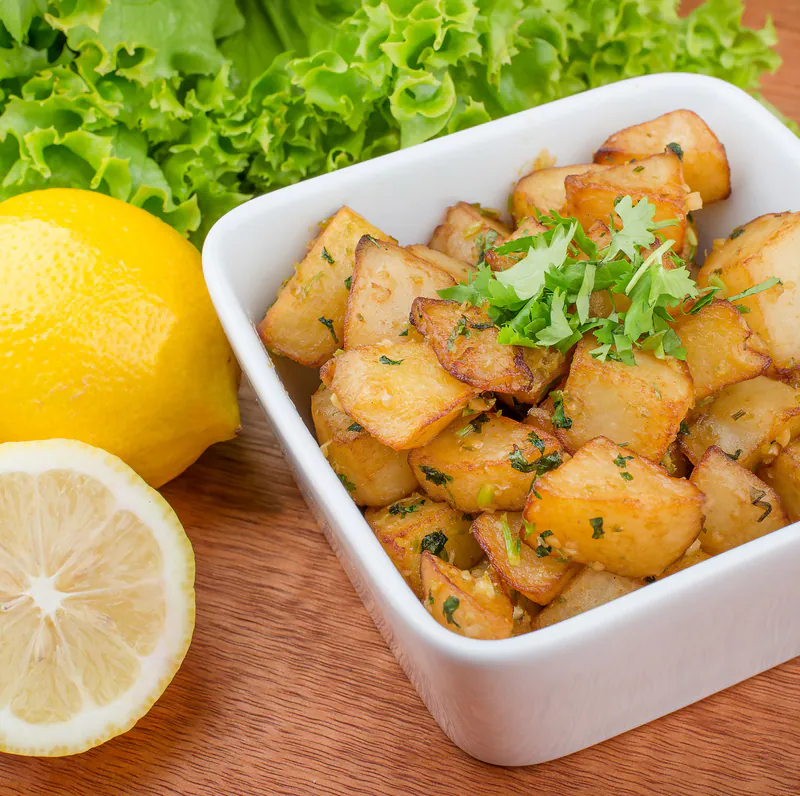
Batata harra
 Lebanese · 50 min · 285 kcal · Vegan
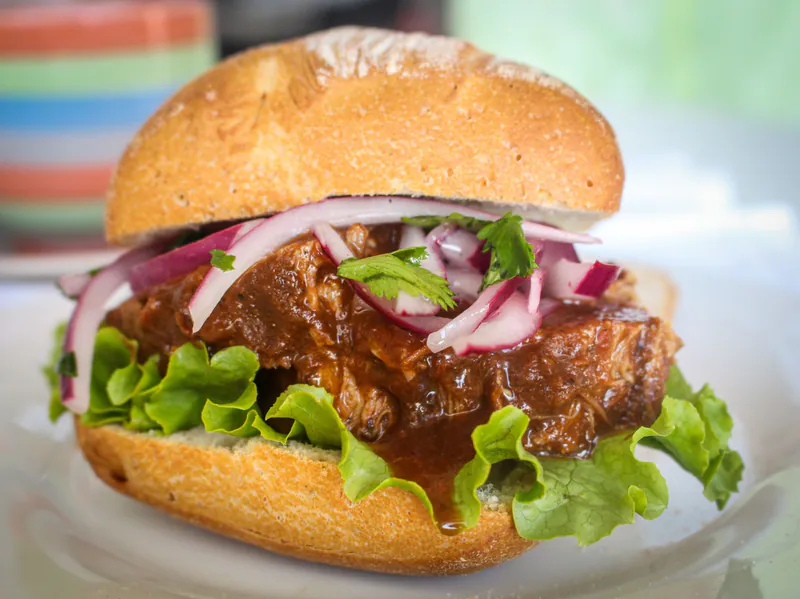
BBQ pulled pork
 Southern US · 6 h 5 min · 680 kcal
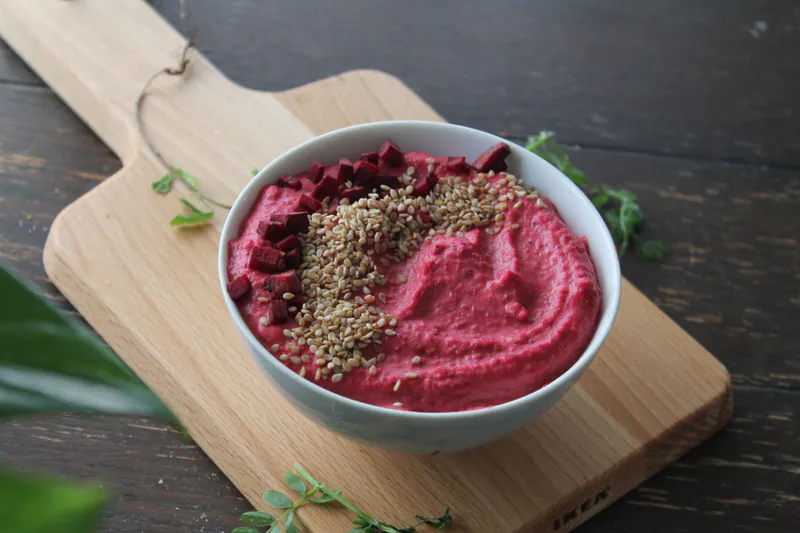
Beetroot hummus
International · 1 h 35 min · 160 kcal · Vegetarian
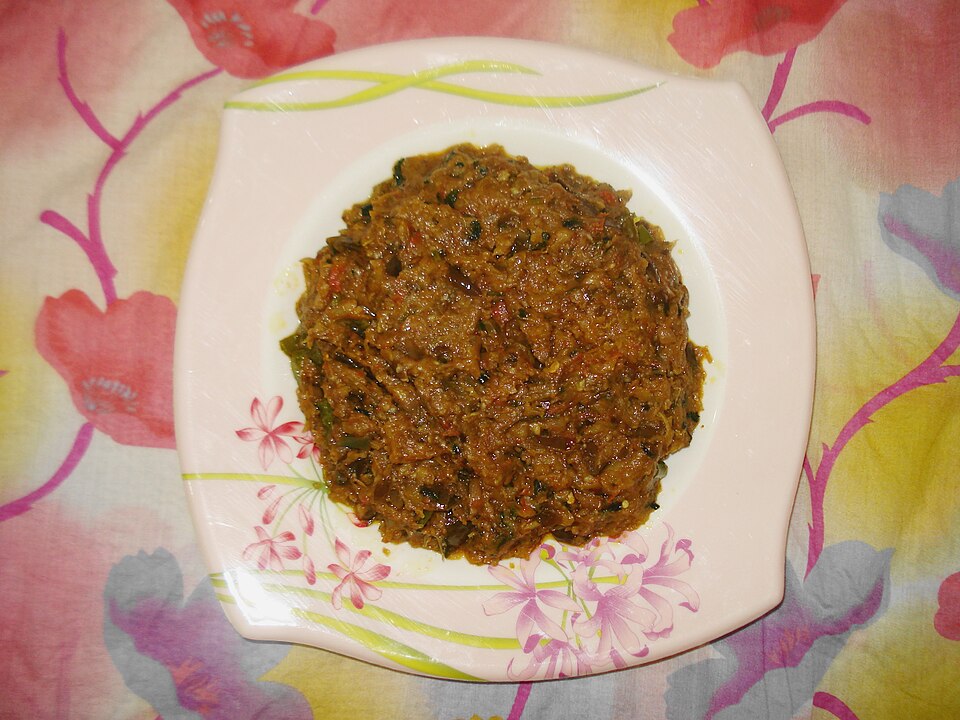
Begun bhorta
 Bangladeshi · 30 min · 94 kcal · Vegan
66 more
- Bolillos (Mexican crusty rolls) · Mexican
- Carnitas · Mexican
- Char siu (Cantonese barbecue pork) · Cantonese
- Chicken kabsa · Saudi Arabian
- Chicken mandi · Yemeni
- Chicken sajji · Pakistani
- Chicken shawarma · Levantine
- Chiles en nogada · Mexican
- Chipotle salsa (salsa de chipotle) · Mexican
- Ciabatta · Italian
- Cochinita pibil · Mexican
- Cuban sandwich · Cuban
- Egyptian dukkah · Egyptian
- Ensaladang talong · Filipino
- Everyday curry powder (British-style) · British
- Fërgesë (peppers, tomatoes and cheese) · Albanian
- Fougasse · French
- Garlic Roasted Broccoli · International
- German rye sourdough (Roggenmischbrot) · German
- Golbheda ko achar · Nepalese
- Ishkhan-style baked trout · Armenian
- Kashk-e bademjan · Iranian
- Kleftiko · Cypriot
- Kofta bil tahini · Jordanian
- Lamb peka · Croatian
- Lentil and Roasted Vegetable Bowl · Mediterranean
- Litti chokha · Indian
- Maqluba · Palestinian
- Masgouf-style grilled carp · Iraqi
- Massaman curry paste · Thai
- Méchoui (Mauritanian roast lamb) · Mauritanian
- Misal pav · Indian
- Moussaka · Greek
- Musakhan · Palestinian
- Omani shuwa-style slow-roast lamb · Omani
- Oven hāngī · New Zealand
- Pain de campagne · French
- Pane toscano (unsalted Tuscan bread) · Italian
- Pernil · Puerto Rican
- Piri-piri chicken · Portuguese
- Pollo a la brasa · Peruvian
- Pudim de leite condensado · Brazilian
- Roasted cauliflower soup · International
- Roasted garlic hummus · International
- Roasted Mediterranean Vegetables · Mediterranean
- Roasted Pumpkin Soup · International
- Roasted red pepper and tomato soup · International
- Roasted tomato and king chilli chutney (Naga style) · Indian
- Romesco sauce · Spanish
- Salata mechouia · Tunisian
- Salsa taquera (chile de árbol salsa) · Mexican
- Shakarkandi chaat · Indian
- Sheet-Pan Chicken and Vegetables · International
- Sri Lankan roasted curry powder · Sri Lankan
- Tamales de rajas con queso · Mexican
- Tambda rassa · Indian
- Tandoori chicken · Punjabi
- Tavë kosi (baked lamb with yogurt) · Albanian
- Thai yellow curry paste · Thai
- Toad in the hole · British
- Vepřo knedlo zelo · Czech
- Warm roasted vegetable and chickpea salad · International
- Westphalian pumpernickel · German
- Wholegrain sourdough tin loaf · International
- Xacuti masala · Goan
- Zarb-style roast lamb and chicken · Jordanian