
Meat · Lamb & goat
Lamb
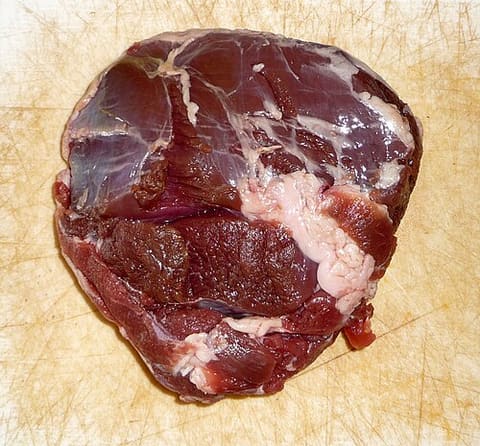
Meat from young sheep (mutton when older): rich, slightly gamey, central to Middle Eastern, South Asian and British cooking.
Also called: mutton
Around the world: kuzu eti (tr) · gosht (hi) · lahm (ar)
Photo: Unknown author, via Wikimedia Commons (CC-BY-SA-3.0)
What it is
Lamb is meat from sheep under about a year old; mutton is from older sheep and is darker, stronger and needs longer cooking. In South Asia 'mutton' often means goat. Leg and loin cuts are tender enough to roast or grill pink; shoulder, neck and shanks are fattier and suit slow cooking. Lamb fat has a distinctive flavour.
Ovis aries
How it’s used
- Slow-cooked curries, tagines and stews
- Roast leg or shoulder
- Kebabs, kofta and burgers from mince
- Grilled chops
- Rice dishes such as biryani, mansaf and plov
Characteristics
- Taste
- Rich, savoury and slightly gamey.
- When cooked
- Tender cuts are best pink; shoulder and shanks turn meltingly tender after long cooking.
- Sold as
- fresh, frozen
- Cooking uses
- Commonly cooked, Suitable for grilling, Suitable for frying, Suitable for boiling
Kinds in our pantry
Storage
Refrigerated. Keep raw lamb sealed on the bottom shelf of the fridge; freeze for longer storage.
Diet, allergens and safety
No major allergens in typical versions.
- Vegetarian
- Vegan
- Dairy-free
- Egg-free
- Gluten-free
- Nut-free
- Soy-free
- Caffeine-free
- Food-safety guidance for whole cuts of beef, lamb, veal and pork is 63 °C (145 °F) in the centre followed by a 3-minute rest; slow-cooked cuts are taken far higher for tenderness.
- Store raw meat sealed on the bottom shelf of the fridge and keep separate boards for raw meat and ready-to-eat food.
- Mincing spreads surface bacteria (including E. coli) through the meat: cook minced beef, pork, lamb and burgers to 71 °C (160 °F) in the centre, not rare.
Related ingredients
Recipes with lamb
See all 77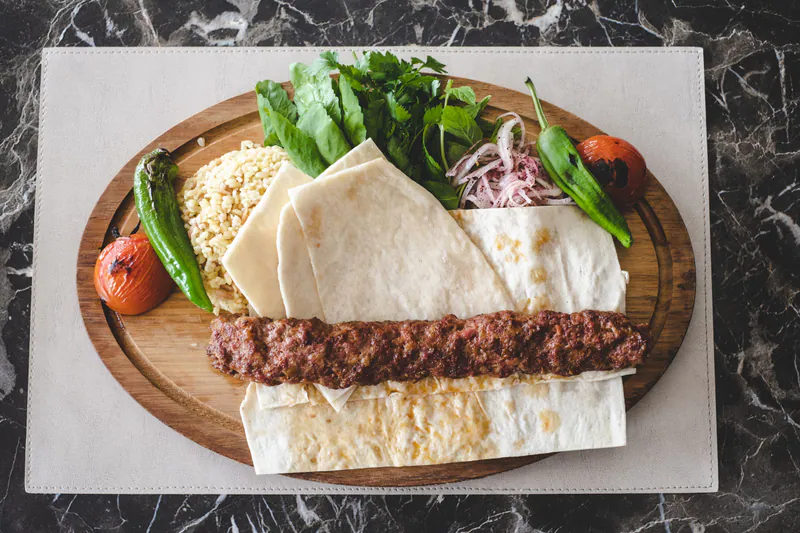
Adana kebab
 Turkish · 1 h 7 min · 438 kcal
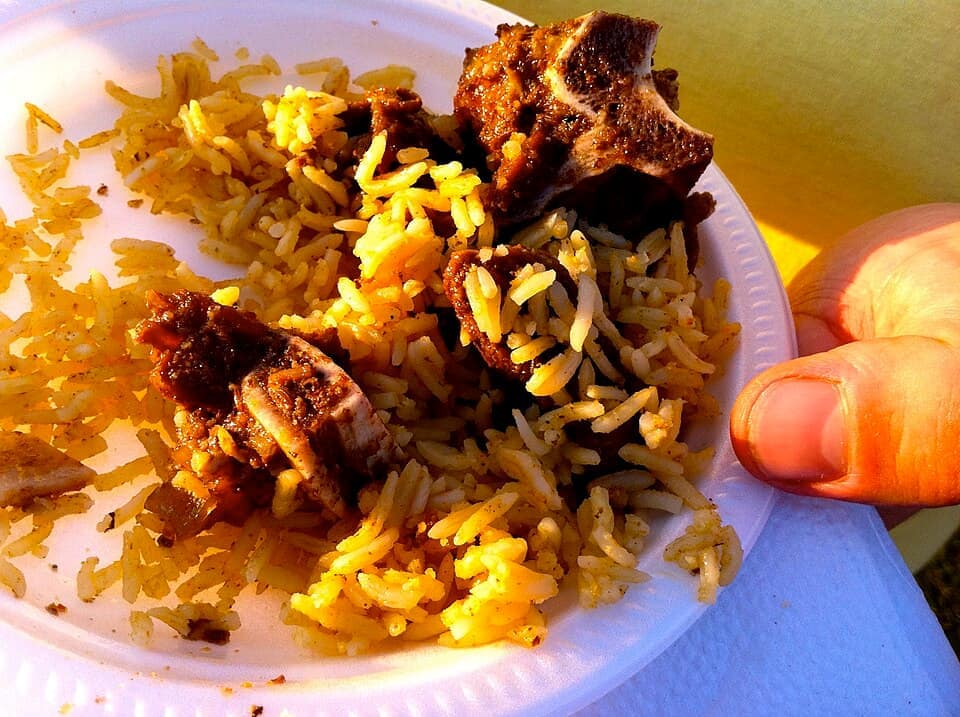
Bariis iskukaris
 Somali · 2 h · 609 kcal
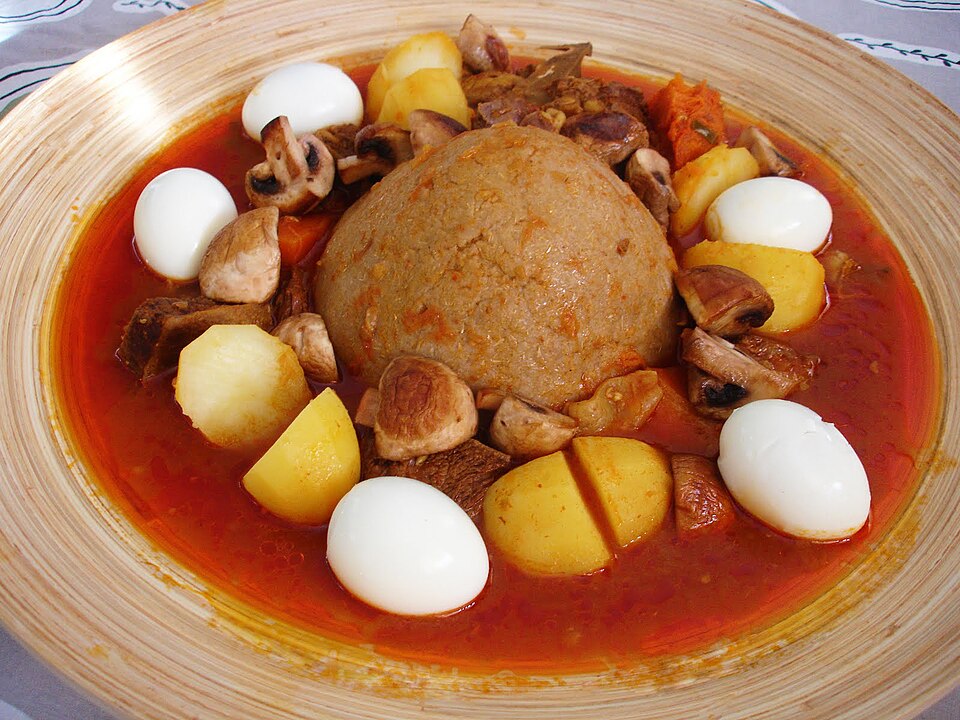
Bazeen
 Libyan · 2 h 5 min · 763 kcal
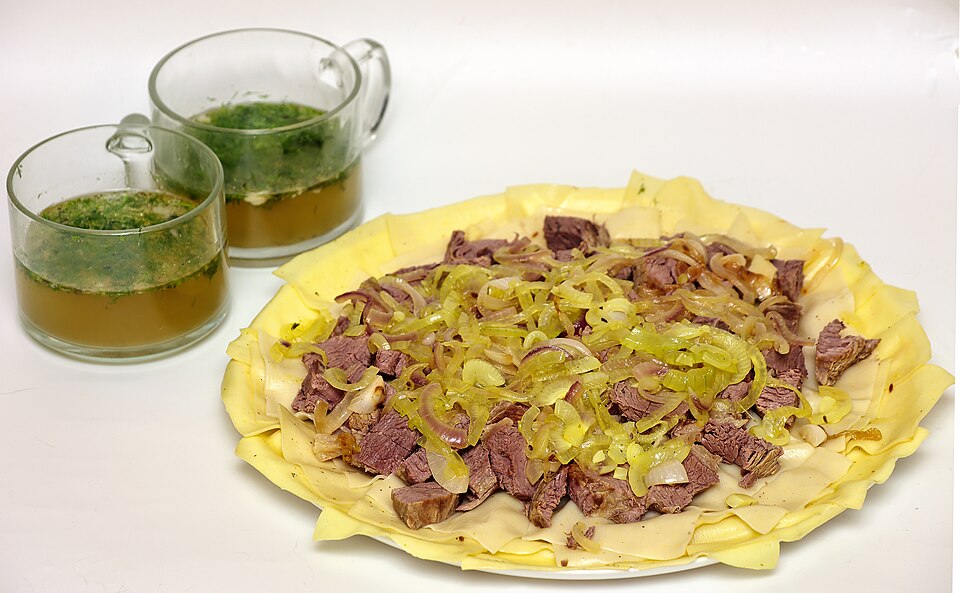
Beshbarmak
 Kazakh · 3 h 35 min · 671 kcal
Bosanski lonac (Bosnian pot)
 Bosnian · 3 h 35 min · 361 kcal
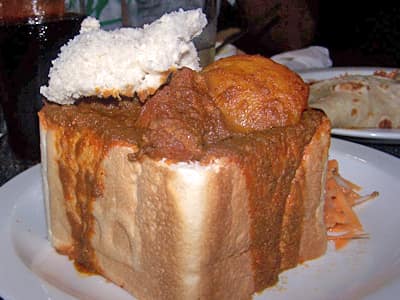
Bunny chow
 South African · 2 h · 1074 kcal
Buuz (Mongolian steamed dumplings)
 Mongolian · 1 h 40 min · 647 kcal
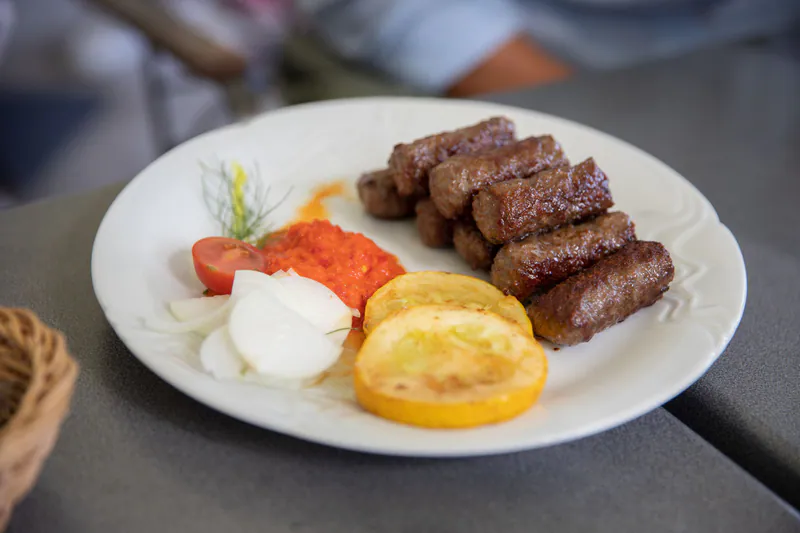
Ćevapi
Balkan · 1 h 32 min · 659 kcal
Chakhapuli
 Georgian · 1 h 50 min · 637 kcal
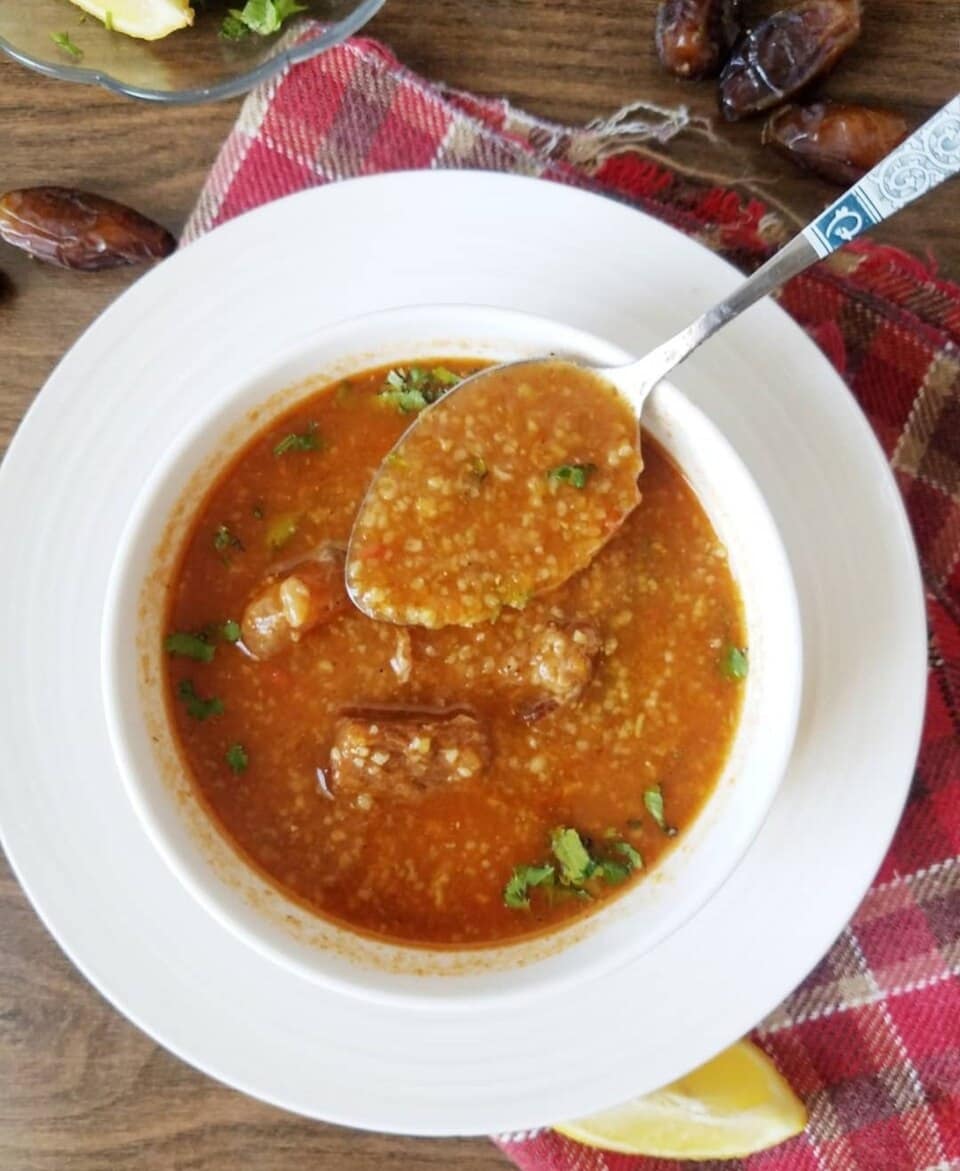
Chorba frik
 Algerian · 1 h 30 min · 388 kcal
Chuchvara
 Uzbek · 1 h 30 min · 599 kcal
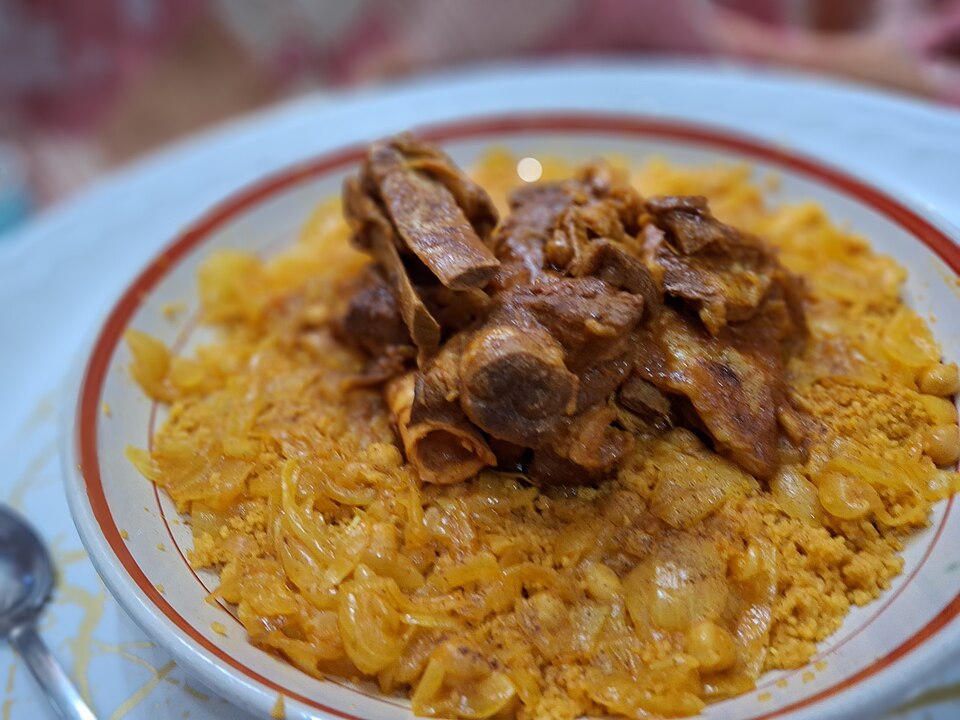
Couscous bil bosla
Libyan · 1 h 50 min · 711 kcal
65 more
- Couscous with seven vegetables · Moroccan
- Dimlama · Uzbek
- Dograma · Turkmen
- Düğün çorbası · Turkish
- Dushbara · Azerbaijani
- Fahsa · Yemeni
- Fakoye · Malian
- Fårikål · Norwegian
- Fried kibbeh · Syrian
- Gabout · Kuwaiti
- Ghormeh sabzi · Iranian
- Gutap · Turkmen
- Harees · Gulf Arab
- Harira · Moroccan
- Hünkar beğendi (lamb on smoky aubergine purée) · Turkish
- Ichlekli · Turkmen
- Imbakbaka · Libyan
- Irish stew · Irish
- İskender kebap · Turkish
- Kabuli pulao · Afghan
- Keema matar · Indian
- Khuushuur (Mongolian fried meat pastries) · Mongolian
- Kjötsúpa · Icelandic
- Kleftiko · Cypriot
- Kofta bil tahini · Jordanian
- Kuyrdak · Kazakh
- Lagman · Uzbek
- Lahmacun · Turkish
- Lamb machboos · Emirati
- Lamb peka · Croatian
- Lamb tagine with apricots · Moroccan
- Mansaf · Jordanian
- Margoog · Qatari
- Méchoui (Mauritanian roast lamb) · Mauritanian
- Moussaka · Greek
- Omani shuwa-style slow-roast lamb · Omani
- Oshi palov · Tajik
- Piti · Azerbaijani
- Potjiekos · Namibian
- Qidreh · Palestinian
- Rogan josh · Indian
- Saltah · Yemeni
- Samsa · Uzbek
- Scotch broth · British
- Seekh kebab · Pakistani
- Sfeeha · Lebanese
- Shah plov · Azerbaijani
- Shaiyah · Sudanese
- Shakriyeh · Syrian
- Shepherd's pie · British
- Shorba libiya · Libyan
- Shorwa · Afghan
- Shurpa · Uzbek
- Skoudehkaris · Djiboutian
- Tashreeb · Iraqi
- Tavë kosi (baked lamb with yogurt) · Albanian
- Tigadegena · Malian
- Tsuivan (Mongolian steamed noodles with meat) · Mongolian
- Uyghur polo (lamb and carrot pilaf) · Chinese
- Uzbek lamb shashlik · Uzbek
- Uzbek manti · Uzbek
- Uzbek plov · Uzbek
- Xinjiang cumin lamb skewers · Chinese
- Yarpaq dolması · Azerbaijani
- Zarb-style roast lamb and chicken · Jordanian
More lamb & goat
Lamb & goat
Ground lamb
Minced lamb, rich and fatty; used for kofta, keema, moussaka, kebabs and shepherd's pie.
18 recipes
Lamb & goat
Lamb shoulder
Rich, marbled lamb shoulder, bone-in or diced; ideal for slow roasts, curries, tagines and stews.
54 recipes
Lamb & goat
Leg of lamb
The classic roasting joint: leaner than shoulder, sold bone-in or boneless, also cut into steaks and kebab cubes.
5 recipes
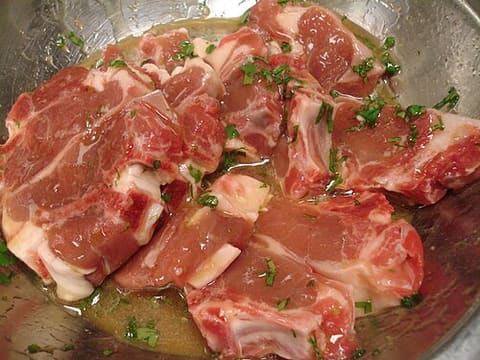
Lamb & goat
Goat meat
Lean, flavourful red meat, often bone-in; known as mutton in South Asia; for curries, stews and roasts.
19 recipes