
Seeds
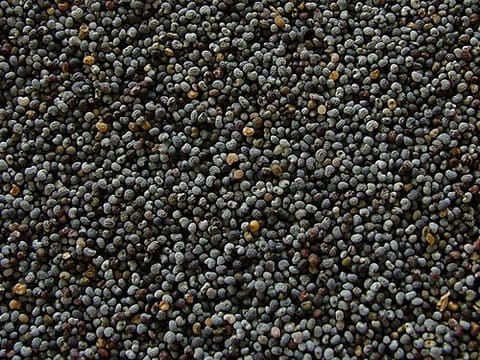
Poppy seeds
Papaver somniferum
Tiny blue-black or creamy white seeds with a nutty taste, used in baking and ground into Indian curry pastes.
Also called: khus khus, haşhaş, mak
- Nutty & toasty
- No heat
Photo: Odedr, via Wikimedia Commons (public-domain)
Flavour and aroma
mild, nutty, creamy when ground. Mild, nutty.
- Heat
- No heat
- Forms
- whole, ground
How to use it
soak
Soak in warm water for 30 minutes to 2 hours, then grind with a little water into a smooth paste. Grinding dry seed in a small mill also works for small amounts.
dry roast · Spice roasting (dry-roasting) technique
For some kurmas and Maharashtrian masalas, roast lightly over low heat for 1–2 minutes until just fragrant; they burn quickly.
- Bagels, rolls and lemon cakes
- Polish and Central European poppy-seed rolls
- Ground white poppy paste in kormas
- Bengali aloo posto
- Dressings
Identifying good quality
Indian poppy seed is tiny, creamy white and kidney-shaped. It should smell clean and nutty; rancid seed smells sharp or paint-like.
Origin and history
Origin: The eastern Mediterranean and western Asia.. Grown and used: White poppy seed (khus khus, posto) is used across India; seed for cooking is produced in India, Turkey and Europe..
White poppy seed is ground into pastes that thicken and enrich Mughlai kormas and South Indian kurmas. In Bengal, posto (poppy seed paste) dishes such as aloo posto are a staple; their spread is commonly linked to opium poppy cultivation in eastern India in the colonial period.
Commonly told; not firmly documented
In masalas, pastes and sauces
Recipes with poppy seeds
Afghan naan
 Afghan · 2 h 20 min · 344 kcal · Vegan
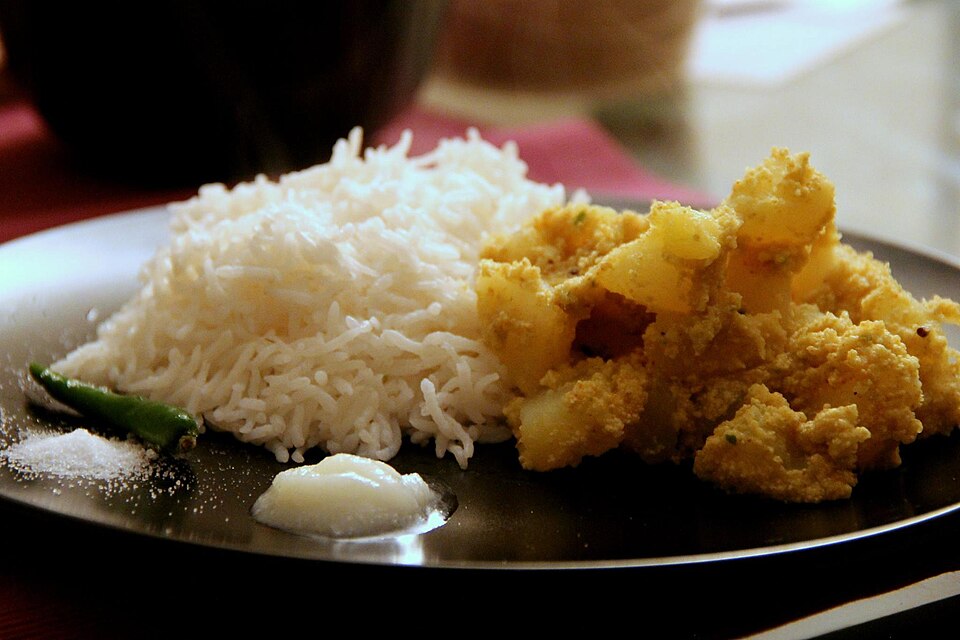
Aloo posto
 Bengali · 1 h 5 min · 281 kcal · Vegan
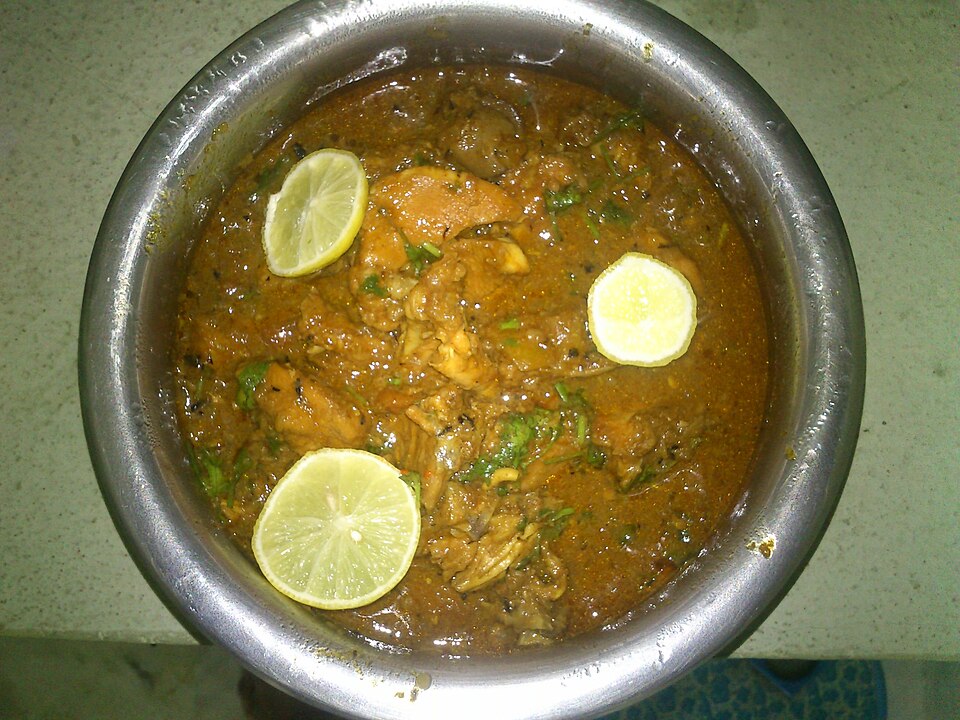
Andhra chicken curry
South Indian · 1 h · 351 kcal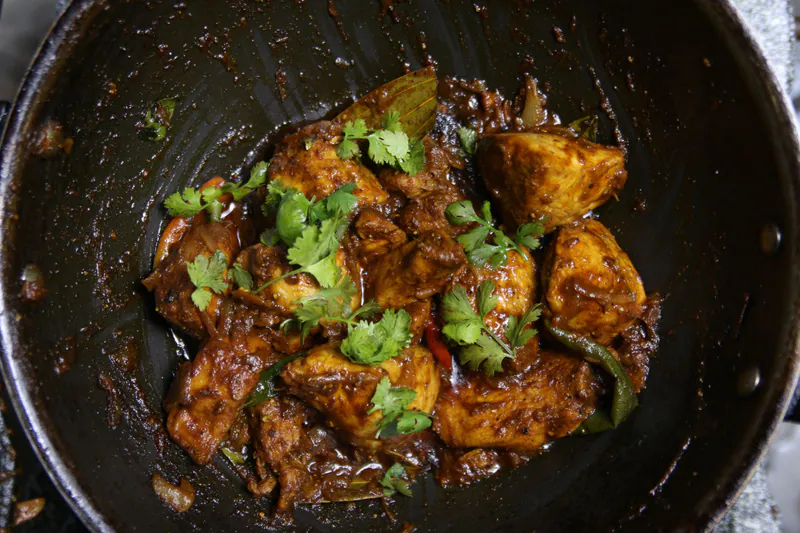
Chettinad chicken curry
South Indian · 1 h 5 min · 435 kcal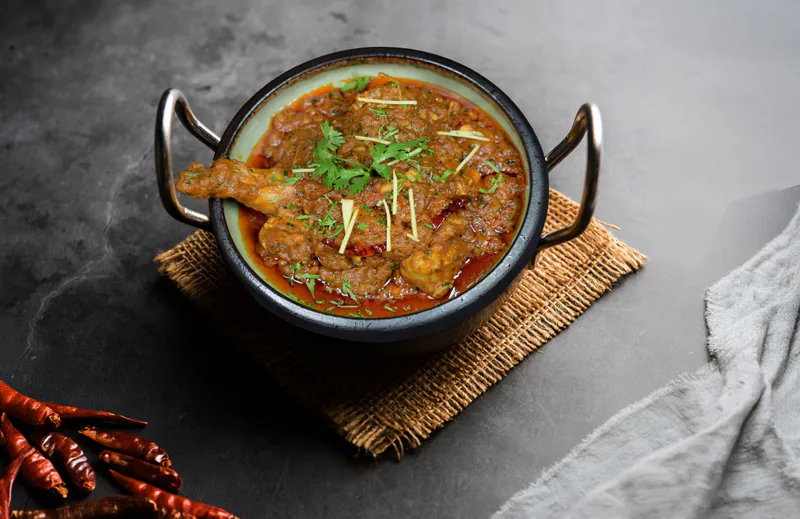
Kolhapuri chicken curry
Indian · 1 h 10 min · 454 kcalLokše
 Slovak · 1 h 40 min · 314 kcal · Vegetarian
New York-style bagels
 American · 14 h 45 min · 233 kcal · Vegetarian
Pandhra rassa
Indian · 1 h 20 min · 169 kcalThandai
Indian · 3 h 20 min · 263 kcal · Vegetarian