
Nature's Pantry
Nuts
Also: walnuts · almonds · tree nuts
A handful a day is linked with lower heart disease risk in large observational studies.
Overall evidence
Large, consistent observational studies; few long-term trials of hard outcomes.
Several trials or reviews point the same way, but studies are short, small, mixed in quality, mostly observational, or test concentrated forms rather than everyday food.
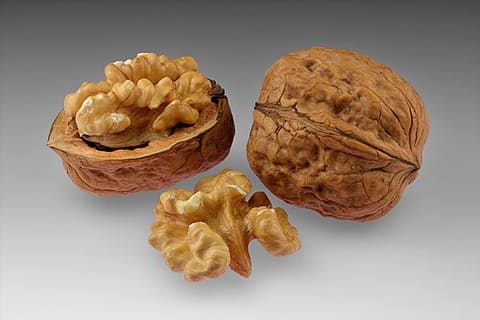
What it is
Tree nuts such as walnuts, almonds, hazelnuts and pistachios: energy-dense, rich in unsaturated fats, fibre and protein.
Traditional use
Tradition, not evidence: how cultures use it, not proof that it works.
India
Soaked almonds in the morning are a household habit for students before exams.
Persia and the Middle East
Nuts are central to celebration sweets and the Nowruz table.
Mediterranean
Walnuts and almonds are pounded into sauces such as tarator and romesco.
What the research says
Each claim graded on its own evidence.
Nuts and heart health
Evidence level: Moderate evidenceA 2016 meta-analysis of prospective studies found that each extra handful (28 g) of nuts a day was associated with lower rates of cardiovascular disease and of death from all causes. These are observational associations, so they cannot prove cause and effect.[1]
Nuts in a healthy diet
Evidence level: Strong evidenceThe WHO lists nuts among nutrient-dense foods and as a source of unsaturated fat.[2]
In food amounts
A small handful (around 20–30 g) as a snack or sprinkled over food.
We describe everyday cooking amounts only, never supplement doses.
Safety
- Babies and children
- Never give whole nuts to children under 5: they can choke. Crushed or ground nuts mixed into food can be given from around 6 months; spread nut butter on food rather than giving it on its own.[4]
- Allergies
- Tree nuts and peanuts are common, sometimes severe, allergens. Call 999 (or your local emergency number) for signs of a serious reaction.[3]
- Health conditions
- If you have had calcium oxalate kidney stones, your doctor may advise limiting nuts.[5]
If you take regular medicines, are pregnant or breastfeeding, or are cooking for a baby or someone who is unwell, check with a doctor, pharmacist or midwife before using any food or supplement for a health reason.
Sources
- [1] Nut consumption and risk of cardiovascular disease, total cancer, all-cause and cause-specific mortality: a systematic review and dose-response meta-analysis of prospective studies (Aune et al.) — BMC Medicine 14:207, 2016
- [2] Healthy diet — fact sheet — World Health Organization
- [3] Food allergy — NHS (UK)
- [4] Foods to avoid giving babies and young children — NHS (UK)
- [5] Eating, Diet, & Nutrition for Kidney Stones — US National Institute of Diabetes and Digestive and Kidney Diseases (NIDDK, NIH)
Sources were checked when this entry was written. Research changes; if you spot something out of date, please tell us.
Cook with nuts
Adjika (red chilli paste)
 Georgian · 1 h 20 min · 13 kcal · Vegan
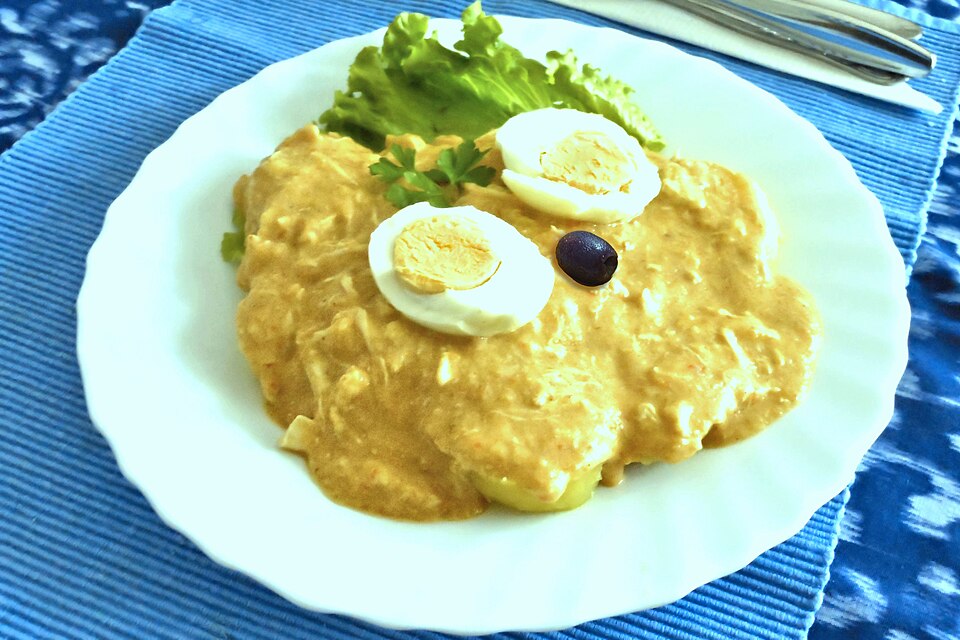
Ají de gallina
 Peruvian · 1 h 5 min · 553 kcal
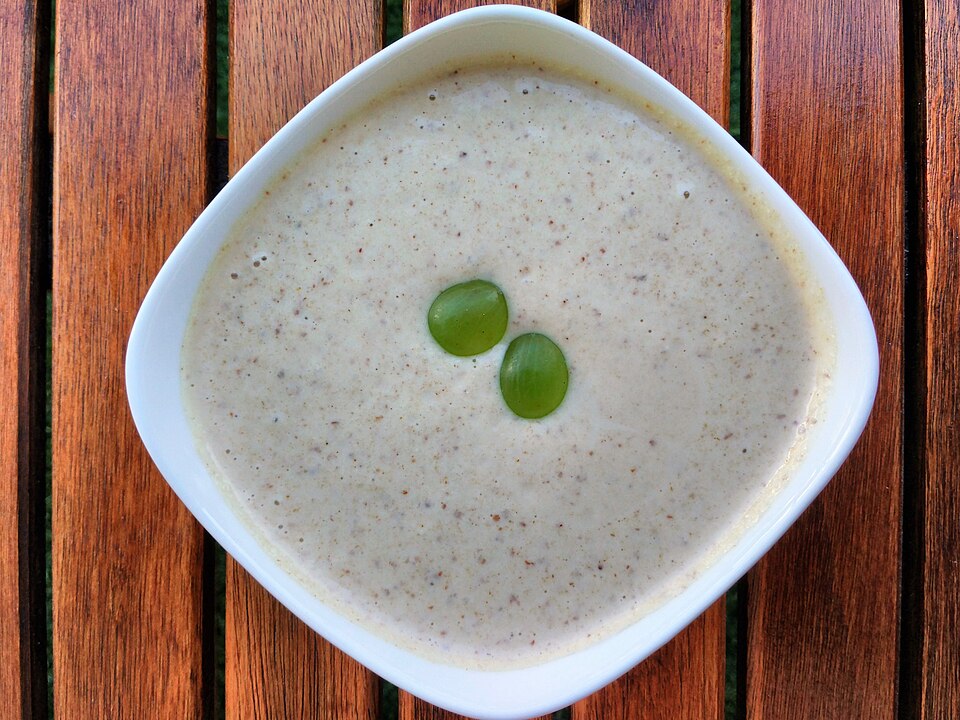
Ajo blanco
 Spanish · 2 h 15 min · 500 kcal · Vegan
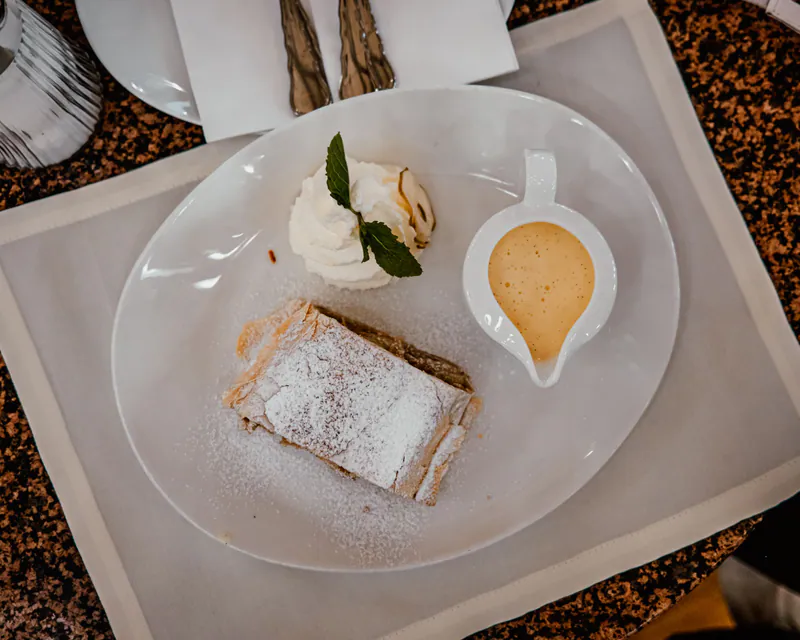
Apfelstrudel
 Austrian · 1 h 20 min · 289 kcal · Vegetarian
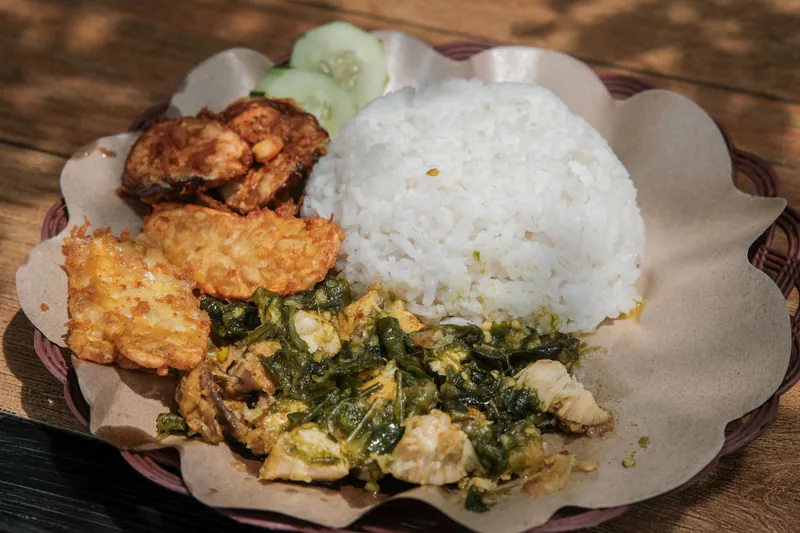
Ayam goreng kuning
 Indonesian · 1 h 10 min · 639 kcal
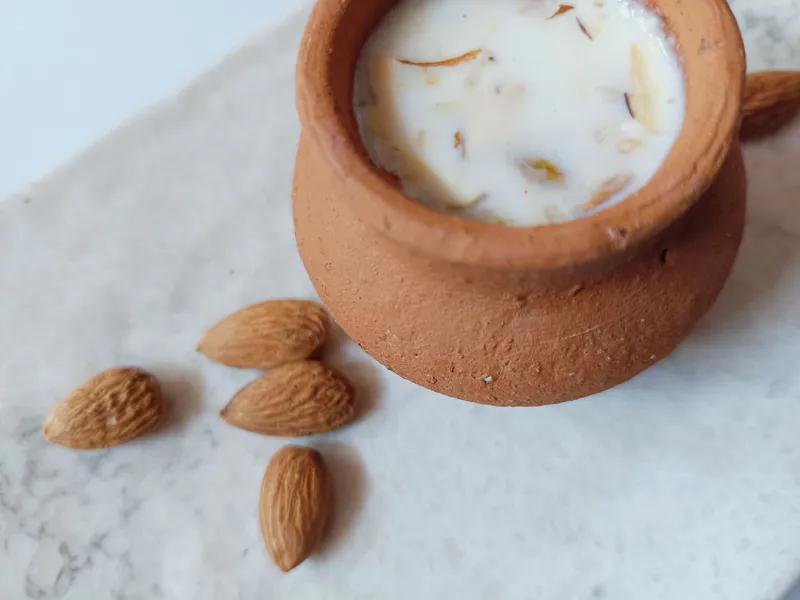
Badam milk
 Indian · 52 min · 255 kcal · Vegetarian
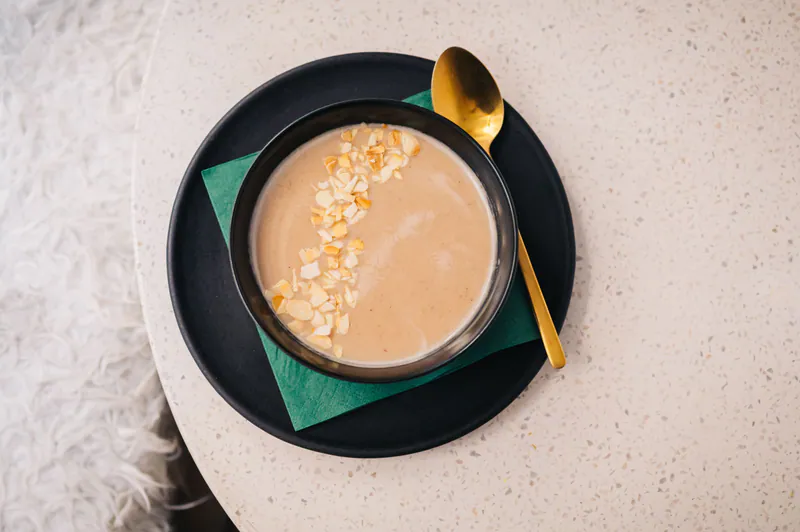
Badam shorba
Indian · 40 min · 237 kcal · Vegetarian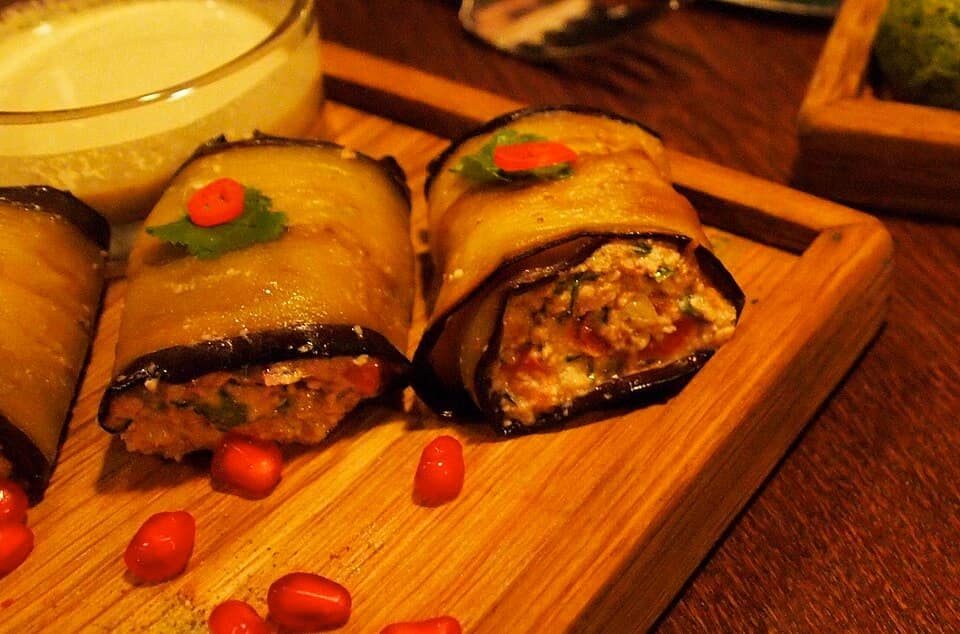
Badrijani nigvzit
Georgian · 1 h 15 min · 295 kcal · VeganBakewell tart
 British · 2 h 25 min · 423 kcal · Contains egg
125 more
- Baklava (pistachio) · Turkish
- Banana bread · American
- Besan ladoo · Indian
- Bircher muesli · Swiss
- Bobotie · Cape Malay
- Bumbu dasar merah (Indonesian red spice base) · Indonesian
- Butter chicken · Punjabi
- Cannoli siciliani · Italian
- Cantucci (biscotti di Prato) · Italian
- Carrot cake with cream cheese frosting · American
- Chana madra · Indian
- Chicken bastilla · Moroccan
- Chicken kabsa · Saudi Arabian
- Chicken korma · Indian
- Chicken mandi · Yemeni
- Chicken rezala · Bangladeshi
- Chiles en nogada · Mexican
- Chocolate Avocado Mousse · International
- Chocolate Banana Nice Cream · International
- Chocolate Chia Pudding · International
- Chocolate chip cookies · American
- Churchkhela · Georgian
- Chutney-e gashneez (Afghan green chutney) · Afghan
- Creamy Chicken Salad · International
- Danish pastries (spandauer) · Danish
- Dark Chocolate-Dipped Strawberries · International
- Dehrori (Chhattisgarhi rice fritters in syrup) · Indian
- Dolmadakia (rice-stuffed vine leaves) · Greek
- Doon chetin (Kashmiri walnut chutney) · Indian
- Dresden Christmas stollen · German
- Dry fruit paratha · Indian
- Dukkah with bread and olive oil · Egyptian
- Egyptian dukkah · Egyptian
- Fatayer bi sabanekh (spinach triangles) · Lebanese
- Fattet hummus · Levantine
- Fesenjan · Iranian
- Financiers (brown-butter almond cakes) · French
- Firni · Afghan
- Fried kibbeh · Syrian
- Fudgy chocolate brownies · American
- Gajar ka halwa · Punjabi
- Galayet bandora · Jordanian
- Galette des rois · French
- Gavurdağı salatası · Turkish
- Georgian tomato and cucumber salad with walnuts · Georgian
- Ghapama · Armenian
- Greek Yogurt Berry Parfait · International
- Green spinach and banana smoothie · International
- Gulab jamun · Indian
- Gulai kambing · Indonesian
- Halwa puri · Pakistani
- Homemade Honey Nut Granola · International
- Hyderabadi marag · Indian
- Jallab · Levantine
- Kabuli pulao · Afghan
- Kashk-e bademjan · Iranian
- Kashmiri chai · Pakistani
- Kashmiri kahwa · Indian
- Kerala plum cake (alcohol-free) · Indian
- Khoya paratha · Indian
- Kibbeh bil sanieh · Lebanese
- Knafeh · Palestinian
- Kofta bil tahini · Jordanian
- Kubbat halab · Iraqi
- Kuku sabzi · Iranian
- Lamb tagine with apricots · Moroccan
- Lobio · Georgian
- Loukoumades · Greek
- Makhani gravy · Punjabi
- Malabi · Israeli
- Malai kofta · Indian
- Mango lassi · Punjabi
- Mansaf · Jordanian
- Maqluba · Palestinian
- Masala doodh · Indian
- Mast-o-khiar · Iranian
- Mole poblano · Mexican
- Muhammara · Syrian
- Musakhan · Palestinian
- Nanaimo bars · Canadian
- Nankhatai · Indian
- Opor ayam · Indonesian
- Pandhra rassa · Indian
- Pasta con le sarde · Italian
- Pecan pie · Southern US
- Peshawari kahwa · Pakistani
- Pesto alla genovese · Italian
- Pesto Pasta with Peas · International
- Pistachio latte · International
- Piyush · Indian
- Potica (walnut roll) · Slovenian
- Rice kheer · Indian
- Roasted cauliflower soup · International
- Romesco sauce · Spanish
- Rose falooda · Indian
- Roz bel laban (Egyptian rice pudding) · Egyptian
- Saenggang-cha · Korean
- Salep · Turkish
- Satsivi · Georgian
- Sayur lodeh · Indonesian
- Sfeeha · Lebanese
- Sfouf · Lebanese
- Shahi paneer · Indian
- Sheer khurma · Pakistani
- Shemai · Bangladeshi
- Sholeh zard · Iranian
- Sikhye (Korean sweet rice drink) · Korean
- Skordalia · Greek
- Sooji halwa · Indian
- Soto ayam · Indonesian
- Spinach pkhali · Georgian
- Tarator · Balkan
- Tarta de Santiago · Spanish
- Tarte au citron (French lemon tart) · French
- Thandai · Indian
- Torta caprese (chocolate almond cake) · Italian
- Trofie al pesto with potatoes and green beans · Italian
- Tufahija (walnut-stuffed poached apples) · Bosnian
- Turkish walnut tarator · Turkish
- Upma · South Indian
- Vatapá · Brazilian
- Waldorf salad · American
- Watalappan · Sri Lankan
- Yakgwa (Korean honey cookies) · Korean
- Zereshk polo ba morgh · Iranian
Showing 9 of 134 recipes.
More from Nature's Pantry
- Amla (Indian gooseberry)Evidence level: Limited or early evidence
- BarleyEvidence level: Strong evidence
- Beans, lentils and chickpeasEvidence level: Moderate evidence
- BeetrootEvidence level: Moderate evidence
- Citrus fruitEvidence level: Evidence against
- Cocoa and dark chocolateEvidence level: Strong evidence