
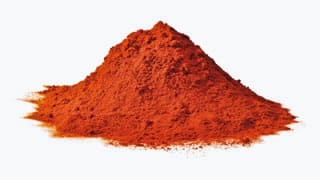
Dried chillies
Paprika
Capsicum annuum
Ground dried red peppers, from sweet and mild to hot or smoked; adds colour and gentle pepper flavour.
Also called: sweet paprika, smoked paprika, pimentón, tatlı toz biber
- Fruity & sour
- Earthy
- Very mild
Photo: Marcosgarrido88, via Wikimedia Commons (CC-BY-SA-3.0)
Flavour and aroma
sweet, fruity, earthy, slightly bitter if burnt. Sweet, fruity pepper; mild unless labelled hot.
- Heat
- Very mild
- Forms
- ground
How to use it
bloom in fat · Tadka (tempering) technique
Stir into warm, not smoking, fat off the heat or over low heat for 15–30 seconds, then add liquid at once. Paprika's sugars scorch quickly and turn bitter; Hungarian cooks take the pot off the heat before adding it to goulash.
use raw
Dust over devilled eggs, potatoes, hummus or fish as a finishing spice.
- Hungarian goulash and chicken paprikash
- Spanish chorizo, patatas bravas and paella
- Turkish dishes and dips
- Rubs and roasted vegetables
- Colouring oils and dressings
Identifying good quality
A fine powder from bright red (sweet) to brick red; hot paprika may be more orange-red. It should smell sweet and peppery. Brown, dull paprika is stale. Labels to know: sweet (édesnemes, dulce), half-sweet (agridulce), hot (csípős, picante).
- Not to be confused with Smoked paprika: Smoked paprika is made from oak-smoked peppers and smells strongly of smoke.
- Not to be confused with Cayenne / chilli powder: Cayenne is much hotter and more orange.
- Not to be confused with Kashmiri chilli powder: Kashmiri chilli powder is deeper red and a little hotter.
Origin and history
Origin: Capsicum is native to the Americas; paprika as a ground spice was developed in Hungary and Spain.. Grown and used: Grown in Hungary (Szeged, Kalocsa), Spain, Serbia, China, Peru and elsewhere; used across Central Europe, the Balkans, Spain, Portugal and Turkey..
Chillies reached Europe after 1492 and spread through Spain and the Ottoman lands. By the 18th–19th centuries Hungary had developed paprika into its national spice, graded from sweet (édesnemes) to hot (csípős). In the 1930s the Hungarian scientist Albert Szent-Györgyi isolated large amounts of vitamin C from Szeged paprika peppers, work recognised by the 1937 Nobel Prize.
Well documented
In masalas, pastes and sauces
- Berbere spice blendMasala15 g per batch
- Ras el hanoutMasala6 g per batch
- Cajun seasoningMasala15 g per batch
- Tex-Mex chili powderMasala6 g per batch
- HummusSauce0.6 g per batch
- ZaaloukSauce3.4 g per batch
- Msabbaha (warm whole-chickpea hummus)Sauce1 g per batch
- Roasted red pepper hummusSauce2 g per batch
- Amba (Iraqi mango pickle sauce)Sauce3 g per batch
- Homemade tomato ketchupSauce1 g per batch
- Romesco sauceSauce1.1 g per batch
- Mojo picón (Canarian red mojo)Sauce2.3 g per batch
- Kansas City-style barbecue sauceSauce6.8 g per batch
- Thousand Island dressingSauce0.6 g per batch
- ChimichurriSauce2.3 g per batch
- Peri-peri sauceSauce2.3 g per batch
- ChermoulaSauce3.4 g per batch
Recipes with paprika
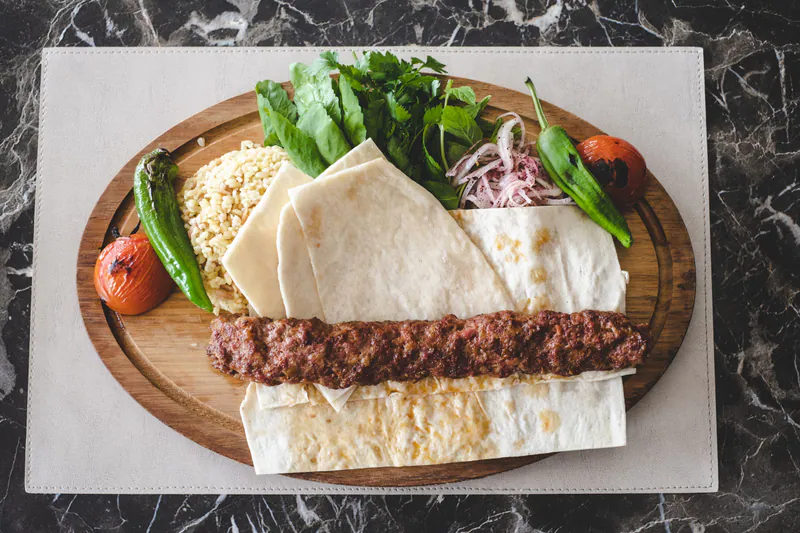
Adana kebab
 Turkish · 1 h 7 min · 438 kcal
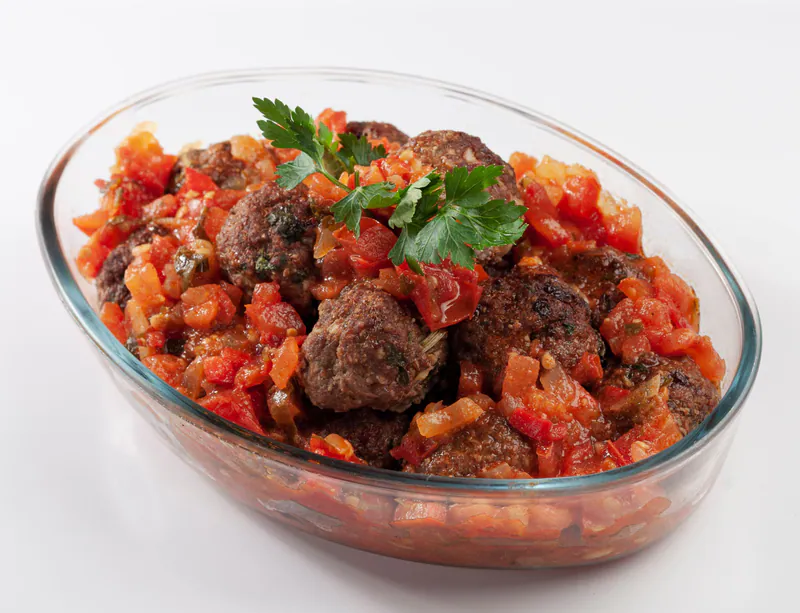
Albóndigas en salsa
 Spanish · 1 h 5 min · 560 kcal
Amba (Iraqi mango pickle sauce)
 Iraqi · 72 h 45 min · 39 kcal · Vegan
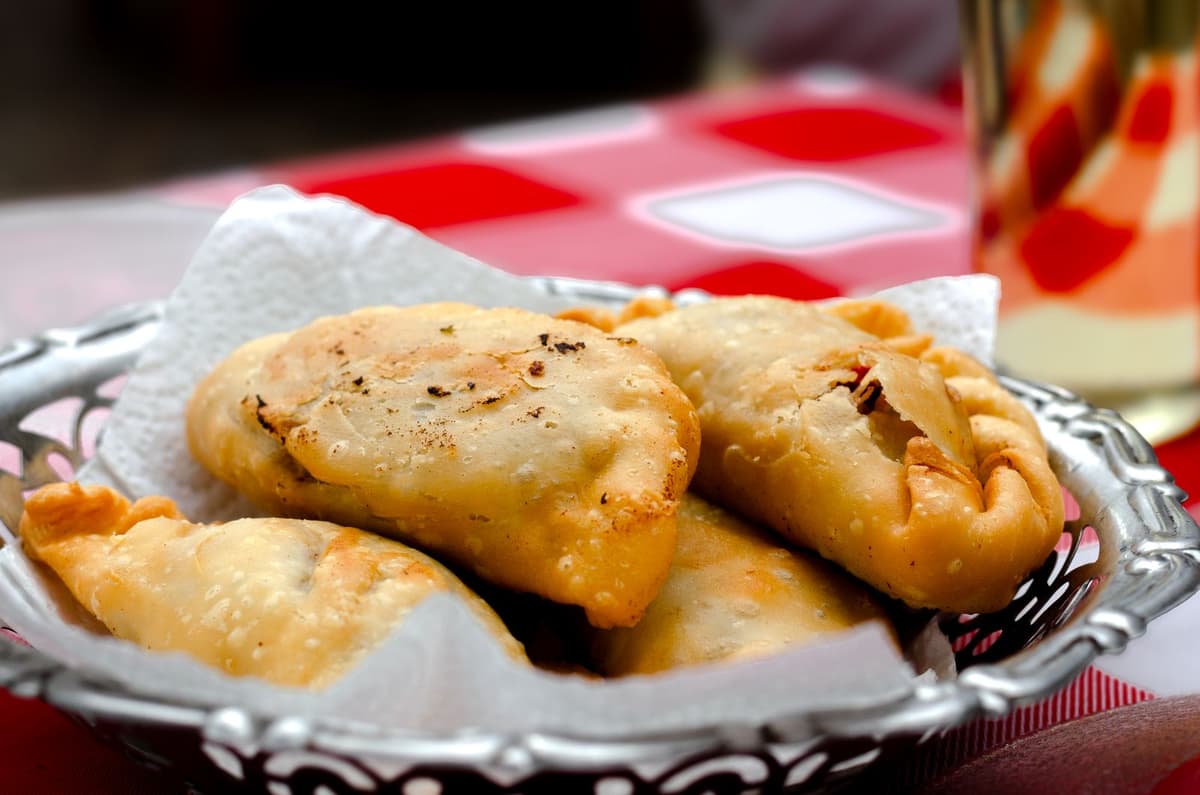
Baked beef empanadas
 Argentine · 2 h 20 min · 498 kcal
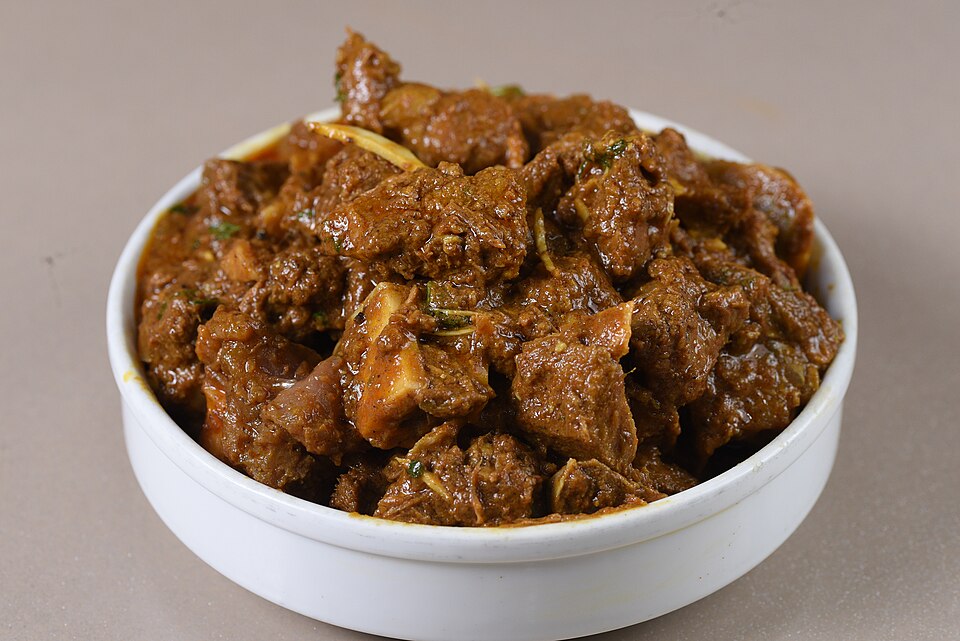
Bangladeshi beef bhuna
 Bangladeshi · 2 h 20 min · 369 kcal
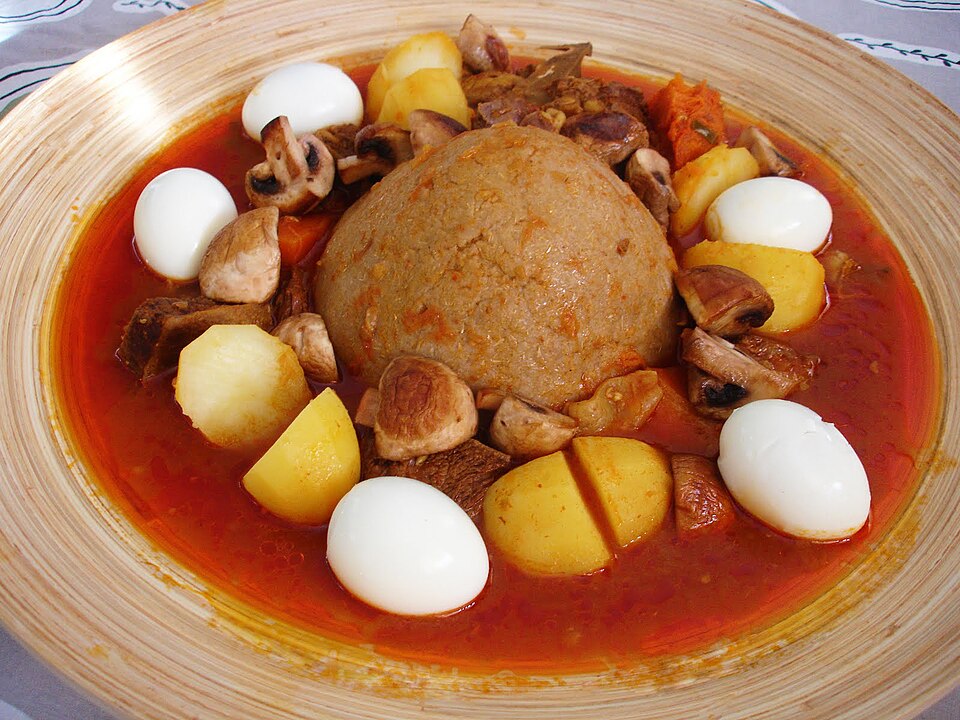
Bazeen
 Libyan · 2 h 5 min · 763 kcal
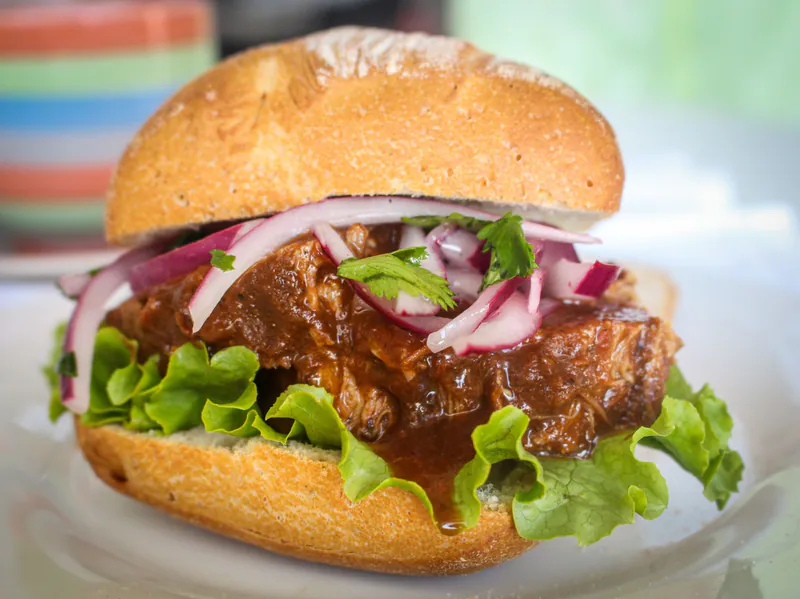
BBQ pulled pork
 Southern US · 6 h 5 min · 680 kcal
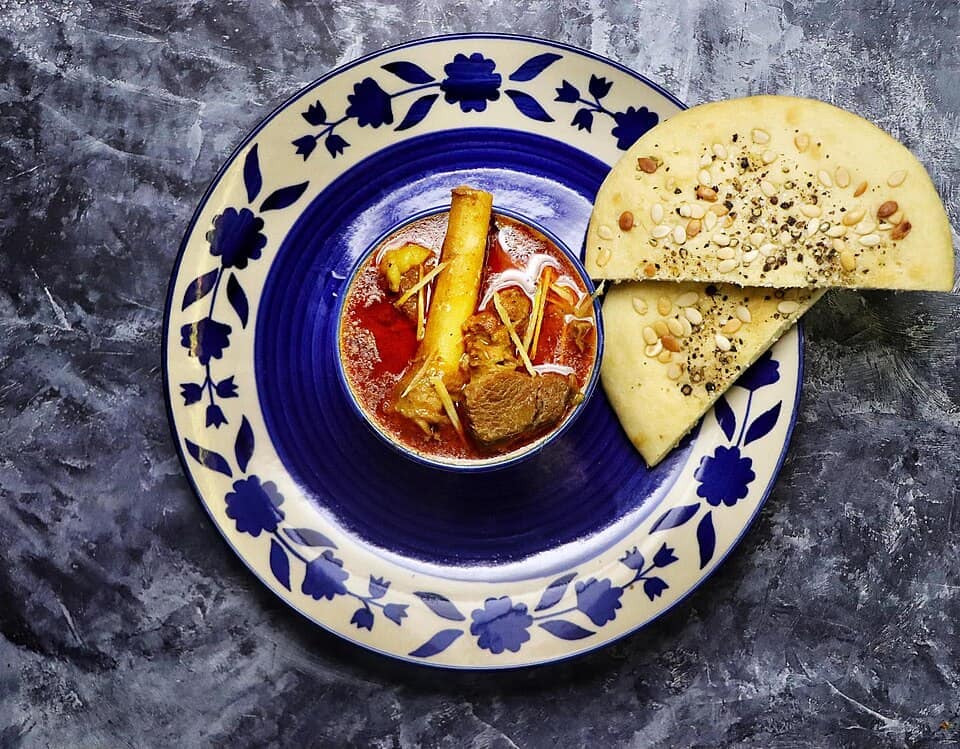
Beef nihari
 Pakistani · 4 h 40 min · 375 kcal
Bifana
 Portuguese · 2 h 25 min · 460 kcal
114 more
- Bissara · Moroccan
- Black bean tacos · Mexican
- Brown stew chicken · Jamaican
- Bún bò Huế · Vietnamese
- Burmese chicken curry · Burmese
- Burmese pork curry · Burmese
- Carne de porco à alentejana · Portuguese
- Ćevapi · Balkan
- Chakhokhbili · Georgian
- Chermoula · Moroccan
- Chicken and andouille gumbo · Southern US
- Chicken and waffles · Southern US
- Chicken paprikash · Hungarian
- Chicken shawarma · Levantine
- Chicken souvlaki · Greek
- Chicken tikka masala · Indian
- Chimichurri · Argentine
- Chorba frik · Algerian
- Çılbır · Turkish
- Corn fritters · New Zealand
- Couscous bil bosla · Libyan
- Currywurst · German
- Devilled eggs · American
- Düğün çorbası · Turkish
- Eech · Armenian
- Empanadas salteñas · Argentine
- Espinacas con garbanzos · Spanish
- Ezogelin çorbası · Turkish
- Fabada asturiana · Spanish
- Fattet hummus · Levantine
- Francesinha · Portuguese
- Frango à zambeziana · Mozambican
- Grilled Garlic Prawn Skewers · Mediterranean
- Gulyásleves (Hungarian goulash soup) · Hungarian
- Hawawshi · Egyptian
- Hearty Lentil and Vegetable Soup · International
- Homemade tomato ketchup · American
- Huevos rotos (broken eggs over fried potatoes) · Spanish
- Hummus · Levantine
- Imbakbaka · Libyan
- Izgara köfte · Turkish
- Jägerschnitzel · German
- Jamaican beef patties · Jamaican
- Jambalaya · Southern US
- Jota (sauerkraut and bean stew) · Slovenian
- Kansas City-style barbecue sauce · American
- Kapana · Namibian
- Kapustnica · Slovak
- Kare-kare · Filipino
- Karnıyarık · Turkish
- Kavarma (pork and vegetable clay pot) · Bulgarian
- Kefta tagine with eggs · Moroccan
- Khorovats · Armenian
- Kilishi · Nigerien
- Klepe (Bosnian meat dumplings) · Bosnian
- Kosksi bil hout · Tunisian
- Kuru fasulye · Turkish
- Lablabi · Tunisian
- Lahmacun · Turkish
- Lahori chargha · Pakistani
- Lecsó · Hungarian
- Locro · Argentine
- Loubia (Maghrebi white bean stew) · Algerian
- Macaroni and cheese · American
- Méchoui (Mauritanian roast lamb) · Mauritanian
- Mhadjeb · Algerian
- Mici · Romanian
- Mishkak · Omani
- Mohinga · Burmese
- Mojo picón (Canarian red mojo) · Spanish
- Moroccan carrot salad · Moroccan
- Mozambican peri-peri prawns · Mozambican
- Msabbaha (warm whole-chickpea hummus) · Levantine
- Ohn no khao swe · Burmese
- Omani shuwa-style slow-roast lamb · Omani
- Paella valenciana · Spanish
- Pastel de choclo · Chilean
- Pastrmajlija · Macedonian
- Patatas bravas · Spanish
- Peri-peri sauce · Mozambican
- Piri-piri chicken · Portuguese
- Pljeskavica · Serbian
- Pollo a la brasa · Peruvian
- Pork gyros pita · Greek
- Porotos granados · Chilean
- Potjiekos · Namibian
- Prebranac (baked beans with onions) · Serbian
- Pulpo a la gallega · Spanish
- Raclette · Swiss
- Rakott krumpli · Hungarian
- Roasted red pepper and tomato soup · International
- Roasted red pepper hummus · International
- Romesco sauce · Spanish
- Salteñas · Bolivian
- Sarma (sour cabbage rolls) · Serbian
- Sarmale · Romanian
- Selsko meso (village-style pork) · Macedonian
- Sertéspörkölt · Hungarian
- Shakshuka · Tunisian
- Shan noodles · Burmese
- Sheet-Pan Chicken and Vegetables · International
- Shish tawook · Lebanese
- Shorba libiya · Libyan
- Shrimp and grits · Southern US
- Sopa de ajo · Spanish
- Southern fried chicken · Southern US
- Suya · Nigerian
- Tavče gravče · Macedonian
- Thousand Island dressing · American
- Three-Bean Vegetable Chili · International
- Töltött káposzta · Hungarian
- Warm roasted vegetable and chickpea salad · International
- Zaalouk · Moroccan
- Zarb-style roast lamb and chicken · Jordanian