
Oils & fats · Animal fats
Lard
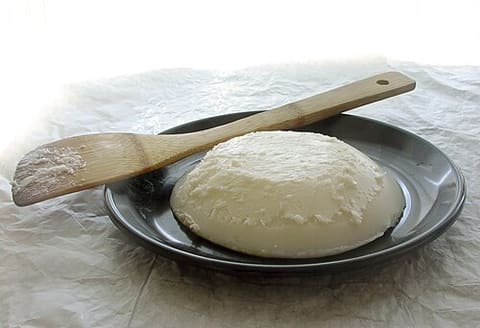
Rendered pork fat: white, soft and mild, prized for flaky pastry, tamales and frying.
Also called: pork fat, manteca, smalec
Photo: Peter G Werner, via Wikimedia Commons (CC-BY-2.5)
What it is
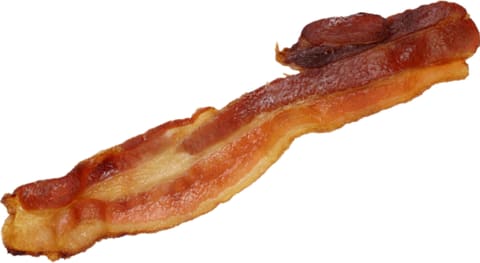
Lard is pork fat that has been rendered (melted and strained). It is soft and white at room temperature with a mild, slightly porky taste; leaf lard from around the kidneys is the cleanest-tasting. It is distinct from bacon fat, which is smoky and salty, and from beef tallow, which is harder.
How it’s used
- Flaky pie crusts and biscuits
- Tamales and Mexican refried beans
- Frying and confit
- Polish and Central European pastries and spreads
Characteristics
Storage
Refrigerated. Keep covered in the fridge, or freeze. Off lard smells sour or rancid.
Diet, allergens and safety
No major allergens in typical versions.
- Vegetarian
- Vegan
- Dairy-free
- Egg-free
- Gluten-free
- Nut-free
- Soy-free
- Caffeine-free
- A pork product: not suitable for halal, kosher or vegetarian diets.
Nutrition per 100 g
- Energy
- 902 kcal
- Protein
- 0 g
- Carbohydrate
- 0 g
- Fat
- 100 g
- Fibre
- 0 g
- Sugars
- 0 g
USDA FoodData Central: Lard.
Substitutes
Optional — what works if you don’t have it, and how it changes the dish.
- Vegetable shortening — One-for-one in pastry and frying; no pork flavour.
- Butter — Use a little more by weight; pastry is richer, less flaky.
Related ingredients
Recipes with lard
See all 28Baleadas
 Honduran · 1 h 10 min · 433 kcal
Bannock
 Canadian · 30 min · 311 kcal
Bifana
 Portuguese · 2 h 25 min · 460 kcal
Bolillos (Mexican crusty rolls)
 Mexican · 2 h 52 min · 247 kcal
Cannoli siciliani
 Italian · 2 h 30 min · 205 kcal
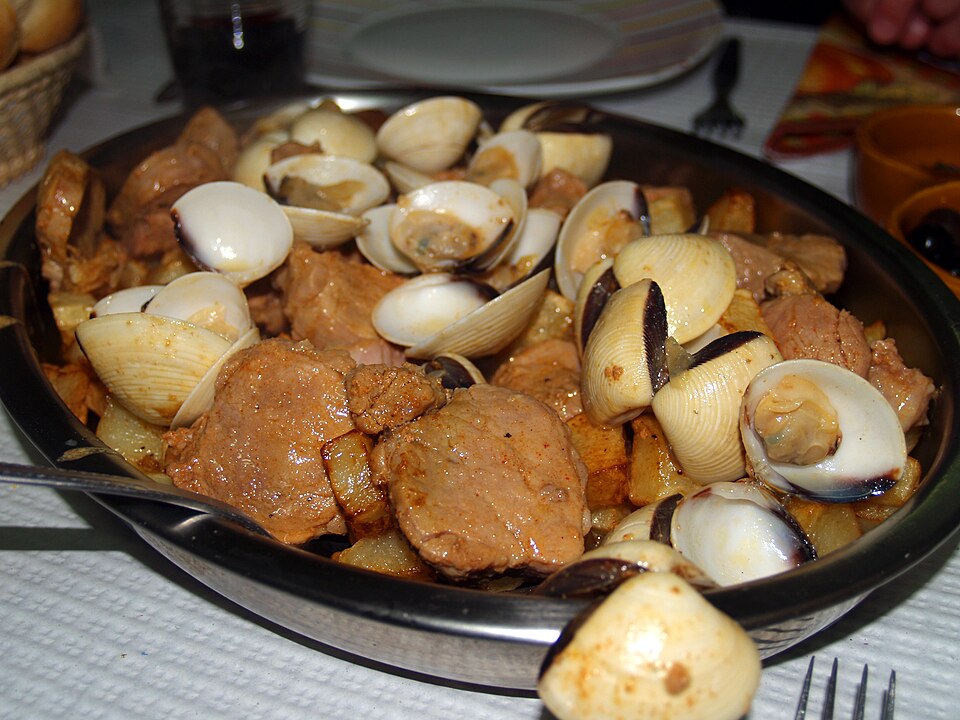
Carne de porco à alentejana
Portuguese · 1 h 5 min · 798 kcal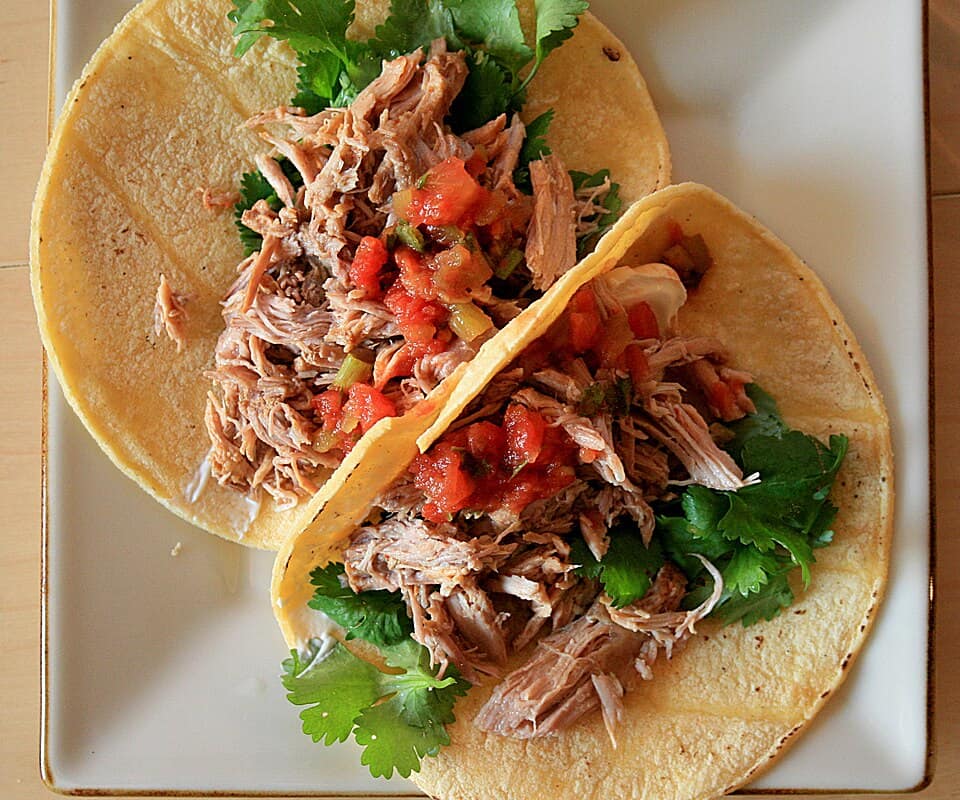
Carnitas
Mexican · 3 h 10 min · 611 kcal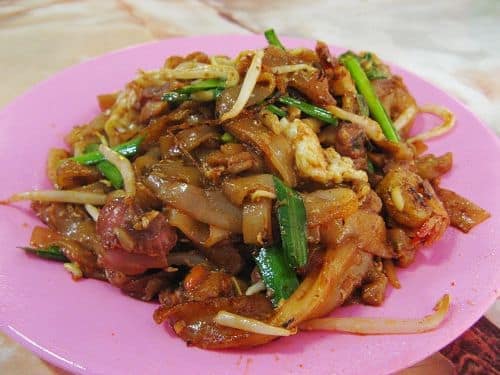
Char kway teow
 Malaysian · 35 min · 886 kcal
Chuchitos
 Guatemalan · 2 h 5 min · 524 kcal
Cornish pasty
 British · 2 h 5 min · 808 kcal
Empanadas salteñas
 Argentine · 2 h 25 min · 505 kcal
Flour tortillas
Mexican · 1 h 15 min · 163 kcal
16 more
- Frijoles de olla · Mexican
- Gulyásleves (Hungarian goulash soup) · Hungarian
- Hallacas · Venezuelan
- Kapustnica · Slovak
- Kotlet schabowy · Polish
- Kranjska klobasa with sauerkraut · Slovenian
- Mole poblano · Mexican
- Nacatamal · Nicaraguan
- Sertéspörkölt · Hungarian
- Tamales de rajas con queso · Mexican
- Tangyuan (black sesame rice balls in ginger syrup) · Chinese
- Tlayudas · Mexican
- Töltött káposzta · Hungarian
- Torta frita · Uruguayan
- Tourtière · Canadian
- Vepřo knedlo zelo · Czech