
Dried chillies
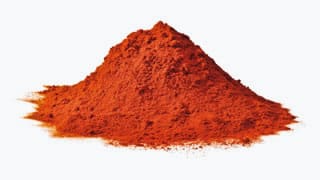
Smoked paprika
Capsicum annuum
Spanish pimentón: paprika from peppers smoked over oak, with a deep red colour and strong smoky taste.
Also called: pimentón de la vera, pimenton ahumado
- Smoky & roasted
- Fruity & sour
- Very mild
Photo: Marcosgarrido88, via Wikimedia Commons (CC-BY-SA-3.0)
Flavour and aroma
smoky, sweet, rich, earthy. Smoky, sweet or hot pepper.
- Heat
- Very mild
- Forms
- ground
How to use it
bloom in fat · Tadka (tempering) technique
Warm in olive oil over low heat for 10–20 seconds before adding tomato or liquid; it burns quickly and turns acrid.
use raw
Sprinkle over potatoes, eggs, octopus (pulpo a la gallega) or hummus to finish.
- Chorizo, paella and patatas bravas
- Smoky stews and bean dishes
- Barbecue rubs
- Roasted vegetables and eggs
- Vegetarian dishes for a bacon-like note
Identifying good quality
Deep, brick-red powder with an unmistakable wood-smoke smell. Spanish tins say dulce (sweet), agridulce (bittersweet) or picante (hot); the DOP seal guarantees La Vera origin.
- Not to be confused with Paprika: Ordinary paprika is not smoked.
- Not to be confused with Chipotle chile (dried): Ground chipotle is also smoky but much hotter and earthier.
Origin and history
Origin: Spain, especially the La Vera valley in Extremadura and Murcia.. Grown and used: Produced mainly in Spain; used widely in Spanish cooking and in modern Western cooking..
Peppers reached Spain in the late 15th century. In the La Vera valley the damp autumn climate led growers to dry them over slow oak fires, producing pimentón de la Vera, now a protected designation of origin. It gives chorizo, sobrasada and many Spanish stews their colour and smoky flavour.
Commonly told; not firmly documented
In masalas, pastes and sauces
Recipes with smoked paprika
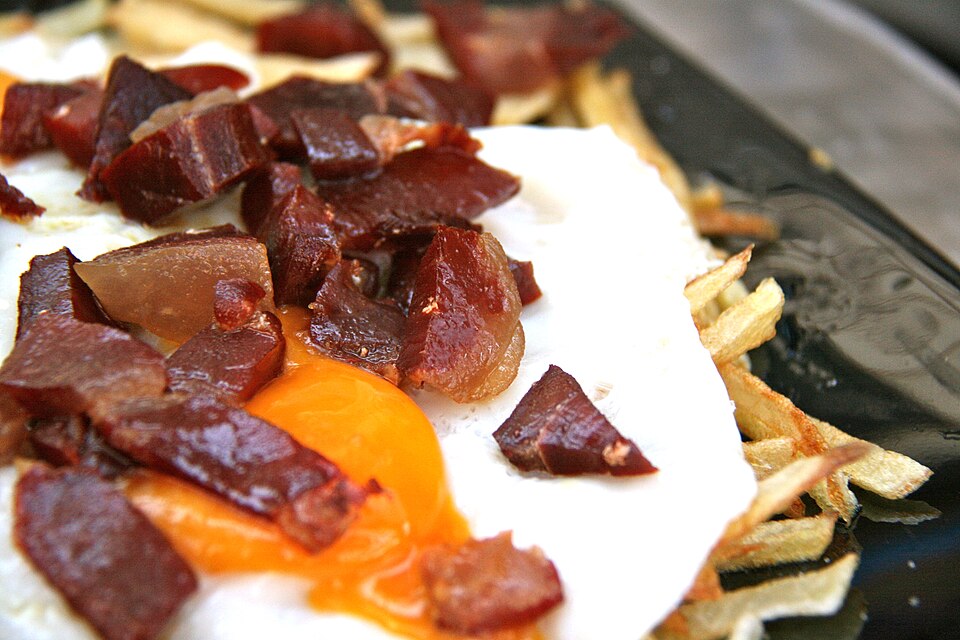
Huevos rotos (broken eggs over fried potatoes)
 Spanish · 35 min · 671 kcal
Kansas City-style barbecue sauce
 American · 35 min · 50 kcal
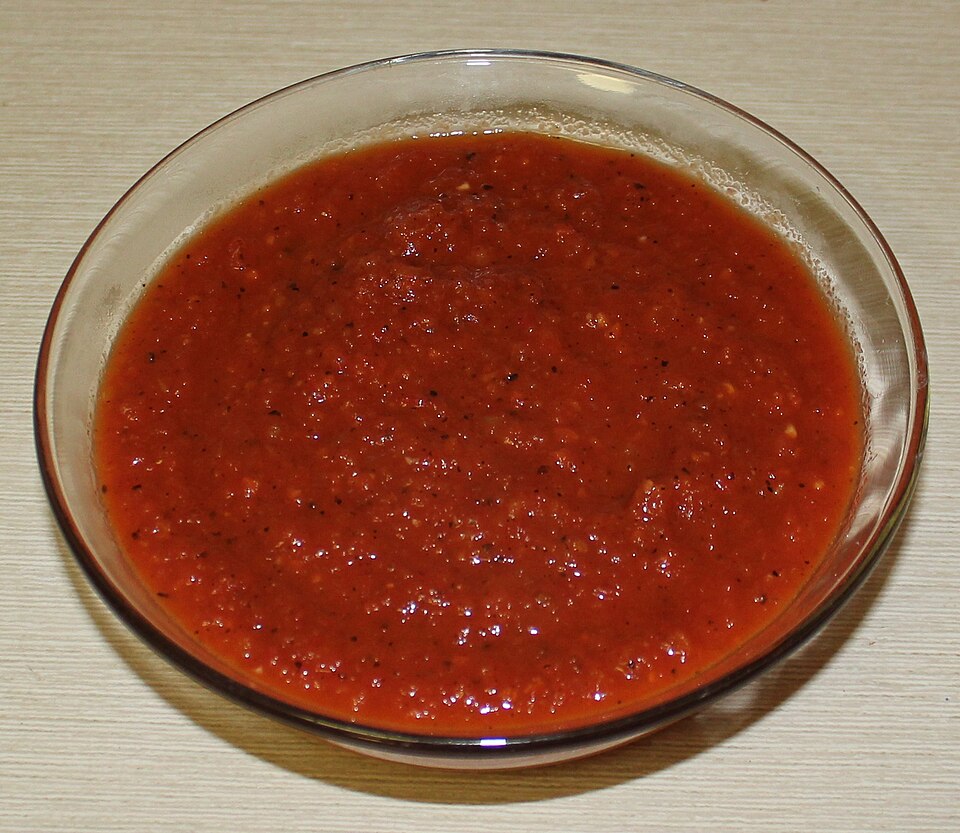
Roasted red pepper and tomato soup
International · 1 h 5 min · 178 kcal · Vegan
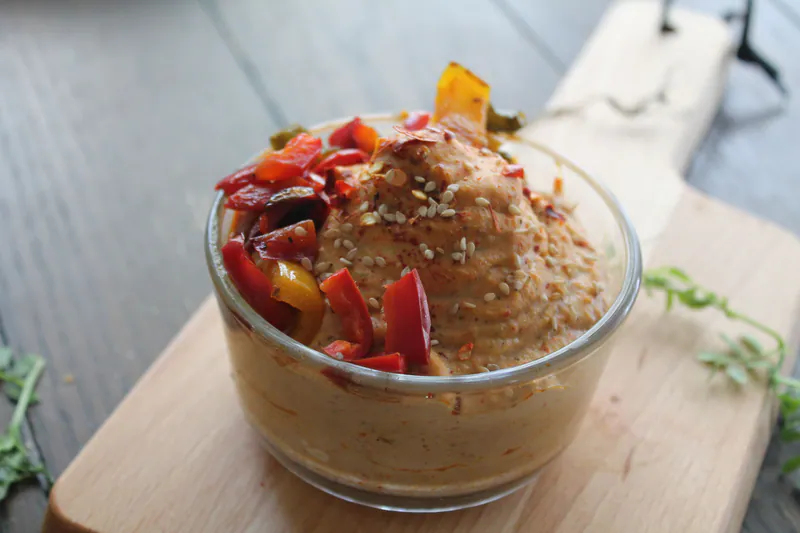
Roasted red pepper hummus
International · 1 h 5 min · 169 kcal · Vegan
Romesco sauce
Spanish · 1 h 20 min · 145 kcal · Vegan