
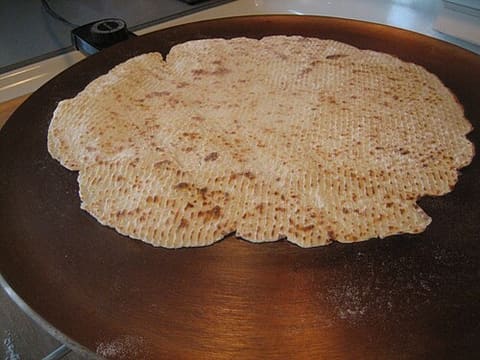
Cookware & bakeware · Griddle
Griddle / tawa
A flat cooking surface, such as a tawa or griddle plate, for flatbreads, pancakes and dry-roasting.
Useful to have · Used on the stovetop · 102 recipes
Photo: Lance Fisher, via Wikimedia Commons (CC-BY-SA-2.0)
What it is
A flat or very slightly curved heavy plate with little or no rim. The Indian tawa is a round iron disc, often slightly concave, used for chapati, roti, paratha and dosa; Western griddles are flat, square or rectangular plates that may straddle two burners. A ridged grill pan is a different tool.
What it’s for: Even, direct heat over a wide open surface where food is turned or flipped, with little or no oil.
How to use it
- Heat the griddle over medium heat until a drop of water sizzles and evaporates.
- Wipe with a thin film of oil or ghee if the recipe calls for it.
- Place the flatbread, pancake or batter on the surface and cook until the underside has spots or bubbles form on top.
- Flip and cook the other side, pressing gently if needed.
Good to know
- Tasks
- cooking chapati, roti and paratha, making dosa and crepes, cooking pancakes, dry-roasting spices, toasting sandwiches, searing flat cuts
- Cooking methods
- Pan-fried, Toasted, Shallow-fried
- Materials
- cast iron, carbon steel, non-stick aluminium, stainless steel
- Care and cleaning
- Season iron tawas and griddles like cast iron: wash with water, dry on the heat and wipe with oil. Do not plunge a hot iron griddle into cold water, which can warp it.
- Limitations
- No sides, so it cannot hold liquid or deep amounts of oil.
Safety
- The whole plate gets very hot; use a cloth or tongs on rimless edges.
- Iron tawas stay hot for a long time after cooking.
If you don’t have one
- Frying pan / skillet — A heavy flat-based frying pan works for flatbreads and pancakes.
- Cast-iron skillet — A good substitute for a tawa.
Equipment guide
How it works: A flat, rimless or low-rimmed plate gives the maximum surface in contact with food. A thick plate stores heat, so flatbreads and pancakes cook evenly batch after batch, while the lack of sides lets steam escape and spatulas slide under easily. A slightly concave Indian tawa keeps oil in the centre for parathas and dosas.
| Material | Good | Watch out |
|---|---|---|
| Cast iron (bare, seasoned) | Very high heat capacity, so it holds temperature when cold food goes in; excellent for searing; oven-safe; lasts generations. | Heavy and slow to heat; heats unevenly on small burners; needs seasoning and drying; long simmering of acidic sauces can strip seasoning and give a metallic taste. |
| Carbon steel | Lighter and thinner than cast iron, heats faster, seasons to a slick surface; takes very high heat. | Rusts if left wet; needs seasoning; reacts with acids until well seasoned; thinner pans hold less heat than cast iron. |
| Iron (traditional tawa) | Seasons well and takes high heat for rotis and dosas. | Rusts if not oiled; can warp if very thin. |
| Non-stick (PTFE or ceramic sol-gel coating on aluminium) | Eggs, fish and pancakes release with little fat; easy to clean; forgiving for beginners. | Coatings wear out (ceramic often faster than PTFE); PTFE should not be heated empty or above about 260 °C; poor at building fond; needs non-metal utensils. |
| Aluminium (plain or hard-anodised) | Light, conducts heat about 15 times better than stainless steel and heats quickly; anodising hardens the surface and stops reaction with acids. | Plain aluminium reacts with acidic and alkaline foods and can discolour them; thin gauges warp; not magnetic, so it needs a steel base for induction. |
- Concave tawa
- Indian flatbreads: roti, paratha.
- Flat tawa or dosa tawa
- Wide flat surface for spreading dosa batter.
- Rectangular double-burner griddle
- Covers two burners; pancakes and breakfasts.
- Reversible griddle
- Flat on one side, ridged on the other.
Buying guidance
Starting out: A 25–28 cm iron or cast-iron tawa for rotis and parathas.
Keen cook: A separate flat dosa tawa kept well seasoned for thin crêpes.
Professional: Restaurants use gas or electric flat-top plates many millimetres thick.
- Plate thickness: 3–5 mm resists warping
- Diameter matched to the burner
- Handle that stays cool
- Induction-compatible if needed
No brands or prices — check current reviews before buying.
Techniques:ToastingSearingPan-fryingDumSpice roasting (dry-roasting)
Related tools
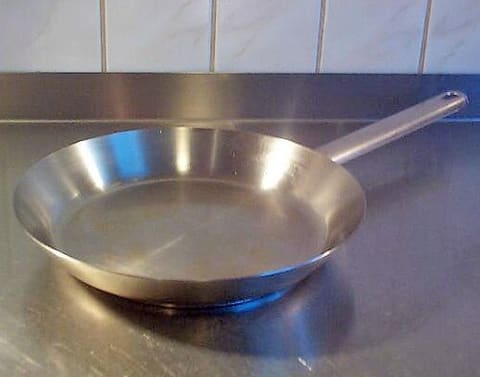 SimilarFrying pan / skilletHas sloping sides; works for flatbreads at a pinch.
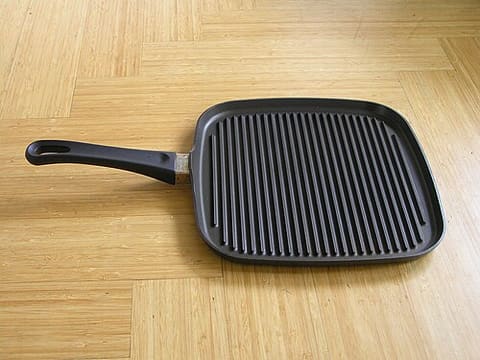 SimilarGrill panRidged rather than flat, for char lines.
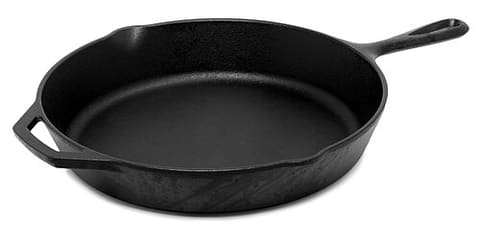 SimilarCast-iron skilletSame material and heat retention, with sides.
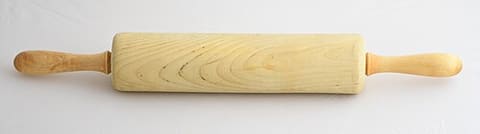 Goes well withRolling pinFor rolling flatbreads before cooking.
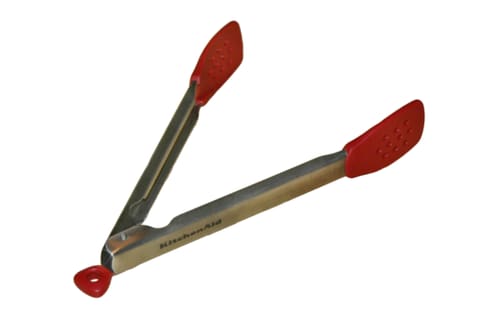 Used withTongsFor turning and puffing rotis.
Recipes that use it
Akki roti
 South Indian · 55 min · 257 kcal · Vegan
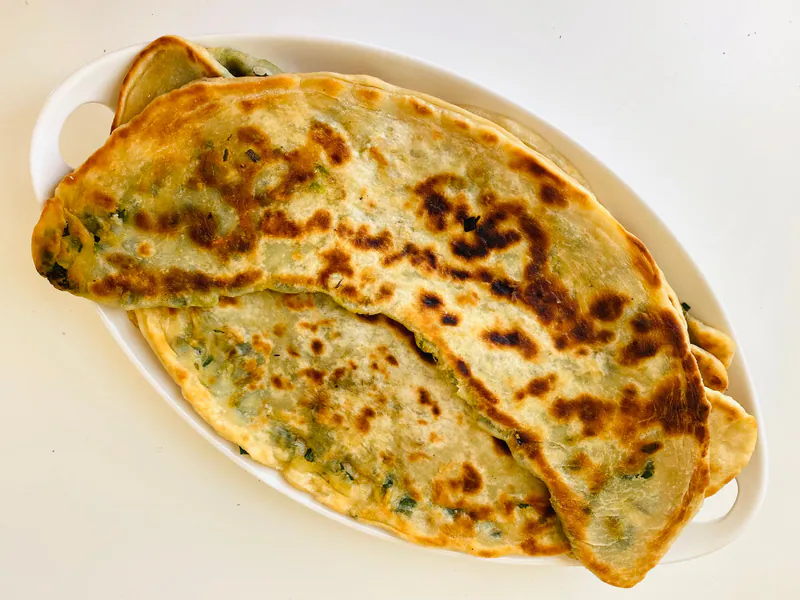
Aloo paratha
Punjabi · 1 h 15 min · 430 kcal · VegetarianAnda paratha
Indian · 55 min · 334 kcal · Contains egg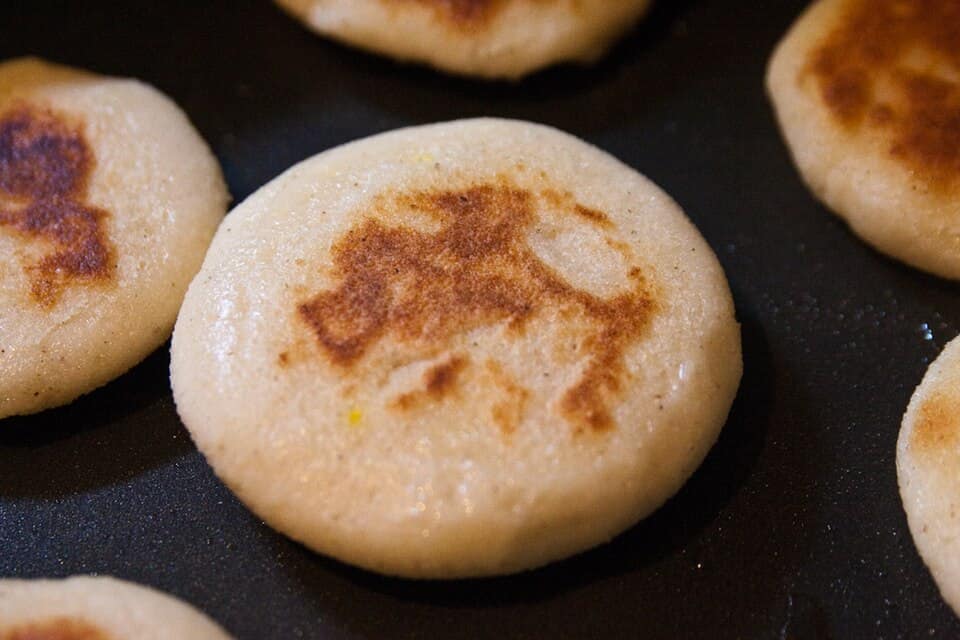
Arepas
 Venezuelan · 40 min · 348 kcal · Vegetarian
Bajra roti
Indian · 40 min · 221 kcal · VegetarianBaleadas
 Honduran · 1 h 10 min · 433 kcal
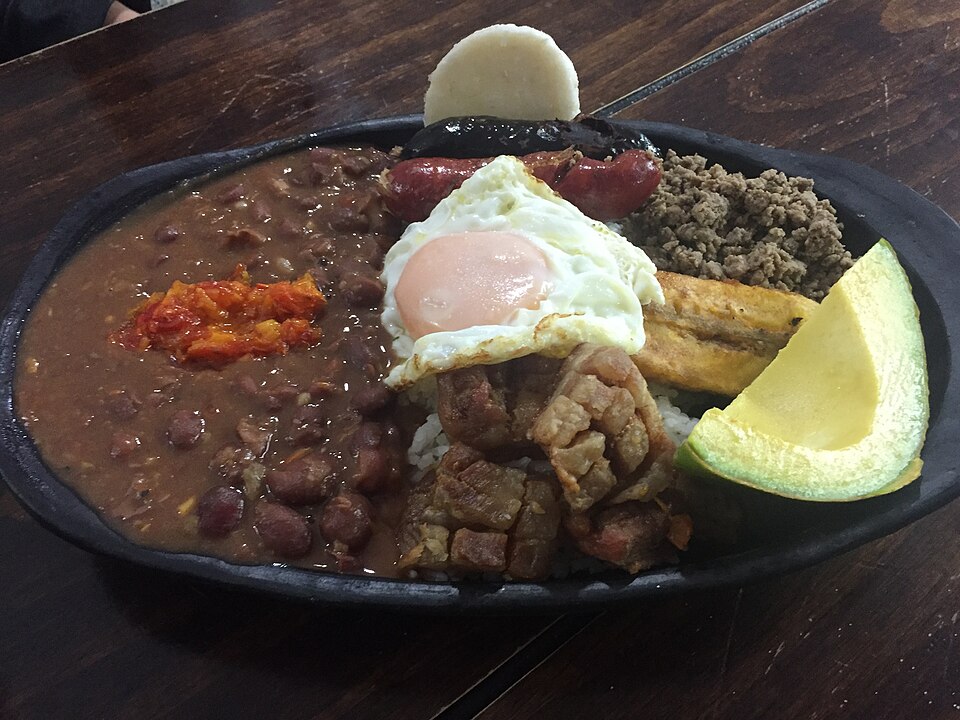
Bandeja paisa
 Colombian · 2 h · 1438 kcal
Bara
 Nepalese · 40 min · 247 kcal · Vegetarian
Batbout (Moroccan pan pocket bread)
 Moroccan · 2 h 5 min · 112 kcal · Vegan
Bazlama (Turkish stovetop flatbread)
 Turkish · 2 h 15 min · 365 kcal · Vegetarian
Bun kebab
 Pakistani · 2 h 5 min · 398 kcal · Contains egg
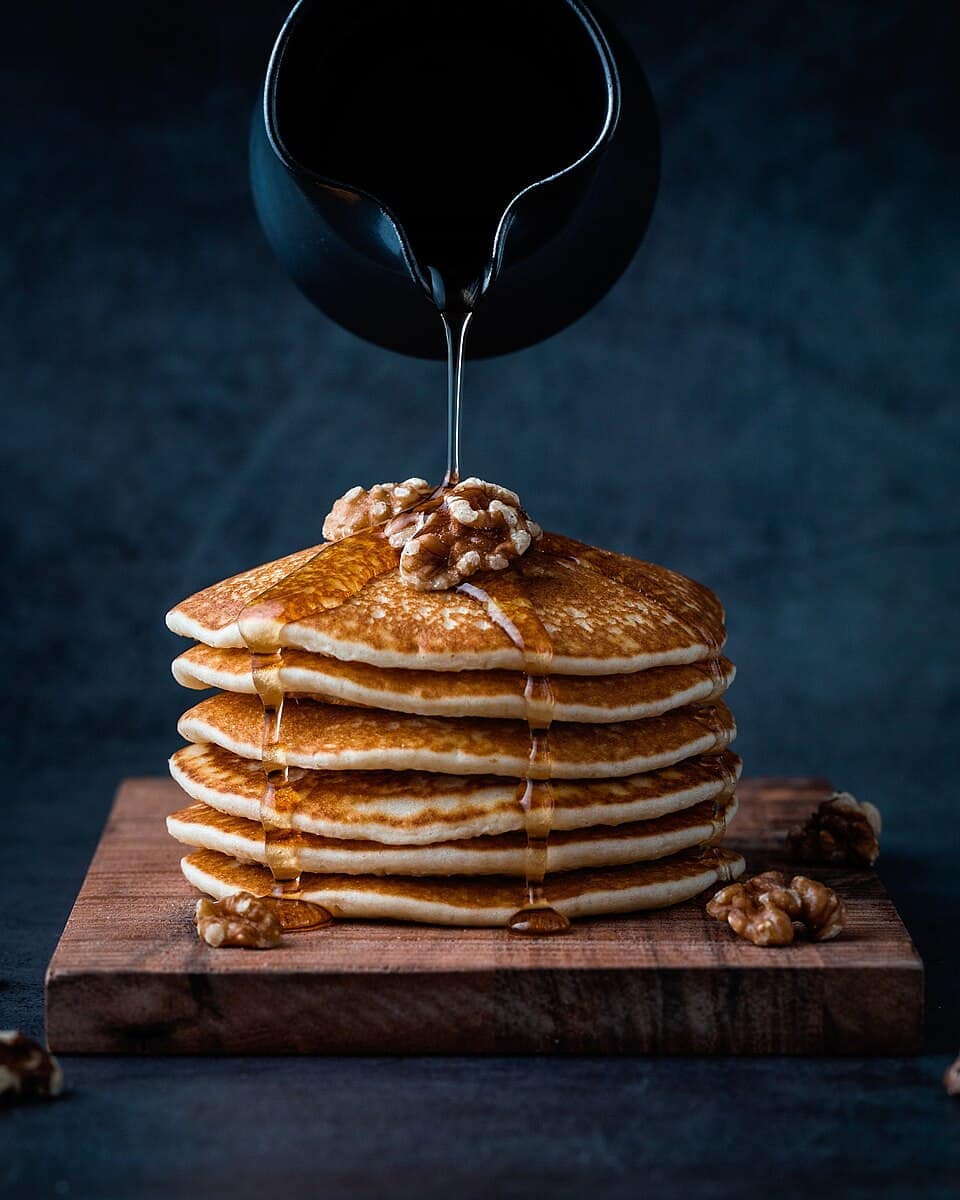
Buttermilk pancakes
 American · 35 min · 449 kcal · Contains egg
90 more
- Cachapas · Venezuelan
- Chana paratha · Indian
- Cheese corn paratha · Indian
- Cheese paratha · Indian
- Chicken keema paratha · Indian
- Chicken kottu roti · Sri Lankan
- Chilli cheese paratha · Indian
- Chipotle salsa (salsa de chipotle) · Mexican
- Chivito · Uruguayan
- Coconut paratha · Indian
- Corn tortillas (masa harina) · Mexican
- Crumpets · British
- Cuban sandwich · Cuban
- Dal paratha · Indian
- Dholl puri · Mauritian
- Dry fruit paratha · Indian
- English muffins · British
- Flour tortillas · Mexican
- Garlic butter naan (yeast-free, pan-cooked) · Indian
- Ghadichi poli (layered triangle chapati) · Indian
- Gobi paratha · Punjabi
- Golbheda ko achar · Nepalese
- Grilled chicken salad · International
- Grilled halloumi with watermelon and mint · Cypriot
- Gur paratha · Punjabi
- Harcha (Moroccan semolina griddle cakes) · Moroccan
- High-protein paneer paratha · Indian
- Injera · Ethiopian
- Ispanaklı gözleme · Turkish
- Izgara köfte · Turkish
- Jowar bhakri · Indian
- Kerala pathiri · South Indian
- Khoya paratha · Indian
- Kisra · Sudanese
- Lachha paratha · Indian
- Lokše · Slovak
- Makki di roti · Punjabi
- Malabar parotta · South Indian
- Masala dosa · South Indian
- Matar paratha · Indian
- Methi paratha · Punjabi
- Methi thepla · Gujarati
- Mhadjeb · Algerian
- Missi roti · Punjabi
- Mix veg paratha · Indian
- Mooli paratha · Punjabi
- Msemen · Moroccan
- Mughlai paratha · Bengali
- Mushroom cheese paratha · Fusion
- Mutabbaq · Saudi Arabian
- Naan (home-oven method) · Indian
- Okonomiyaki · Japanese
- Onion tomato uttapam · South Indian
- Palak paratha · Punjabi
- Pan con tomate · Spanish
- Paneer cheese paratha · Indian
- Paneer paratha · Punjabi
- Patta gobhi paratha · Indian
- Pav bhaji · Indian
- Peameal bacon sandwich · Canadian
- Pesarattu (green moong dosa) · South Indian
- Philly cheesesteak · American
- Phulka (puffed roti) · Indian
- Pikelets · Australian
- Pizza paratha · Fusion
- Poffertjes · Dutch
- Pol roti · Sri Lankan
- Pupusas with curtido · Central American
- Puran poli · Indian
- Pyaaz paratha · Punjabi
- Ragi roti · South Indian
- Recado rojo (Yucatecan achiote paste) · Mexican
- Roasted tomato and king chilli chutney (Naga style) · Indian
- Roti canai · Malaysian
- Roti john · Malaysian
- Rumali roti · Indian
- Salsa roja asada · Mexican
- Salsa taquera (chile de árbol salsa) · Mexican
- Sattu paratha · Indian
- Soya paratha · Indian
- Surinamese roti kip · Surinamese
- Tacos al pastor · Mexican
- Tandoori roti · Punjabi
- Thalipeeth · Indian
- Tlayudas · Mexican
- Tomato bruschetta · Italian
- Tomato chokha (Bihari roasted tomato mash) · Indian
- Welsh cakes · British
- Yam nuea · Thai
- Zanzibar pizza · Tanzanian