
Ingredients and chemistry · intermediate
Capsaicin and pungency
Chilli heat is a pain signal triggered by capsaicin, which dissolves in fat and alcohol rather than water and survives cooking well.
What happens
Capsaicin and related compounds (capsaicinoids) in chillies bind to a receptor called TRPV1 on nerve endings, the same receptor that senses painful heat. The brain reads the signal as burning, though no tissue is actually burned. Most capsaicin is made in the pale ribs and placenta inside the chilli; the seeds pick some up by contact. Capsaicin dissolves poorly in water but well in fat and alcohol, and it is stable at cooking temperatures, so long cooking spreads heat through a dish rather than destroying it. Other pungent spices work differently: black pepper's piperine, ginger's gingerols and mustard's isothiocyanates each act on related receptors, and Sichuan pepper causes tingling numbness instead.
Why it matters in the kitchen
Understanding where heat sits and how it dissolves lets you control spice level, rescue an over-hot dish and handle chillies safely.
Temperatures and conditions
- Heat-stable in normal cooking 100–190 °C · Capsaicin survives boiling and frying; its pungency spreads into fat and sauce.
- Dry chillies in a very hot pan release irritant fumes from 180 °C · Ventilate well and keep your face away.
In practice
- Kashmiri chilli: deep red colour with mild heat.
- Bhut jolokia and Scotch bonnet: extremely hot.
- Chilli oil and tadka carrying heat through a dish.
- Raita, lassi or a glass of milk eased alongside a hot curry.
- Fresh ginger becoming sharper when dried and milder, sweeter when cooked a long time.
Myths and facts
Myth: Chilli seeds are the hottest part.
Fact: The pale ribs and placenta that hold the seeds contain most of the capsaicin. Seeds are hot mainly because they touch it. Removing ribs as well as seeds tames a chilli far more.
Myth: Water puts out chilli heat.
Fact: Capsaicin barely dissolves in water, so water spreads it around. Milk, yogurt or other dairy work better; fat, starch and sugar also help.
Myth: Cooking chillies longer destroys their heat.
Fact: Capsaicin is heat-stable. Long cooking spreads heat evenly through a dish. Changes in perceived heat over cooking come more from dilution and other flavours.
Use it to cook better
- To reduce heat, remove the ribs and seeds, use fewer chillies, or swap in milder, colourful chillies such as Kashmiri.
- If a dish is too hot, add yogurt, cream, coconut milk, ghee, sugar or more of the unspiced base to dilute it.
- Add chillies early for even background heat or slit fresh chillies in late for a brighter, more controllable heat.
- Wear gloves for very hot chillies, and wash hands with soap and a little oil before touching eyes or face.
- Roast dried chillies on low heat with ventilation and stand back; the fumes cause coughing.
Try it at home
What tames the heat?
You need: A mild-medium chilli sauce, Small cups of water, milk, yogurt and sugar water, Crackers or plain bread
- Taste a tiny amount of sauce on a cracker and wait 10 seconds.
- Sip water and rate the burn from 1 to 10 after 30 seconds.
- Wait until the burn has gone, then repeat with milk, yogurt and sugar water.
What you’ll see: Dairy usually brings relief fastest; water helps least and can seem to spread the burn.
Use a mild sauce and tiny amounts. Anyone with a chilli allergy, reflux or sensitivity should skip it; keep it away from eyes.
Going deeper
Pungency is measured in Scoville heat units, now usually calculated from capsaicinoid content measured in a lab. Bell peppers are 0, jalapeños roughly 2,500–8,000, Scotch bonnets roughly 100,000–350,000 and bhut jolokia around 1 million. Heat varies a lot within a variety with growing conditions and ripeness. Ginger's gingerols turn into more pungent shogaols when ginger is dried and into milder, sweeter zingerone when it is cooked, which is why dried ginger powder (saunth) tastes sharper than fresh. Repeated exposure dulls the TRPV1 response, which is why regular chilli eaters tolerate more.
Ingredients it affects most
Techniques that rely on it
Worth double-checking
- Scoville ranges for specific chillies vary widely by source and crop; figures are indicative.
- The extent to which dairy relieves heat (casein versus fat) is still discussed; dairy's effect itself is well supported.
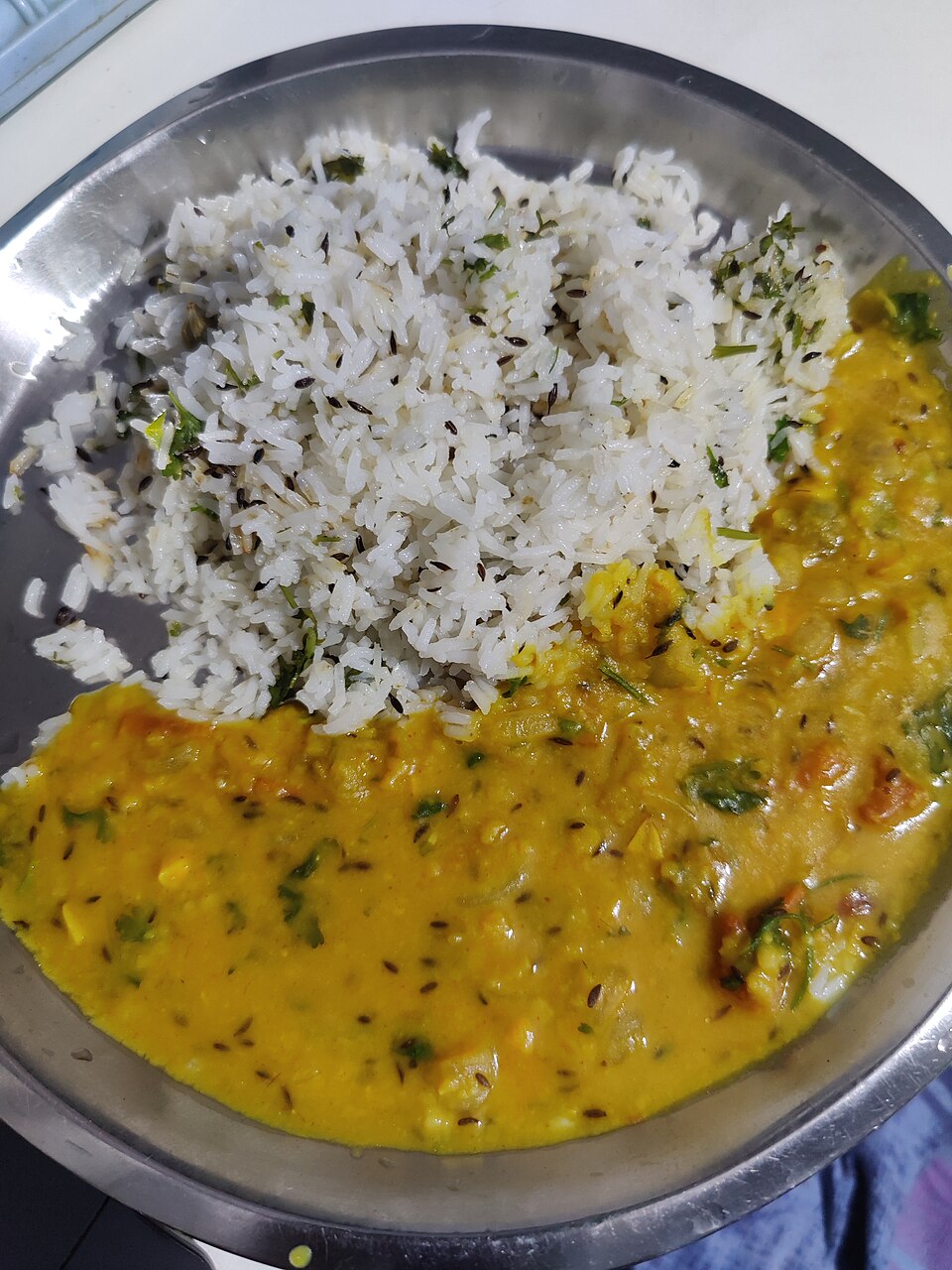
 Pakistani · 50 min · 568 kcal ·
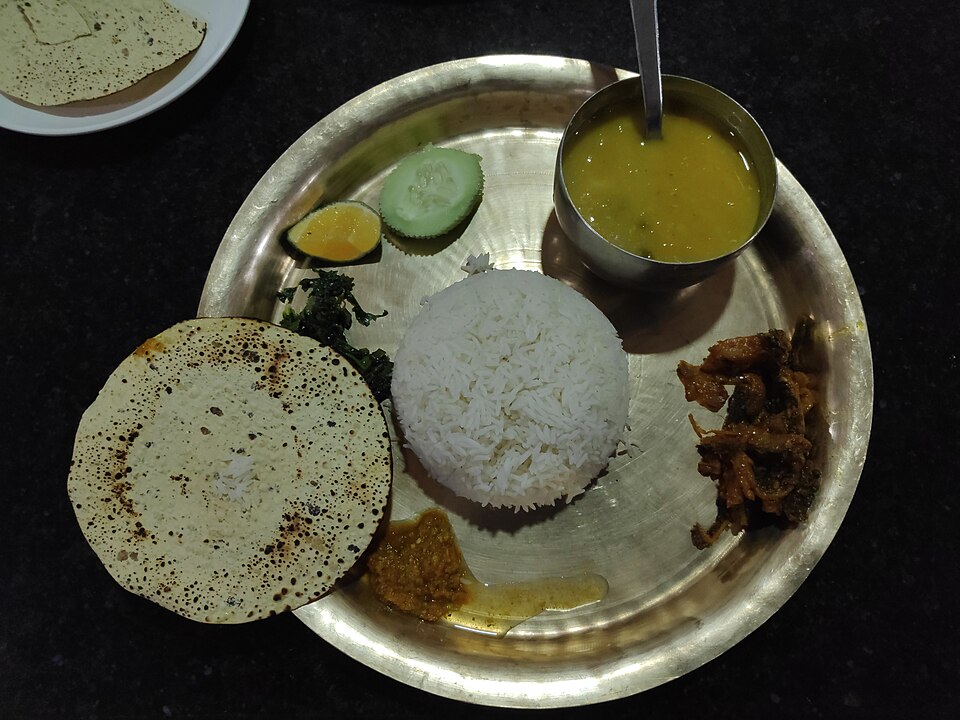
 Nepalese · 55 min · 631 kcal ·
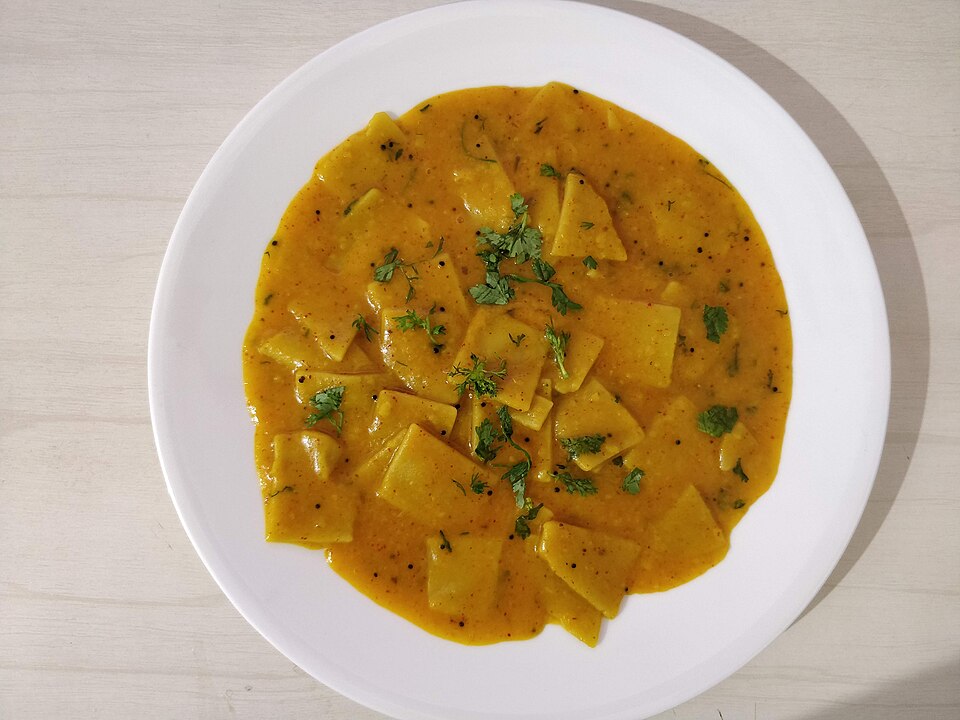
 Gujarati · 1 h 10 min · 368 kcal ·
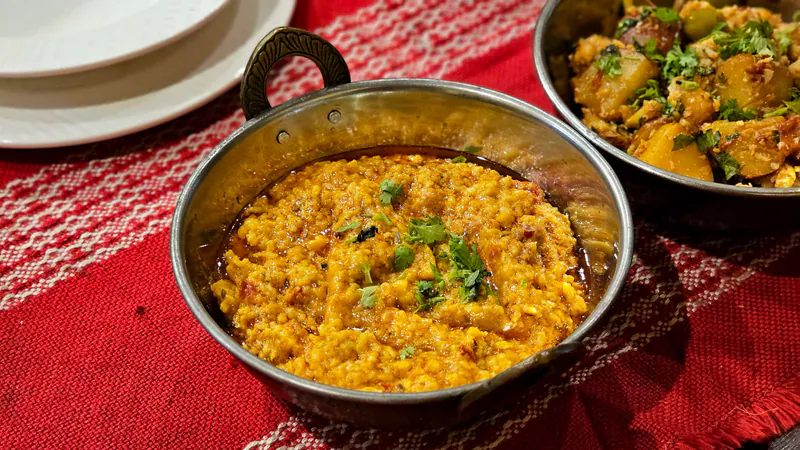
 Sri Lankan · 35 min · 362 kcal ·
 Turkish · 40 min · 328 kcal