
Preparation skills · beginner
Marinating
Also: marination
Soaking or coating food in a seasoned mixture before cooking to flavour and sometimes tenderise it.
What it is
A marinade combines salt with acid (lemon, vinegar, yogurt), fat, aromatics and spices. Indian cooking often uses two stages: a first marinade of salt, lemon and ginger-garlic, then a second of thick yogurt and spices, as for tandoori chicken and tikka.
Why cooks use it: Salt seasons and helps meat retain moisture; aromatics flavour the surface; acid and yogurt can tenderise the outer layer and help browning.
The science
Salt penetrates meat slowly and partly dissolves muscle proteins, so the meat holds more water when cooked. Most other flavour molecules stay within the outer few millimetres, which is why scoring meat helps. Strong acids firm and can turn the surface mushy or chalky with long exposure; yogurt is milder. Enzymes in raw papaya, pineapple and ginger break down proteins and can make meat mushy.
How proteins set when cookedAcids and bases in cookingSalt and osmosisThe science of curingFood-safety temperaturesChanging texture: tenderising and crisping
Step by step
Pat the food dry and score thick pieces of meat a few millimetres deep.
For a two-stage Indian marinade, rub with salt, lemon juice and ginger-garlic paste; rest 20–30 minutes.
Mix the main marinade (for example thick strained yogurt, chilli, spices, oil) and coat the food thoroughly.
Cover and refrigerate: fish 15–30 minutes; chicken 2–12 hours; lamb and goat 4–24 hours.
Let excess marinade drip off before cooking so it browns rather than steams.
Heat and timing
- Marinating up to 5 °C · Marinate in the fridge, at or below 5 °C.
Time: 15 minutes (fish) to 24 hours (tough meat). Strongly acidic marinades: keep short.
How you know it’s right
- Marinade clings in a thick coat
- Meat surface looks slightly opaque from salt and acid
Common mistakes
- Marinating at room temperature
- Very long acidic marinades for fish or chicken breast, giving a mushy surface
- Thin, watery yogurt that slides off
- Reusing raw marinade as a sauce without boiling it
Troubleshooting
- Meat mushy or chalky
- Shorten the time or reduce the acid or raw papaya/pineapple.
- Bland inside
- Score the meat and salt it earlier; flavour penetrates only a few millimetres.
Restaurant DNA
How professionals do it
Restaurants marinate in labelled, dated containers in the walk-in fridge, often the day before, and portion items onto skewers before service.
At home
Marinate in a zip bag to use less marinade and turn it easily; plan the day before for tandoori dishes.
General professional practice — not any particular restaurant’s recipe.
Food safety
- Always marinate in the fridge.
- Do not reuse marinade that has touched raw meat unless it is brought to a full boil.
- Use non-reactive containers (glass, ceramic, food-grade plastic) for acidic marinades.
Practise it
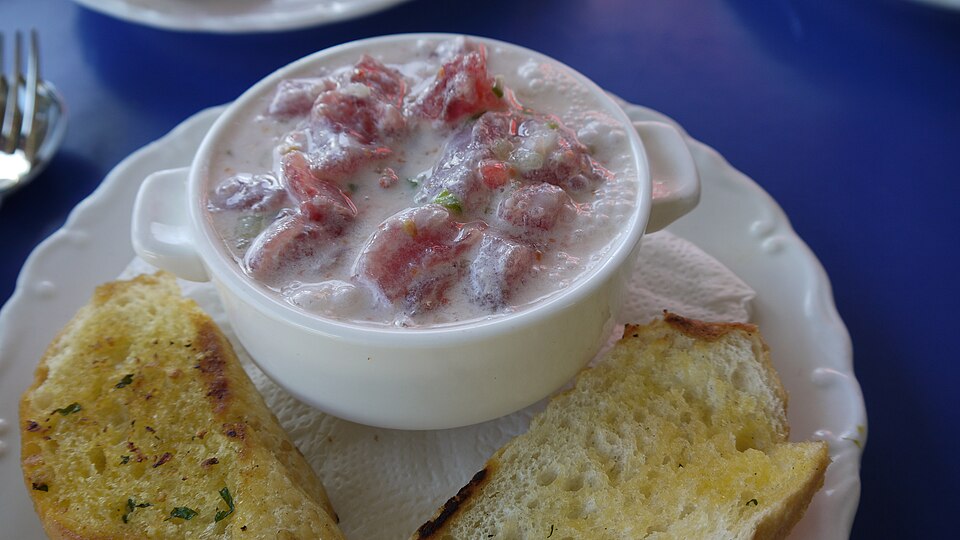
'Ota 'ika
 Tongan · 50 min · 235 kcal
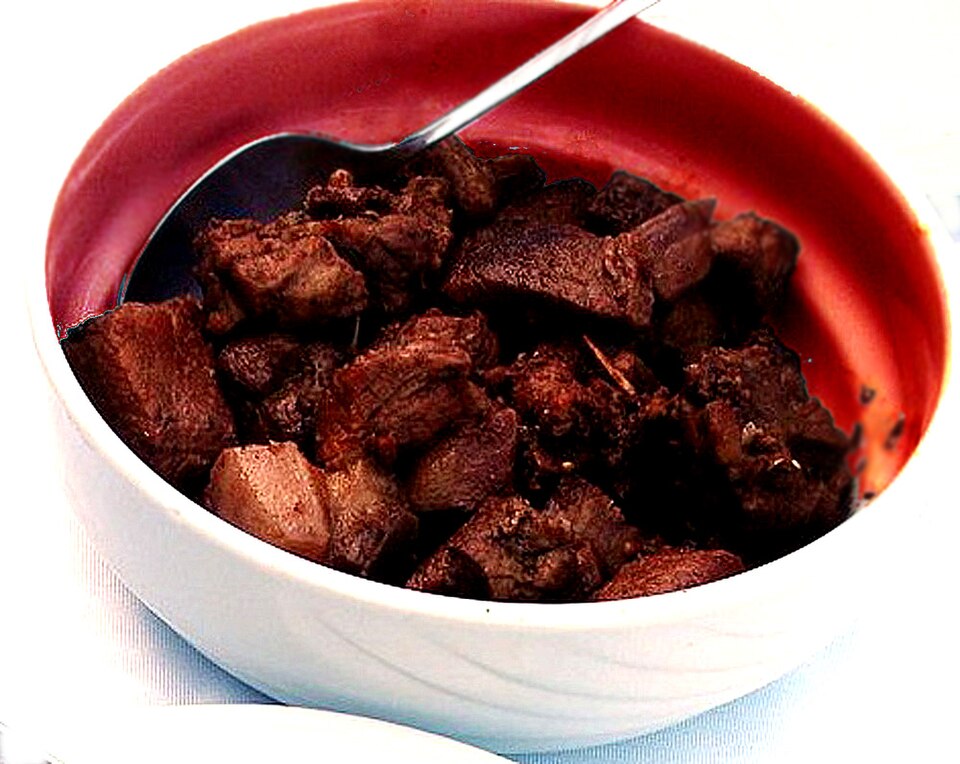
Afelia
 Cypriot · 13 h 45 min · 695 kcal
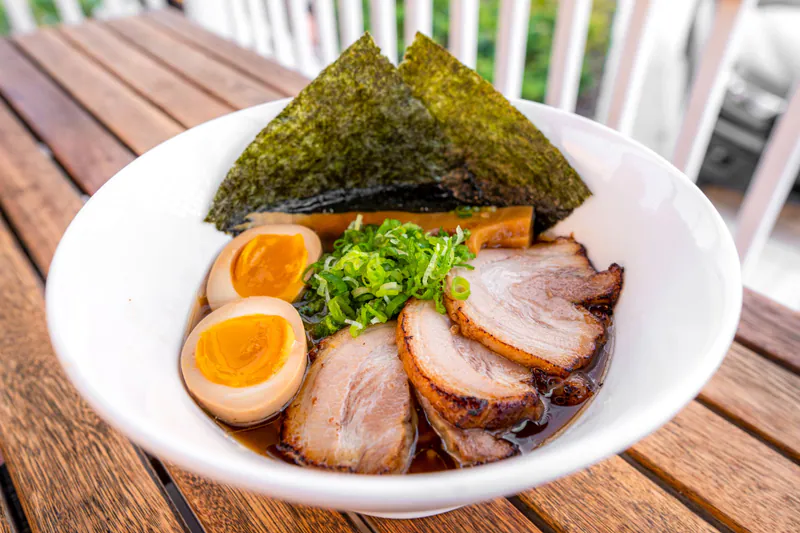
Ajitsuke tamago (ramen eggs)
 Japanese · 6 h 20 min · 116 kcal · Contains egg
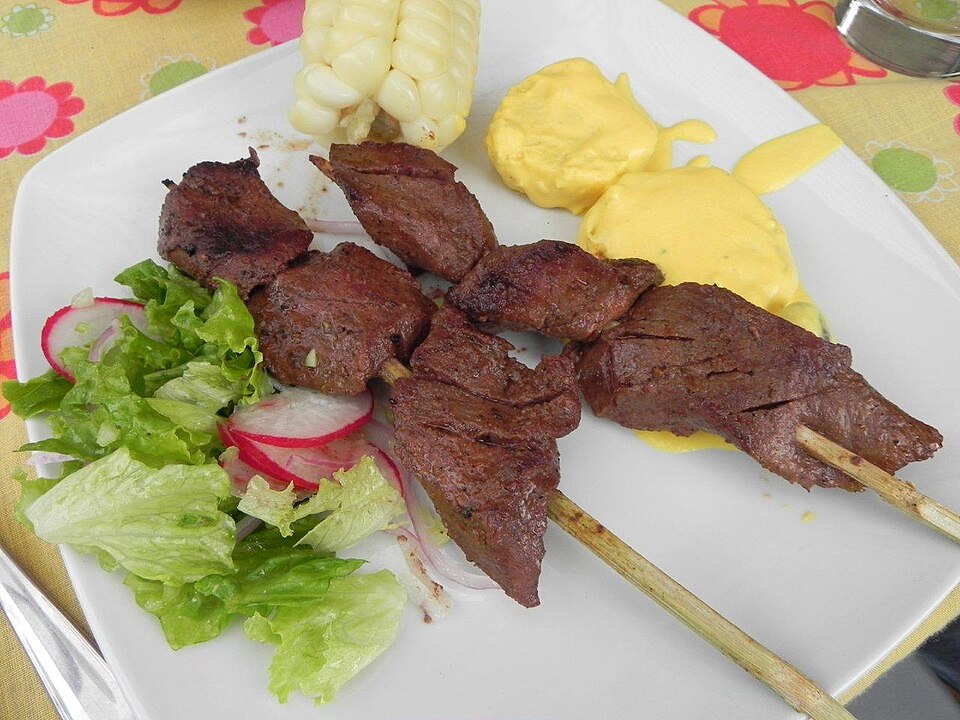
Anticuchos de corazón
 Peruvian · 45 min · 491 kcal
Attiéké with grilled fish
 Ivorian · 1 h 15 min · 644 kcal
Avakaya (Andhra mango pickle)
 South Indian · 73 h · 49 kcal · Vegan
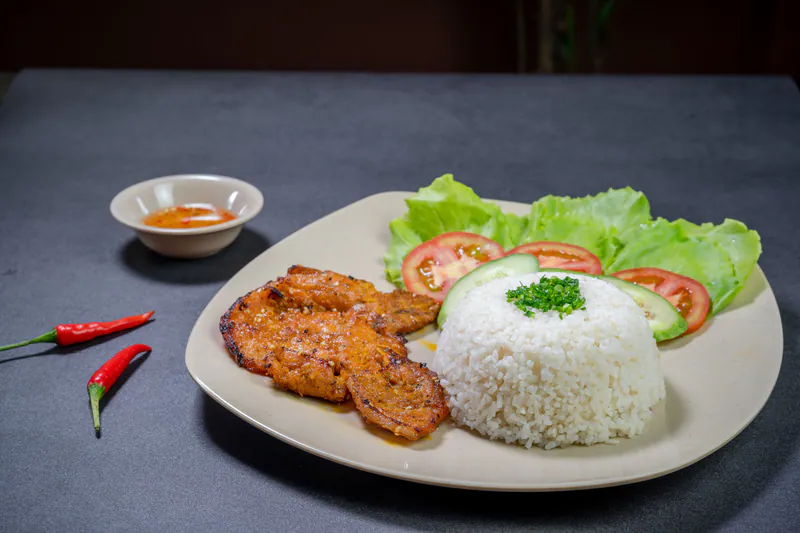
Bai sach chrouk
 Cambodian · 1 h 50 min · 724 kcal
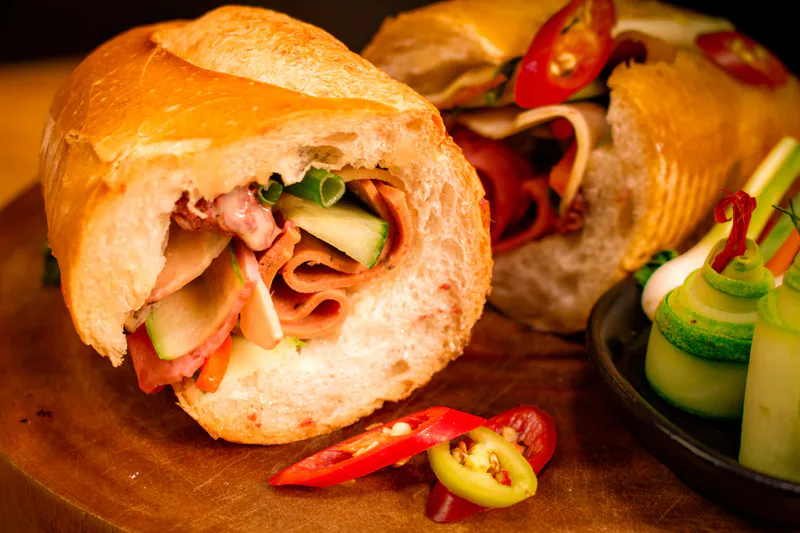
Bánh mì thịt nướng
 Vietnamese · 1 h 40 min · 656 kcal
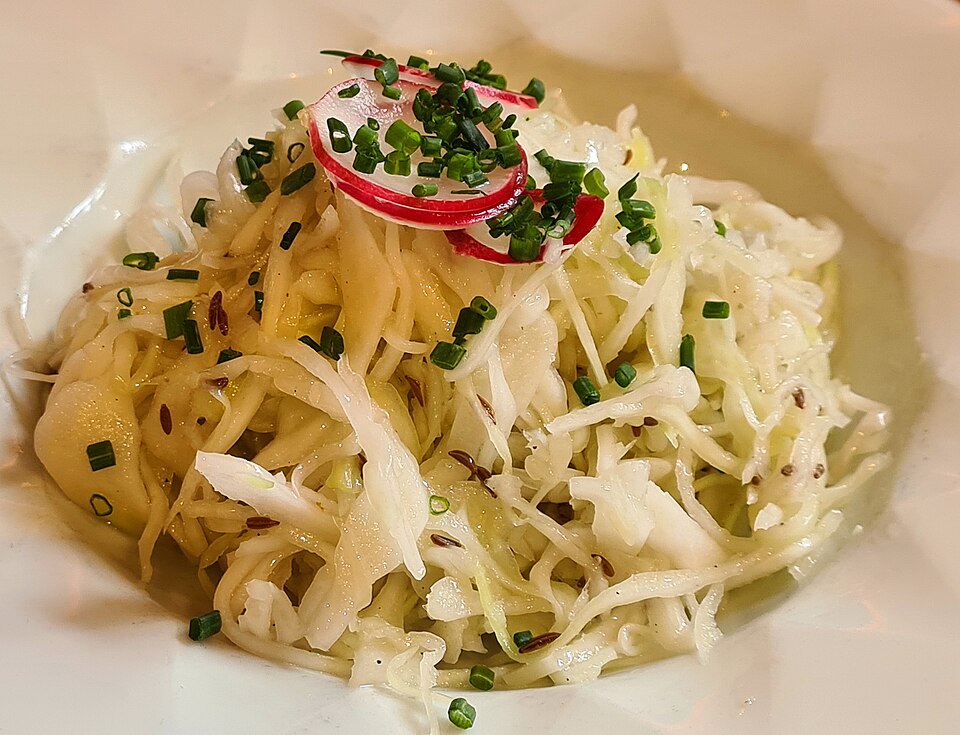
Bayerischer Krautsalat
 German · 58 min · 121 kcal
117 more
- Beef and broccoli stir-fry · Cantonese
- Beef bulgogi · Korean
- Beef chow fun · Cantonese
- Beef lok lak · Cambodian
- Belizean rice and beans with stew chicken · Belizean
- Bifana · Portuguese
- Bistek Tagalog · Filipino
- Bò lúc lắc (shaking beef) · Vietnamese
- Brown stew chicken · Jamaican
- Bún chả · Vietnamese
- Burmese pork curry · Burmese
- Butter chicken · Punjabi
- Cá kho tộ · Vietnamese
- Carne de porco à alentejana · Portuguese
- Ceviche ecuatoriano de camarón · Ecuadorian
- Champaran meat · Indian
- Char siu (Cantonese barbecue pork) · Cantonese
- Chermoula · Moroccan
- Chicken adobo · Filipino
- Chicken biryani · Indian
- Chicken karaage · Japanese
- Chicken korma · Indian
- Chicken rezala · Bangladeshi
- Chicken sajji · Pakistani
- Chicken shawarma · Levantine
- Chicken souvlaki · Greek
- Chicken tikka masala · Indian
- Chicken yassa · Senegalese
- Chongqing chilli chicken · Sichuan
- Claypot rice with chicken and Chinese sausage · Hong Kong
- Cochinita pibil · Mexican
- Cơm tấm sườn nướng · Vietnamese
- Cuban mojo · Cuban
- Cuban sandwich · Cuban
- Cucumber sunomono · Japanese
- Curtido · Salvadoran
- Dakgalbi · Korean
- Dalle khursani achar (Sikkimese round chilli pickle) · Indian
- Dhakai kacchi biryani · Bangladeshi
- Encebollado · Ecuadorian
- Fish yassa · Senegalese
- Frango à zambeziana · Mozambican
- Gai yang (Thai grilled chicken) · Thai
- Gravlax with mustard-dill sauce · Scandinavian
- Grilled chicken salad · International
- Grilled Garlic Prawn Skewers · Mediterranean
- Grilled Lemon-Herb Salmon · International
- Griot · Haitian
- Ikan sabuko · Timorese
- Insalata di rinforzo · Italian
- Jamaican curry chicken · Jamaican
- Jamaican curry goat · Jamaican
- Jamaican jerk chicken · Jamaican
- Jeyuk bokkeum · Korean
- Joojeh kabab · Iranian
- Kelewele · Ghanaian
- Khorovats · Armenian
- Kokoda · Pacific Island
- Kosha mangsho · Bengali
- Kung pao chicken · Sichuan
- Laal maas · Indian
- Lahori chargha · Pakistani
- Lahori fish fry · Pakistani
- Mashuai · Omani
- Mishkak · Omani
- Moo ping (Thai grilled pork skewers) · Thai
- Moqueca baiana · Brazilian
- Mozambican peri-peri prawns · Mozambican
- Mshikaki · Tanzanian
- Mu saengchae · Korean
- Nacatamal · Nicaraguan
- Nasi katok · Bruneian
- Oi muchim (spicy cucumber salad) · Korean
- Oka i'a · Samoan
- Omani shuwa-style slow-roast lamb · Omani
- Paneer tikka · Punjabi
- Pašticada · Croatian
- Pernil · Puerto Rican
- Peruvian ceviche · Peruvian
- Pikliz · Haitian
- Piri-piri chicken · Portuguese
- Plato típico hondureño · Honduran
- Politiki salata · Greek
- Pollo a la brasa · Peruvian
- Pork gyros pita · Greek
- Pork souvlaki · Greek
- Pork vindaloo · Goan
- Prawn balchão · Goan
- Pupusas with curtido · Central American
- Quick Pickled Red Onions · International
- Rwandan goat brochettes · Rwandan
- Salada de grão-de-bico · Portuguese
- Salsa criolla (Peruvian onion relish) · Peruvian
- Sate ayam (chicken satay) · Indonesian
- Sauerbraten · German
- Seychellois grilled fish with Creole sauce · Seychellois
- Shish tawook · Lebanese
- Shorshe maach · Bangladeshi
- Smashed cucumber salad · Chinese
- Soup joumou · Haitian
- Southern fried chicken · Southern US
- Souvla · Cypriot
- Sri Lankan black pork curry · Sri Lankan
- Sri Lankan chicken curry · Sri Lankan
- Stuffat tal-fenek · Maltese
- Suya · Nigerian
- Svíčková na smetaně · Czech
- Swabian potato salad · German
- Tacos al pastor · Mexican
- Taiwanese popcorn chicken · Taiwanese
- Tandoori chicken · Punjabi
- Three-bean salad · American
- Trinidad curry duck · Trinidadian
- Uzbek lamb shashlik · Uzbek
- Vinagrete · Brazilian
- Xinjiang cumin lamb skewers · Chinese
- Zarb-style roast lamb and chicken · Jordanian