
Preservation · advanced
Curing
Also: salting, brining
Treating meat or fish with salt (and often sugar, nitrite or smoke) to season, firm and preserve it.
What it is
Curing uses salt, sometimes with sugar, spices and nitrite curing salts, either rubbed on (dry cure) or dissolved in water (brine). It produces gravlax, bacon, ham, salt fish and corned beef. A short brine or dry-brine for poultry and pork is a milder form used mainly for seasoning and juiciness.
Why cooks use it: Salt draws out water and makes conditions hostile to spoilage bacteria; it also seasons deeply and changes texture. Nitrite adds the characteristic pink colour and cured flavour and protects against botulism in long cures.
The science
Salt moves into the food and water moves out by osmosis and diffusion until they balance. Salt also partly dissolves muscle proteins, which firms raw fish and lets brined meat hold more water when cooked. Sugar balances harshness and also lowers water activity.
How proteins set when cookedSalt and osmosisThe science of picklingThe science of curingThe science of dryingFood-safety temperatures
Step by step
Weigh the food and the salt; cures are calculated as a percentage of the food's weight.
Dry cure: mix salt, sugar and spices (gravlax often uses about equal weights of salt and sugar) and pack evenly around the food.
Wet brine for poultry: dissolve salt (often about 5–6% for a few hours, or an equilibrium brine of around 1.5–2% for longer) in cold water and submerge the meat.
Refrigerate throughout: gravlax 24–72 hours, turning daily; poultry brine a few hours to overnight.
Rinse or wipe off the cure, pat dry and rest uncovered in the fridge if a dry surface is wanted.
Heat and timing
- Curing up to 5 °C · Always cure in the fridge (at or below 5 °C) unless following a specialist charcuterie method.
Time: Hours for brined poultry; 1–3 days for gravlax; days to weeks for bacon and longer cures.
How you know it’s right
- Fish firmer and slightly translucent
- Liquid drawn out around a dry cure
- Even colour through the flesh
Common mistakes
- Guessing salt quantities
- Using curing salt (nitrite) in place of ordinary salt or vice versa
- Curing at room temperature
- Brining already salted or 'enhanced' meat
Troubleshooting
- Too salty
- Shorten the cure or soak the cured item in cold water for an hour before cooking.
- Uneven cure
- Turn the food daily and distribute the cure evenly; use a container that fits snugly.
Restaurant DNA
How professionals do it
Restaurant charcuterie programmes weigh cures precisely as a percentage of meat weight and track time, temperature and humidity; many simply dry-brine proteins overnight for seasoning.
At home
Start with gravlax or a dry-brined chicken, both easy and done in the fridge; use a digital scale.
General professional practice — not any particular restaurant’s recipe.
Food safety
- Nitrite curing salts are toxic in excess: weigh exactly, follow a tested recipe and keep them labelled away from table salt.
- Cure fish only if it is very fresh; freezing fish first is advised for raw-cured fish to kill parasites.
- Pregnant and immunocompromised people should avoid raw-cured fish and meat.
Practise it
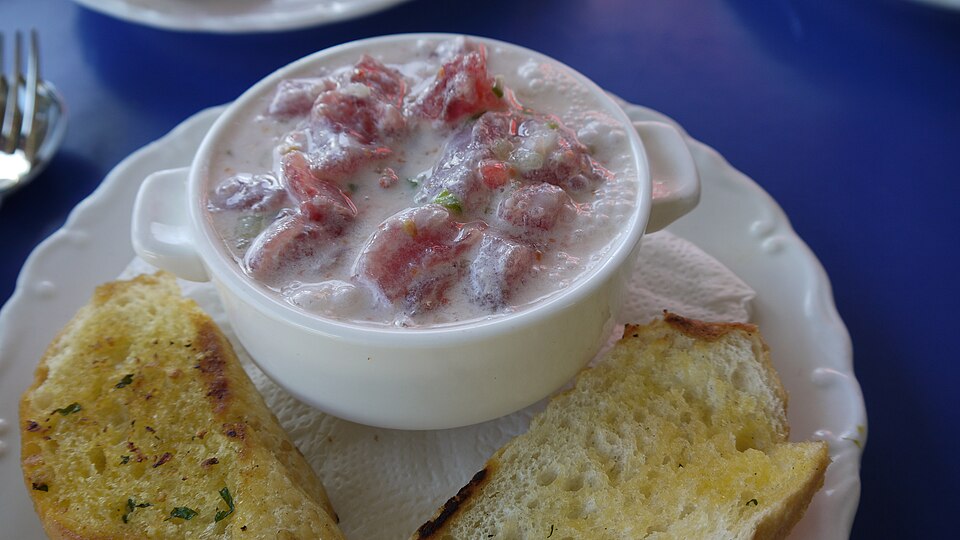
'Ota 'ika
 Tongan · 50 min · 235 kcal
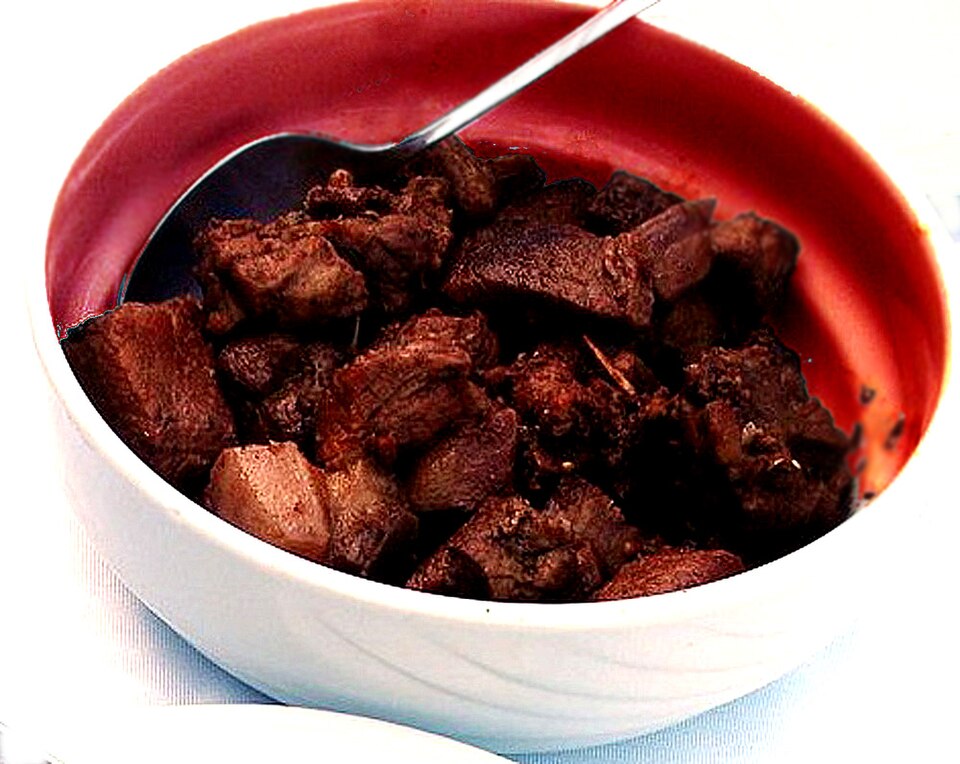
Afelia
 Cypriot · 13 h 45 min · 695 kcal
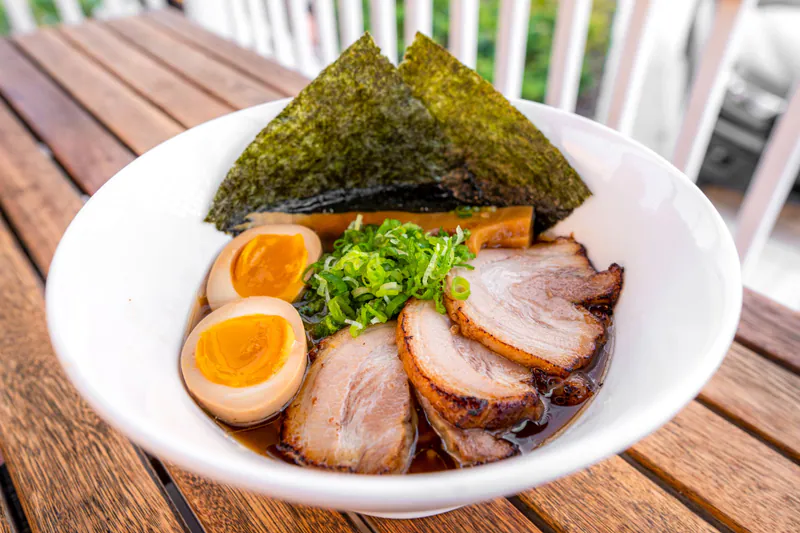
Ajitsuke tamago (ramen eggs)
 Japanese · 6 h 20 min · 116 kcal · Contains egg
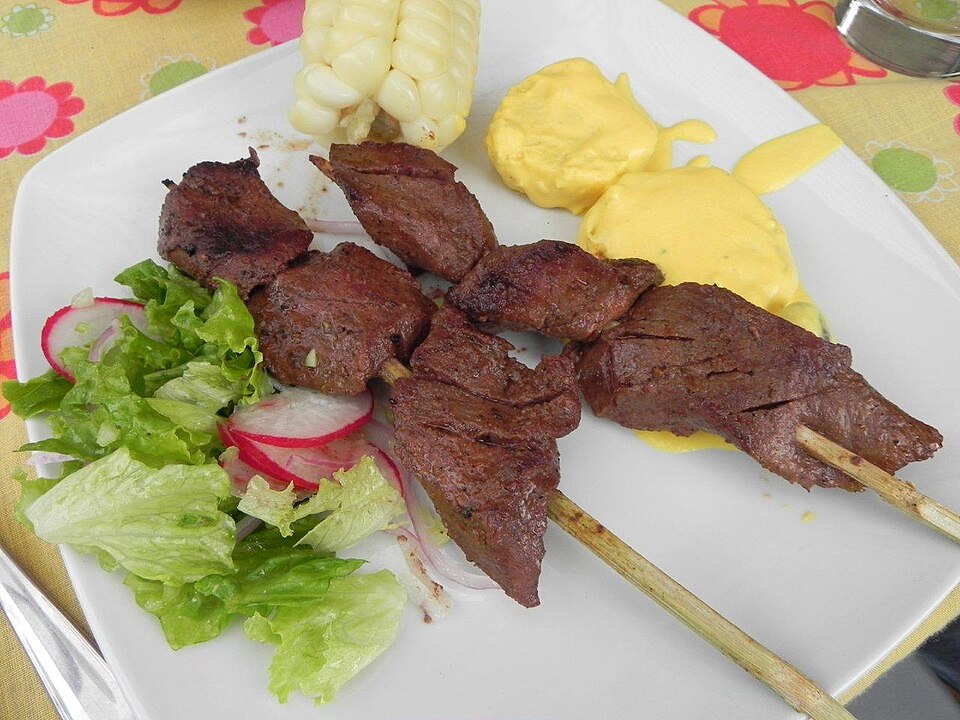
Anticuchos de corazón
 Peruvian · 45 min · 491 kcal
Attiéké with grilled fish
 Ivorian · 1 h 15 min · 644 kcal
Avakaya (Andhra mango pickle)
 South Indian · 73 h · 49 kcal · Vegan
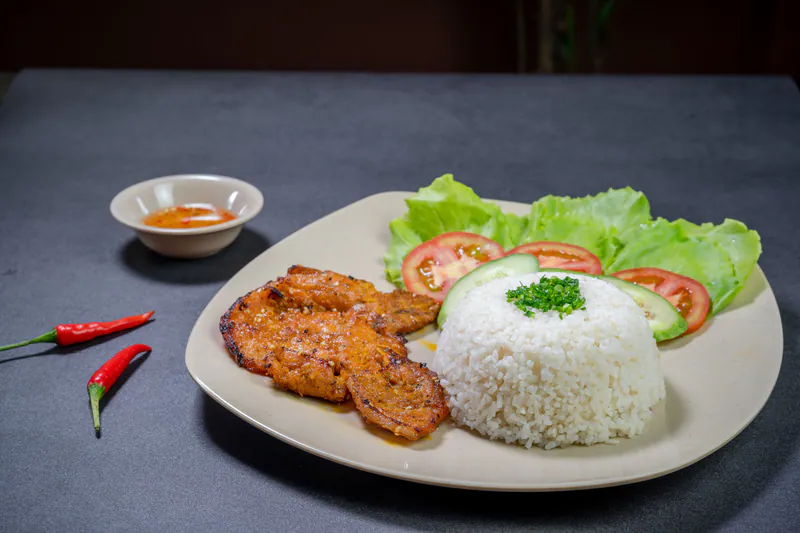
Bai sach chrouk
 Cambodian · 1 h 50 min · 724 kcal
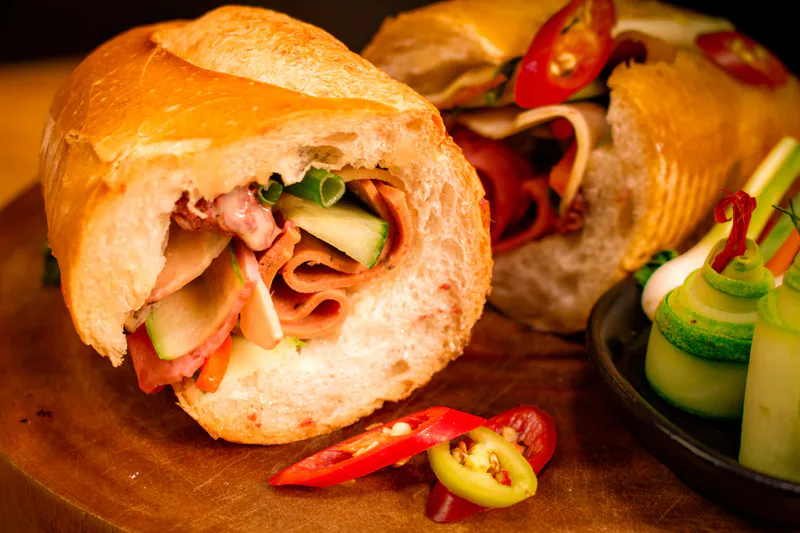
Bánh mì thịt nướng
 Vietnamese · 1 h 40 min · 656 kcal
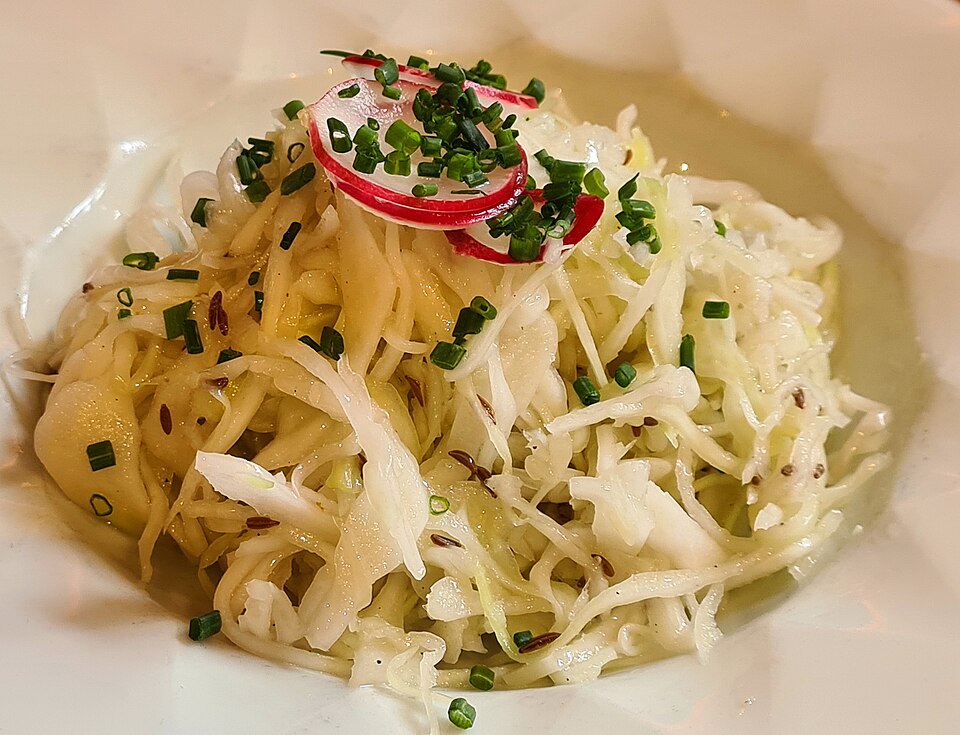
Bayerischer Krautsalat
 German · 58 min · 121 kcal
107 more
- Beef bulgogi · Korean
- Beef lok lak · Cambodian
- Belizean rice and beans with stew chicken · Belizean
- Bifana · Portuguese
- Bistek Tagalog · Filipino
- Bò lúc lắc (shaking beef) · Vietnamese
- Brown stew chicken · Jamaican
- Bún chả · Vietnamese
- Burmese pork curry · Burmese
- Butter chicken · Punjabi
- Carne de porco à alentejana · Portuguese
- Ceviche ecuatoriano de camarón · Ecuadorian
- Champaran meat · Indian
- Char siu (Cantonese barbecue pork) · Cantonese
- Chermoula · Moroccan
- Chicken adobo · Filipino
- Chicken biryani · Indian
- Chicken karaage · Japanese
- Chicken sajji · Pakistani
- Chicken shawarma · Levantine
- Chicken souvlaki · Greek
- Chicken tikka masala · Indian
- Chicken yassa · Senegalese
- Chongqing chilli chicken · Sichuan
- Cochinita pibil · Mexican
- Cơm tấm sườn nướng · Vietnamese
- Cuban mojo · Cuban
- Cuban sandwich · Cuban
- Cucumber sunomono · Japanese
- Curtido · Salvadoran
- Dakgalbi · Korean
- Dalle khursani achar (Sikkimese round chilli pickle) · Indian
- Dhakai kacchi biryani · Bangladeshi
- Encebollado · Ecuadorian
- Fish yassa · Senegalese
- Frango à zambeziana · Mozambican
- Gai yang (Thai grilled chicken) · Thai
- Gravlax with mustard-dill sauce · Scandinavian
- Grilled chicken salad · International
- Grilled Garlic Prawn Skewers · Mediterranean
- Grilled Lemon-Herb Salmon · International
- Griot · Haitian
- Ikan sabuko · Timorese
- Insalata di rinforzo · Italian
- Jamaican curry chicken · Jamaican
- Jamaican curry goat · Jamaican
- Jamaican jerk chicken · Jamaican
- Jeyuk bokkeum · Korean
- Joojeh kabab · Iranian
- Kelewele · Ghanaian
- Khorovats · Armenian
- Kokoda · Pacific Island
- Kosha mangsho · Bengali
- Kung pao chicken · Sichuan
- Lahori chargha · Pakistani
- Lahori fish fry · Pakistani
- Mashuai · Omani
- Mishkak · Omani
- Moo ping (Thai grilled pork skewers) · Thai
- Moqueca baiana · Brazilian
- Mozambican peri-peri prawns · Mozambican
- Mshikaki · Tanzanian
- Mu saengchae · Korean
- Nacatamal · Nicaraguan
- Oi muchim (spicy cucumber salad) · Korean
- Oka i'a · Samoan
- Omani shuwa-style slow-roast lamb · Omani
- Paneer tikka · Punjabi
- Pašticada · Croatian
- Pernil · Puerto Rican
- Peruvian ceviche · Peruvian
- Pikliz · Haitian
- Piri-piri chicken · Portuguese
- Plato típico hondureño · Honduran
- Politiki salata · Greek
- Pollo a la brasa · Peruvian
- Pork gyros pita · Greek
- Pork souvlaki · Greek
- Pork vindaloo · Goan
- Prawn balchão · Goan
- Pupusas with curtido · Central American
- Quick Pickled Red Onions · International
- Rwandan goat brochettes · Rwandan
- Salada de grão-de-bico · Portuguese
- Salsa criolla (Peruvian onion relish) · Peruvian
- Sate ayam (chicken satay) · Indonesian
- Sauerbraten · German
- Seychellois grilled fish with Creole sauce · Seychellois
- Shish tawook · Lebanese
- Shorshe maach · Bangladeshi
- Smashed cucumber salad · Chinese
- Southern fried chicken · Southern US
- Souvla · Cypriot
- Sri Lankan black pork curry · Sri Lankan
- Sri Lankan chicken curry · Sri Lankan
- Stuffat tal-fenek · Maltese
- Suya · Nigerian
- Svíčková na smetaně · Czech
- Swabian potato salad · German
- Tacos al pastor · Mexican
- Taiwanese popcorn chicken · Taiwanese
- Tandoori chicken · Punjabi
- Three-bean salad · American
- Trinidad curry duck · Trinidadian
- Uzbek lamb shashlik · Uzbek
- Vinagrete · Brazilian
- Zarb-style roast lamb and chicken · Jordanian