
Vegetables · Curry pastes
Ginger-garlic paste
Smooth, pungent paste of fresh ginger and garlic in equal parts, the starting point of most Indian curries.
Also called: ginger garlic paste, adrak lehsun paste, ginger and garlic paste, allam vellulli paste
Around the world: अदरक लहसुन पेस्ट (hi) · అల్లం వెల్లుల్లి పేస్ట్ (te)
Make it yourself: Ginger-garlic paste
What it is
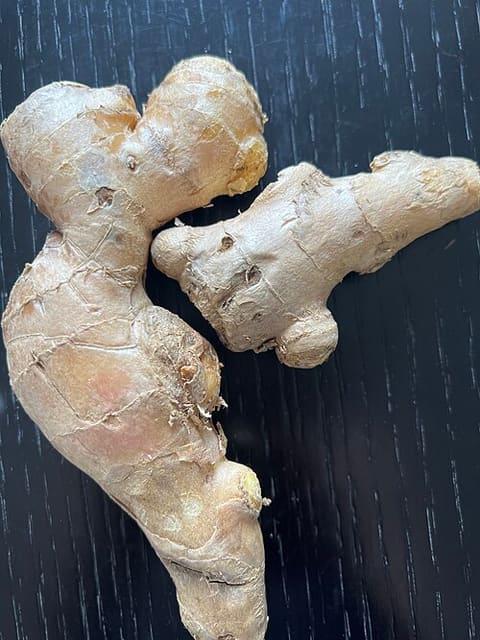
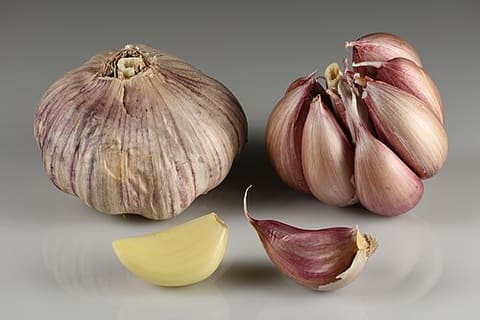
Ginger-garlic paste is fresh ginger and garlic blended together, usually in equal weights, with a little oil and salt. It is fried after the onions in most North Indian, Hyderabadi and Pakistani curries and goes into biryani and tandoori marinades. Jarred versions are widely sold but often contain acids and preservatives that dull the flavour.
How it’s used
- Curry bases after the onions
- Biryani, tikka and tandoori marinades
- Dal tadka and keema
- Stir-fries
Characteristics
- Taste
- Hot, pungent and sharp when raw; sweet and mellow once fried.
- Texture
- Smooth, thick paste.
- When cooked
- Burns easily in very hot oil; fry for a minute until the raw smell goes.
- Sold as
- paste
- Cooking uses
- Commonly cooked, Mainly a seasoning
- Common in
- Indian, Pakistani, Bangladeshi, Punjabi
Storage
Refrigerated. Homemade keeps about 1 week in the fridge; freeze in ice-cube trays for 3 months.
Diet, allergens and safety
No major allergens in typical versions.
- Vegetarian
- Vegan
- Dairy-free
- Egg-free
- Gluten-free
- Nut-free
- Soy-free
- Caffeine-free
- Garlic in oil can support botulism at room temperature; keep it refrigerated and use within a week, or freeze.
Nutrition per 100 g
- Energy
- 112 kcal
- Protein
- 4.77 g
- Carbohydrate
- 24.795 g
- Fat
- 0.375 g
- Fibre
- 1.575 g
- Sugars
- 0.75 g
USDA FoodData Central: Garlic, raw × 0.75 (a close stand-in).
Substitutes
Optional — what works if you don’t have it, and how it changes the dish.
- Grated fresh ginger and garlic — About 1 tsp each, grated on a microplane, per tablespoon of paste.
Related ingredients
Recipes with ginger-garlic paste
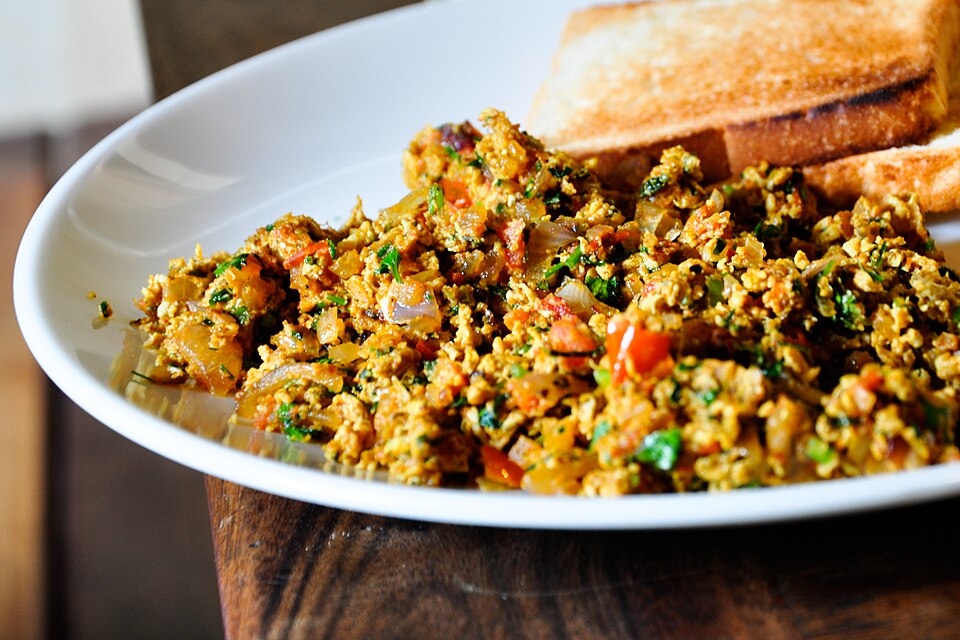
Anda bhurji (Indian spiced scrambled eggs)
 Indian · 22 min · 254 kcal · Contains egg
Chicken keema paratha
Indian · 1 h 24 min · 339 kcal