
Ingredients and chemistry · intermediate
Acids and bases in cooking
Acidity and alkalinity change colour, texture, browning and rising, from bright green beans to fluffy dhokla.
What happens
pH measures how acidic or alkaline something is: below 7 is acidic (lemon juice about 2, yogurt about 4–4.5), 7 is neutral (pure water) and above 7 is alkaline (baking soda solution about 8–9). Acids firm up plant cell walls so vegetables and pulses soften more slowly, set proteins (curdling milk for paneer), slow enzymatic browning and turn green chlorophyll a dull olive colour. Alkalis do the opposite: they make vegetables and pulses soften faster, keep green vegetables bright but mushy, speed up Maillard browning and turn some pigments blue-green. When baking soda (an alkali) meets an acid in a moist batter it releases carbon dioxide, which makes it rise.
Why it matters in the kitchen
Adjusting acidity is one of the strongest levers in cooking. It explains why tamarind is added after dal softens, why a pinch of soda makes chickpeas cook faster, and why baking soda and baking powder are not interchangeable.
Conditions
- Strongly acidic: citrus juice, vinegar — pH about 2–3.
- Safe acidity threshold for preserved foods — pH 4.6 or below stops Clostridium botulinum growing.
- Yogurt, buttermilk, tomato — pH about 4–4.6.
- Baking soda in water — pH about 8–9.
In practice
- Dhokla and some quick breads rise when baking soda or fruit salt reacts with acid in the batter.
- Chickpeas and rajma soften faster with a pinch of baking soda in the soaking or cooking water.
- Tamarind or kokum added after pulses are tender, because acid slows their softening.
- Red cabbage turns purple-blue with soda and bright red with vinegar.
- Turmeric turns red-brown in alkaline conditions such as with soap or lime (chuna).
Myths and facts
Myth: Baking soda and baking powder can be swapped freely.
Fact: Baking soda is pure alkali and needs an acid in the recipe to work; it is about three to four times stronger than baking powder. Baking powder already contains both soda and an acid. Swapping one for the other changes rise, colour and taste.
Myth: A pinch of soda to keep green vegetables bright is harmless.
Fact: It does keep them vivid green, but it also makes them mushy and destroys some vitamins, especially vitamin C and thiamine. Short cooking and serving promptly keep colour better.
Myth: Acidic marinades tenderise meat all the way through.
Fact: Acid works mostly on the surface. Left too long, it makes the outside mushy or chalky while the inside is unchanged.
Use it to cook better
- Add acids such as tomato, tamarind, kokum or lemon after pulses and tough vegetables are tender.
- Add lemon juice to green dishes like palak or green chutney at the end, off the heat, to keep the colour bright.
- Use a small pinch of baking soda (about 1/4 tsp per 500 g dried chickpeas) for softer chickpeas; too much tastes soapy.
- When using baking soda in a batter, make sure there is an acid such as yogurt, buttermilk, lemon or jaggery, and bake soon after mixing.
- Taste for acid: a squeeze of lemon often fixes a dish that tastes 'flat' even when salt is right.
Try it at home
Red cabbage pH indicator
You need: A quarter of a red cabbage, Hot water, 4 clear glasses, Lemon juice, vinegar, baking soda, plain water
- Chop the cabbage, cover with hot water for 10 minutes, then strain off the purple liquid.
- Pour some into each glass.
- Add lemon juice to one, vinegar to another, a pinch of baking soda to a third, and leave one plain.
What you’ll see: Acids turn the liquid pink-red, plain stays purple, and baking soda turns it blue-green.
Hot water: let it cool before children handle it. Don't drink the mixtures.
Going deeper
Pectin, the glue between plant cells, is broken down faster under alkaline conditions and protected under acidic ones, which explains the texture effects on vegetables and pulses. Chlorophyll loses its central magnesium under acid and heat, becoming olive-brown pheophytin. Anthocyanins in red cabbage, black carrots and purple corn change colour across the pH scale. Double-acting baking powder contains one acid that reacts when wet and another that reacts mostly when heated, giving two bursts of gas.
Ingredients it affects most
Techniques that rely on it
Worth double-checking
- pH values quoted are typical; real foods vary. The baking-soda-to-baking-powder strength ratio (about 3–4×) is a common rule of thumb.
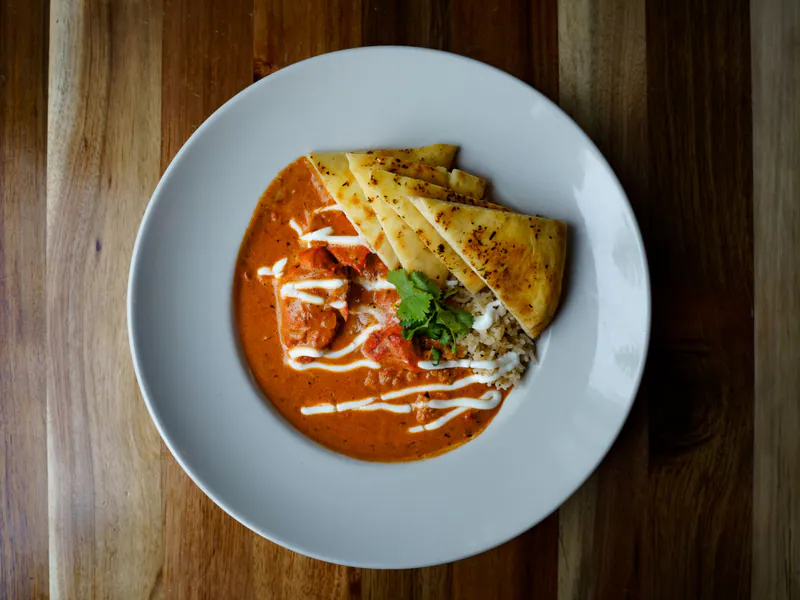
 Punjabi · 2 h 5 min · 559 kcal
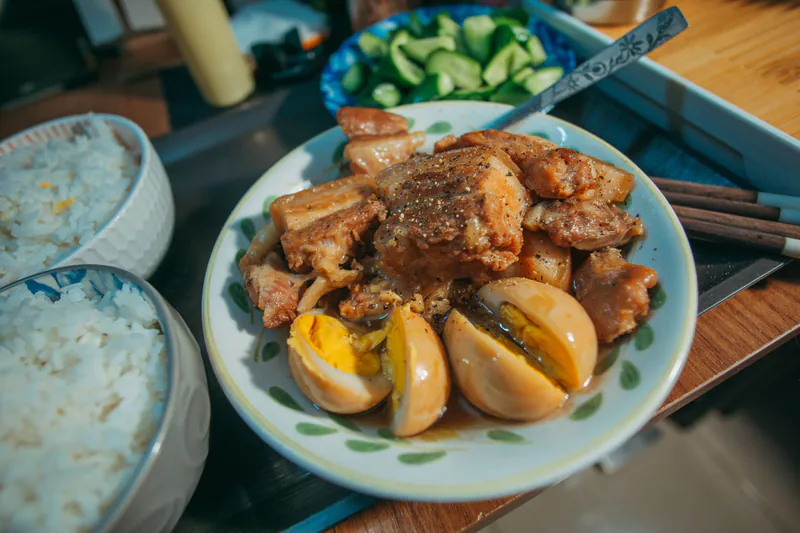
 Filipino · 1 h 30 min · 529 kcal
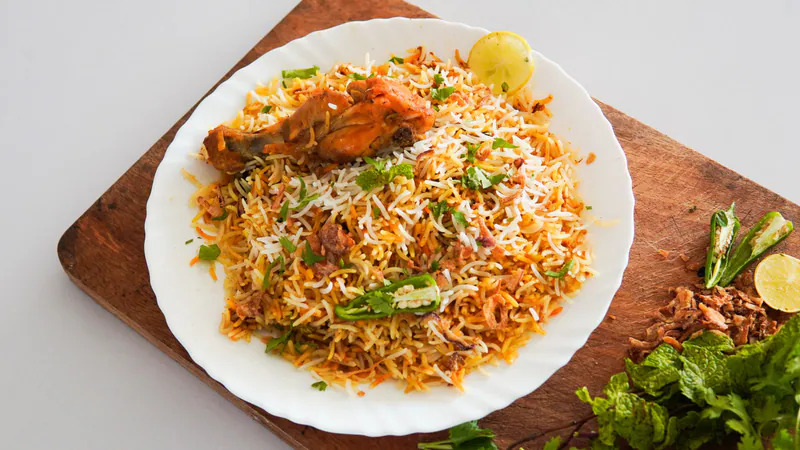
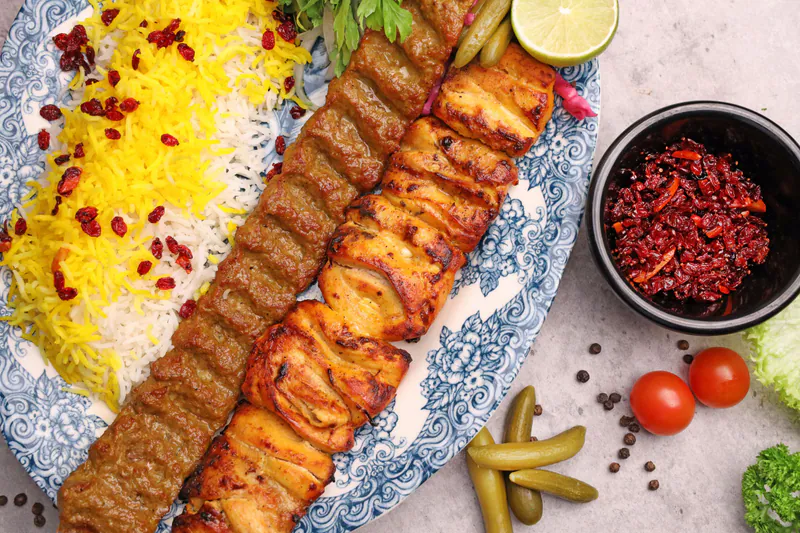
 Iranian · 4 h 35 min · 370 kcal
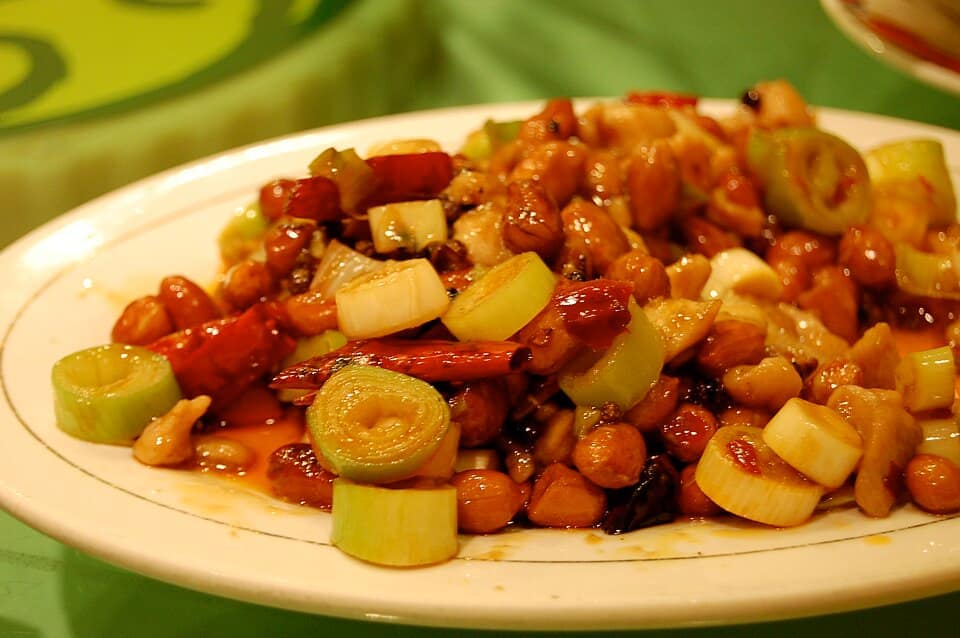
 Sichuan · 35 min · 341 kcal
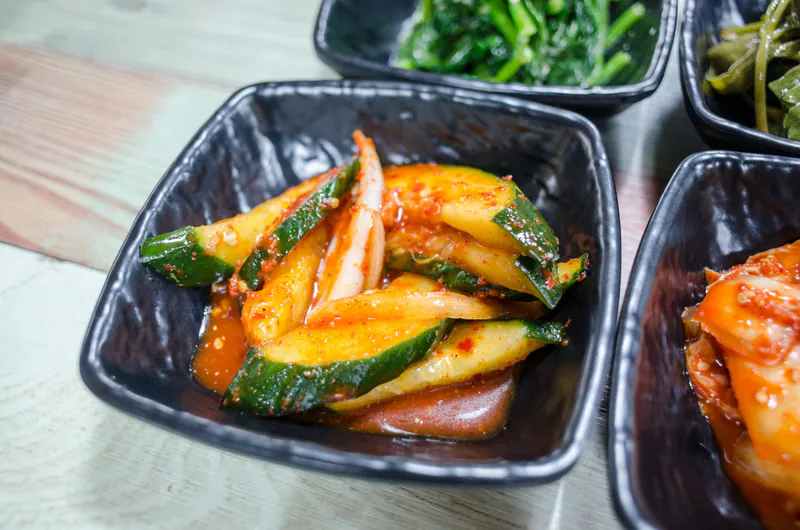
 Korean · 15 min · 49 kcal

 Indonesian · 1 h 50 min · 473 kcal
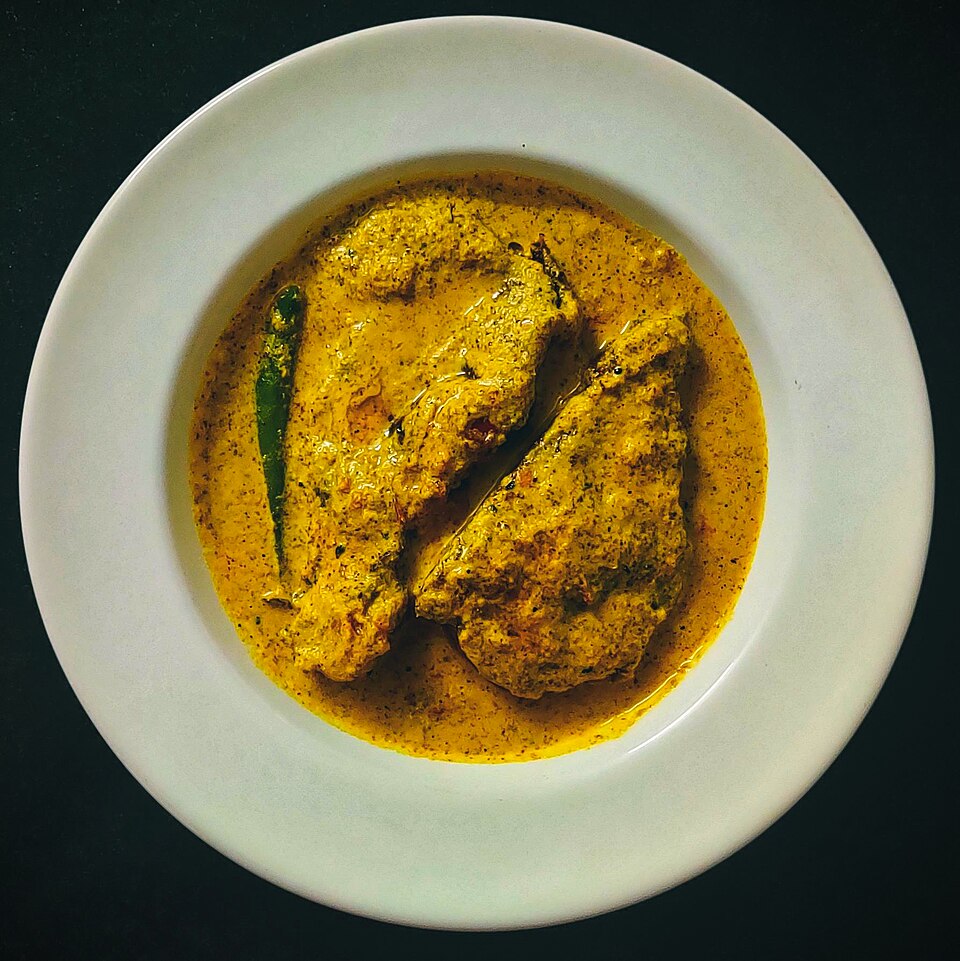
 Bangladeshi · 45 min · 456 kcal