
Ingredients and chemistry · beginner
Salt and osmosis
Salt seasons, draws water out of cells, changes proteins so meat holds more juice and controls microbes in preserved foods.
What happens
Water moves across cell membranes from the less salty side to the saltier side (osmosis), so salt sprinkled on vegetables pulls water out of them. Salt also dissolves into food over time by diffusion; it travels through meat slowly, only a few millimetres to a few centimetres over hours or days. In meat, salt partly dissolves some muscle proteins, so they hold more water and shrink less when cooked, which is the basis of brining. In bread it tightens gluten. In preserves, high salt pulls water away from microbes and slows or stops their growth. On the tongue, salt enhances many flavours and suppresses bitterness.
Why it matters in the kitchen
When and how you salt changes juiciness, texture and flavour. Salting meat ahead, salting cucumber before raita and salting pasta water all work because of osmosis and diffusion.
Temperatures and conditions
- Brining temperature: keep cold up to 5 °C · Brine raw meat in the refrigerator.
In practice
- Dry-brined roast chicken with crisp skin.
- Salted cucumber and onion squeezed before kachumber or raita.
- Salt in the soaking water for dried beans and chickpeas.
- Salting meat for a marinade before adding yogurt and spices.
- Salt in sauerkraut and kimchi controlling which microbes grow.
Myths and facts
Myth: Salting meat before cooking draws out moisture and dries it.
Fact: Salt does draw out liquid at first, but after about 40 minutes much of the salty liquid is reabsorbed and the meat ends up juicier. Salt either just before cooking or at least 40 minutes ahead; the in-between period leaves a wet surface that browns poorly.
Myth: Salting beans while they cook keeps them hard.
Fact: Kitchen tests have repeatedly shown salt doesn't stop beans softening; brining them while soaking actually gives creamier interiors and fewer burst skins. Acid, sugar and hard water slow softening.
Myth: Pasta water should be as salty as the sea.
Fact: Seawater is about 3.5% salt, which would make pasta far too salty. Around 1–2% is typical.
Myth: Sea salt and pink salt contain much less sodium than table salt.
Fact: By weight they are almost all sodium chloride. Larger, flakier crystals mean less salt fits in a spoon, which is why a spoonful can taste less salty.
Use it to cook better
- Dry-brine meat and poultry for at least 40 minutes, or overnight uncovered in the fridge for crisp skin.
- Salt a little at each stage of cooking and taste at the end, rather than all at once.
- Remember that different salts measure differently: flaky salts weigh less per spoon than fine table salt, so weigh when it matters.
- Add a pinch of salt to sweet dishes and fruit to sharpen flavour and reduce bitterness.
- If a brined meat goes into a marinade or sauce, cut back on other salt.
Try it at home
Osmosis on a cucumber
You need: 1 cucumber, Salt, 2 bowls, A sieve
- Slice the cucumber thinly and divide between the two bowls.
- Toss one portion with 1/2 tsp salt; leave the other plain.
- After 20 minutes, tip each into a sieve and compare the liquid and texture.
What you’ll see: The salted slices release a pool of liquid and turn limp and bendy; the plain slices stay firm and dry.
Going deeper
Salt ions disrupt the attraction between muscle filaments and dissolve some myosin, loosening the structure so it can hold more water. Diffusion of salt through meat is slow and roughly follows the square of the distance, so thin cuts season quickly and thick roasts need a day or more. Black salt (kala namak) gets its eggy smell from sulphur compounds formed in the traditional kiln process; its use is about flavour, not a different saltiness.
Ingredients it affects most
Techniques that rely on it
Worth double-checking
- Brine strength recommendations vary widely between sources (roughly 3–6% for wet brines); follow a tested recipe and reduce added salt if brining.
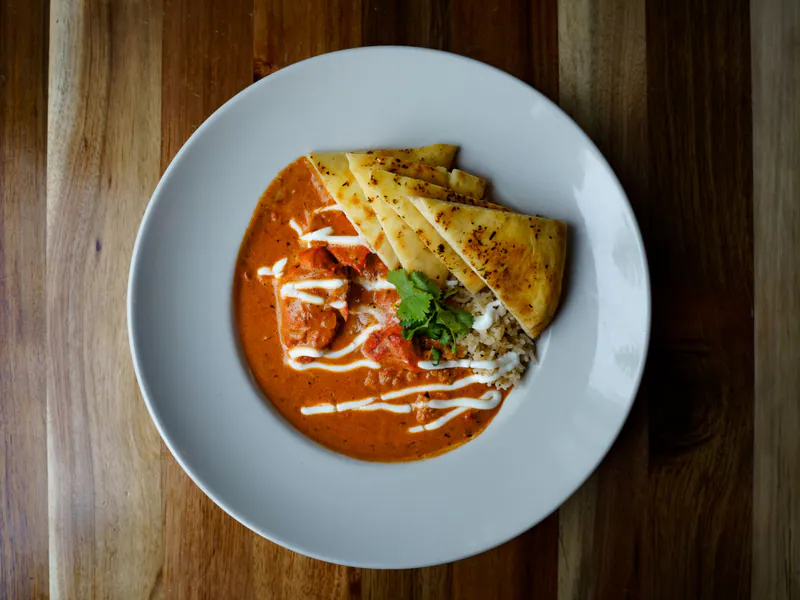
 Punjabi · 2 h 5 min · 559 kcal
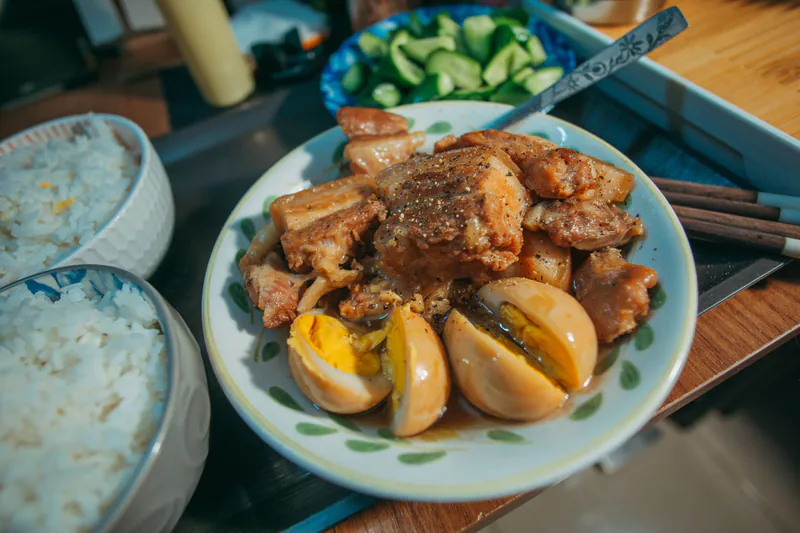
 Filipino · 1 h 30 min · 529 kcal
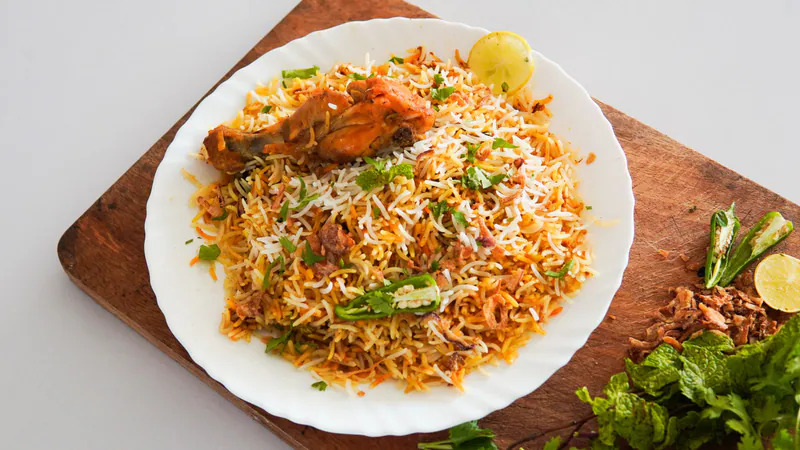
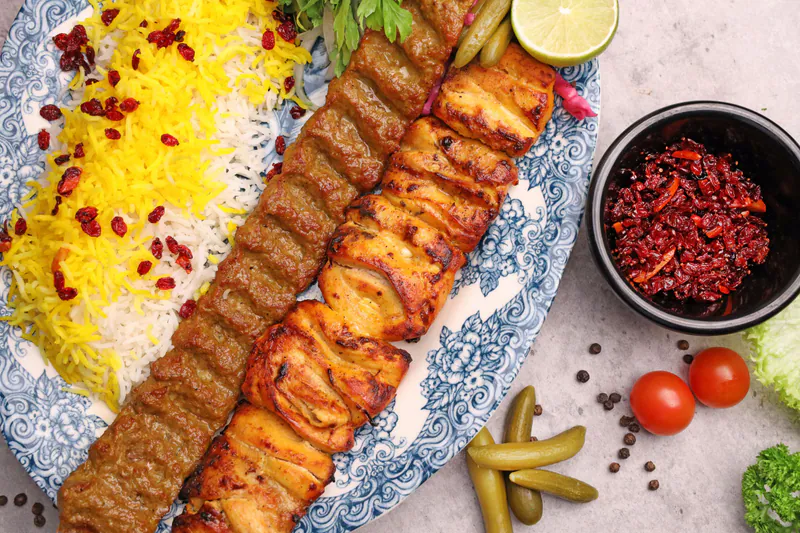
 Iranian · 4 h 35 min · 370 kcal
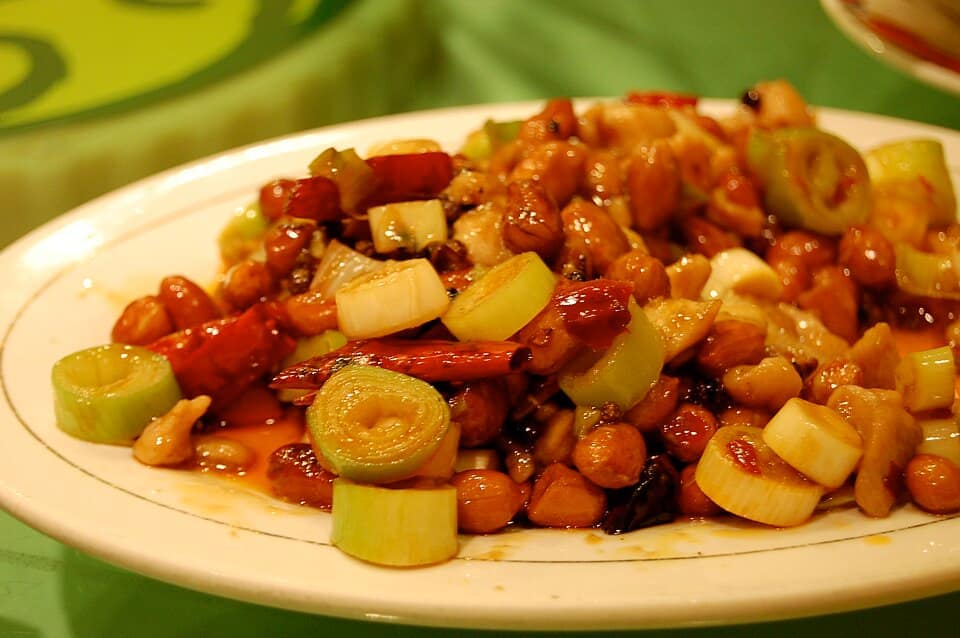
 Sichuan · 35 min · 341 kcal
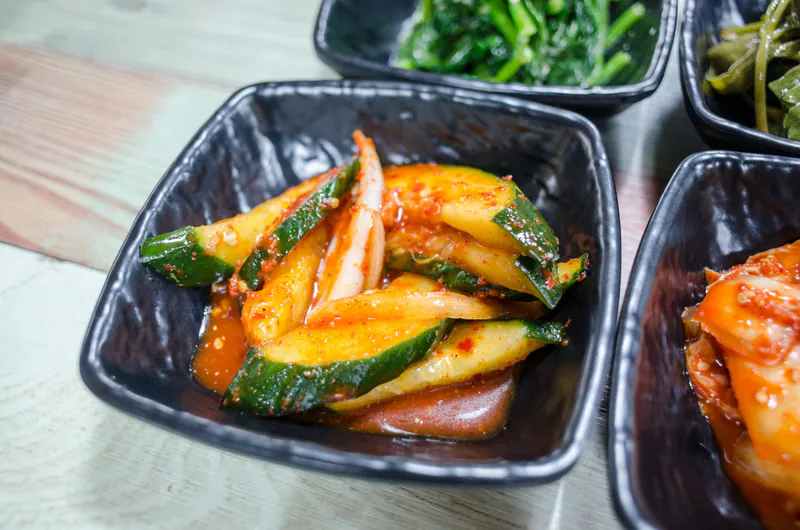
 Korean · 15 min · 49 kcal

 Indonesian · 1 h 50 min · 473 kcal
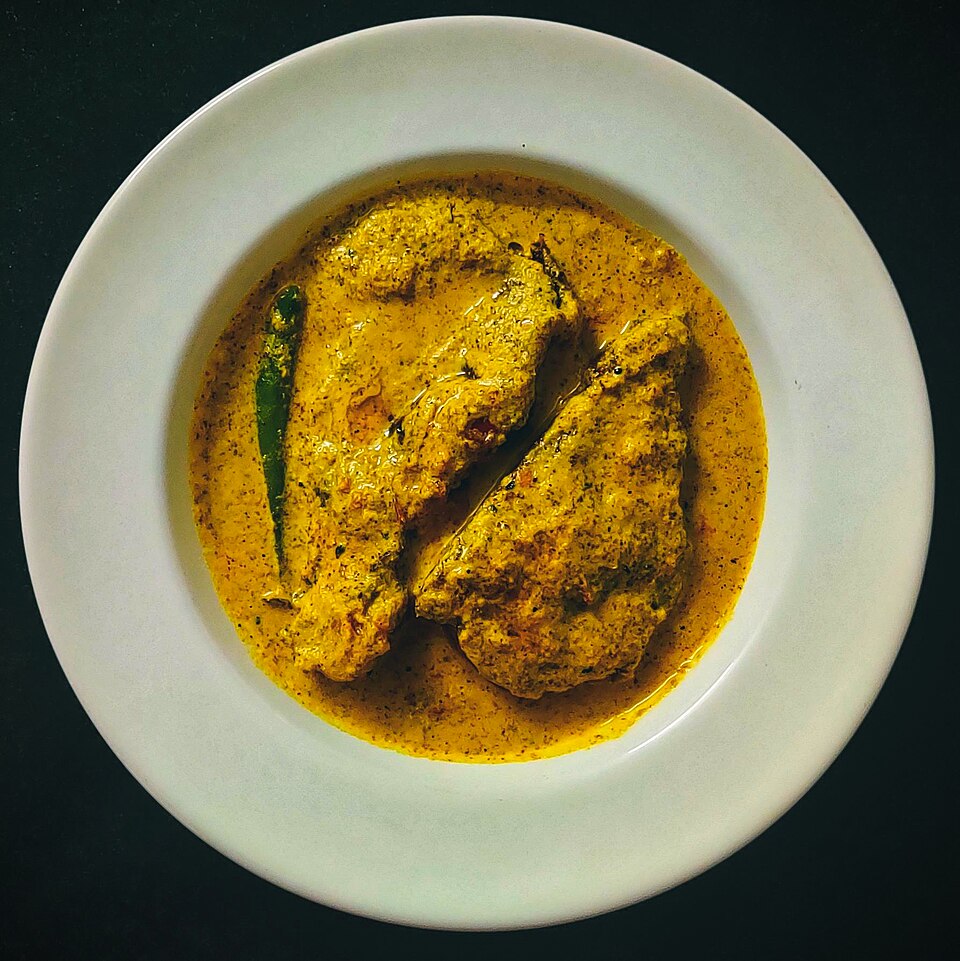
 Bangladeshi · 45 min · 456 kcal