
Fermentation and preservation · advanced
The science of curing
Salt, sugar and often nitrite draw water from meat and fish, block harmful bacteria and give cured foods their colour and flavour.
What happens
Curing treats meat or fish with salt, usually with sugar and often with nitrite or nitrate. Salt draws out water and makes what remains salty enough that most bacteria can't grow, while sugar softens the harshness of the salt and feeds flavour reactions. Nitrite does three jobs: it strongly inhibits Clostridium botulinum, it reacts with the meat pigment myoglobin to give the stable pink colour of ham and bacon, and it creates the characteristic cured flavour while slowing rancidity. Curing salts are sold already diluted with ordinary salt (and dyed pink so they aren't mistaken for table salt) because nitrite is toxic in large amounts. Dry-cured hams and salamis also lose water slowly over weeks to months.
Why it matters in the kitchen
Curing is precise: too little salt or nitrite is unsafe, and too much nitrite is poisonous. Understanding it helps you make simple cures like gravlax safely and know why other projects need tested recipes.
Temperatures and conditions
- Curing in the fridge 0–5 °C · Most home cures (gravlax, bacon, corned beef) stay refrigerated throughout.
- Freezing fish for raw or lightly cured use up to -20 °C · FDA advises -20 °C for 7 days; home freezers often only reach about -18 °C.
- Dry-curing chambers 10–15 °C · With controlled humidity; specialist equipment and tested recipes.
In practice
- Gravlax: salmon cured for 1–3 days in salt, sugar and dill.
- Bacon and corned beef, cured with salt, sugar and curing salt.
- Salt cod, heavily salted and dried, soaked before cooking.
- Prosciutto and guanciale, salted and air-dried for months.
- Maldive fish: tuna that is boiled, smoked and sun-dried.
Myths and facts
Myth: 'Uncured' bacon labelled 'no added nitrite' contains no nitrite.
Fact: These products are usually cured with celery powder or juice, which is naturally rich in nitrate that bacteria convert to nitrite. The chemistry is the same.
Myth: Pink colour in cured meat means it's undercooked.
Fact: Nitrite keeps cured meat pink even when fully cooked, so colour is not a guide for ham, bacon or corned beef.
Myth: Pink curing salt is the same as pink Himalayan salt.
Fact: Curing salt contains sodium nitrite and is dyed pink as a warning. Himalayan salt is ordinary rock salt coloured by minerals. Never swap them.
Use it to cook better
- Weigh the meat and the cure precisely; use a scale accurate to small amounts for curing salt.
- Follow a tested recipe for any cure using nitrite, and never improvise amounts.
- Keep home cures in the refrigerator and turn them as instructed so the cure reaches all sides.
- For gravlax or other raw-cured fish, use very fresh fish and freeze it first as food-safety agencies advise for raw fish.
- Rinse and taste a small cooked piece of bacon or salt cod to check saltiness, and soak longer if needed.
- Store curing salt labelled and away from table salt and children.
Going deeper
Cure #1 (often called Prague Powder #1) is about 6.25% sodium nitrite in salt and is used for cures that will be cooked or eaten fairly soon; Cure #2 also contains nitrate, which slowly converts to nitrite over long dry-cures. Nitrite forms nitric oxide, which binds to myoglobin to make nitrosylmyoglobin (pink) and, on cooking, nitrosyl hemochrome. Regulators set limits on ingoing nitrite for commercial products. When nitrite-cured meats are cooked at very high heat, small amounts of nitrosamines can form, which is why some products also contain ascorbate.
Ingredients it affects most
Techniques that rely on it
Worth double-checking
- Cure #1 composition (about 6.25% sodium nitrite) and usage rates vary by product; follow the manufacturer and a tested recipe.
- Parasite-freezing guidance differs between agencies (FDA: -20 °C for 7 days or -35 °C for 15 hours; UK FSA: -20 °C for at least 24 hours for fish to be eaten raw). Check the guidance that applies to you.
- Maldive fish production methods are described here in general terms; details vary by producer.
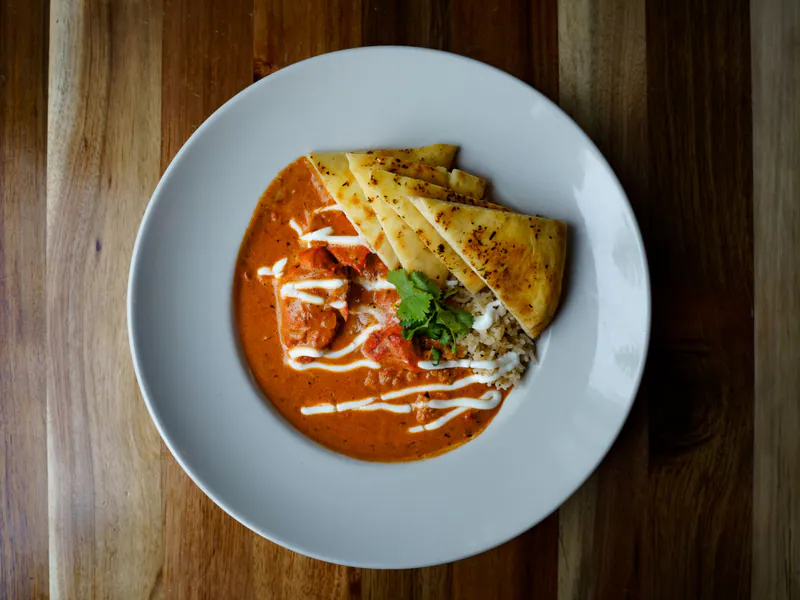
 Punjabi · 2 h 5 min · 559 kcal
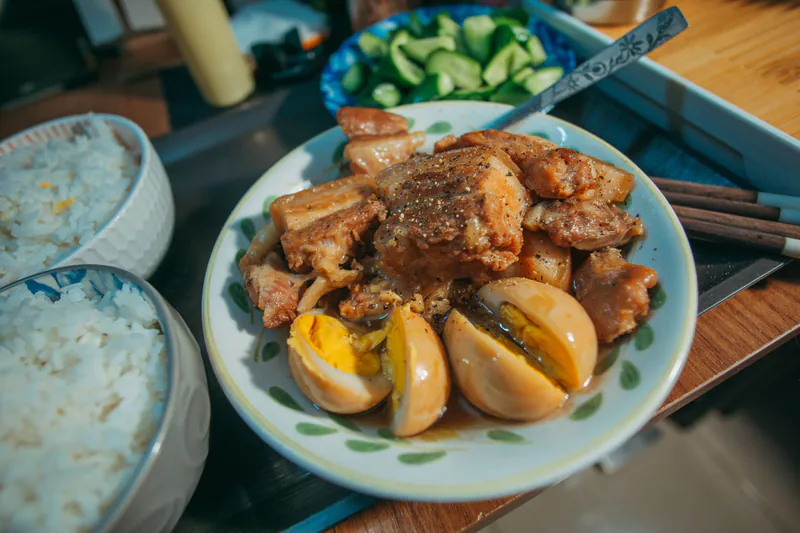
 Filipino · 1 h 30 min · 529 kcal
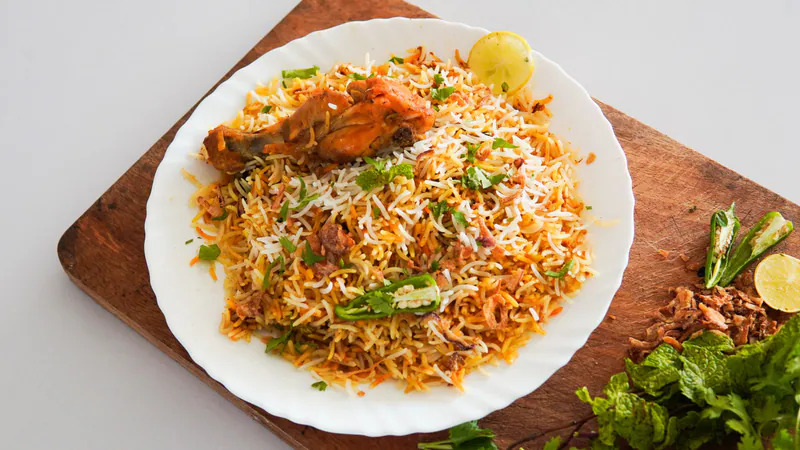
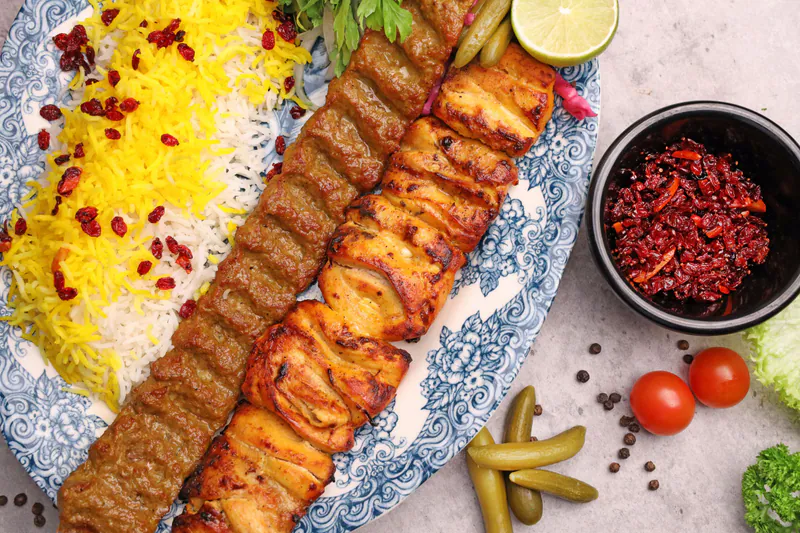
 Iranian · 4 h 35 min · 370 kcal
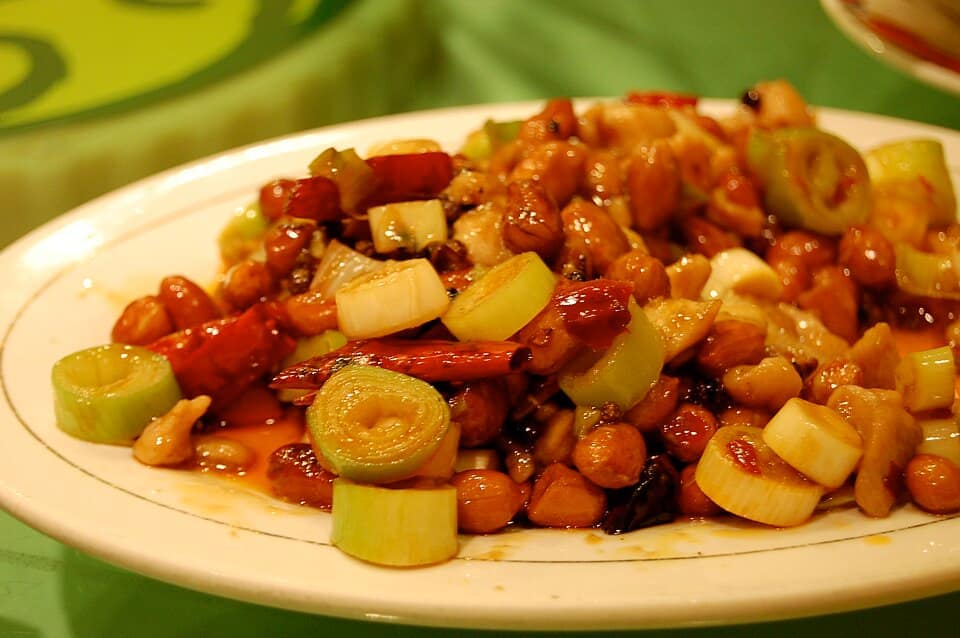
 Sichuan · 35 min · 341 kcal
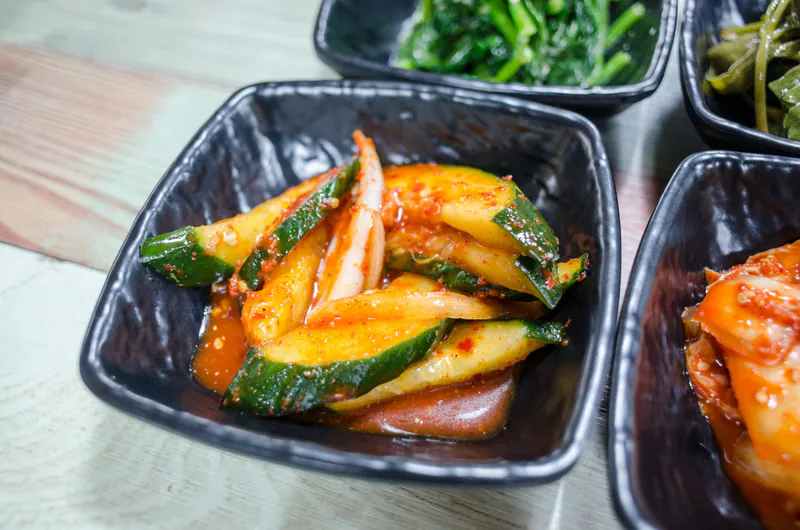
 Korean · 15 min · 49 kcal
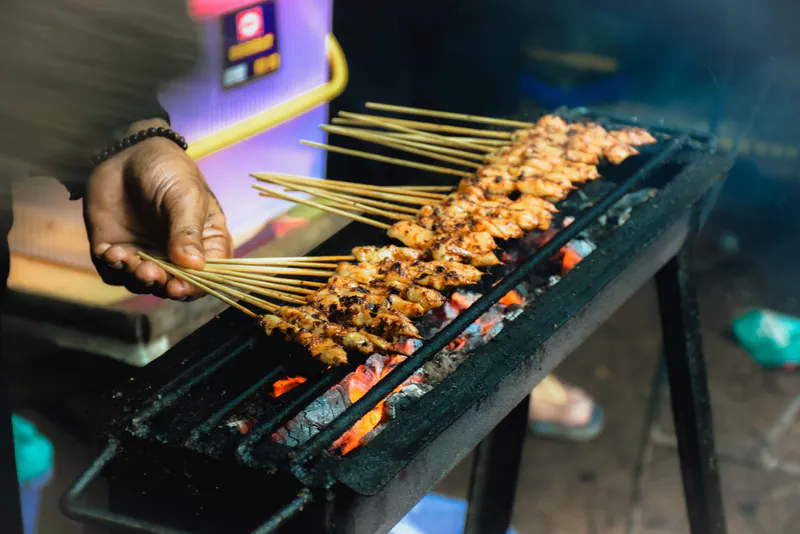
 Indonesian · 1 h 50 min · 473 kcal
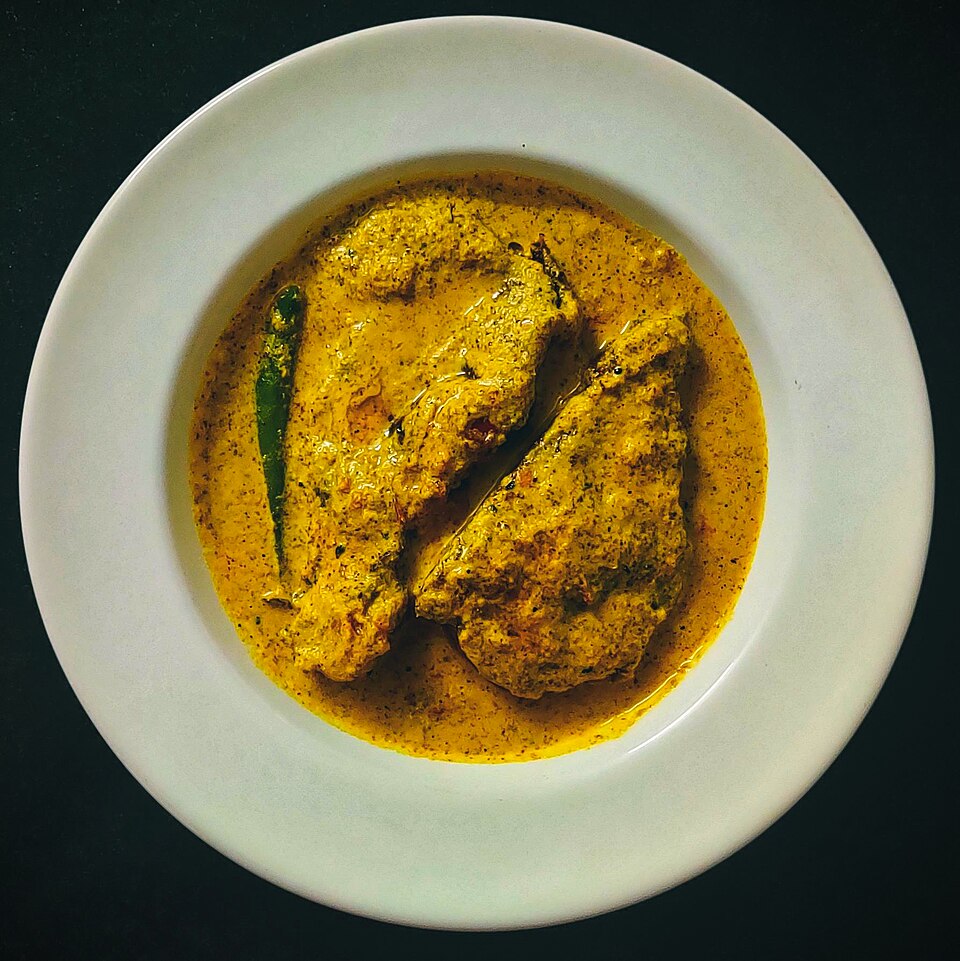
 Bangladeshi · 45 min · 456 kcal