
Fermentation and preservation · intermediate
The science of pickling
Pickles stay safe through acid, salt, low water and spices, whether the acid comes from vinegar or from fermentation.
What happens
A pickle is food preserved in acid or a combination of salt, acid and oil. In a vinegar pickle, the acid is added directly: vinegar used for safe pickling is at least 5% acetic acid, and enough must be used to bring the whole jar to pH 4.6 or below. In a fermented pickle, salt first suppresses spoilage microbes while lactic acid bacteria produce acid over days or weeks. Traditional Indian oil pickles combine several barriers: salt draws water out of the fruit or vegetable, sun-drying reduces moisture further, acidic ingredients like raw mango, lime or vinegar lower pH, and mustard and other spices add flavour and some antimicrobial action. Oil covers the surface and limits mould, but it does not make a pickle safe by itself.
Why it matters in the kitchen
Pickling is safe only when its barriers are strong enough. Understanding them helps you follow traditional recipes correctly and avoid the rare but serious risk of botulism.
Temperatures and conditions
- Refrigerator pickles 0–5 °C
- Water-bath processing of acid pickles 100–100 °C · Time depends on jar size and recipe; follow tested guidance.
In practice
- Aam ka achaar: salted, sun-dried raw mango with mustard, fenugreek and oil.
- Nimbu achaar: lime matured in salt and its own acid.
- Quick pickled onions in vinegar.
- Gajar-mooli-mirch in mustard and lemon.
- Dill pickles, fermented or made with vinegar.
Myths and facts
Myth: A thick layer of oil on top keeps any pickle safe.
Fact: Oil blocks air, which stops surface mould, but airless conditions are exactly what botulinum bacteria need. Safety comes from enough salt and acid in the food itself.
Myth: You can cut the salt or vinegar in a pickle recipe to make it healthier.
Fact: Salt and acid are the preserving agents. Reducing them can make a shelf-stable pickle unsafe; low-salt or low-acid versions should be kept in the fridge and eaten soon.
Myth: Garlic or herbs in oil are a kind of pickle and keep at room temperature.
Fact: Unacidified garlic, ginger or herbs in oil are a known botulism risk. Keep them refrigerated and use within about 4 days, or freeze, unless a tested recipe acidifies them.
Use it to cook better
- Use clean, completely dry jars and spoons for oil pickles; water introduces spoilage.
- Dry cut vegetables and fruit well (in sun or air) before adding oil, as many traditional recipes do.
- Keep pieces submerged in oil or brine, and use a dry spoon each time.
- For vinegar pickles, use vinegar labelled at least 5% acidity and follow tested proportions.
- Refrigerate quick pickles and any low-salt or low-acid versions.
- Discard any pickle with mould, fizzing that wasn't expected, a bulging lid or an off smell.
Going deeper
Acetic acid is effective partly because, in its undissociated form, it crosses microbial cell membranes and then releases acid inside, disrupting the cell. Salt lowers water activity and adds osmotic stress. Mustard seeds' isothiocyanates and the curcumin in turmeric have antimicrobial activity in lab studies, but recipes shouldn't depend on spices as the main safety barrier. Calcium in hard water or added calcium chloride can firm pickle texture by cross-linking pectin.
Ingredients it affects most
Techniques that rely on it
Worth double-checking
- Garlic-in-oil storage guidance follows USDA/NCHFP advice (refrigerate, use within about 4 days, or freeze).
- Traditional Indian pickle methods vary by household and region; there is limited published lab testing of their pH.
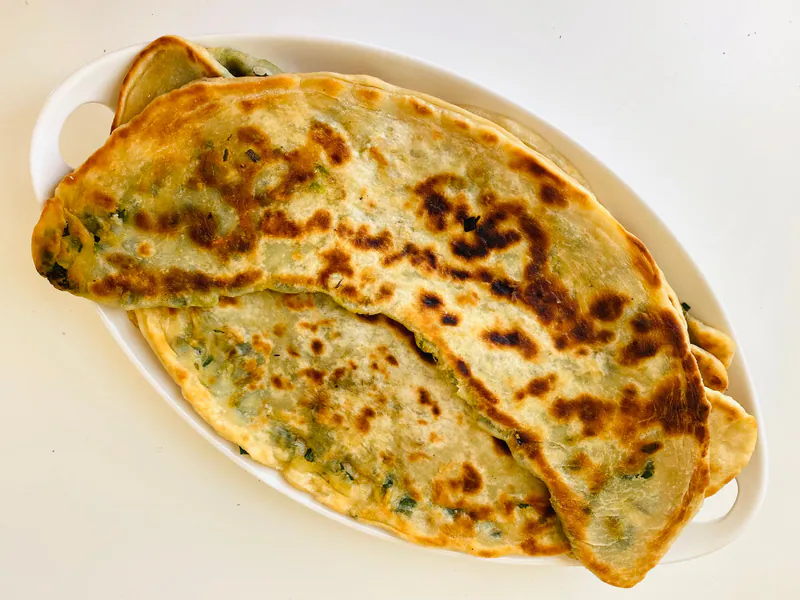
 Punjabi · 1 h 15 min · 430 kcal ·
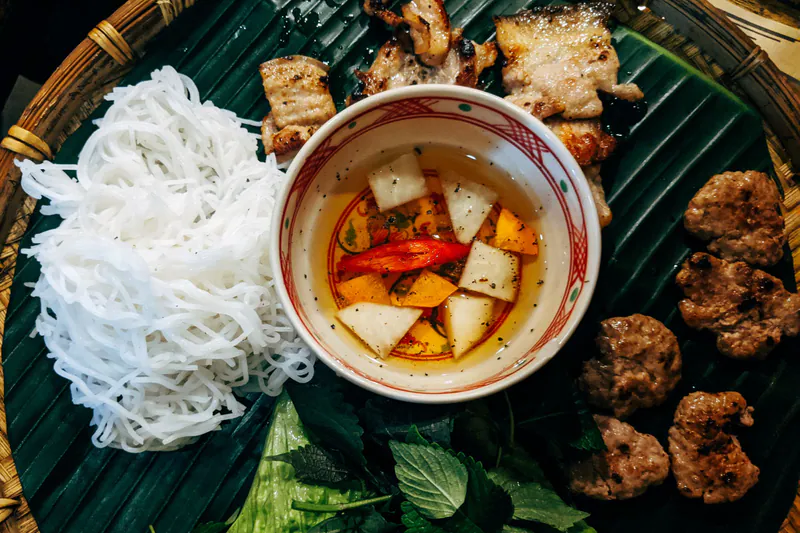
 Vietnamese · 1 h 50 min · 922 kcal
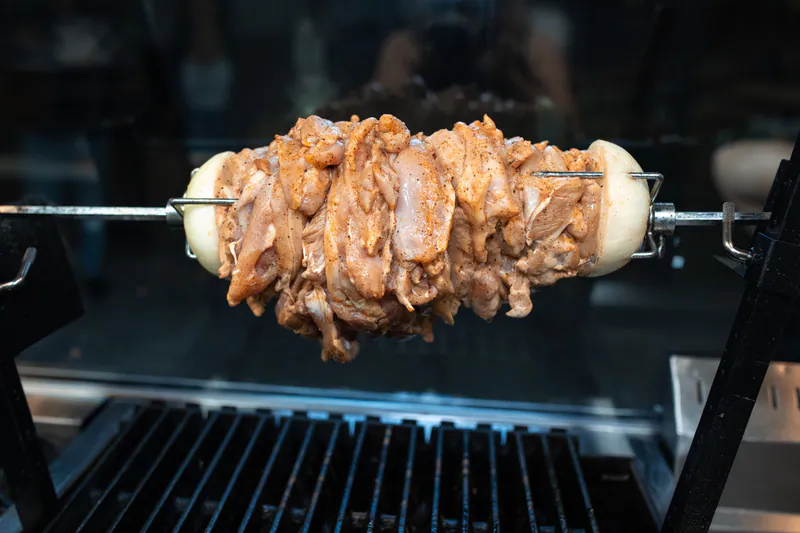
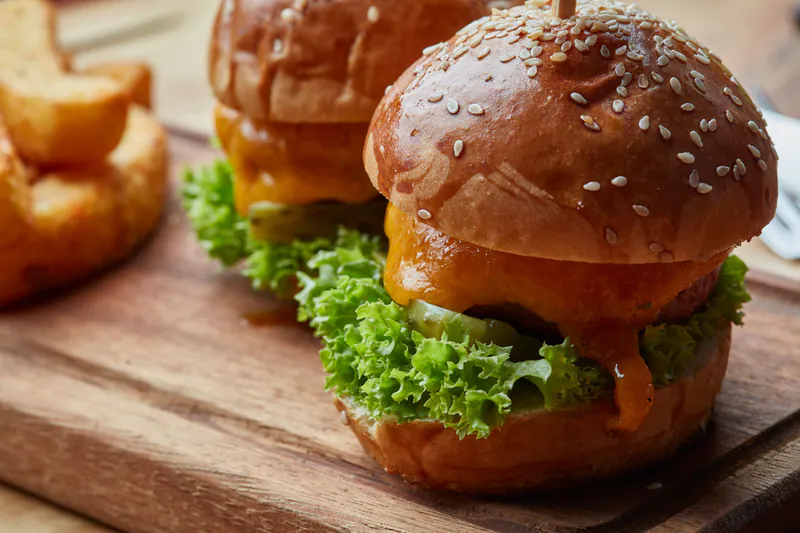
 American · 27 min · 511 kcal
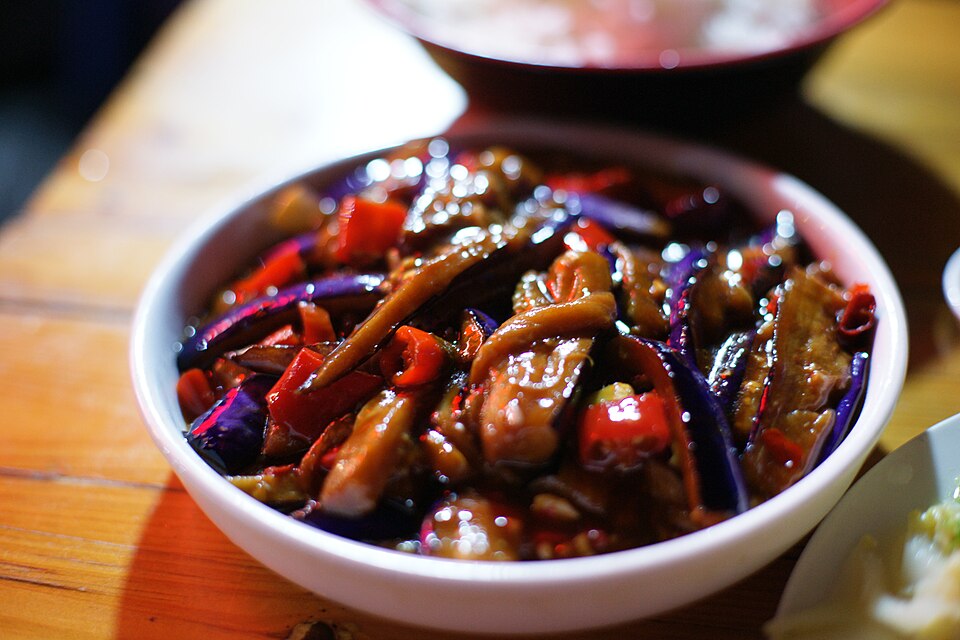
 Sichuan · 35 min · 269 kcal ·
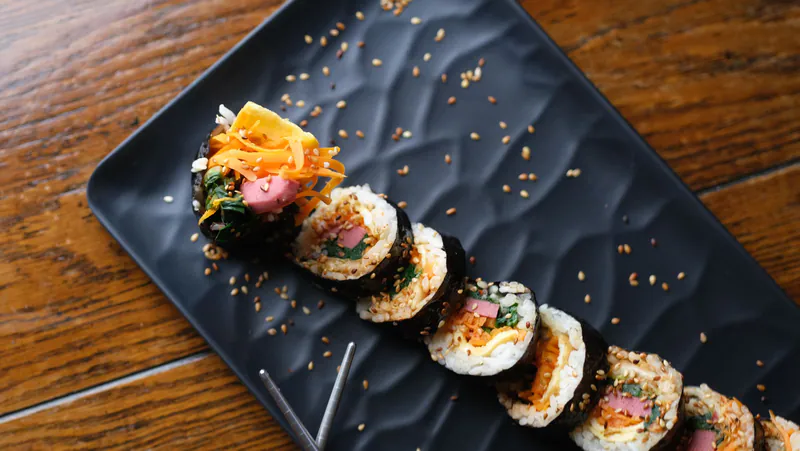
 Korean · 1 h · 384 kcal
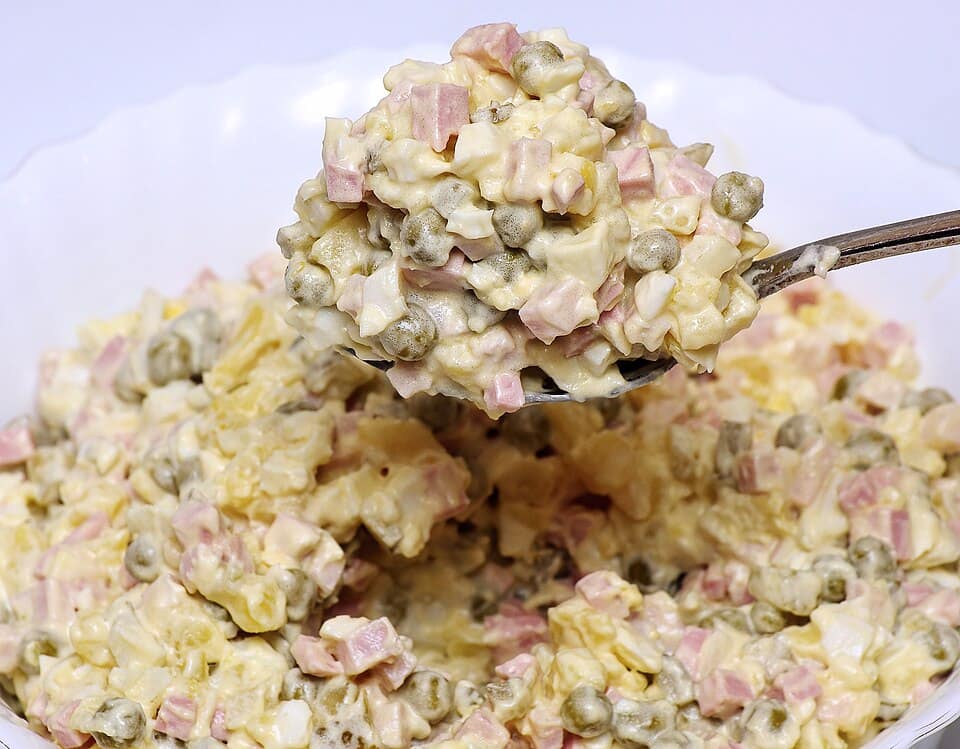
 Russian · 1 h 50 min · 319 kcal

 Israeli · 40 min · 581 kcal ·
 Swedish · 55 min · 611 kcal